
Lionhead Rabbit Care: Mane Grooming, Hay, Housing and Health
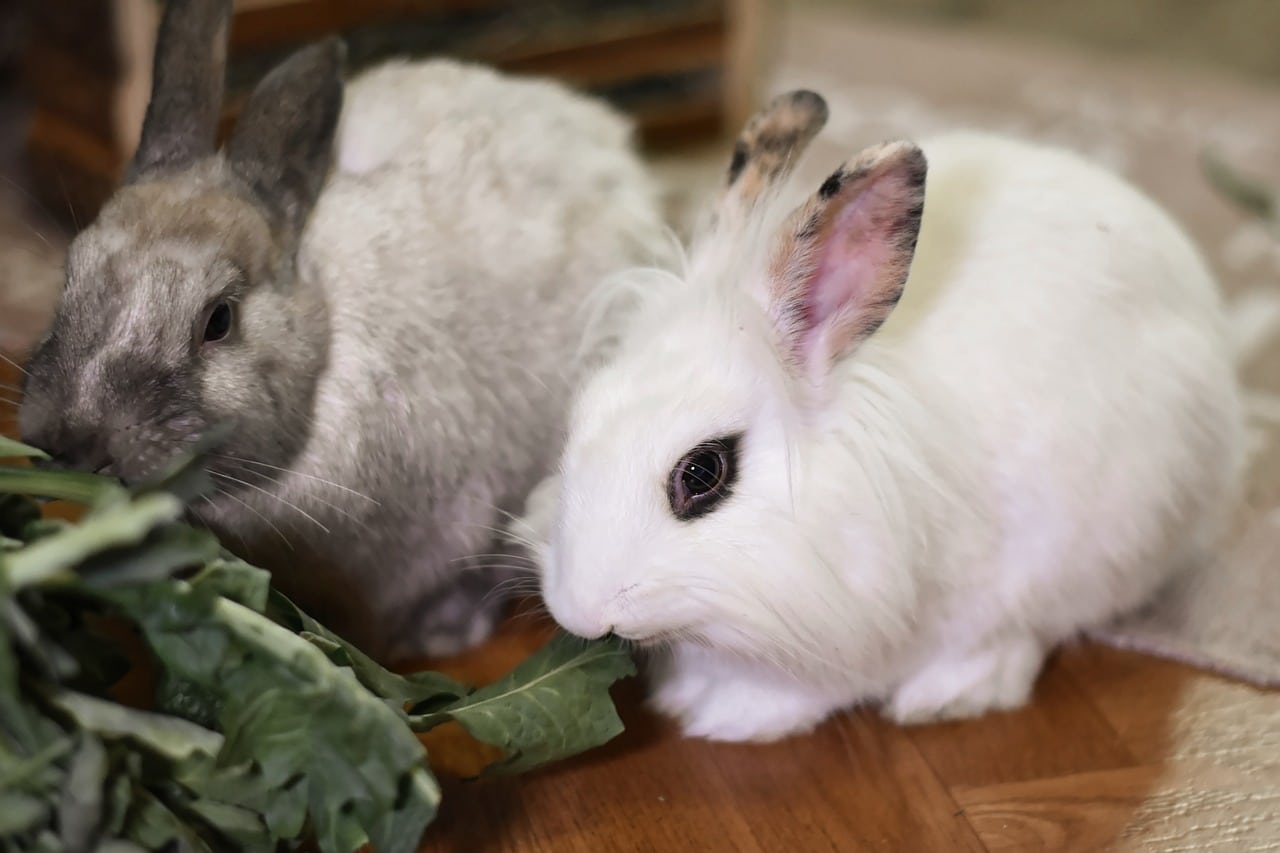
Lionhead rabbits are immediately recognizable by the woolly mane around the head and shoulders, but the mane is not the most important part of care. Lionheads still need the same fundamentals as other companion rabbits: unlimited suitable hay, generous indoor space, daily movement, social contact, careful grooming and access to a veterinarian experienced with rabbits.
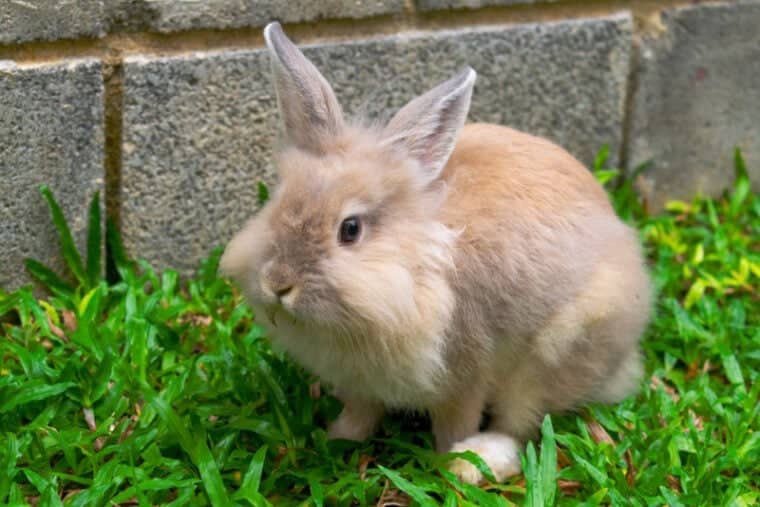
The extra coat changes the workload. A Lionhead that looks adorable in a photograph can develop painful mats very quickly if grooming is neglected. Rabbit.org’s current Lionhead guidance specifically warns that the mane and longer coat require frequent care and that many rabbits are surrendered because owners underestimate it.
Hay should dominate an adult rabbit’s diet
For most healthy adult rabbits, grass hay should be available at all times. Timothy, orchard and other suitable grass hays provide long fiber that supports normal gastrointestinal movement and tooth wear.
Replace stale or soiled hay and offer it in more than one location if that encourages eating.
Pellets are concentrated food
Pellets can provide useful nutrition but should not replace hay. Choose a plain rabbit pellet appropriate for age and health rather than a colorful seed-and-cereal mix.
The amount depends on body size, life stage, product and veterinary advice.
Fresh greens
Appropriate leafy greens can add variety and moisture. Introduce new foods gradually.
Sudden large dietary changes can upset the gastrointestinal system.
Fresh water every day
Use a heavy crock, bottle or both depending on what the rabbit reliably uses. Check the supply at least daily and more often in warm weather.
A rabbit that suddenly stops drinking or eating should not be ignored.
The mane requires regular grooming
Lionhead wool can knot behind the ears, under the chin, along the sides and around the rear. Comb gently and frequently enough to prevent tight mats.
Rabbit.org’s rabbit grooming guidance emphasizes how delicate rabbit skin is, which is why pulling or cutting mats carelessly can cause injury.
Daily checks during heavy coat periods
Some Lionheads need near-daily attention when shedding or when the mane is especially dense. Run your fingers through the coat and look for tangles before they tighten.
A small mat is much easier to manage than a felted sheet close to the skin.
Do not bathe a rabbit routinely
Full-body bathing can be stressful and can contribute to chilling or skin problems. Spot-clean small areas when appropriate and ask a rabbit-savvy veterinarian about significant soiling.
A rabbit repeatedly getting urine or feces in the coat may have an underlying mobility, weight, dental or urinary problem that needs investigation.
Watch the rear end carefully
Long fur can hide fecal material or dampness. Check under the tail and around the hindquarters.
Soiled fur can attract flies and increase the risk of flystrike in warm conditions, which is an emergency.
Nails
Trim nails regularly. Long mane hair can distract owners from basic foot care.
If you are uncomfortable trimming nails, ask a veterinary professional or experienced rabbit groomer to demonstrate.
A small cage is not an adequate home
Lionheads need room to stand upright, stretch out, hop repeatedly and move between feeding, resting and toilet areas.
The House Rabbit Society supply guidance recommends exercise pens, gates or larger indoor setups and identifies unlimited hay as a core supply.
Indoor living
Indoor housing makes it easier to protect rabbits from weather, predators and many parasites while allowing owners to notice health changes early.
Rabbit.org’s indoor-living guidance explains those advantages in detail.
Non-slip flooring
Smooth tile and laminate can make rabbits feel insecure. Provide rugs or mats that offer traction without loose threads the rabbit can swallow.
Hiding places
Every rabbit should have somewhere to retreat. Cardboard boxes, tunnels and covered resting areas can provide security.
Do not reach into the hiding place constantly to pull the rabbit out.
Chewing is normal
Provide safe chew items and rabbit-proof electrical cords, furniture edges and toxic plants.
The House Rabbit Society’s hazard guide highlights electrical cords as a particularly important indoor danger.
Digging is normal too
A box filled with safe digging material can provide an appropriate outlet. Avoid substrates likely to be inhaled or eaten in harmful quantities.
Handling
Support the chest and hindquarters whenever lifting is necessary. Rabbits have powerful hind legs and relatively fragile spines.
Keep handling low to the floor and do not allow children to carry a struggling rabbit around the room.
Many Lionheads prefer floor-level interaction
A rabbit may enjoy sitting beside you or accepting forehead strokes while still disliking being picked up.
Respecting that preference often builds more trust than frequent lifting.
Litter training
Many rabbits choose predictable toilet corners. Place a litter tray there and offer hay near one end.
Use rabbit-safe litter and avoid clumping cat litter.
Dental health
Rabbit teeth grow continuously. Hay and appropriate chewing help normal wear, but inherited alignment problems or dental disease can still occur.
Drooling, dropping food, reduced hay eating, weight loss or smaller fecal pellets can signal dental pain.
GI stasis and appetite changes
A rabbit that stops eating or producing normal feces needs prompt veterinary attention. Gastrointestinal slowdown can become dangerous quickly.
Do not wait days hoping the rabbit will restart eating on its own.
Weight management
Dense coat can hide body condition. Feel the rabbit regularly and ask the veterinarian to monitor weight.
Excess weight can make grooming the rear more difficult and increase other health risks.
Spay and neuter planning
Discuss sterilization with a rabbit-experienced veterinarian. It prevents litters and is commonly recommended for important health and behavior reasons.
Vaccination and regional disease
Rabbit vaccination needs vary by country and disease risk. RHDV2 is an important concern in many regions.
Ask a local rabbit-savvy veterinarian what vaccines are available and appropriate where you live.
Social needs
Rabbits are social animals. Some live with a compatible bonded rabbit; others receive substantial interaction from people.
Bonding unfamiliar rabbits should be gradual and supervised, usually after sterilization.
Children and Lionheads
A small fluffy rabbit looks child-friendly, but rabbits are fragile and can become frightened by grabbing or chasing.
Adults should remain responsible for feeding, grooming, enclosure cleaning and veterinary care.
How long is the commitment?
Companion rabbits can live many years. Before adopting, plan for grooming, veterinary access, travel care and housing changes.
The cute juvenile mane is the beginning of a long commitment, not a short-term pet-store purchase.
Compare with Holland Lop care
Our Holland Lop care guide covers another popular small companion rabbit and shows how ear type and coat change specific care while hay, housing and veterinary fundamentals remain similar.
Prepare for grooming before adoption
Before bringing home a Lionhead, obtain a suitable comb or brush, nail-care supplies, a carrier and contact information for a rabbit-savvy veterinarian. Waiting until the first severe mat or health emergency makes routine care harder.
Grooming should become a calm, frequent habit rather than an occasional rescue procedure.
Grooming is part of health monitoring
Daily coat attention is also a chance to notice weight loss, skin sores, swelling, parasites or changes in movement early.
Bottom line
Lionhead rabbits need more than a small enclosure and occasional brushing. Build care around unlimited suitable hay, generous indoor space, daily movement, regular mane grooming, rabbit-proofing and prompt veterinary attention when appetite or fecal output changes. Their appearance is distinctive, but the real commitment is daily husbandry and lifelong rabbit-savvy care.

0 comments