
Hamster Cage Accessories That Support Natural Behavior

The best hamster accessories are not decorations; they let the animal burrow, hide, run, forage, chew and explore. A crowded enclosure full of tiny plastic objects can be less useful than a simpler setup with good substrate depth and a properly sized wheel.

1. Deep bedding
Burrowing is a core behavior. Bedding depth is more important than decorative levels.
2. Multi-chamber or enclosed hide
Blue Cross recommends enclosed hiding and nesting areas where hamsters can sleep away from disturbance.
3. Correctly sized solid wheel
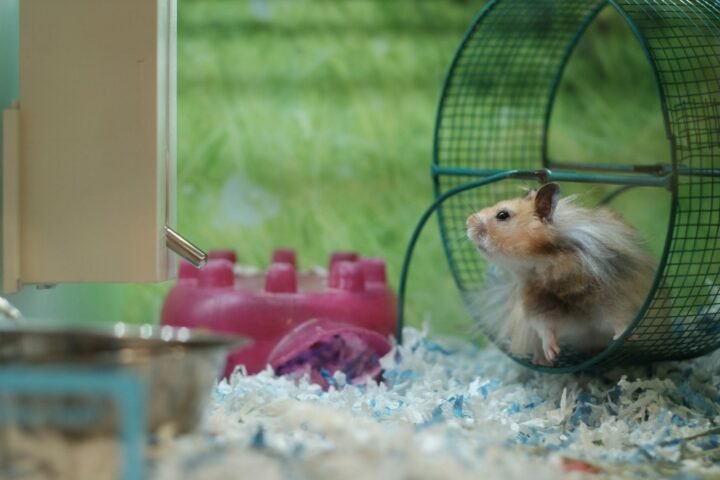
The hamster should run without a sharply arched back. Avoid mesh running surfaces that can catch feet.
4. Sand bath
Species-appropriate sand supports grooming and digging. Use suitable bathing sand rather than dusty powder.
5. Cardboard tunnels
Cheap, replaceable tunnels support exploration and chewing without adding heavy clutter.
6. Safe chew materials
Untreated safe wood, cardboard and appropriate gnawing items provide outlets for normal chewing.
7. Foraging opportunities
Scatter some dry food or hide it around the enclosure. The RSPCA encourages scatter and hidden feeding to support natural foraging.
What to skip
Fluffy cotton nesting material, wire floors, tiny tubes the hamster can become stuck in and exercise balls are poor choices.
For enclosure selection, see our hamster enclosure guide. For DIY options, continue with safe DIY hamster habitat ideas.


0 comments