PetsFilled Us
You Are Reading
11 DIY Hamster Habitat Ideas: Create a Cozy Home for Your Pet
0
Hamster

11 DIY Hamster Habitat Ideas: Create a Cozy Home for Your Pet

11 DIY Hamster Habitat Ideas: Create a Cozy Home for Your Pet

🔄 Updated: This guide was last reviewed on January 6, 2026 for accuracy.

11 DIY Hamster Habitat Ideas: Create a Cozy Home for Your Pet – I’ve been keeping hamsters for over a decade, and let me tell you – the moment I switched from store-bought cages to DIY habitats was a game-changer. Watching my little Syrian hamster, Hazel, explore her custom-built home for the first time showed me just how much difference the right environment makes.

Hamsters aren’t just simple pets; they’re complex little creatures with natural burrowing instincts, a need for exploration, and surprisingly specific preferences. I’ve learned this through trial and error, through nights spent watching their behaviors, and through consulting with exotic pet veterinarians.

At PetsFilled.us, we’ve helped thousands of hamster owners create better homes for their pets. Whether you’re a beginner with your first hamster or a seasoned owner looking to level up your setup, these 11 DIY ideas come from real experience and hands-on testing.

Gathering Essential Materials for a DIY Hamster Habitat

Let’s start with the basics – and I speak from experience when I say that good materials make all the difference. Early on, I made the mistake of using pine bedding (more on that later) and learned the hard way why material choice matters.

11 DIY Hamster Habitat Ideas: Create a Cozy Home for Your Pet

Here’s what I’ve learned about materials through years of building habitats:

– **Size matters more than you think**: The 650 square inch minimum isn’t just a suggestion – I’ve seen the difference in hamster behavior between cramped and spacious environments. My current setup is actually 900 square inches because my dwarf hamster kept running out of space to burrow.

– **Base options that actually work**: I’ve tried them all. Plastic bins are affordable but need careful ventilation planning. Glass aquariums retain heat well but can get heavy. Wire cages offer great airflow but need solid platforms. Each has pros and cons I’ve experienced firsthand.

– **Bedding I trust**: After experimenting with everything from aspen to hemp to paper-based bedding, here’s my honest take: Paper bedding is safest for dwarf hamsters (less dust), while aspen works well for Syrians. I once tried a “softwood” bedding and learned quickly about respiratory risks.

– **Safe woods vs. dangerous ones**: This is crucial. Apple, aspen, and kiln-dried pine are safe. Cedar and regular pine are not – I learned this from a vet visit years ago. The phenols in those woods can cause serious respiratory issues.

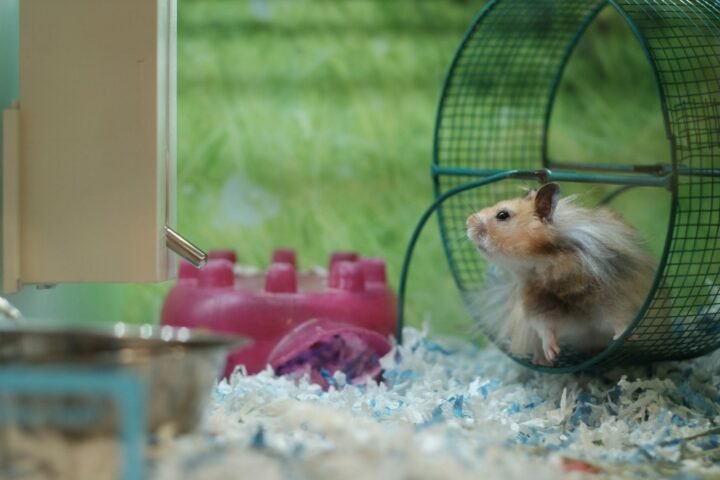
– **Water systems that don’t fail**: I’ve had water bottles leak, and bowls get filled with bedding. What works? A bottle with a metal spout, checked daily. Simple but effective.

For more detailed advice on choosing the right foundation, I wrote this based on my experiences: 7 Best Hamster Cages: A Comprehensive Guide to Choosing the Right Home.

Building a Multi-Level Hamster Cage for Extra Space

When my first hamster started climbing the bars of her cage constantly, I realized she needed more vertical space. Multi-level setups transformed her behavior completely – she went from restless to content almost overnight.

Here’s what I’ve learned about building safe levels:

– **Platform stability is non-negotiable**: I once made the mistake of using flimsy cardboard for a platform. It collapsed overnight – thankfully, while my hamster was elsewhere. Now I use untreated plywood or thick acrylic, secured with metal brackets.

– **Safe climbing options**: Ramps need texture for grip. I add a thin layer of safe glue and sprinkle sand on it for traction. Steep ramps are dangerous – I keep mine at a gentle incline.

– **Connecting levels properly**: Tubes need to be wide enough. Syrian hamsters can get stuck in tubes meant for dwarves. I learned this when my Syrian hamster got halfway through a tube and had to be carefully helped out.

– **The escape-proof test**: Before adding my hamster, I do what I call the “wiggle test” – I push and pull on every connection point. If it moves, it needs reinforcement.

For breeds that particularly love climbing, check out: 6 Unique Hamster Breeds You Should Consider for Your Family.

Incorporating Natural Elements for a Safe and Stimulating Environment

This is my favorite part of habitat building. Watching a hamster interact with natural elements shows you their true instincts. But I’ve also learned there’s a right and wrong way to do this.

– **Safe plants I’ve successfully grown**: Wheatgrass is a winner – easy to grow in shallow trays. Spider plants are safe but need to be organic. I tried growing mint once – the smell was too strong for my hamster. Lesson learned.

– **Wood preparation matters**: Never use wood straight from outdoors. I bake branches at 200°F for 2 hours to kill any parasites or mold. This step is critical – I learned after a bout of mites years ago.

– **The sand bath revelation**: Not all hamsters use them, but for those that do, it’s beautiful to watch. I use children’s play sand baked to sterilize it. Chinchilla sand works too, but it is more expensive.

– **Rocks and stones**: Smooth river rocks add texture. I boil them first. Avoid anything sharp-edged – I once had a hamster get a tiny cut from a rough stone.

For a complete safety checklist I’ve developed over the years: How to Choose the Best Bedding and Toys for Your Hamster.

Designing Cozy Hideouts for Your Hamster’s Comfort

Hamsters are prey animals by nature, and good hideouts reduce stress significantly. I measure success by how quickly a new hamster starts using their hides.

– **Cardboard vs. wood**: Cardboard is great, but needs frequent replacement (they chew it). Wood lasts longer. Ceramic hides maintain temperature well – my hamsters choose them on warmer days.

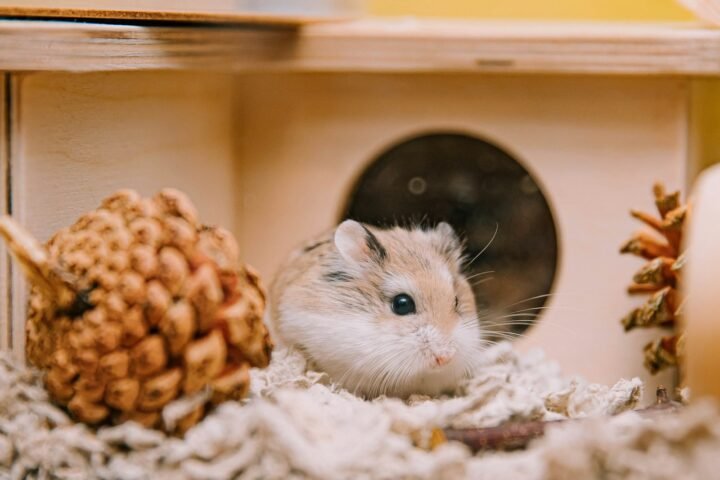
– **Multiple hides are essential**: I always include at least three hides – one near the food, one in a quiet corner, and one buried in bedding. This mimics their natural burrow systems.

– **The importance of dark spaces**: Hamsters need truly dark hiding spots. I learned this when I used a translucent plastic hide – my hamster kept trying to burrow under it instead of using it.

– **Fleece safety**: If you use fabric, monitor for chewing. Some hamsters will ingest fibers. I only use fleece with hamsters who don’t chew fabric.

Some of my favorite DIY projects come from here: Creative DIY Projects for Hamster Owners.

Personalizing Your Hamster’s Habitat for a Unique Touch

Here’s where creativity meets care. But personalization should always serve the hamster’s needs first.

– **Theme ideas that work**: I’ve done a desert theme with sand areas and smooth stones, and a forest theme with safe woods and planted grasses. The key is ensuring all elements are functional, not just decorative.

– **Rotation schedule**: I change out toys and rearrange elements weekly. This prevents boredom without causing stress. Too much change too often can be unsettling.

– **Observation is key**: I keep a small notebook by each habitat. Which toys get used? Where does he sleep? What paths does she take? This informs all my design decisions.

– **The “hamster test”**: Before finalizing any setup, I watch for stress signs: excessive chewing on bars, trying to escape constantly, or refusing to come out of their hides. These mean something needs changing.

For ongoing enrichment ideas: How to Enrich Your Hamster’s Life with DIY Accessories.

Final Thoughts on Creating a DIY Hamster Habitat

Building habitats has become more than a hobby for me – it’s a way to understand and respect these fascinating little creatures. The most rewarding moment is when you see your hamster engage with an element you created specifically for them.

I’ve made plenty of mistakes along the way – habitats that were too complex, materials that weren’t safe, designs that looked good but functioned poorly. Each mistake taught me something valuable about what hamsters truly need.

What matters most isn’t how elaborate the habitat looks, but how your hamster behaves in it. A happy hamster explores, burrows, plays, and rests comfortably. They show curiosity without constant stress. That’s the goal.

At PetsFilled.us, we’re committed to sharing knowledge gained through experience. We consult with exotic pet veterinarians, learn from hamster behavior specialists, and most importantly, listen to what thousands of hamster owners have discovered through their own journeys.

Whether you’re building your first simple bin cage or designing an elaborate naturalistic habitat, remember: your care and attention to detail make all the difference in your hamster’s quality of life.

For ongoing support and community advice: PetsFilled.us—where experienced pet owners share what actually works.

Leave a Reply

Your email address will not be published. Required fields are marked *

This site uses Akismet to reduce spam. Learn how your comment data is processed.