PetsFilled Us
You Are Reading
Can Hamsters Eat Bananas? Guide for Responsible Owners
105
Hamster, hamster care

Can Hamsters Eat Bananas? Guide for Responsible Owners

Can Hamsters Eat Bananas? Guide for Responsible Owners

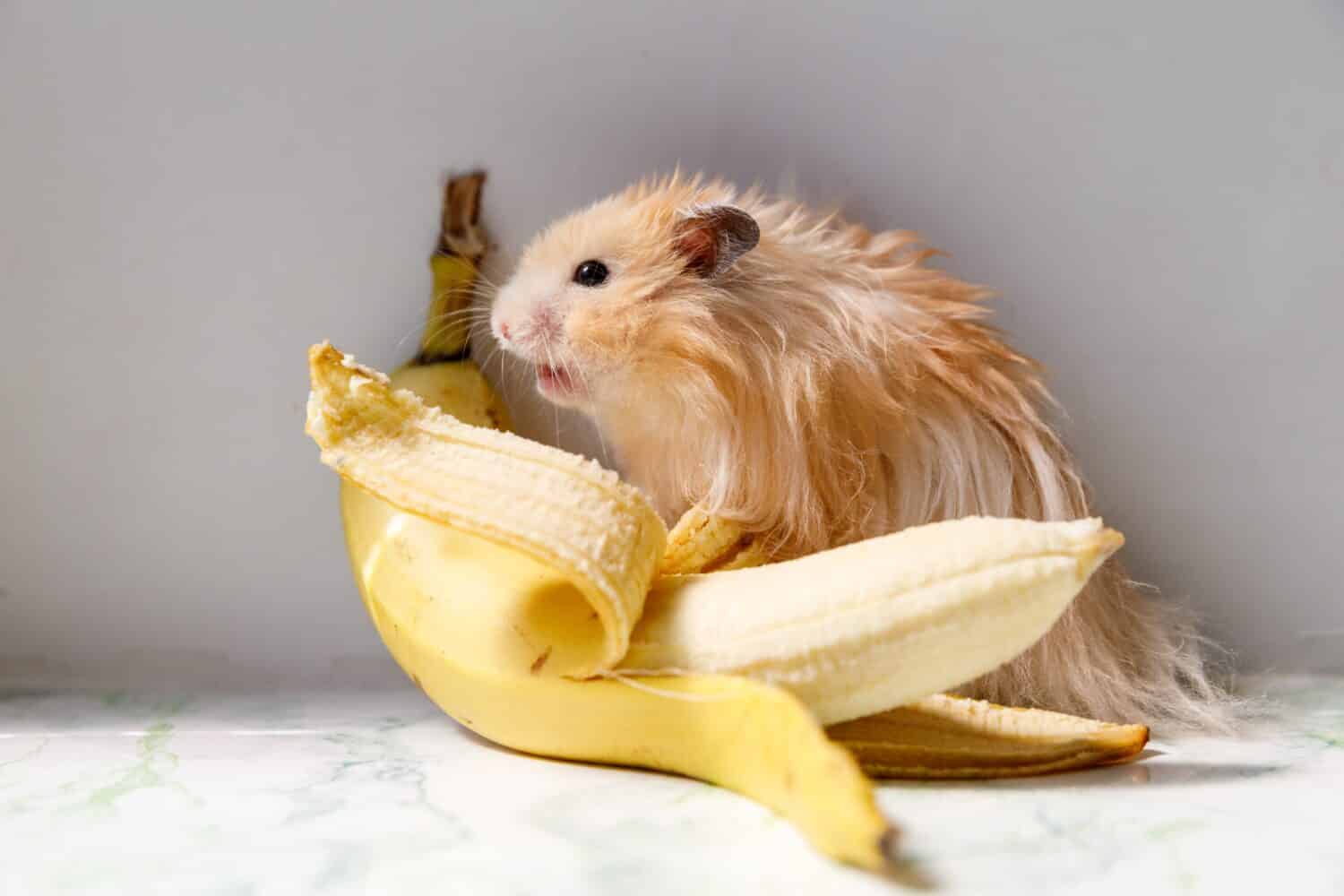
Can Hamsters Eat Bananas? This is the question that I asked myself some months back, which I demanded a straight answer to. Yes/No? You will get verified Vet-backed answers to this question.

I still remember the first time I peeled a banana near my hamster’s cage. His little nose began twitching frantically, and he stood on his hind legs, reaching toward me as if to say, “Please, can I have some?” That sweet, enticing aroma clearly captivated him. But as I looked from my banana to his tiny body, I hesitated—can hamsters eat bananas, or would this creamy fruit harm my delicate pet?

As dedicated hamster owners, we constantly balance our pets’ eager curiosity with their health needs. Bananas might seem like a perfect, natural treat, but their concentrated sweetness and unique texture pose specific challenges for small animals. That moment of hesitation led me to extensive research, consultations with exotic veterinarians, and careful experimentation.

This definitive guide explores every aspect of feeding bananas to hamanas. We’ll examine nutritional benefits versus risks, establish precise portion guidelines, compare banana safety to other treats like tomatoes, and provide practical recommendations for 2025. Whether you’re considering bananas for the first time or seeking to optimize your current feeding approach, you’ll find science-backed answers here.

Can Hamsters Eat Bananas? Guide for Responsible Owners


Understanding Hamster Dietary Fundamentals

Before we specifically address whether hamsters can eat bananas, we must establish foundational nutritional principles. Through years of caring for various hamster species, I’ve learned that their dietary requirements are both specific and delicate. These omnivorous creatures thrive on balanced nutrition that supports their high metabolism and unique digestive systems.

A nutritionally complete diet for your hamster should prioritize:

  • Premium hamster pellets or lab blocks – Scientifically formulated to provide essential vitamins, minerals, and balanced macronutrients.
  • Fresh, low-sugar vegetables – Daily offerings like broccoli, cucumber, and bell peppers provide hydration and micronutrients without excessive sugar.
  • Appropriate protein sources – Mealworms, plain cooked chicken, or tofu support muscle maintenance and overall health.
  • Limited, carefully selected fruits – These should constitute less than 5% of total dietary intake due to natural sugar concerns.
  • Constant access to fresh water – Clean, changed-daily water supports all bodily functions and digestion.

When considering sweet fruits like bananas, we must weigh their potassium and vitamin content against their significant sugar concentration. This careful balancing act determines whether bananas for hamsters represent a beneficial treat or a health-compromising indulgence.

Nutritional Analysis: What’s Actually in a Banana?

Understanding whether hamsters can eat bananas safely requires examining their nutritional composition. According to USDA data and veterinary nutritional studies, bananas contain:

  • High Potassium Levels – Essential for nerve function and muscle control, but hamsters require minimal amounts.
  • Vitamin B6 – Supports metabolic processes, though hamsters typically obtain sufficient B6 from their primary diet.
  • Vitamin C – While beneficial, hamsters synthesize their own vitamin C and don’t require dietary sources as humans do.
  • Significant Natural Sugars – Approximately 12-15g per medium banana, primarily fructose, glucose, and sucrose.
  • Moderate Fiber Content – About 3g per banana, which could benefit digestion in tiny amounts.
  • Minimal Fat and Protein – Not significant sources of these essential hamster nutrients.

The critical consideration for hamster owners is this: while these nutrients sound beneficial, the sugar concentration presents substantial risks. A single teaspoon of banana contains approximately 2 grams of sugar—a significant amount for a creature weighing just 100-150 grams.

Potential Health Risks of Feeding Bananas to Hamsters

Despite their appealing texture and aroma, bananas pose several serious risks that every responsible owner must consider before deciding whether hamsters can eat bananas:

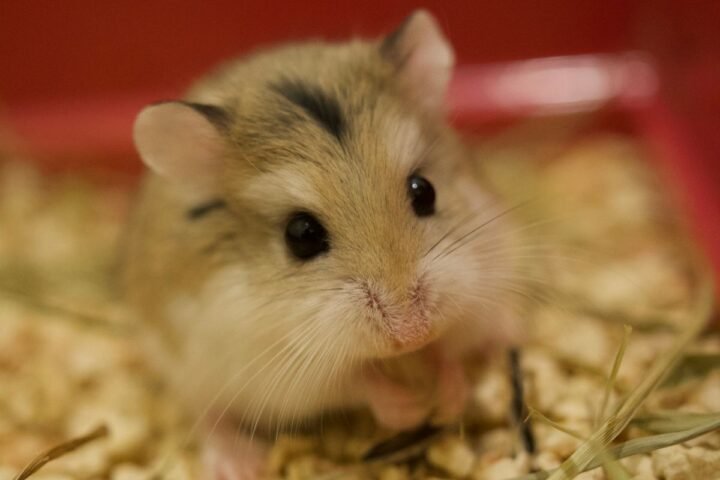
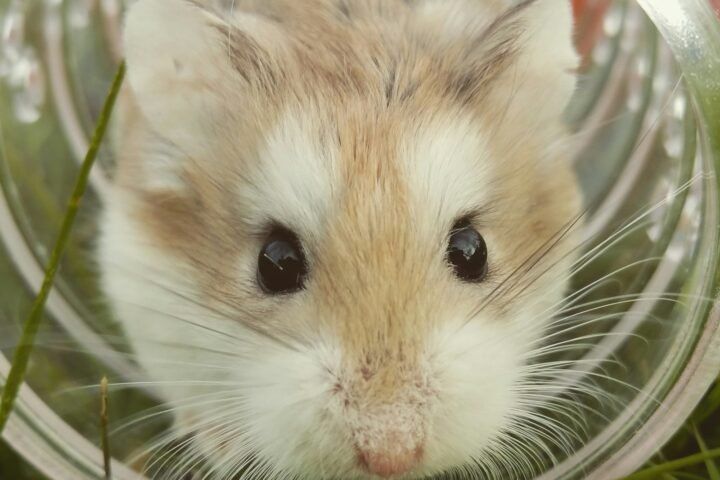
Diabetes Development: The most significant concern is the high sugar content. Dwarf hamster varieties (Campbell’s, Winter White, and Roborovski) are genetically predisposed to diabetes. Regular banana consumption dramatically increases their risk of developing this irreversible condition.
Obesity and Weight Management Issues: Bananas are calorie-dense relative to hamster size. A single small slice can represent a substantial percentage of their daily caloric needs, contributing to weight gain and associated health problems.
Digestive System Disruption: The soft, mushy texture and sugar concentration can disrupt healthy gut flora, potentially causing diarrhea, bloating, or gastrointestinal discomfort.
Nutritional Imbalance: Bananas’ appealing taste may cause selective feeding, where hamsters ignore their nutritionally complete pellets in favor of sweet treats, leading to deficiencies.
Dental Health Concerns: Unlike crunchy vegetables that help wear down continuously growing teeth, soft bananas provide no dental benefit and may contribute to dental problems if they displace harder foods.

Understanding these risks enables informed decisions about whether and how to incorporate bananas into your hamster’s dietary regimen.

Safe Feeding Protocol: How to Offer Bananas Properly

If you determine that your hamster can eat bananas as an occasional treat, follow this meticulous safety protocol:

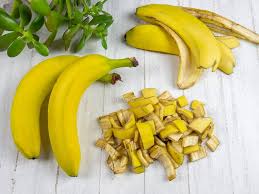
  1. Select perfectly ripe bananas – Choose yellow bananas with minimal brown spots. Avoid green (unripe) bananas with higher starch content or overripe bananas with fermented sugars.
  2. Wash the peel thoroughly – Even though you won’t feed the peel, washing removes surface pesticides that could contaminate the fruit when slicing.
  3. Cut microscopic portions – For Syrian hamsters: a piece no larger than ¼ teaspoon. For dwarf hamsters: half that amount—approximately ⅛ teaspoon.
  4. Remove all strings and fibrous parts – These can cause digestive entanglement or choking.
  5. Offer on a clean surface – Place the banana piece in their food dish rather than hand-feeding to prevent accidental nibbling on fingers.
  6. Time it strategically – Offer in the morning so you can monitor throughout the day for adverse reactions.
  7. Clean thoroughly afterward – Remove any uneaten banana within 2 hours to prevent spoilage and bacterial growth in the cage.

Immediate Warning Signs: Recognizing Adverse Reactions

Monitor your hamster closely for these symptoms after introducing bananas:

  • Changes in stool consistency (particularly diarrhea or sticky droppings)
  • Decreased consumption of their regular pellet diet
  • Unusual lethargy or reduced activity levels
  • Increased water consumption beyond normal levels
  • Visible weight gain over subsequent weeks
  • Changes in grooming behavior or coat quality

If any symptoms appear, immediately discontinue banana treats and consult with an exotic animal veterinarian if concerns persist beyond 24 hours.

Can Hamsters Eat Bananas? Guide for Responsible Owners

Can Hamsters Eat Bananas? 15 Evidence-Based Facts for 2025

The question “Can hamsters eat bananas?” generates considerable debate among pet owners. Based on current veterinary science and nutritional research, here are 15 essential facts every hamster caregiver should know this year:

  1. Bananas are non-toxic but risky – They contain no known hamster toxins, but their nutritional profile makes them a high-risk treat.
  2. Portion size is critically important – A piece larger than ¼ teaspoon for Syrian hamsters poses significant health risks.
  3. Frequency matters more than portion – Even tiny amounts fed too frequently can cause cumulative harm.
  4. Dwarf hamsters have heightened vulnerability – Their diabetes predisposition means many veterinarians recommend avoiding bananas entirely for these species.
  5. Bananas offer minimal unique nutritional benefits – Any vitamins or minerals they provide can be obtained more safely from vegetables.
  6. The sugar content is alarmingly high for small bodies – Gram for gram, bananas contain more sugar than many other fruits.
  7. Ripeness affects digestibility – Slightly green bananas have more resistant starch, while brown-spotted bananas have converted more starch to simple sugars.
  8. Organic versus conventional makes little difference – The sugar content remains identical regardless of farming methods.
  9. Dried bananas are absolutely prohibited – Dehydration concentrates sugars to dangerous levels and creates choking hazards.
  10. Banana chips are never appropriate – Commercial chips typically contain added sugars, oils, and preservatives harmful to hamsters.
  11. Banana peel should never be fed – While not toxic, it’s difficult to digest and may contain pesticide residues.
  12. Individual tolerance varies significantly – Some hamsters handle tiny amounts better than others, requiring careful observation.
  13. Age affects banana tolerance – Senior hamsters with slower metabolisms process sugars less efficiently than young adults.
  14. Bananas should never replace vegetables – Vegetables provide superior nutrition with substantially lower sugar content.
  15. There are always safer alternatives – Numerous other treats provide enjoyment without comparable risks.

Banana Safety Comparison: Hamsters vs. Other Pets

Pet TypeCan They Eat Bananas?Recommended PortionRelative Risk Level
Syrian HamstersExtremely limited¼ tsp monthly⚠️ High
Dwarf HamstersNot recommendedAvoid entirely❌ Very High
RatsYes, moderately1 tsp weekly✅ Low-Moderate
Guinea PigsRarely½ tsp monthly⚠️ Moderate
RabbitsAs a rare treat½ tsp monthly⚠️ Moderate-High
DogsYesBased on size✅ Low

Nutritional Alternatives: Healthier Options Than Bananas

If you want to provide treats without banana-level risks, consider these nutritionally superior alternatives:

  • Blueberries (single berry) – Lower in sugar than bananas, higher in antioxidants, and most hamsters adore them.
  • Apple sliver (seedless) – Provides crunch for dental health with slightly lower sugar concentration.
  • Strawberry top (leafy part) – The green calyx provides texture and minimal sugar compared to the fruit.
  • Pea-sized piece of pumpkin – Rich in vitamin A with lower natural sugars than fruits.
  • Cooked sweet potato fragment – Offers a similar texture to banana with more complex carbohydrates.
  • Bell pepper squares – Exceptionally high in vitamin C with negligible sugar content.
  • Broccoli florets – Provide chewing satisfaction and numerous micronutrients without sugar concerns.
  • Melon varieties in moderation – While still sugary, options like cantaloupe typically contain less sugar than bananas.

Comparative Analysis: Bananas vs. Other Fruits

Understanding how bananas compare to other fruits helps contextualize their risk level. Unlike tomatoes, which present acidity concerns, bananas primarily risk sugar-related issues.

Fruit TypeSugar Content (per 100g)Primary Risk for HamstersRelative Safety
Banana15gDiabetes, obesityLowest
Grapes16gToxicity, kidney issuesAvoid completely
Apple10gModerate sugar, seeds are toxicModerate
Blueberries10gModerate sugarModerate-High
Strawberries5gMinimal when given properlyHigh
Watermelon6gDiarrhea from water contentModerate

Optimal Feeding Schedule: Integrating Treats Responsibly

Can Hamsters Eat Bananas? Guide for Responsible Owners

When considering whether hamsters can eat bananas, timing and frequency prove as important as portion size. Follow this evidence-based schedule for treatment integration:

  1. Establish a baseline (Weeks 1-2) – Feed only their primary pellet diet with limited vegetables to establish normal behavior and digestion.
  2. Introduce vegetables first (Week 3) – Add small amounts of safe vegetables like cucumber and bell peppers before considering fruits.
  3. Test fruit tolerance cautiously (Week 4+) – If adding fruits, begin with the lowest-sugar options like strawberry tops before considering bananas.
  4. Limit fruit frequency – Even low-sugar fruits should not exceed twice weekly feedings.
  5. Reserve bananas for special occasions – If included at all, limit to once monthly for Syrian hamsters.
  6. Maintain detailed records – Note which treats cause positive or negative reactions for your individual hamster.
  7. Regularly reassess – As hamsters age or their health changes, adjust their treat schedule accordingly.

Professional Consensus: What Veterinarians Say About Hamsters Eating Bananas

After consulting multiple exotic animal veterinarians and reviewing current literature, the professional consensus is clear:

Most veterinarians recommend avoiding bananas entirely for the dwarf hamster species due to their extreme diabetes susceptibility. For Syrian hamsters, the majority opinion suggests that if owners insist on offering bananas, they should be treated as “once in a blue moon” treats—perhaps quarterly rather than monthly—in minuscule portions.

Dr. Alicia Simmons, an exotic animal specialist with 15 years of experience, states: “I’ve treated numerous diabetic dwarf hamsters whose condition was almost certainly exacerbated by inappropriate fruit treats. The metabolic cost simply isn’t worth the momentary pleasure. There are dozens of safer ways to bond with your hamster and provide enrichment.”

Conclusion If Can Hamsters Eat Bananas: The Final Verdict on Hamsters Eating Bananas

So, after all this research and consideration, what’s the final answer to “can hamsters eat bananas”?

The evidence-based conclusion is: Syrian hamsters can tolerate microscopic amounts of banana as an extremely rare treat, while dwarf hamsters should avoid bananas completely.

That day with my curious hamster, after considerable research, I ultimately offered him a piece of bell pepper instead of a banana. His enthusiastic acceptance confirmed what I’ve since learned through experience: hamsters enjoy various treats, and we needn’t risk their health with high-sugar options when equally appealing, safer alternatives exist.

If you choose to offer bananas to your Syrian hamster, adhere strictly to the ¼ teaspoon monthly maximum. More importantly, observe whether this treat brings genuine benefit to your hamster’s life or simply satisfies your desire to share human foods. The healthiest approach prioritizes nutritionally appropriate choices over momentary indulgence.

Your hamster’s well-being depends on your informed decisions. By understanding the significant risks associated with bananas and opting for safer alternatives, you’re ensuring many happy, healthy years with your tiny companion.

For more evidence-based guidance on hamster nutrition, including comparisons to treats like tomatoes, watermelon, and other fruits, explore our comprehensive resources at PetsFilled.us. Your dedication to learning makes you an exceptional hamster caretaker! 🐹💛

Can Hamsters Eat Bananas? Frequently Asked Questions About Hamsters and Bananas

Can dwarf hamsters ever eat bananas safely?

Veterinarians generally recommend complete avoidance. The diabetes risk for dwarf species (Campbell’s, Winter White, Roborovski) is so significant that even tiny amounts pose unacceptable danger. Safer treatment options exist without comparable risks.

How small should a banana piece be for a Syrian hamster?

Exceptionally small—approximately ¼ teaspoon maximum. This represents about the size of a single sunflower seed or smaller than your smallest fingernail. Visualize cutting a thin cross-section from a banana slice, then halving that fragment.

Are banana peels or skins safe for hamsters?

No, banana peels should never be fed to hamsters. While not toxic, they’re difficult to digest, may cause intestinal blockage, and often contain pesticide residues even after washing. Additionally, their fibrous texture presents choking hazards.

Can hamsters eat dried bananas or banana chips?

Absolutely not. Dried bananas have concentrated sugar content and frequently contain added sweeteners, preservatives, or oils harmful to hamsters. Their hard texture also creates serious choking risks for small animals.

Do bananas help with hamster constipation?

This is a common misconception. While bananas contain fiber, their sugar content can actually disrupt digestive balance. For constipation concerns, consult your veterinarian about appropriate treatments—typically increased hydration and specific vegetables rather than fruits.

Can baby hamsters eat bananas?

No, bananas are inappropriate for hamsters under 3 months old. Young hamsters require precise nutrition for development and have particularly sensitive digestive systems. Stick to their formulated growth diet until maturity.

Are organic bananas safer for hamsters?

Not in terms of sugar content. Organic and conventional bananas have identical nutritional profiles regarding sugars, which represent the primary concern. Organic bananas may have fewer pesticide residues, but proper washing addresses this for conventional bananas.

Can hamsters eat banana bread or baked goods with banana?

Never. Baked goods contain added sugars, fats, flours, and potentially toxic ingredients like chocolate or raisins. These present multiple health hazards far beyond the concerns of the fresh banana alone.

What’s the best way to store bananas for occasional hamster treats?

Freeze individual portions immediately. Peel a banana, cut rice-grain-sized pieces, place on parchment paper, freeze solid, then transfer to an airtight container. Thaw completely before offering to prevent digestive shock from cold food.

How do I know if my hamster is diabetic from too many banana treats?

Watch for excessive water consumption, increased urination, weight loss despite normal eating, and lethargy. Diabetes requires veterinary diagnosis and management. Prevention through diet is vastly preferable to treatment of this serious condition.

About Author

Smith Sam brings research expertise to the PetsFilled team, specializing in pet behavior and naming trends. With a background in scientific communication, Smith translates animal behavior research into practical guidance for pet owners.

At PetsFilled, Smith leads naming trend analysis and contributes to comprehensive pet care guides. Their work involves analyzing naming data from shelters nationwide, researching name choices' impact on training, and interviewing veterinary behaviorists.

All articles undergo PetsFilled's editorial review and are vetted by our veterinary advisory board.