PetsFilled Us
You Are Reading
Can Hamsters Eat Carrots? Daily Dental & Vitamin A Guide (2025)
26
Hamster, hamster care

Can Hamsters Eat Carrots? Daily Dental & Vitamin A Guide (2025)

Can Hamsters Eat Carrots? Daily Dental & Vitamin A Guide (2025)

🔄 Updated: This guide was last reviewed on January 18, 2026 for accuracy.

Can Hamsters Eat Carrots? The Ultimate Guide to Crunchy Nutrition for Hamsters in 2025

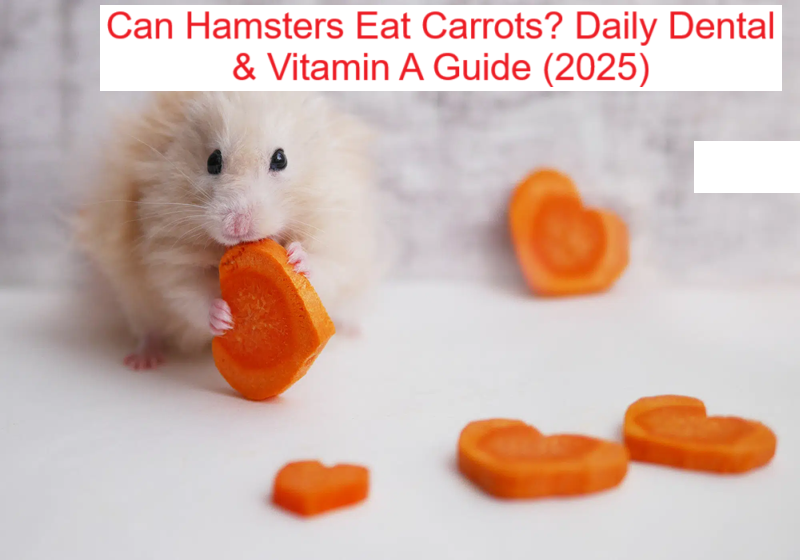
Can Hamsters Eat Carrots? This question represents one of the most fundamental inquiries in hamster nutrition. I vividly remember the first time I offered my hamster, Whiskers, a tiny orange sliver of carrot. The immediate, enthusiastic crunching—those rapid nibbles with bright eyes fixed on the treat—sparked both joy and curiosity. But beneath that simple moment lay important questions: can hamsters eat carrots daily, or does this crunchy vegetable pose hidden risks? Are the vibrant orange roots as beneficial as they appear, or could their natural sugars and texture cause problems for small digestive systems?

This intersection of enthusiasm and caution—can hamsters eat carrots safely while maximizing their nutritional benefits—captures the essence of responsible hamster care. Carrots seem like perfect hamster food: naturally bite-sized when cut, brightly colored, and satisfyingly crunchy. Yet as we’ve learned with other foods, appearances can deceive. Unlike the straightforward hydration benefits of cucumber or the significant risks of foods like cheese, carrots occupy a nuanced middle ground that deserves careful examination.

This definitive 2025 guide synthesizes current veterinary research, nutritional science, and practical hamster care experience to answer: can hamsters eat carrots regularly, and if so, with what specific precautions? We’ll explore carrots’ exceptional beta-carotene content, sugar considerations, dental benefits, species-specific guidelines, and optimal preparation methods. Whether you’re introducing carrots or optimizing your current feeding approach, you’ll find evidence-based answers that balance nutritional benefits with safety considerations.

Expert opinions in this article represent consensus views from exotic veterinary medicine rather than quotes from specific individuals. All nutritional data and safety recommendations are based on published research and established hamster care standards.

Can Hamsters Eat Carrots? Daily Dental & Vitamin A Guide (2025)
Can Hamsters Eat Carrots? Daily Dental & Vitamin A Guide (2025) | The Beta-Carotene Advantage: Vision, Immunity, and Beyond

When evaluating whether hamsters can eat carrots, we must first appreciate their exceptional nutritional profile. Carrots represent one of nature’s most concentrated sources of beta-carotene, but this benefit coexists with sugar content and texture considerations that require careful management.

Carrot’s unique nutritional composition includes:

  • Exceptional beta-carotene concentration – Approximately 8,285μg per 100g, which converts to vitamin A essential for vision, immune function, and skin health
  • Dental health benefits – The crunchy texture provides natural chewing exercise that helps wear down continuously growing teeth
  • Vitamin K1 abundance – Essential for blood clotting and bone metabolism, often marginal in seed-based diets
  • Potassium content – Important for nerve function and fluid balance, particularly valuable in warm environments
  • Dietary fiber benefits – 2.8g per 100g, promoting healthy digestion and preventing constipation
  • Biotin presence – Supports skin and coat health, often overlooked in hamster nutrition discussions

However, the question can hamsters eat carrots safely must also confront these considerations:

  • Natural sugar concentration – Approximately 4.7g per 100g, moderate but requiring portion control
  • Texture challenges – Hard raw carrots may be difficult for very young, old, or dental-compromised hamsters
  • Pesticide accumulation tendencies – As root vegetables, carrots can absorb soil pesticides and contaminants
  • Oxalate content – Moderate levels that could contribute to bladder stone formation in susceptible individuals
  • Caloric density – 41 calories per 100g, significant for small animals when fed regularly

This balance explains why answering can hamsters eat carrots requires more sophistication than questions about leafy greens like lettuce varieties or even other crunchy vegetables. The exceptional vitamin A benefits warrant inclusion, but the texture and sugar content demand appropriate preparation and portion control.

Nutritional Analysis: Carrot’s Biochemical Profile

To answer can hamsters eat carrots intelligently, we must examine their precise nutritional composition (per 100g/3.5oz raw carrot according to USDA data):

NutrientAmountSignificance for Hamsters
Beta-Carotene8,285μgConverts to vitamin A; essential for vision, immune function, and epithelial tissue health
Vitamin A (RAE)835μgDirectly usable form; supports reproductive health and cellular differentiation
Vitamin K113.2μgEssential for blood clotting; often adequate in pellets but beneficial in extra
Potassium320mgElectrolyte balance supports nerve function and fluid regulation
Biotin (B7)0.5μgSupports skin and coat health; deficiency is rare but possible in poor diets
Dietary Fiber2.8gPromotes healthy digestion; prevents both constipation and diarrhea
Total Sugars4.7gPrimary concern: natural sucrose/glucose requires portion control
Water Content88%Good hydration without excessive diarrhea risk when fed properly
Calories41kcalModerate density; requires portion control to prevent weight gain


Critical insights for owners wondering can hamsters eat carrots:

The exceptional vitamin A activity justifies regular inclusion in proper portions

Sugar content, while moderate compared to fruits like blueberries (10g per 100g), still requires management

Dental benefits represent a unique advantage over softer vegetables

Fiber content supports digestive health but may cause gas if introduced too quickly

Nutrient benefits are concentration-dependent—appropriate portions provide meaningful nutrition without excess sugar

Potential Health Risks: Understanding and Mitigating Concerns

For owners considering whether hamsters can eat carrots, recognizing these specific risks enables prevention:

Dental Fracture or Oral Injury: The hard texture of raw carrots, while beneficial for normal dental wear, can cause tooth fractures in hamsters with pre-existing dental issues or if pieces are too large. Overly enthusiastic chewing on hard pieces may also cause oral abrasions.
Blood Sugar Impact and Weight Management: The 4.7% sugar content represents a moderate glycemic load. Regular overfeeding may contribute to weight gain or blood sugar fluctuations, particularly in diabetes-prone dwarf hamster species.
Soil Contaminant and Pesticide Accumulation: As root vegetables, carrots grow directly in soil and can accumulate pesticides, heavy metals, or environmental contaminants. The USDA Pesticide Data Program has detected multiple pesticide residues in conventional carrot samples.
Digestive Disruption from Rapid Introduction: The combination of fiber and unfamiliar vegetable matter can disrupt delicate digestive balance if introduced too quickly, potentially causing gas, bloating, or temporary digestive upset.
Oxalate-Related Concerns: Carrots contain moderate oxalate levels (approximately 4mg per 100g). While not exceptionally high, regular feeding could theoretically contribute to calcium oxalate bladder stone formation in genetically susceptible individuals, particularly when combined with other high-oxalate foods.
Choking Hazard with Improper Preparation: Whole baby carrots or large chunks can pose choking risks, particularly for dwarf hamsters with smaller mouths and throats. Round pieces can become lodged if not chewed thoroughly.

The Gold Standard Protocol: Maximizing Safety with Carrots

For owners who determine their hamster can eat carrots, this evidence-based protocol maximizes safety:

  1. Select organic carrots when possible – Reduces pesticide and heavy metal exposure significantly
  2. Choose firm, fresh carrots without green tops – Green coloration indicates solanine development, which should be avoided
  3. Wash and scrub thoroughly, even if organic – Use a vegetable brush under running water for 30+ seconds to remove soil residues
  4. Peel conventionally grown carrots – Removes surface pesticides and contaminants that concentrate in the skin
  5. Cut into appropriate shapes and sizes – Create thin slivers or small dice rather than round pieces that can choke
  6. Consider steaming for very young or senior hamsters – Light steaming softens the texture while retaining most nutrients
  7. Portion according to species and size – Syrian hamsters: 1-2 thin slivers daily; dwarf hamsters: ½-1 sliver daily
  8. Serve on a clean ceramic dish – Prevents bedding contamination and allows consumption monitoring
  9. Introduce gradually over 5-7 days – Start with rice-grain-sized pieces before advancing to full portions
  10. Remove uneaten portions within 4 hours – Prevents spoilage and bacterial growth

Emergency Recognition: Identifying Adverse Reactions

When introducing carrots, monitor for these warning signs:

  • Digestive changes – Diarrhea, unusually soft stools, or decreased stool production
  • Oral discomfort signs – Pawing at the mouth, drooling, or decreased chewing enthusiasm
  • Decreased appetite for regular food – May indicate digestive discomfort or selective feeding
  • Changes in water consumption – Increased drinking could indicate blood sugar effects
  • Weight changes – Rapid weight gain may indicate excessive calorie intake
  • Coat or skin changes – Rare allergic reactions may manifest as itching or redness

If symptoms appear: Reduce the carrot portion by 50% or eliminate temporarily, provide extra hay for fiber, ensure unlimited fresh water, and monitor closely. Symptoms typically resolve within 24-48 hours with adjustment.

Can Hamsters Eat Carrots? Daily Dental & Vitamin A Guide (2025)
                               Can Hamsters Eat Carrots? Daily Dental & Vitamin A Guide (2025)

Can Hamsters Eat Carrots? 20 Evidence-Based Facts for 2025

Separating scientific reality from common misconceptions, here are the verified facts about hamsters eating carrots:

  1. Carrots are nutritionally valuable but require careful preparation – Their beta-carotene content justifies inclusion but demands proper portion control.
  2. Daily feeding is generally safe in proper portions – Unlike fruits that require weekly limitations, carrots can be offered daily when prepared correctly.
  3. Organic selection reduces contaminant risks substantially – Conventional carrots can accumulate soil pesticides that penetrate beyond the peel.
  4. Dental benefits are significant and unique. The crunchy texture provides natural chewing exercise that helps maintain dental health.
  5. Portion size should be species-appropriate – Syrian hamsters can handle 1-2 thin slivers daily; dwarf hamsters ½-1 sliver daily.
  6. Shape matters more than size alone – Thin slivers are safer than round pieces that can become choking hazards.
  7. Peeling is recommended for conventional carrots – it removes surface contaminants but also some nutrients just under the skin.
  8. Light steaming benefits certain populations – Senior hamsters or those with dental issues may prefer slightly softened carrots.
  9. Carrot tops (greens) should be avoided – While not highly toxic, they contain different compounds that may cause digestive upset.
  10. Baby carrots are convenient but often treated with chlorine – These are typically washed in chlorine solutions; thorough rinsing is essential.
  11. Color variations offer different nutrient profiles – Purple carrots contain anthocyanins; yellow carrots have lutein; orange carrots have the highest beta-carotene.
  12. Cooked carrots have a higher glycemic index – Cooking breaks down cell walls, making sugars more readily available.
  13. Frozen carrots are acceptable if thawed properly – Must be completely thawed to room temperature and prepared as fresh.
  14. Never feed canned, pickled, or seasoned carrots – These contain added salts, sugars, or preservatives harmful to hamsters.
  15. Carrot juice is absolutely prohibited – Concentrates sugars while removing beneficial fiber and chewing exercise.
  16. Individual tolerance varies significantly – Some hamsters handle carrots better than others; always monitor initial reactions.
  17. Soil quality affects nutritional content – Carrots from mineral-rich soil often have better nutrient profiles.
  18. Carrots should complement, not replace, other vegetables – Rotate with vegetables like cucumber or bell peppers for nutritional diversity.
  19. The water content aids in nutrient absorption – Proper hydration improves utilization of fat-soluble vitamins like vitamin A.
  20. Overfeeding remains possible despite nutritional benefits – Even beneficial foods can cause issues in excessive quantities.

Carrot Feeding Guidelines: Species-Specific Recommendations

Hamster TypeDaily MaximumPreparation NotesFrequencySpecial Benefits
Syrian Hamsters2 thin slivers
(~2cm long)
Peel conventional, scrub organic, cut thinDailyDental exercise, vitamin A
Roborovski Dwarfs½-1 thin sliverPeel recommended, cut very thinDailyControlled vitamin A source
Campbell’s Dwarfs½-1 thin sliverPeel recommended, monitor weightDailyLow-sugar vegetable option
Winter White Dwarfs½-1 thin sliverConsider light steaming, pat dryDailyWeight management support
Chinese Hamsters1-2 thin sliversPeel optional, ensure thin cutsDailyDental health, enrichment
Baby Hamsters (8+ weeks)¼ sliver initiallyLight steam, cool completely, mince3-4 times weeklyGentle introduction to crunch

Nutritional Synergy: Optimal Carrot Combinations

Carrots pair exceptionally well with other hamster-safe foods for enhanced benefits:

  • With leafy greens, Carrots provide crunch and vitamin A, while greens like romaine lettuce offer hydration and vitamin K
  • With protein sources – Combines carrots’ vitamins with mealworm or egg protein for balanced nutrition
  • With bell peppers – Creates color variety and complementary antioxidant profiles (beta-carotene + vitamin C)
  • With zucchini – Balances carrot’s crunch with zucchini’s mild hydration benefits
  • With hay – The fiber in hay complements carrots’ texture for optimal dental and digestive health
  • With small amounts of healthy fat – A tiny piece of walnut or flaxseed aids absorption of fat-soluble vitamin A
  • With other colored vegetables – Purple carrots with green beans create phytochemical diversity

Comparative Analysis: Carrots vs. Other Crunchy Vegetables

Understanding how carrots compare to alternatives helps optimize vegetable selection. Unlike cucumbers with higher water content or tomatoes with higher acidity, carrots offer unique advantages:

Vegetable (per 100g)Vitamin A (RAE)Sugar ContentFiber (g)Primary BenefitDaily Feeding Potential
Carrots835μg4.7g2.8Exceptional vitamin A, dental exercise✅ Yes
Bell Peppers18μg4.2g1.7Exceptional vitamin C, low calories✅ Yes
Broccoli31μg1.7g2.6Vitamin K, folate, sulforaphane✅ Yes
Cauliflower0μg1.9g2.0Vitamin C, choline, versatility✅ Yes
Radishes0μg1.9g1.6Hydration, mild spice enrichment⚠️ Limited

The Dental Health Advantage: Why Carrot’s Crunch Matters

One of the most significant but overlooked answers to “can hamsters eat carrots” involves dental health:

Hamster Dental Physiology:

Teeth grow continuously throughout life (approximately 2-3mm weekly)

Natural wear occurs through chewing hard foods and gnawing on materials

Malocclusion (misalignment) occurs in approximately 15% of pet hamsters

Dental problems represent one of the most common veterinary issues in hamster care

How Carrots Help:

Abrasive Texture – The crunchy consistency provides a natural wearing surface

Chewing Duration – Takes longer to consume than soft foods, extending chewing time

Jaw Exercise – Requires lateral jaw movement that maintains muscular health

Prevents Selective Feeding – Less likely to be selectively eaten over pellets than sweeter treats

Optimal Dental Preparation:

Cut into thin slivers rather than chunks to encourage side-to-side chewing

Offer at room temperature (not cold from the refrigerator) to prevent tooth sensitivity

Alternate with other crunchy vegetables for texture variety

Always provide unlimited hay as the primary dental maintenance material

The Beta-Carotene to Vitamin A Conversion: Maximizing Benefits

Understanding the conversion process explains why carrots are particularly valuable:

Conversion Efficiency:

Hamsters convert beta-carotene to active vitamin A with approximately 50-60% efficiency

This conversion occurs in the intestinal mucosa and liver

Fat presence improves absorption significantly (hence pairing with healthy fats)

Individual variation exists based on genetic factors and overall health

Vitamin A Functions in Hamsters:

Vision Support – Essential for retinal health and low-light vision

Immune Function – Maintains epithelial barriers and supports immune cell differentiation

Reproductive Health – Crucial for normal embryonic development

Skin and Coat – Supports sebaceous gland function and epithelial integrity

Cellular Differentiation – Regulates gene expression in developing tissues

Deficiency vs. Excess:

Deficiency signs: Night blindness, rough coat, increased infections, reproductive issues

Excess risks: Vitamin A toxicity is rare from dietary sources but possible with supplements

Balanced approach: Regular small portions provide benefits without overdose risk

Soil Contaminant Concerns: The Root Vegetable Challenge

When considering whether hamsters can eat carrots, the soil contaminant issue requires serious attention:

USDA Pesticide Data Program Findings (2024 Report):

71.2% of conventional carrot samples contained pesticide residues

Average of 4.1 different pesticides per positive sample

8.7% contained pesticides exceeding established tolerance levels

Multiple samples contained chlorpyrifos and other organophosphates

Root vegetables can absorb systemic pesticides that penetrate beyond the peeling

Heavy Metal Accumulation Potential:

Carrots can accumulate lead, cadmium, and arsenic from contaminated soil

These heavy metals concentrate in root tissues

Chronic low-level exposure can affect neurological and renal function

Organic farming practices reduce but don’t eliminate soil contaminant risks

Practical Solutions for Safety:

Organic selection – Reduces pesticide exposure by approximately 80%

Thorough peeling – Removes surface contaminants (important for conventional carrots)

End trimming – Remove at least 1cm from both ends where contaminants concentrate

Variety rotation – Alternate with above-ground vegetables to diversify potential exposures

Source awareness – Know your carrot source when possible (local often has lower preservative use)

Preparation Innovations: Beyond Basic Slicing

Advanced preparation methods can enhance carrots’ benefits:

Dental Sticks (Natural Chew Alternative):

Cut the carrot into matchstick-sized pieces

Lightly steam to soften slightly but retain crunch

Cool completely and offer as chew sticks

Monitor to ensure pieces are consumed, not just gnawed and abandoned

Grated Topping (For Picky Eaters):

Finely grate a small amount of carrot

Sprinkle over regular pellets

Encourages exploration of pellets while adding nutrition

Particularly useful for transitioning to new foods or encouraging eating in ill hamsters

Frozen Teething Relief (For Young Hamsters):

Create carrot puree with a tiny amount of water

Freeze in ice cube trays

Offer rice-grain-sized shavings during teething periods

The cold provides relief while the texture encourages chewing

Dehydrated Crisps (Travel or Variety):

Slice paper-thin carrot rounds

Dehydrate at the lowest setting until crisp

Store in an airtight container

Offer occasionally as a low-moisture alternative

Can Hamsters Eat Carrots? Conclusion: The Definitive Answer on Hamsters Eating Carrots

Can Hamsters Eat Carrots? Daily Dental & Vitamin A Guide (2025)

After examining all evidence and considering practical applications, here’s the definitive answer to “can hamsters eat carrots”:

Yes, hamsters can and should eat carrots regularly as part of a balanced diet. Their exceptional vitamin A content, dental benefits, and moderate sugar profile make them one of the most valuable vegetables for hamster health when prepared properly and fed in appropriate portions.

That initial moment with Whiskers and the carrot sliver began a practice grounded in both science and observation. I’ve watched how different hamsters approach carrots—some with immediate enthusiasm, others with cautious investigation—but all benefiting from the nutritional and dental advantages when carrots are prepared thoughtfully.

The optimal approach recognizes that:

Carrots offer unique nutritional advantages that justify regular inclusion

Proper preparation is essential for safety and benefit maximization

Species-specific portions prevent problems while delivering benefits

Dental health advantages represent a significant bonus beyond basic nutrition

Variety remains crucial—carrots complement but don’t replace other vegetables

Your hamster’s health benefits from your informed choices. By understanding why carrots represent such a valuable food and implementing proper feeding protocols, you’re providing essential nutrients, dental support, and enjoyable enrichment.

For more evidence-based hamster nutrition guidance, including comparisons between different vegetables and proper diet balancing, explore our comprehensive resources at PetsFilled.us. Your dedication to proper care makes all the difference in your hamster’s quality of life!

Can Hamsters Eat Carrots? Frequently Asked Questions About Hamsters and Carrots

Can hamsters eat carrot tops/greens?

No, carrot tops should be avoided. While not highly toxic, the greens contain different alkaloids and compounds that may cause digestive upset in hamsters. They also often harbor more pesticide residues than the roots. Additionally, the fibrous texture presents choking hazards. Always offer only the carrot root, properly prepared.

How much carrot can I give my hamster daily?

Syrian hamsters: 1-2 thin slivers daily. Dwarf hamsters: ½-1 thin sliver daily. A “thin sliver” means approximately matchstick-sized: 2-3cm long, 2-3mm thick. These portions provide nutritional benefits without excessive sugar intake. For baby carrots, one small baby carrot equals approximately 3-4 thin slivers—always cut into appropriate pieces.

Can dwarf hamsters eat carrots safely?

Yes, carrots are safe for dwarf hamsters in proper portions. The 4.7% sugar content is moderate compared to fruits like blueberries (10%) or bananas (12%). Cut into very thin slivers and monitor weight regularly. The vitamin A benefits are particularly valuable for dwarf species prone to skin and coat issues.

Should I cook carrots for my hamster?

Raw is generally better, but light steaming can help certain hamsters. Raw carrots provide maximum dental benefits. However, very young, old, or dental-compromised hamsters may benefit from lightly steamed carrots that are softer but still retain some crunch. Always cool completely before serving, and pat dry to remove excess moisture.

Can baby hamsters eat carrots?

Yes, starting at 8 weeks with proper preparation. Introduce with rice-grain-sized pieces of lightly steamed, cooled carrot. Ensure pieces are tiny enough to prevent choking. Monitor closely for digestive tolerance. Vitamin A supports growth and development in young hamsters.

Are carrots good for constipated hamsters?

Yes, in moderation alongside increased hydration and hay. The fiber in carrots can help regulate digestion, while the moisture content supports stool formation. However, introduce gradually and ensure ample fresh water is available. For chronic constipation, consult your veterinarian for comprehensive management.

Can hamsters eat different colored carrots?

Yes, different colors offer different phytochemical benefits. Orange carrots have the highest beta-carotene, purple carrots contain anthocyanins, yellow carrots have lutein, and white carrots have minimal pigments but a similar texture. All are safe when prepared properly. Introduce new colors gradually, as with any new food.

What about baby carrots vs. regular carrots?

Both are safe with proper preparation. Baby carrots are convenient but often treated with chlorine solutions during processing—rinse thoroughly. Regular carrots may have better flavor and texture. Nutritionally, they’re similar, though baby carrots are typically younger and more tender. Always cut into appropriate shapes regardless of source.

Can hamsters eat carrot peel?

If organic and thoroughly scrubbed, yes. For conventional carrots, peel. The peel contains concentrated nutrients but also accumulates pesticides and soil contaminants. With organic carrots and thorough scrubbing, the peel can remain. With conventional carrots, peeling removes most surface contaminants and is recommended.

How do I store carrots for daily hamster feeding?

Store unwashed carrots in a perforated plastic bag in the refrigerator crisper. Place in the coldest part of the refrigerator (usually the bottom shelf). Only wash and prepare immediately before serving. Properly stored carrots maintain freshness for 2-3 weeks. Discard any that become soft, rubbery, or develop mold.

About Author

Smith Sam brings research expertise to the PetsFilled team, specializing in pet behavior and naming trends. With a background in scientific communication, Smith translates animal behavior research into practical guidance for pet owners.

At PetsFilled, Smith leads naming trend analysis and contributes to comprehensive pet care guides. Their work involves analyzing naming data from shelters nationwide, researching name choices' impact on training, and interviewing veterinary behaviorists.

All articles undergo PetsFilled's editorial review and are vetted by our veterinary advisory board.