
Crate Training Progress Tracker
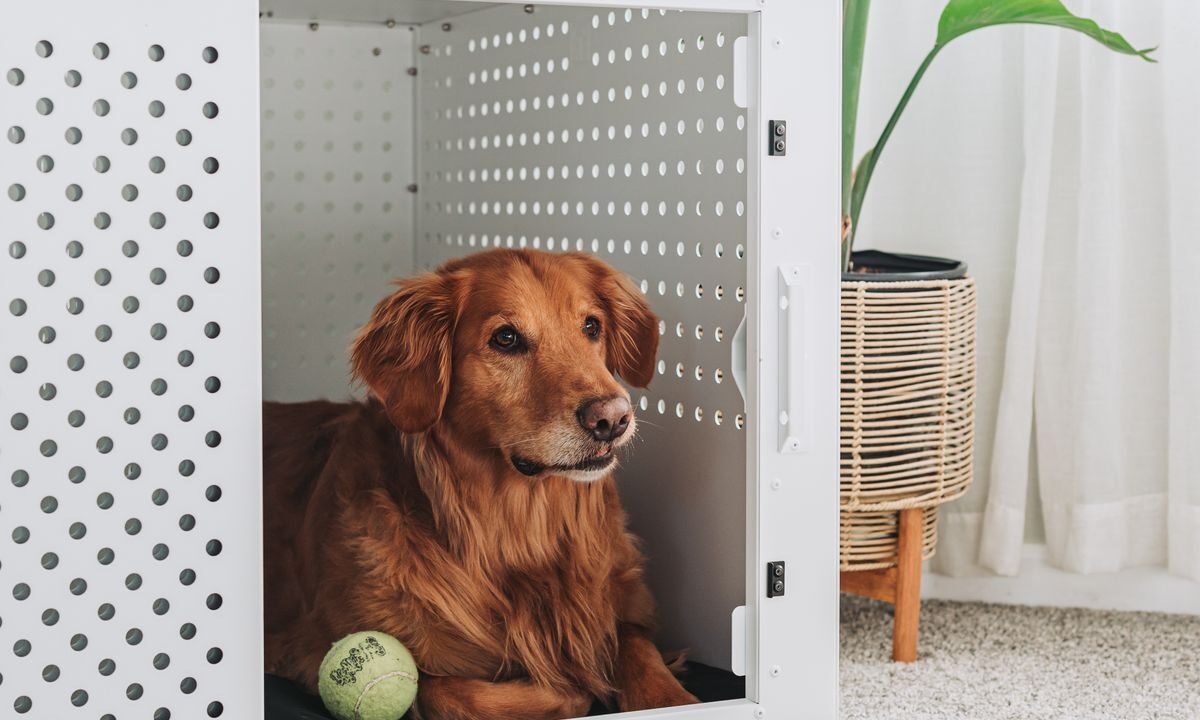
This tracker is built around voluntary progression rather than cry-it-out. It identifies the last comfortable stage and suggests the next small step without treating silence as proof that a dog is relaxed.
The RSPCA crate-training guidance recommends positive associations and gradual training. PetsFilled’s Crate Training guide explains the full sequence.
Crate Training Progress Tracker
Your answers are processed in your browser and are not sent to PetsFilled.
Comfort is the metric
Look for voluntary entry, soft body language, normal breathing, the ability to eat or rest, and calm recovery when released. Panting, drooling, frantic escape attempts or escalating panic mean the step is too difficult.
Crate training is not separation treatment
A dog can be comfortable in a crate while still panicking when left alone. If distress is primarily linked to departures, use PetsFilled’s Separation Anxiety guide instead of simply extending crate time.