
Safest Hamster Bedding: Deep, Low-Dust Materials That Support Burrowing
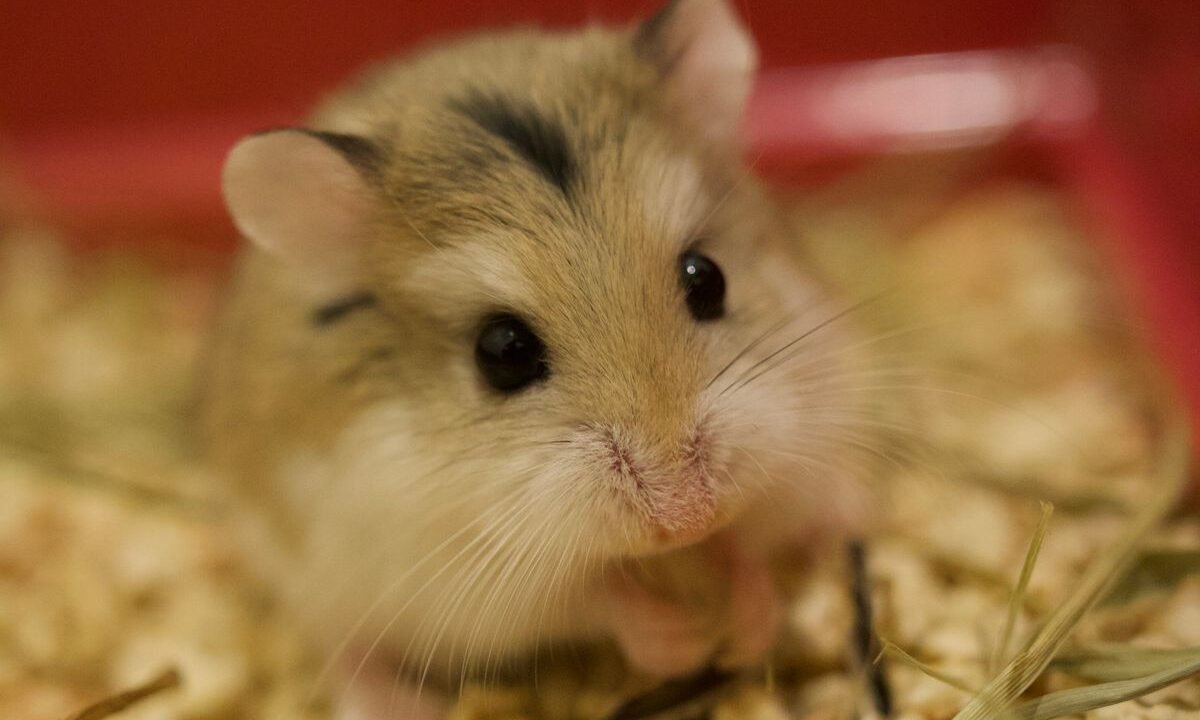
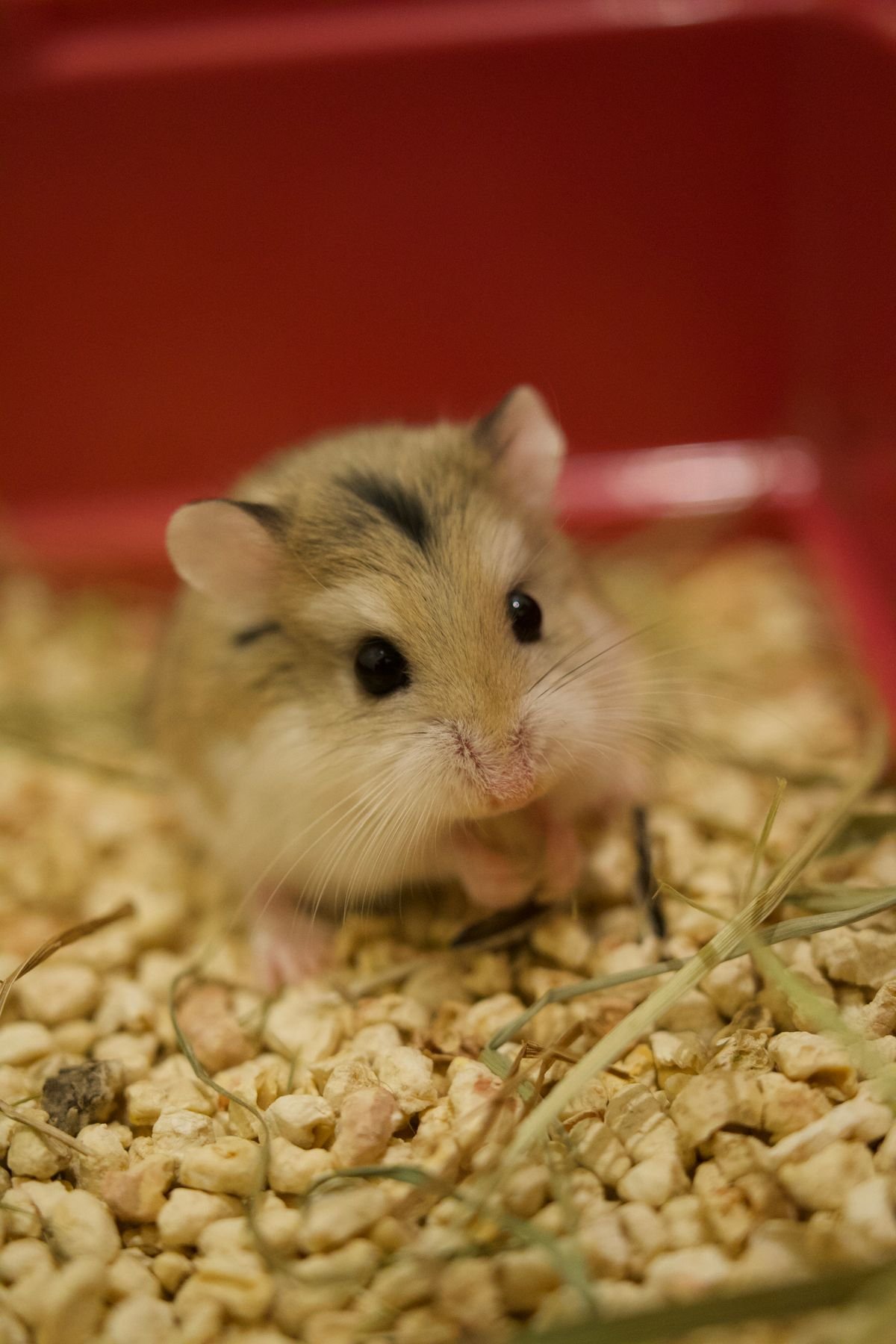
The safest hamster bedding has to do more than absorb urine. Hamsters are dedicated burrowers, so bedding should be deep enough to tunnel through, low in dust, free from strong fragrances and capable of holding some structure. Current welfare guidance increasingly favors deep paper-based bedding as a practical default, sometimes mixed with other safe materials for stability and texture.
Depth matters as much as the material
PDSA currently recommends a bedding depth of at least 25 cm (10 inches) so hamsters can build burrows. A technically safe substrate spread only a few centimeters deep still prevents one of the species’ most important natural behaviors.
Paper-based bedding is a strong all-round default
PDSA’s current hamster guidance lists paper-based bedding as safe on its own or in mixtures. Good paper bedding is usually soft, absorbent and easier to build stable burrows in than loose wood particles.
Unscented toilet tissue can be useful nesting material
PDSA includes plain inexpensive toilet paper as a nesting option, noting that it should be unscented. Tear it into manageable pieces and let the hamster arrange the nest rather than building a tightly packed nest for them.
Aspen can be used when it is genuinely low-dust
Blue Cross and PDSA both distinguish some safer wood products from generic dusty shavings. PDSA lists aspen, spruce and hemp as possible safe materials when they are dust-free, although it notes that they do not support burrows as well as paper on their own.
Mixing paper with a safe wood or hemp substrate can improve structure
If you use aspen, spruce or hemp, mixing it with paper bedding can help burrows hold their shape. Soft hay can also add structural support. The objective is not visual variety; it is creating material the hamster can manipulate without the tunnel collapsing immediately.
Most generic wood shavings and sawdust are a poor default
PDSA advises against generic wood shavings and sawdust because of dust and respiratory concerns. Blue Cross similarly says most wood shavings or sawdust should be avoided, while allowing aspen specifically. This is stricter than some older welfare guidance, which is why choosing a clearly labeled low-dust hamster-safe material is safer than assuming any bag of shavings is suitable.
Avoid scented bedding
A “fresh linen,” lavender or citrus fragrance may make the enclosure smell appealing to people but can irritate a hamster’s sensitive airways and overwhelms natural scent cues. PDSA specifically lists scented bedding among unsafe choices.
Never use fluffy cotton-style nesting material
RSPCA, Blue Cross and PDSA all warn against cotton wool, kapok and similar fluffy fiber bedding. Thin strands can wrap around legs, interfere with circulation or cause intestinal blockage if swallowed. Soft appearance is not evidence of safety.
Avoid shredded newspaper as the main bedding
PDSA advises against shredded newspaper because of concerns about ink. Plain animal-safe paper products are a better option. Newspaper can sometimes be used as a protected liner in other small-pet species, but hamsters need deep diggable material above any base layer.
Straw is too coarse for hamster bedding
The RSPCA warns that tough straw can injure hamster cheek pouches. Soft hay can be mixed into safe bedding for structure, but coarse straw is not the same product.
Soil can be an enrichment zone, not necessarily the whole enclosure
PDSA allows organic, fertilizer-free, chemical-free soil marked safe for pets as a natural substrate option. A dedicated dig box can provide texture and foraging opportunities without replacing the deep main bedding.
Keep part of the old clean bedding during routine cleans
Hamsters rely heavily on scent. The RSPCA advises transferring a small amount of unsoiled nesting material back after cleaning so the enclosure does not become completely unfamiliar. Do not preserve wet, moldy or heavily soiled material just for scent.
Spot-clean instead of destroying the whole burrow every day
Remove damp toilet areas, spoiled food and obviously contaminated material while leaving stable clean sections when possible. Constantly rebuilding the entire habitat can be stressful and prevents the hamster from maintaining a normal nest and food cache.
Check the lowest layers for trapped moisture
Deep bedding can look dry on top while urine accumulates near a favored toilet corner. During spot cleaning, inspect lower layers and remove damp substrate before odor becomes strong.
A large enclosure makes deep bedding easier to manage
Our published hamster enclosure guide explains why bedding depth, wheel size and ventilation need to be planned together. A shallow tray in a tiny cage cannot support deep burrowing no matter which bedding brand you buy.
Use the broader bedding guide for cross-species differences
Our small animal bedding guide compares hamsters, guinea pigs and rabbits. The key difference is that hamsters need an unusually deep, structurally useful substrate rather than simply a dry walking surface.
The safest bedding lets the hamster build a real home
For most households, deep unscented paper bedding is the easiest starting point. Safe low-dust aspen, spruce or hemp can add variety when mixed appropriately. Avoid dusty, scented and fluffy products, then give enough depth for the hamster to do the behavior the bedding is supposed to support: burrowing.
0 comments