What's in This Hamster Guide
Tip: Click any section to jump directly there.
Save for reference or share with pet sitters
🔄 Updated: This guide was last reviewed on January 3, 2026 for accuracy.
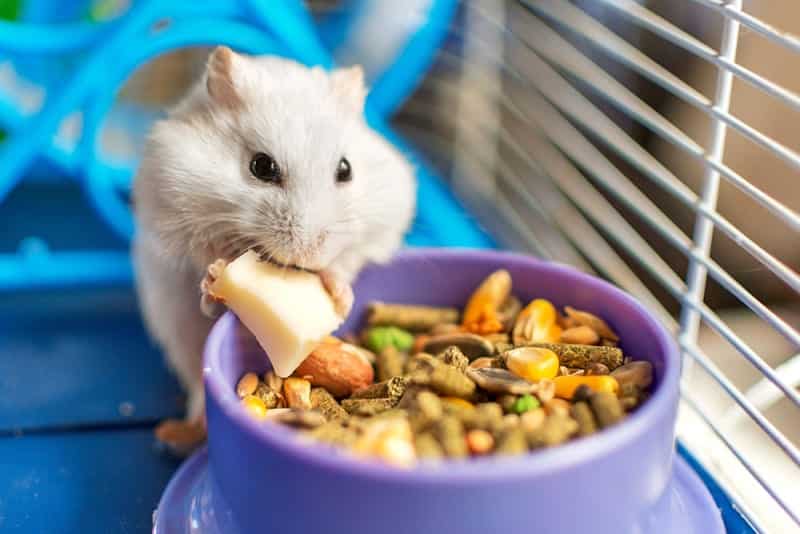
12 Delicious and Nutritious Foods for a Happy, Healthy Hamster (Your Furry Friend Will Thank You!) These are discussed in this article.
I’ve been caring for hamsters for over a decade now, and I can tell you from firsthand experience: what you feed these little guys makes all the difference. I still remember my first hamster, Whiskers, and how much I learned (sometimes the hard way) about proper hamster nutrition.
Getting your hamster’s diet right isn’t just about keeping them alive – it’s about helping them thrive. These tiny bundles of energy need specific nutrients to stay healthy, active, and live their best little lives. The right food can mean the difference between a hamster that just exists and one that’s genuinely vibrant.
At PetsFilled.us, we draw from years of hands-on experience with small animals. I’ve raised everything from Syrian hamsters to dwarf varieties, and I’ve seen how different diets affect their health, energy levels, and lifespan. This guide shares the 12 foods that have consistently worked best in my own hamster care journey.
We’ll cover the essentials – from must-have pellets to safe fruits and vegetables, plus some crucial warnings about what NOT to feed them. Let’s make sure your hamster gets the nutritious, delicious diet they deserve.
Understanding Your Hamster’s Nutritional Needs (What I’ve Learned Over the Years)
Here’s something many new hamster owners don’t realize: hamsters are omnivores. They need both plant-based foods AND protein to stay healthy. I learned this lesson early when I noticed my first hamster was losing fur – turned out he wasn’t getting enough protein.
Through trial and error (and consulting with exotic pet veterinarians), I’ve found the right balance looks something like this:
Protein is crucial – especially for growing babies and pregnant women. I’ve used small amounts of cooked chicken, mealworms (available at most pet stores), and high-quality seeds. But here’s the key: moderation. Too much protein can cause kidney issues.
Fiber is non-negotiable. Hamsters have sensitive digestive systems. I’ve dealt with constipation in hamsters fed only pellets – adding leafy greens and appropriate vegetables fixed it within days.
Vitamins and minerals matter more than you’d think. Vitamin C deficiency (rare but possible) can cause weakness, while calcium is essential for bone health. Fresh produce provides these naturally.
What I always tell new owners: start with a good quality pellet as the base (about 70% of their diet), then supplement with fresh foods. This approach has worked consistently across all the hamsters I’ve cared for.
If you’re new to hamster care, I put together a beginner’s guide based on all my early mistakes and learnings: 10 Essential Tips for First-Time Hamster Owners.
Safe Fruits and Vegetables for Hamsters (From My Kitchen to Theirs)
Fresh foods are where you can really see your hamster’s personality shine. I love watching them discover new textures and flavors! But here’s my golden rule, learned through experience: introduce ONE new food at a time, in tiny amounts.
Carrots – Most hamsters love these, but I’ve learned to give just a small slice (about the size of their paw) once or twice a week. Too much can lead to too much sugar.
Broccoli – This is a staple in my hamster care routine. The florets provide great nutrition, but go easy on the stems. I usually offer a small floret twice a week.
Cucumbers – Perfect for hydration, especially in summer. I slice it thin and remove most seeds. One thing I’ve noticed: some hamsters get soft stools if they eat too much, so I keep it to a small piece weekly.
Apples – A favorite treat! But here’s a critical safety tip I learned the hard way: ALWAYS remove seeds and the core. Apple seeds contain cyanide compounds that can be harmful. I give a tiny cube (seedless) once a week.
Spinach – Nutrient-packed, but use sparingly. I had a hamster develop calcium oxalate crystals from too much spinach. Now I offer it just once every two weeks in a tiny amount.
Blueberries – These are like hamster candy! I use them as high-value training treats. One blueberry, cut in half, makes a great occasional reward.
Remember: wash everything thoroughly. I’ve seen hamsters get sick from pesticide residue on unwashed produce.
For setting up the perfect home for your new friend: 7 Best Hamster Cages: A Comprehensive Guide to Choosing the Right Home.
The Role of Pellets in a Hamster’s Diet (My Go-To Foundation)
After trying various feeding approaches, I’ve settled on high-quality pellets as the dietary foundation. Here’s why, based on my experience:
Nutritional balance, Good pellets are formulated by pet nutritionists to provide complete nutrition. I’ve compared bloodwork from pellet-fed versus seed-mix-fed hamsters (under vet supervision), and the pellet-fed ones consistently showed better-balanced nutrition.
Dental health – Hamsters’ teeth never stop growing. The crunch of pellets helps wear them down naturally. I’ve had to have a hamster’s teeth trimmed professionally when he refused pellets – not a fun experience for either of us!
Prevents selective eating – With seed mixes, hamsters often pick out their favorites (usually the fatty seeds) and leave the rest. Pellets ensure they get everything they need.
My current routine: I measure out about one tablespoon of pellets per day for a Syrian hamster (less for dwarfs). Any uneaten pellets from the previous day get removed before adding fresh ones. This prevents hoarding of old food that can mold.
A common mistake I see: over-supplementing with treats when using pellets. Remember, pellets are complete nutrition – treats should be just that, treats.
For more detailed feeding guidelines: How to Choose the Best Foods for Your Hamster.
Treats to Avoid: Foods That Are Toxic to Hamsters (Lessons Learned)
This is the most important section. I’ve had to rush a hamster to the emergency vet because someone in my household (before I educated them) fed him something he shouldn’t have had.
Citrus fruits – The acidity is too much for their delicate systems. I tried a tiny piece of orange once (before I knew better) – the diarrhea that followed taught me quickly.
Chocolate – This is poison for hamsters, just like for dogs. Theobromine can cause serious health issues or worse.
Onions and garlic – These can cause anemia in hamsters. I never keep these anywhere near where I prepare hamster food now.
Raw potatoes – The solanine is toxic. If you must give a potato (not recommended), it must be cooked thoroughly and given in microscopic amounts.
Sugary or processed human foods – I’ve seen hamsters develop diabetes from too many sweet treats. Their bodies aren’t designed to process refined sugars.
My rule of thumb: if you’re not 100% sure it’s safe, don’t feed it. When in doubt, I consult my exotic vet or stick to known safe foods.
For recognizing and preventing health issues: 5 Common Hamster Health Issues and How to Prevent Them.
Creating a Balanced Diet Plan for Your Hamster (My Weekly Routine)
After years of fine-tuning, here’s the feeding schedule that’s worked best for my hamsters:
Daily: Fresh pellets (1 tbsp for Syrians, 2 tsp for dwarfs), always available fresh water (I use glass bottles – they’re cleaner than plastic).
3-4 times weekly: A small piece of a vegetable – I rotate between broccoli, carrot, and cucumber.
Once weekly: A tiny fruit treat (blueberry half or apple cube).
Twice monthly: Protein treat – a mealworm or tiny piece of cooked, unseasoned chicken.
Monthly check: I weigh my hamsters (kitchen scale works) to ensure they’re maintaining a healthy weight.
What I look for in a healthy hamster: bright eyes, clean fur (no bald patches), good energy at night (they’re nocturnal!), and normal, formed droppings.
The biggest mistake I see? Overfeeding. Hamsters have tiny stomachs – a little goes a long way.
For understanding your hamster’s happiness signals: 9 Signs Your Hamster Is Happy: Understanding Their Behavior.
Final Thoughts on Feeding Your Hamster a Nutritious Diet
Looking back on my hamster care journey, the most rewarding moments have been seeing these little creatures thrive on proper nutrition. There’s nothing quite like watching a well-fed hamster energetically run on their wheel, with a shiny coat and bright, curious eyes.
What I’ve learned through experience: consistency matters. A regular, balanced feeding routine prevents the most common health issues. Observation is key – you know your hamster best. If something seems off with their eating habits, it’s worth paying attention to.
Remember that every hamster is unique. One of my current hamsters loves broccoli but turns up his nose at carrots. Another goes crazy for a cucumber. Part of the joy is discovering their individual preferences while keeping them healthy.
The effort you put into proper nutrition pays off in their vitality and lifespan. I’ve had hamsters live healthy lives well into their “senior” years thanks to careful feeding.
At PetsFilled.us, all our advice comes from real experience with real pets. We’re not just repeating what we’ve read – we’re sharing what has actually worked in our own homes and with the pets we’ve cared for.
For more hands-on pet care advice from people who’ve actually been there: PetsFilled.us. We’re here to help you give your hamster the best possible care, based on experience, not just theory.