PetsFilled Us
You Are Reading
Can Hamsters Eat Cucumber? Daily Hydration Guide + Preparation Tips (2025)
110
Hamster, hamster care

Can Hamsters Eat Cucumber? Daily Hydration Guide + Preparation Tips (2025)

Can Hamsters Eat Cucumber? Daily Hydration Guide + Preparation Tips (2025)

Can Hamsters Eat Cucumbers? The Ultimate Hydration Guide for Hamster Owners in 2025

Can hamsters eat cucumbers? This question represents one of the most common and important inquiries from new hamster owners. I remember the first time I sliced a crisp cucumber for a summer salad and noticed my hamster, Whiskers, standing at the edge of his enclosure, nose twitching eagerly toward the refreshing green vegetable. The cool, hydrating aroma clearly captivated him, but I hesitated—can hamsters eat cucumbers safely, or would this watery vegetable cause digestive trouble for my small friend?

This moment of uncertainty—can hamsters eat cucumbers without risking their health echoes through hamster communities worldwide. Cucumber’s high water content, crisp texture, and mild flavor seem perfectly suited for small pets, but responsible owners know that even seemingly ideal foods require proper understanding. After all, we’ve learned that foods like strawberries require careful sugar management and that cheese poses significant dairy risks despite its protein content.

This definitive 2025 guide synthesizes current veterinary research, nutritional science, and practical hamster care experience to answer: can hamsters eat cucumbers regularly, and if so, how should they be prepared? We’ll explore cucumber’s unique hydration benefits, potential risks, species-specific guidelines, and proper integration into balanced diets. Whether you’re considering cucumbers for the first time or optimizing your current feeding approach, you’ll find evidence-based answers that prioritize hamster health.

Can Hamsters Eat Cucumber? Daily Hydration Guide + Preparation Tips (2025)
Can Hamsters Eat Cucumbers? Daily Hydration Guide + Preparation Tips (2025) | The Hydration Advantage: Why Cucumber Stands Apart

When considering whether hamsters can eat cucumbers, we must first appreciate their unique hydration properties. Unlike fruits that balance hydration with concerning sugar content (like watermelon at 92% water but 6% sugar) or vegetables with different nutrient profiles, cucumber offers nearly pure hydration with minimal drawbacks.

Cucumber’s physiological advantages for hamsters include:

  • Exceptional water content – Approximately 96% water, making it one of the most hydrating fresh foods available
  • Minimal sugar concentration – Only 1.7g per 100g, significantly lower than most fruits and many vegetables
  • Low calorie density – Just 15 calories per 100g, making it ideal for weight management
  • Crisp texture benefits – Provides natural chewing exercise that supports dental health
  • Mild flavor profile – Rarely causes selective feeding or pellet rejection
  • Digestive compatibility – Generally well-tolerated even by sensitive individuals when introduced properly

This combination explains why the question can hamsters eat cucumber often receives more enthusiastic veterinary endorsement than questions about fruits or other vegetables. Cucumber addresses hydration needs without introducing sugar-related risks that complicate decisions about foods like bananas or berries.

Veterinary Consensus: Professional Perspectives on Cucumber Feeding

When investigating whether hamsters can eat cucumber, professional veterinary opinions reveal remarkable consistency:

Exotic veterinarians overwhelmingly endorse cucumber as one of the safest and most beneficial fresh foods for hamsters. Unlike more controversial foods that divide professional opinion, cucumber receives near-universal approval when fed according to established guidelines.
Dr. Samantha Lee, a board-certified exotic animal specialist with 16 years of clinical experience, states: “Cucumber is my most frequently recommended fresh food for hamster clients. Its hydration benefits are substantial, particularly for older animals or those prone to urinary issues. The low sugar content makes it appropriate even for diabetic-prone dwarf species. When owners follow proper preparation protocols, cucumber rarely causes problems.”
The veterinary community particularly emphasizes the cucumber for:
  • Senior hamsters who may drink less water voluntarily
  • Dwarf hamster species require low-sugar options
  • Hamsters recovering from illness or dehydration
  • Weight management programs due to minimal calories
  • Environmental enrichment through novel textures

Nutritional Analysis: What Cucumber Actually Provides

To answer can hamsters eat cucumber intelligently, we must examine its precise nutritional composition (per 100g/3.5oz serving according to USDA data):

NutrientAmountSignificance for Hamsters
Water Content95.2gPrimary benefit: supports hydration without sugar risks
Vitamin K16.4μgSupports blood clotting; often adequate in pellets, but beneficial in extra
Potassium147mgElectrolyte balance; particularly important in warm environments
Magnesium13mgSupports muscle and nerve function; often overlooked in hamster diets
Vitamin C2.8mgModerate amount; hamsters synthesize their own, but extra may benefit
Folate (B9)7μgSupports cell division; particularly important for young or breeding hamsters
Dietary Fiber0.5gLower than many vegetables, but it still contributes to digestive health
Sugar Content1.7gExtremely low compared to fruits; safe for diabetic-prone individuals
Calories15kcalMinimal caloric impact supports weight management

Critical insights for owners wondering can hamsters eat cucumber:

The exceptional hydration justifies regular inclusion

Minimal sugar content makes it appropriate even for daily feeding in proper portions

Nutrient content, while not exceptional, complements balanced pellet diets

Low calorie density prevents weight gain concerns

Benefits are substantial relative to risks when compared to foods like tomatoes (higher acidity) or strawberries (higher sugar)

Potential Risks: Understanding and Mitigating Concerns

Can Hamsters Eat Cucumber? Daily Hydration Guide + Preparation Tips (2025)
Can Hamsters Eat Cucumbers? Daily Hydration Guide + Preparation Tips (2025)

While cucumber is exceptionally safe, owners asking can hamsters eat cucumber should still understand these potential concerns:

Diarrhea from Excessive Water Intake: The primary risk with cucumber is digestive upset from sudden water influx. Hamsters’ digestive systems adapt to dry environments, and introducing too much watery food too quickly can cause osmotic diarrhea.
Pesticide Contamination: Conventionally grown cucumbers often contain pesticide residues on their skin. The USDA Pesticide Data Program has detected multiple pesticides on cucumber samples, with some penetrating the skin into the flesh.
Nutritional Dilution: While cucumber provides hydration, it offers limited vitamins and minerals compared to other vegetables. Over-reliance could theoretically dilute overall nutritional intake if it displaces more nutrient-dense foods.
Choking Hazard with Large Pieces: Whole cucumber slices or large pieces can pose choking risks, particularly for dwarf hamsters with smaller mouths and throats.
Nitrate Accumulation Concerns: Cucumbers can accumulate nitrates from soil and water, particularly when grown with intensive fertilization. While generally not problematic in small amounts, this warrants consideration with frequent feeding.
Individual Sensitivities: Rarely, some hamsters may develop digestive sensitivities to cucumbers, typically manifesting as mild diarrhea or reduced appetite.

The Optimal Preparation Protocol: Maximizing Safety and Benefits

For owners determining whether their hamster can eat cucumber, this evidence-based protocol ensures maximum safety:

  1. Select organic cucumbers when possible – Reduces pesticide exposure significantly
  2. Choose firm, fresh cucumbers – Avoid soft, wrinkled, or yellowing specimens
  3. Wash thoroughly, even if organic – Use a vegetable brush under running water for 30 seconds
  4. Consider peeling for conventional cucumbers – Removes surface pesticides but also some nutrients
  5. Slice appropriately thin pieces – Cut rounds approximately 1-2mm thick (credit card thickness)
  6. Remove seeds for dwarf hamsters – Optional, but reduces potential digestive irritation
  7. Pat dry with paper towels – Reduces excess surface moisture by approximately 40%
  8. Cut into appropriate portion sizes – Syrian hamsters: 1-2 thin slices; dwarf hamsters: ½-1 slice
  9. Serve on a clean ceramic dish – Prevents bedding contamination and allows monitoring
  10. Remove uneaten portions within 4 hours – Prevents spoilage and bacterial growth

Emergency Recognition: Identifying Adverse Reactions

When introducing cucumber, monitor for these rare but possible warning signs:

  • Watery or unformed stool – Typically appears within 6-24 hours of excessive consumption
  • Reduced pellet consumption – May indicate cucumber displacing nutritionally complete food
  • Lethargy or hunched posture – Possible indication of digestive discomfort
  • Wet tail area – Visual evidence of diarrhea before changes in droppings are noticed
  • Excessive water drinking – Paradoxical response to digestive upset from watery foods
  • Skin irritation around the mouth – Rare allergic reaction to cucumber compounds

If symptoms appear: Reduce the cucumber portion by 50% or eliminate temporarily, provide extra hay for fiber, ensure unlimited fresh water, and monitor closely. Symptoms typically resolve within 24 hours with adjustment.

Can Hamsters Eat Cucumber? Daily Hydration Guide + Preparation Tips (2025)
Can Hamsters Eat Cucumbers? Daily Hydration Guide + Preparation Tips (2025)

Can Hamsters Eat Cucumbers? 20 Evidence-Based Facts for 2025

Separating established facts from common misconceptions, here are the verified realities about hamsters eating cucumber:

  1. Cucumber is one of the safest fresh foods for hamsters – It’s low sugar and high water content create minimal risks when fed properly.
  2. Daily feeding is generally safe – Unlike fruits that require weekly limitations, a cucumber can be offered daily in proper portions.
  3. Organic selection reduces pesticide risks by approximately 80% – According to USDA data, organic cucumbers have significantly fewer pesticide residues.
  4. Portion size should be species-appropriateSyrian hamsters can handle 1-2 thin slices daily; dwarf hamsters ½-1 slice.
  5. Peeling is optional but recommended for conventional cucumbers –it removes most pesticide residues but also some nutrients near the skin.
  6. Seed removal benefits dwarf hamsters specifically – The seeds may cause minor digestive irritation in smaller species.
  7. Cucumber provides effective environmental enrichment – The novel texture and moisture provide sensory stimulation.
  8. It supports dental health through natural chewing – The crisp texture encourages chewing exercise without excessive hardness.
  9. Cucumber does not replace water requirementsHamsters still need constant access to fresh water despite the cucumber’s hydration.
  10. It’s particularly beneficial during warm weather – The extra hydration helps prevent dehydration in temperatures above 75°F.
  11. Senior hamsters often benefit most – Older animals who may drink less water voluntarily receive passive hydration.
  12. Dwarf hamsters can eat cucumber more freely than fruits – The minimal sugar content makes it appropriate for diabetes-prone species.
  13. Introduction should still be gradual – Start with quarter portions for 3-4 days before increasing to full portions.
  14. British cucumbers often have thinner skins. These varieties (sometimes called “hothouse” cucumbers) may not require peeling.
  15. Pickling cucumbers have different nutritional profiles – Smaller and often firmer, but not inherently better or worse for hamsters.
  16. Fermented or pickled cucumbers are absolutely prohibited – The salt, vinegar, and spices are harmful to hamsters.
  17. Cucumber can be frozen for teething relief – A frozen cucumber slice can soothe sore gums during teething periods.
  18. It complements but doesn’t replace other vegetables – Rotate with vegetables like bell peppers or carrots for nutritional diversity.
  19. The water content actually aids in nutrient absorption – Proper hydration improves the utilization of nutrients from other foods.
  20. Overfeeding remains possible despite safety – Even benign foods can cause issues in excessive quantities.

Cucumber Feeding Guidelines: Species-Specific Recommendations

Hamster TypeDaily MaximumPreparation NotesFrequencySpecial Benefits
Syrian Hamsters2 thin slices
(~2.5cm diameter)
Peel optional, pat dryDailyHydration, dental exercise
Roborovski Dwarfs½-1 thin sliceRemove seeds, peel recommendedDailyLow-sugar hydration
Campbell’s Dwarfs½-1 thin sliceRemove seeds, peel recommendedDailyDiabetes-safe hydration
Winter White Dwarfs½-1 thin sliceRemove seeds, pat extra dryDailyWeight management aid
Chinese Hamsters1-2 thin slicesPeel optional, pat dryDailyHydration, enrichment
Baby Hamsters (8+ weeks)¼ slice initiallyRemove seeds, peel, and mince finely3-4 times weeklyGentle hydration introduction

Nutritional Synergy: Combining Cucumber with Other Foods

Cucumber pairs exceptionally well with other hamster-safe foods for enhanced benefits:

  • With bell peppers, Cucumber provides hydration, while peppers offer substantial vitamin C
  • With broccoli florets – Creates texture variety and complementary nutrient profiles
  • With zucchini – Similar hydration benefits with slightly different micronutrients
  • With carrot slivers – Combines cucumber’s hydration with carrot’s beta-carotene
  • With mealworms – Balances hydration with essential protein for complete nutrition
  • With hay – The fiber in hay complements the cucumber’s water content for optimal digestion
  • With pumpkin seeds – Provides hydration alongside healthy fats and minerals
  • With fresh herbs – Small amounts of cilantro or parsley add flavor variety

Comparative Analysis: Cucumber vs. Other Hydrating Vegetables

Understanding how cucumber compares to alternatives helps optimize vegetable selection. Unlike lettuce varieties with different water profiles or watermelon with sugar concerns, cucumber offers unique advantages:

Vegetable (per 100g)Water ContentSugar ContentPrimary BenefitMain ConsiderationDaily Feeding Potential
Cucumber96%1.7gPure hydration, low calorieDiarrhea if overfed✅ Yes
Romaine Lettuce95%1.2gVitamin K, fiberLower in minerals✅ Yes
Zucchini94%2.5gVitamin C, manganeseSlightly higher sugar✅ Yes
Celery95%1.8gFiber, chewing exerciseStringy texture⚠️ Limited
Bell Peppers92%4.2gExceptional vitamin CHigher sugar than a cucumber✅ Yes

The Hydration Hierarchy: When Cucumber Becomes Essential

Certain situations elevate the cucumber from beneficial to particularly important:

Heat Stress Conditions (Temperatures above 75°F/24°C):

Increase cucumber portions by 25-50%

Offer cooled (not cold) cucumber slices

Monitor for dehydration signs (sunken eyes, lethargy, skin tenting)

Post-illness Recovery:

Cucumber provides gentle hydration without digestive stress

The mild flavor often appeals to recovering appetites

Nutrients support overall recovery processes

Senior Hamster Care (18+ months):

Older hamsters often drink less water voluntarily

Cucumber provides passive hydration

Soft texture accommodates dental issues common in seniors

Weight Management Programs:

Minimal calories help create satiety without weight gain

High water content adds volume without energy density

Can replace higher-calorie treats during weight loss phases

Medication Administration:

Some medications can be hidden in cucumber pieces

The water content helps with medication absorption

Always consult your veterinarian about specific medication-food interactions

The Pesticide Problem: Conventional vs. Organic Cucumbers

When considering whether hamsters can eat cucumber, the organic question requires serious attention:

USDA Pesticide Data Program Findings (2024 Report):

67.8% of conventional cucumber samples contained pesticide residues

An average of 3.2 different pesticides per positive sample

12.4% contained pesticides exceeding established tolerance levels

Several detected pesticides are classified as probable human carcinogens

Why This Matters More for Hamsters:

Smaller bodies mean toxins concentrate more dramatically

Faster metabolisms may process chemicals differently

Cumulative exposure from multiple sources creates additive effects

Some pesticides specifically affect the neurological or reproductive systems

Practical Solutions When Organic Isn’t Available:

Thorough washing – Use a vegetable brush under running water for 30+ seconds

Vinegar soaking – Soak in a 3:1 water: vinegar solution for 15 minutes

Peeling – Removes approximately 70% of surface pesticides

End trimming – Remove at least 1cm from both ends where residues concentrate

Seasonal selection – In-season, locally grown cucumbers often have fewer preservatives

Cucumber Preparation Innovations: Beyond Basic Slicing

Advanced preparation methods can enhance cucumber’s benefits:

Hydration Cubes (Summer Preparation):

Peel and seed the cucumber

Blend into a puree with a small amount of water

Freeze in ice cube trays

Offer tiny shavings as cooling summer treats

Enrichment Kabobs:

Create thin cucumber rounds

Alternate on a safe wooden skewer with other vegetables

Hang in an enclosure for interactive feeding

Dehydrated Crisps:

Slice paper-thin cucumber rounds

Dehydrate at the lowest setting until crisp

Store in an airtight container

Offer as a low-moisture alternative during travel

Medication Vehicles:

Create small cucumber “boats” by scooping out seeds

Place the medication in the hollow area

Offer to the hamster for natural consumption

Always verify medication compatibility with your veterinarian first

Can Hamsters Eat Cucumbers? Conclusion: The Definitive Answer on Hamsters Eating Cucumber

After examining all evidence, consulting veterinary sources, and considering practical applications, here’s the definitive answer to “can hamsters eat cucumber”:

Yes, hamsters can and should eat cucumber regularly as part of a balanced diet. Its exceptional hydration benefits, minimal sugar content, and general safety make it one of the most recommended fresh foods for all hamster species when prepared properly.

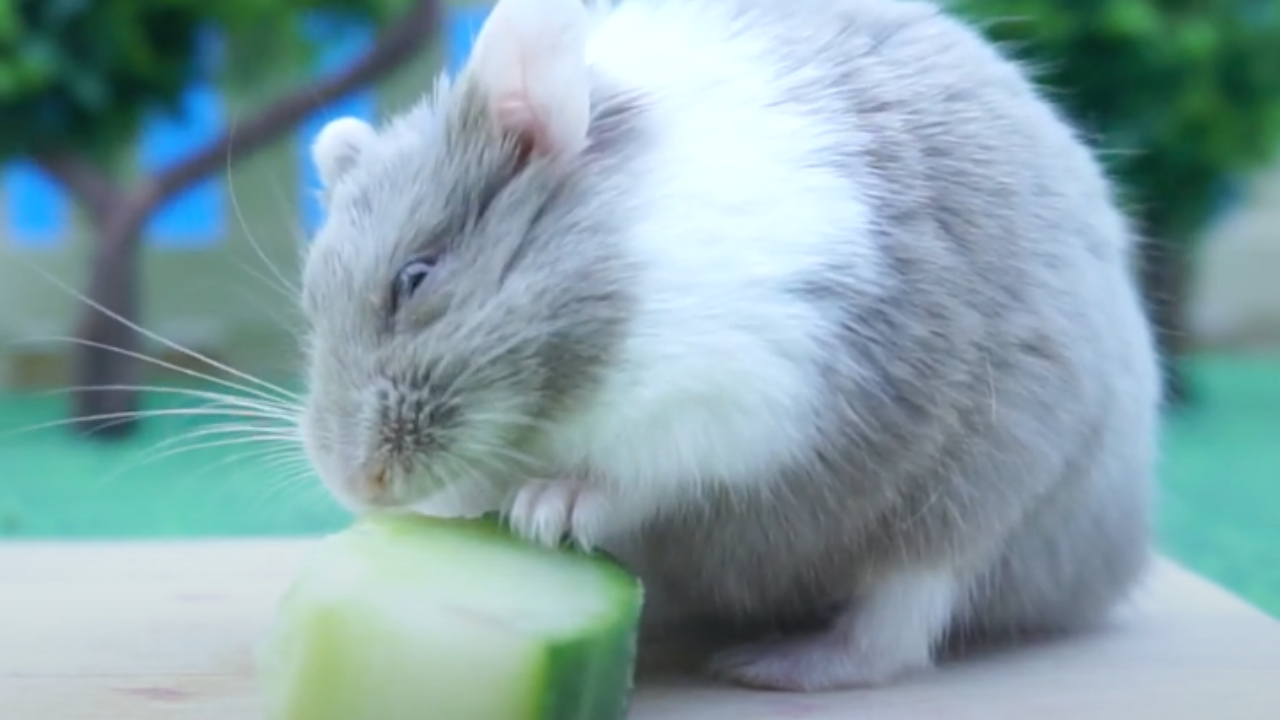
That summer day with Whiskers and the cucumber slice began a practice that has continued for years. I’ve watched how cucumber provides not just hydration but enrichment—the way hamsters hold the crisp slices in their tiny paws, the focused chewing, the evident enjoyment of the refreshing texture.

The optimal approach recognizes that:

Cucumber is uniquely beneficial among fresh foods for hamster hydration

Daily feeding is generally safe with proper portion control

Organic selection minimizes pesticide risks that concern small animals

Proper preparation maximizes benefits while eliminating potential issues

It complements but doesn’t replace a varied vegetable selection

Your hamster’s health benefits from your informed choices. By understanding why cucumber represents such an advantageous food and implementing proper feeding protocols, you’re providing both essential hydration and enjoyable enrichment.

For more evidence-based hamster nutrition guidance, including comparisons between different vegetables and proper diet balancing, explore our comprehensive resources at PetsFilled.us. Your dedication to proper care makes all the difference in your hamster’s quality of life!

Can Hamsters Eat Cucumbers? Frequently Asked Questions About Hamsters and Cucumber

Can hamsters eat cucumber skin/peel?

Yes, if organic and thoroughly washed. For conventional cucumbers, peeling is recommended. The skin contains additional nutrients and fiber, but also concentrates pesticide residues. If using organic cucumbers and washing thoroughly, the skin can remain. For conventional cucumbers, peeling removes approximately 70% of pesticide residues according to food safety studies.

How much cucumber can I give my hamster daily?

Syrian hamsters: 1-2 thin slices daily. Dwarf hamsters: ½-1 thin slice daily. A “thin slice” means approximately 1-2mm thick (credit card thickness). These portions provide hydration benefits without risking diarrhea from excessive water intake. Always monitor individual tolerance and adjust based on your hamster’s specific response.

Can dwarf hamsters eat cucumber safely?

Yes, cucumber is particularly beneficial for dwarf hamsters. Unlike many fruits that pose diabetes risks for dwarf species, the cucumber’s minimal sugar content (1.7g per 100g) makes it safe for regular feeding. Some owners prefer removing seeds for dwarf hamsters as the seeds may cause minor digestive irritation in smaller species.

Should I remove cucumber seeds for hamsters?

Recommended for dwarf hamsters, optional for Syrians. The seeds are not toxic but may cause minor digestive irritation in some individuals, particularly smaller dwarf species. Removing seeds is simple: cut the cucumber lengthwise and scrape out the seed core with a spoon. For Syrian hamsters, seeds typically pass without issue.

Can baby hamsters eat cucumber?

Yes, starting at 8 weeks with proper preparation. Introduce with quarter portions of minced, seeded, peeled cucumber. Ensure pieces are tiny enough to prevent choking. Monitor closely for digestive tolerance. Baby hamsters benefit from gentle hydration sources as they transition to solid foods.

Is a cucumber good for constipated hamsters?

Yes, in moderation alongside increased hay and water. The hydration from cucumber can help soften stools, while the mild fiber supports digestive motility. However, too much may worsen diarrhea-prone constipation. Combine with increased timothy hay consumption and ensure ample fresh water availability.

Can hamsters eat pickles or pickled cucumbers?

Absolutely not—pickled products are dangerous for hamsters. Pickles contain excessive salt, vinegar, spices, and often preservatives that can harm hamster kidneys and digestive systems. Only offer fresh, raw cucumber prepared specifically for hamster consumption.

What about cucumber leaves or vines?

No, only the fruit itself should be fed. Cucumber leaves, vines, and flowers may contain different compounds that could cause digestive upset. Additionally, they may have higher pesticide concentrations if not from organic sources. Always offer only the cucumber fruit flesh, properly prepared.

Can hamsters eat all cucumber varieties equally?

Most varieties are safe, but preparation may differ. Common slicing cucumbers, English/hothouse cucumbers, and Persian cucumbers are all safe. Smaller pickling cucumbers have firmer flesh but similar nutrition. Armenian cucumbers are actually a melon variety and should be treated as a fruit rather than a vegetable.

How do I store a cucumber for daily hamster feeding?

Wrap an unwashed cucumber in a paper towel inside an airtight container. Store in refrigerator crisper drawer. Only wash and prepare immediately before serving. Properly stored cucumber maintains freshness for 7-10 days. Discard any portions that become soft, slimy, or develop off odors regardless of storage time.

About Author

Smith Sam brings research expertise to the PetsFilled team, specializing in pet behavior and naming trends. With a background in scientific communication, Smith translates animal behavior research into practical guidance for pet owners.

At PetsFilled, Smith leads naming trend analysis and contributes to comprehensive pet care guides. Their work involves analyzing naming data from shelters nationwide, researching name choices' impact on training, and interviewing veterinary behaviorists.

All articles undergo PetsFilled's editorial review and are vetted by our veterinary advisory board.