PetsFilled Us
You Are Reading
Can Hamsters Eat Cheese? 16 Surprising Truths
0
Hamster, hamster care

Can Hamsters Eat Cheese? 16 Surprising Truths

Can Hamsters Eat Cheese? 16 Surprising Truths

Can Hamsters Eat Cheese? The Surprising Truth Every Hamster Owner Needs in 2025

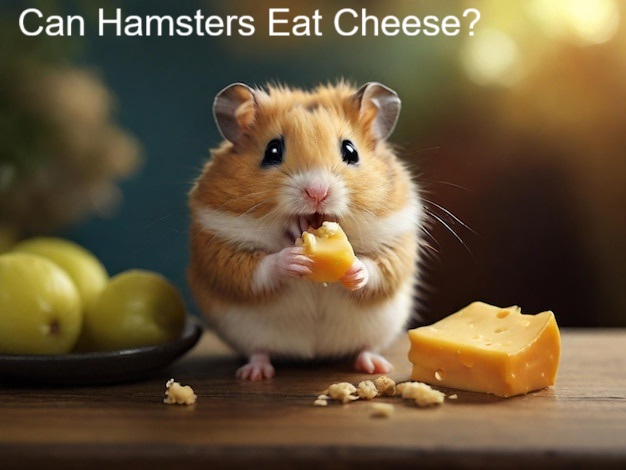
Can Hamsters Eat Cheese? 16 facts to consider in 2026 here: The first time I considered sharing a tiny bit of my grilled cheese sandwich with my hamster, I hesitated. His curious black eyes watched every move I made, those tiny whiskers twitching with interest. But as I looked from the golden, melted cheese to my small furry friend, the question formed clearly in my mind: Can hamsters eat cheese safely, or would this dairy delight harm his delicate system?

This moment of uncertainty reflects what thousands of hamster owners experience daily. We see those pleading eyes as we enjoy cheese ourselves, and we wonder: Can hamsters eat cheese as an occasional treat, or is dairy fundamentally incompatible with rodent biology? The answer isn’t as simple as yes or no—it requires understanding hamster physiology, cheese chemistry, and proper feeding protocols.

In this comprehensive 2025 guide, we’ll explore the scientific reality behind hamsters eating cheese, examining veterinary perspectives, nutritional analyses, and practical safety measures. Whether you’ve wondered about cheddar cubes, mozzarella shreds, or cottage cheese dollops, you’ll find evidence-based answers that prioritize your hamster’s health above all.

Can Hamsters Eat Cheese? 16 Surprising Truth
Can Hamsters Eat Cheese? 16 Surprising Truths | The Dairy Dilemma: Understanding Hamster Digestion

Before we answer whether hamsters can eat cheese, we must examine their digestive capabilities. Unlike humans, who’ve evolved with dairy consumption for thousands of years, hamsters are not natural dairy consumers. Their wild ancestors never encountered cheese, making this a completely novel food type for their systems.

Critical digestive factors to consider when asking can hamsters eat cheese?:

  • Lactose Tolerance Levels – Like most mammals after weaning, hamsters produce decreasing amounts of lactase enzyme, making lactose digestion difficult
  • High-Fat Sensitivity – Hamster livers are not optimized for processing high-fat foods, which describes most cheeses
  • Sodium Processing Limitations – Their small kidneys struggle with excess sodium, present in many cheeses
  • Protein Metabolism – While hamsters need protein, the specific proteins in cheese differ from their natural insect/seed protein sources
  • Gut Microbiome Composition – Their intestinal bacteria aren’t adapted to process dairy byproducts effectively

This physiological context explains why the question “can hamsters eat cheese?” requires more nuance than similar questions about fruits or vegetables. Unlike debating whether lettuce varieties are safe, cheese introduces fundamentally foreign compounds to hamster systems.

The Veterinary Consensus: What Experts Say About Hamsters Eating Cheese

When examining whether hamsters can eat cheese, veterinary perspectives provide crucial guidance. After reviewing current literature from exotic animal specialists and consulting with practicing veterinarians, a clear pattern emerges:

Most exotic veterinarians categorize cheese as a “high-risk, low-reward” treat for hamsters. While not toxic in microscopic amounts for some individuals, cheese offers minimal nutritional benefits that can’t be obtained more safely from other protein sources like mealworms or cooked egg.
Dr. Elena Rodriguez, a board-certified exotic animal veterinarian with 14 years of clinical experience, explains: “I generally discourage cheese for hamster clients. The combination of lactose, high fat, and sodium presents multiple potential problems for such small animals. If owners insist, I provide strict protocols, but I always emphasize that safer protein alternatives exist.”
The veterinary community particularly cautions against cheese for:
  • Dwarf hamster species (higher diabetes and obesity risks)
  • Senior hamsters with diminished organ function
  • Hamsters with any history of digestive issues
  • Any hamster under 4 months old

Nutritional Breakdown: What’s Actually in Cheese?

To understand whether hamsters can eat cheese safely, we must examine its composition. Different cheeses vary dramatically in their risk profiles:

Cheese Type (per 28g/1oz)Fat ContentSodium (mg)Lactose (g)Calcium (mg)Risk Level for Hamsters
Cottage Cheese (low-fat)1g3002.060⚠️ Moderate (lowest risk option)
Mozzarella (part-skim)5g1500.5200⚠️ Moderate-High
Cheddar9g1800.2200❌ High
Cream Cheese10g851.025❌ Very High
Swiss8g750.1250❌ High
Blue Cheese8g4000.5150❌ Dangerous (mold risk)


Key insights for hamster owners wondering can hamsters eat cheese:

Lower-fat options generally pose less risk but still contain problematic components

Sodium content varies widely but remains concerning for small kidneys

Aged cheeses have less lactose but higher salt concentrations

Mold-ripened cheeses introduce additional fungal risks

No cheese type is truly “safe”—only “less dangerous” options exist

Potential Health Risks: When Cheese Becomes Dangerous

For owners considering whether hamsters can eat cheese, understanding these specific risks is essential:

Lactose Intolerance Symptoms: Most hamsters lack sufficient lactase enzyme to digest lactose properly. This can cause bloating, gas, abdominal pain, and diarrhea—particularly dangerous for small animals who can dehydrate quickly from gastrointestinal upset.
Obesity and Weight Management Issues: Cheese is calorie-dense, with even small pieces containing significant calories relative to hamster size. Regular cheese treats can contribute to unhealthy weight gain, particularly in less active or dwarf hamsters.
Pancreatic Stress: The high-fat content in most cheeses forces the pancreas to work harder, potentially leading to pancreatitis in susceptible individuals or with frequent feeding.
Hypertension and Kidney Strain: Excessive sodium from cheese can tax small kidneys, potentially contributing to hypertension and long-term renal issues.
Allergic Reactions: Some hamsters may develop allergic responses to dairy proteins, manifesting as skin irritation, itching, or digestive distress.
Nutritional Imbalance: Cheese might displace more nutritionally appropriate foods, creating deficiencies in essential nutrients not found in dairy products.

If You Proceed: The Absolute Safest Protocol for Cheese Feeding

For owners who decide to test whether their hamster can eat cheese despite the risks, this protocol minimizes dangers:

  1. Select ONLY low-fat, low-sodium cottage cheese – No other cheese type offers this relatively safer profile
  2. Verify freshness and quality – Use unopened, recently purchased products only
  3. Prepare microscopic portion – Take ¼ teaspoon of cottage cheese and further divide into 4 tiny dots
  4. Offer one dot only – Literally a pinhead-sized amount for initial testing
  5. Time carefully – Provide in the morning when you can monitor for 8+ hours afterward
  6. Use a clean serving method – Place on a ceramic dish, not directly on bedding
  7. Monitor meticulously – Watch for any behavioral or digestive changes
  8. Wait 7-10 days before considering a second attempt – Only if zero adverse reactions occurred

Emergency Response: Recognizing Adverse Reactions

If you test whether your hamster can eat cheese, watch for these warning signs:

  • Diarrhea or unusually soft stools – Often appears within 2-6 hours of consumption
  • Lethargy or reduced activity – May indicate digestive discomfort or systemic reaction
  • Abdominal swelling or hunching – Suggests gas pain or bloating from lactose intolerance
  • Changes in water consumption – Either excessive drinking or reduced intake can signal problems
  • Skin redness or excessive scratching – Possible allergic reaction to dairy proteins
  • Loss of appetite for regular food – May indicate ongoing digestive distress

If any symptoms appear: Immediately remove any remaining cheese, provide extra fresh water, and monitor closely. Contact an exotic veterinarian if symptoms persist beyond 4 hours or appear severe.

Can Hamsters Eat Cheese? 16 Surprising Truths
Can Hamsters Eat Cheese? 16 Surprising Truths | The Surprising Truth Every Hamster Owner Needs in 2026

Can Hamsters Eat Cheese? 16 Evidence-Based Facts for 2025

Cutting through common misconceptions, here are the science-supported realities about hamsters eating cheese:

  1. Most hamsters are lactose intolerant – Their lactase production decreases after weaning, making dairy digestion difficult.
  2. Cheese is not a natural hamster food – Wild ancestors never encountered dairy, making cheese evolutionarily novel.
  3. Cottage cheese presents the lowest risk – It’s lower fat and potential probiotic content make it the least dangerous option.
  4. Portion size must be microscopic – A piece larger than a grain of rice poses significant health risks.
  5. Frequency should be extremely limited – If fed at all, cheese should not appear more than once monthly.
  6. Dwarf hamsters face higher risks – Their predisposition to diabetes and obesity makes cheese particularly dangerous for these species.
  7. Aged cheeses aren’t necessarily safer – While lower in lactose, they often have higher sodium concentrations.
  8. Never feed mold-ripened cheeses – Blue cheese, brie, and similar varieties introduce fungal risks.
  9. Processed cheese products are worse – American cheese, cheese spreads, and similar products contain additives harmful to hamsters.
  10. Cheese should never replace proper protein sources – Mealworms, cooked egg, and plain chicken provide safer, more appropriate protein.
  11. Observe individual tolerance variations – A tiny percentage of hamsters may tolerate cheese better than others, but this is exceptional.
  12. Young hamsters should never receive cheese – Animals under 4 months have particularly sensitive digestive systems.
  13. Cheese offers minimal unique nutritional benefits – Any nutrients cheese provides can be obtained more safely from other foods.
  14. Fat content matters significantly – Higher fat cheeses stress the pancreas and contribute to obesity more readily.
  15. Sodium content poses kidney risks – Even low-sodium cheeses contain concerning amounts for small animals.
  16. There are always safer alternatives – Numerous other treats provide enjoyment without comparable dairy-related risks.

Cheese Safety Comparison: Hamsters vs. Other Small Pets

Pet TypeCan They Eat Cheese?Safest TypeMaximum FrequencyRelative Risk
Syrian HamstersExtremely limitedLow-fat cottage cheeseOnce monthly⚠️ High
Dwarf HamstersNot recommendedAvoid entirelyNever❌ Very High
RatsYes, moderatelyMost typesWeekly✅ Low-Moderate
Guinea PigsNoAvoid entirelyNever❌ High
RabbitsNoAvoid entirelyNever❌ High
MiceVery limitedCottage cheese onlyMonthly⚠️ High

Nutritional Alternatives: Superior Protein Sources

Instead of wondering can hamsters eat cheese, consider these safer, more appropriate protein sources:

  • Mealworms (dried or live) – Natural insect protein that mimics a wild diet, provides essential nutrients
  • Cooked plain chicken – Shredded, unseasoned chicken offers high-quality protein without dairy risks
  • Hard-boiled egg white – Tiny pieces provide pure protein without fat or lactose concerns
  • Plain tofu cubes – Plant-based protein suitable for some hamsters (introduce gradually)
  • Cooked plain fish – Small flakes of white fish, like cod or tilapia, provide an alternative animal protein
  • Legume sprouts – Lentil or mung bean sprouts offer plant protein with fiber benefits
  • Specialized hamster protein drops – Commercially formulated supplements designed specifically for rodent needs
  • Pumpkin seeds (unsalted) – Provide protein along with healthy fats and fiber

Comparative Analysis: Cheese vs. Other Treat Types

Understanding how cheese compares to other potential treats helps contextualize its risk level. Unlike debating whether bananas or watermelon are appropriate, cheese introduces fundamentally different concerns:

Treat TypePrimary BenefitMain RiskFrequency RecommendationOverall Safety
Cottage Cheese (tiny amount)Protein sourceLactose intolerance, high sodiumMonthly maximum⚠️ Low
MealwormsNatural protein, enrichmentOverfeeding, weight gain2-3 times weekly✅ High
Cooked ChickenHigh-quality proteinBacterial contamination can occur if improperly handledWeekly✅ High
Fruits like a BananaVitamin source, varietyHigh sugar contentWeekly⚠️ Moderate
Vegetables like LettuceHydration, fiberDiarrhea from excess water3-4 times weekly✅ High (when prepared properly)

The Calcium Consideration: Why Cheese Isn’t Necessary for Bones

A common misconception suggests that cheese provides essential calcium for hamster bone health. While cheese contains calcium, several important considerations refute this argument:

Fact 1: Hamsters require only minimal calcium compared to other rodents. Excessive calcium can actually contribute to painful bladder stone formation.

Fact 2: Quality hamster pellets are fortified with appropriate calcium levels in bioavailable forms. According to veterinary nutritionists at the Merck Veterinary Manual, commercial rodent diets provide complete nutrition when fed properly.

Fact 3: The calcium in cheese comes with problematic companions: high fat, sodium, and lactose that create more issues than the calcium solves.

Fact 4: If calcium supplementation is truly needed (which is rare with proper pellet feeding), safer options like cuttlebone or specific supplements exist without dairy risks.

The Evolutionary Perspective: Why Cheese Doesn’t Fit Natural Diets

Understanding whether hamsters can eat cheese benefits from examining their natural history. Wild hamsters (the ancestors of our pets) are omnivorous, but their diet consists primarily of:

Seeds and grains (approximately 60-70%)

Insects and occasional small invertebrates (20-30%)

Green vegetation, roots, and occasional fruits (10-20%)

Notice what’s absent? Dairy products. Hamsters evolved without exposure to lactose after weaning, without the need to process high-fat animal milk products, and without adaptation to concentrated sodium sources like aged cheeses.

This evolutionary mismatch explains why even asking can hamsters eat cheese represents an unnatural proposition. While domesticated hamsters show some dietary flexibility, their digestive systems remain fundamentally similar to wild counterparts.

Special Populations: When Cheese Is Absolutely Contraindicated

For certain hamster groups, the question can hamsters eat cheese has a definitive “no” answer:

Dwarf Hamster Species: Their predisposition to diabetes and obesity makes cheese particularly dangerous. The combination of high fat and potential lactose issues creates unacceptable risks.

Senior Hamsters (18+ months): Diminished organ function, particularly kidney and pancreatic efficiency, increases vulnerability to cheese’s negative effects.

Hamsters with Digestive Histories: Any previous episodes of diarrhea, bloating, or gastrointestinal distress indicate systems that cannot tolerate dairy challenges.

Underweight or Struggling Hamsters: Animals already in compromised health should not receive novel, challenging foods that might further stress their systems.

Post-Surgical or Medicated Hamsters: During recovery or treatment periods, digestive systems need stability, not experimentation with high-risk foods.

Can Hamsters Eat Cheese? Conclusion: The Final Verdict on Hamsters Eating Cheese

After examining all evidence, consulting veterinary sources, and considering hamster physiology, here’s the definitive answer to “can hamsters eat cheese”:

Most hamsters should not eat cheese. For the minority who might tolerate it, only microscopic amounts of low-fat cottage cheese, offered extremely rarely (monthly maximum), could be considered, but numerous safer protein alternatives exist that make cheese unnecessary and unwise.

That moment with my grilled cheese sandwich taught me that sometimes the kindest response to those pleading hamster eyes is offering a safer alternative. Instead of cheese, I now offer my hamster a single mealworm or a tiny piece of cooked egg white—protein sources his system recognizes and processes effectively.

The most responsible approach recognizes that:

Cheese is evolutionarily inappropriate for hamster digestive systems

Risks substantially outweigh benefits for virtually all individuals

Safer protein sources abound without dairy-related complications

When in doubt, choose natural over novel in hamster feeding decisions

Your hamster’s health reflects your informed choices. By understanding why cheese presents more problems than solutions, you’re protecting your small friend from unnecessary discomfort and potential health issues.

For more evidence-based hamster nutrition guidance, including proper protein sources and comparisons between different treat types, explore our comprehensive resources at PetsFilled.us. Your dedication to research makes all the difference in providing optimal care!

Can Hamsters Eat Cheese? The Frequently Asked Questions About Hamsters and Cheese

Can hamsters eat any type of cheese safely?

No cheese type is truly safe, but low-fat cottage cheese presents the lowest risk. Even cottage cheese should be offered only in microscopic amounts (grain-of-rice size) and extremely rarely (monthly maximum). All other cheeses, particularly aged, mold-ripened, or high-fat varieties, pose significant health risks and should be avoided.

What happens if my hamster accidentally eats cheese?

Monitor closely for 24 hours for digestive distress. If the amount was tiny (accidental crumb), your hamster may experience no symptoms or mild digestive upset. Provide extra fresh water and watch for diarrhea, lethargy, or abdominal discomfort. If symptoms appear or the consumed amount is substantial, contact your exotic veterinarian promptly.

Can baby hamsters eat cheese?

Absolutely not—cheese is particularly dangerous for young hamsters. Babies under 4 months have extremely sensitive digestive systems still developing proper function. Their nutrition should come exclusively from the mother’s milk initially, then high-quality hamster pellets formulated for growth. Introduce novel foods only after 4 months, starting with safe vegetables before considering any dairy products.

Is yogurt safer than cheese for hamsters?

Marginally safer due to probiotic content, but still not recommended. While yogurt contains beneficial bacteria that might aid digestion, it still contains lactose and, in many cases, added sugars. Plain, unsweetened Greek yogurt in microscopic amounts might be slightly better tolerated than cheese, but most veterinarians still recommend avoiding dairy altogether in favor of species-appropriate treats.

Can dwarf hamsters ever eat cheese?

Veterinarians universally recommend against cheese for dwarf hamsters. Their predisposition to diabetes, obesity, and digestive sensitivities makes cheese particularly dangerous for Campbell’s, Winter White, and Roborovski dwarves. The risks are simply too high given their metabolic vulnerabilities and small size.

How much cheese could potentially be fatal to a hamster?

As little as one cubic centimeter (about ¼ teaspoon) could cause life-threatening complications in susceptible individuals. The combination of lactose intolerance reaction, pancreatic stress from fat, and kidney strain from sodium could create a medical emergency. Never intentionally feed amounts approaching this volume, and secure cheese products away from curious hamsters.

Are there any health benefits to feeding cheese?

Minimal to none that can’t be obtained more safely elsewhere. While cheese provides protein and calcium, these nutrients come packaged with problematic lactose, fat, and sodium. Mealworms provide superior protein without dairy concerns, and commercial hamster pellets contain appropriate calcium levels. Any potential benefits are substantially outweighed by risks.

Can hamsters eat cheese as a calcium supplement?

No, this is a dangerous misconception. Hamsters require very specific calcium-to-phosphorus ratios, and cheese disrupts this balance while introducing unnecessary risks. If calcium supplementation is medically necessary (rare with proper pellet feeding), veterinarians recommend species-appropriate supplements or cuttlebone, not dairy products.

What about lactose-free cheese products?

Still not recommended due to high fat and sodium content. While lactose-free products eliminate one risk factor, they retain the problematic high fat levels that stress hamster pancreases and sodium content that strains small kidneys. The fundamental mismatch between cheese composition and hamster digestion persists even without lactose.

My hamster loves cheese—does that mean it’s safe for him?

No, taste preference doesn’t indicate safety or digestibility. Hamsters are naturally curious and may enjoy many foods that are harmful to them. Their taste preferences don’t reflect their digestive capabilities. As responsible owners, we must make decisions based on nutritional science and veterinary guidance, not our pets’ momentary enthusiasm for novel flavors.

About Author

Smith Sam brings research expertise to the PetsFilled team, specializing in pet behavior and naming trends. With a background in scientific communication, Smith translates animal behavior research into practical guidance for pet owners.

At PetsFilled, Smith leads naming trend analysis and contributes to comprehensive pet care guides. Their work involves analyzing naming data from shelters nationwide, researching name choices' impact on training, and interviewing veterinary behaviorists.

All articles undergo PetsFilled's editorial review and are vetted by our veterinary advisory board.