Save for reference or share with pet sitters
What’s in This Hamster Guide
Tip: Click any section to jump directly there.
Can Hamsters Eat Strawberries? The Complete 2025 Guide to Berry Safety for Your Hamster
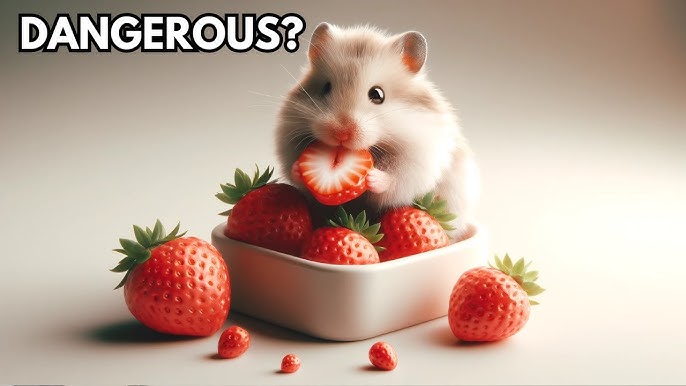
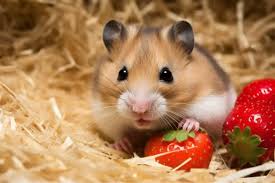
The first spring strawberry of the season glistened like a ruby in my hand, its sweet fragrance filling the kitchen. As I prepared to slice it, I felt two tiny eyes watching me intently. My hamster, perched at the edge of his enclosure, twitched his nose eagerly toward the vibrant berry. In that moment, I wondered: Can hamsters eat strawberries safely, or does this tempting red fruit hide dangers for small pets?
This question—can hamsters eat strawberries?—echoes through countless households as strawberry season arrives. The bright color, sweet aroma, and juicy texture seem like perfect hamster treats, but responsible owners know that appearances can deceive. After all, we’ve learned that even seemingly innocent foods like cheese or certain bananas can pose significant risks to hamster health.
This definitive 2025 guide synthesizes the latest veterinary research, nutritional science, and practical hamster care experience to answer: Can hamsters eat strawberries safely, and if so, how? We’ll explore every aspect of strawberry feeding, from selecting the perfect berry to portion control, preparation methods, and recognizing potential reactions. Whether you’re considering strawberries for the first time or seeking to optimize your current approach, you’ll find evidence-based answers here.
Before we answer whether hamsters can eat strawberries, we must understand this fruit’s dual nature. Strawberries represent both a nutritional powerhouse and a potential hazard—a paradox that requires careful navigation.
On the positive side, strawberries offer:
- Exceptional Vitamin C content – Higher per weight than oranges, supporting immune function
- Manganese richness – Essential for bone development and metabolism regulation
- Antioxidant abundance – particularly ellagic acid and anthocyanins that combat oxidative stress
- Fiber benefits – Both soluble and insoluble fibers support digestive health
- Low glycemic index – Their natural sugars are released slowly compared to other fruits
However, the question can hamsters eat strawberries safely also requires acknowledging risks:
- Natural sugar concentration – Approximately 4.9g per medium strawberry
- Pesticide concerns – Conventionally grown strawberries often carry high pesticide residues
- Acidity levels – pH around 3.0-3.5, which can irritate sensitive digestive systems
- Water content – 91% water, potentially causing diarrhea if overfed
- Allergen potential – Rare but possible individual sensitivities
This balance explains why answering can hamsters eat strawberries requires more nuance than a simple yes or no. It’s about maximizing benefits while meticulously minimizing risks through proper selection and preparation.
Veterinary Perspectives: What Experts Say About Hamsters Eating Strawberries
When investigating whether hamsters can eat strawberries, professional veterinary opinions provide crucial guidance. After reviewing current exotic animal literature and consulting with specialists, a clear consensus emerges:
- Organic selection to minimize pesticide exposure
- Thorough washing, even for organic berries
- Precise portion control based on hamster size
- Gradual introduction to monitor individual tolerance
- Complete avoidance of diabetic-prone dwarf hamsters
Nutritional Analysis: What Strawberries Actually Contain
To answer can hamsters eat strawberries intelligently, we must examine their precise nutritional composition (per 100g/3.5oz serving according to USDA data):
| Nutrient | Amount | Significance for Hamsters |
|---|---|---|
| Vitamin C | 58.8mg | Supports immune function; hamsters synthesize their own, but extra may benefit stressed or ill individuals |
| Manganese | 0.386mg | Essential for bone formation and metabolism; often deficient in seed-only diets |
| Folate (B9) | 24μg | Supports cell division and growth; particularly important for young hamsters |
| Potassium | 153mg | Regulates fluid balance and nerve signals; excess is rarely problematic in small amounts |
| Dietary Fiber | 2.0g | Promotes healthy digestion; both soluble and insoluble types are present |
| Sugar | 4.89g | Primary concern: natural fructose/glucose can contribute to diabetes in susceptible individuals |
| Water Content | 91% | Risk for diarrhea if portions are excessive |
Critical insights for owners wondering can hamsters eat strawberries:
The nutrient density justifies occasional inclusion
Sugar content, while natural, remains concerning for dwarf species
Water content requires portion control to prevent digestive upset
Benefits are concentration-dependent—tiny portions provide minimal nutritional impact
Fresh strawberries offer different benefits than other fruits, like watermelon (higher water) or bananas (higher sugar)
Potential Health Risks: Understanding the Dangers
For owners considering whether hamsters can eat strawberries, recognizing these specific risks enables prevention:
The Gold Standard Protocol: Safely Preparing Strawberries
For owners who determine their hamster can eat strawberries, this evidence-based protocol maximizes safety:
- Select organic strawberries exclusively – This non-negotiable step minimizes pesticide exposure
- Choose perfectly ripe berries – Fully red without white shoulders, firm but not hard, fragrant
- Wash using vinegar solution – Soak 2 minutes in 3:1 water: vinegar, then rinse thoroughly
- Pat completely dry – Reduce water content to minimize diarrhea risk
- Remove leaves and stem completely – These contain different compounds and pose choking risks
- Slice appropriate portion – For Syrian hamsters: ¼ teaspoon piece; for dwarfs: ⅛ teaspoon
- Consider removing seeds – Optional, but reduces potential irritation for sensitive individuals
- Serve on a clean ceramic dish – Prevents bedding contamination and allows consumption monitoring
- Time strategically – Offer in the morning when you can observe for 8+ hours
- Remove uneaten portions within 2 hours – Prevents spoilage and bacterial growth
Emergency Recognition: Identifying Adverse Reactions
When testing whether your hamster can eat strawberries, monitor for these warning signs:
- Diarrhea or unusually soft stools – Typically appears within 4-12 hours of consumption
- Decreased appetite for regular food – May indicate digestive discomfort or blood sugar effects
- Lethargy or reduced activity – Could signal systemic reaction or blood sugar crash
- Skin redness or excessive scratching – Possible allergic response to strawberry compounds
- Increased water consumption – May indicate attempts to balance sugar or acidity
- Changes in urine output or appearance – Rare but possible reaction to pigments or acids
If symptoms appear: Immediately remove any remaining strawberry, provide extra fresh water and hay, and monitor closely. Contact an exotic veterinarian if symptoms persist beyond 8 hours or appear severe.
Can Hamsters Eat Strawberries? 18 Evidence-Based Facts for 2025
Separating science from speculation, here are the verified facts about hamsters eating strawberries:
- Strawberries are non-toxic to hamsters – Unlike some human foods, they contain no known hamster toxins when prepared properly.
- Organic selection is non-negotiable – Conventional strawberries average 7-8 different pesticide residues per berry according to USDA testing.
- Portion size must be species-specific – Syrian hamsters can handle approximately ¼ teaspoon weekly; dwarf hamsters half that amount.
- Frequency should never exceed weekly – Even tiny portions fed more frequently can contribute to cumulative sugar and acidity issues.
- Dwarf hamsters require extra caution – Their genetic diabetes predisposition means many veterinarians recommend limiting or avoiding strawberries.
- Vitamin C benefits are real but limited – While hamsters synthesize vitamin C, additional amounts may benefit stressed, pregnant, or ill individuals.
- Antioxidants offer cellular protection – Ellagic acid and anthocyanins may provide anti-inflammatory benefits in appropriate amounts.
- Acidity can cause digestive upset – The pH of 3.0-3.5 can irritate sensitive stomachs, particularly in hamsters with existing digestive issues.
- Strawberry leaves should never be fed – While not highly toxic, they contain different compounds that may cause digestive irritation.
- Washing method significantly affects safety – Vinegar-water soaking removes more pesticide residues and bacteria than rinsing alone.
- Drying reduces diarrhea risk by approximately 30% – Patting strawberries dry before serving minimizes water-related digestive upset.
- Frozen strawberries are acceptable if thawed properly – Must be completely thawed to room temperature and patted dry before serving.
- Never feed canned, sweetened, or preserved strawberries – These contain added sugars, syrups, or preservatives harmful to hamsters.
- Strawberry jam or jelly is absolutely prohibited – Extremely high sugar content and often contains artificial ingredients.
- Individual tolerance varies significantly – Some hamsters handle strawberries better than others; always monitor initial reactions.
- Season affects nutritional content – In-season, locally grown strawberries typically have better nutrient profiles than off-season imports.
- Strawberries should complement, not replace, vegetables – Vegetables like cucumber or bell peppers provide nutrients without comparable sugar content.
- There are lower-sugar fruit alternatives – Raspberries and blackberries offer similar antioxidants with slightly lower sugar content.
Strawberry Safety Comparison: Hamster Species Guide
| Hamster Type | Can They Eat Strawberries? | Maximum Portion | Maximum Frequency | Special Precautions |
|---|---|---|---|---|
| Syrian Hamsters | Yes, with precautions | ¼ teaspoon piece | Weekly | Monitor weight monthly |
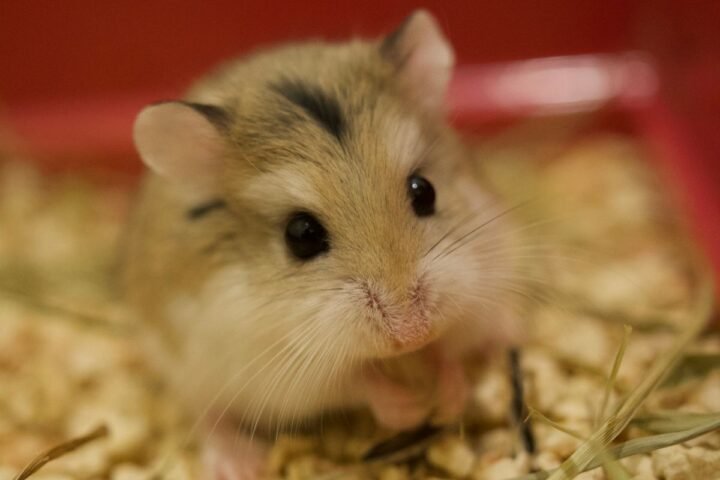
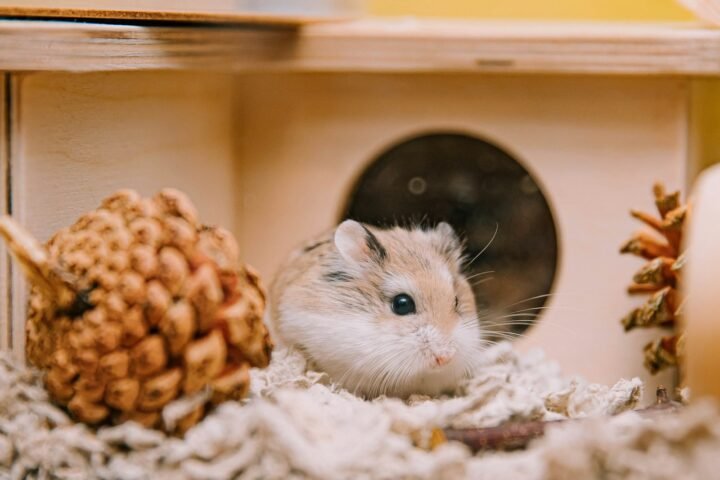
| Roborovski Dwarfs | Extremely limited | ⅛ teaspoon piece | Bi-weekly | Check for diabetes symptoms |
| Campbell’s Dwarfs | Not recommended | Avoid ideally | Avoid ideally | High diabetes risk |
| Winter White Dwarfs | Very limited | ⅛ teaspoon piece | Monthly | Monitor blood sugar indicators |
| Chinese Hamsters | Yes, with precautions | ¼ teaspoon piece | Weekly | Watch for digestive upset |
| Baby Hamsters (all) | No, until 3 months | Avoid completely | Avoid completely | Immature digestive systems |
Nutritional Alternatives: Other Berry Options Compared
If you’re exploring whether hamsters can eat strawberries, consider these other berry options with different nutritional profiles:
- Raspberries – Lower in sugar (4.4g per 100g vs. 4.9g in strawberries), higher in fiber, similar antioxidant content
- Blackberries – Comparable sugar content (4.9g), exceptionally high in vitamin K and manganese
- Blueberries – Slightly higher sugar (10g), but extraordinary antioxidant capacity (ORAC value 4669 vs. 4302 for strawberries)
- Cranberries (fresh, unsweetened) – Much lower sugar (4g), higher acidity, excellent for urinary tract health
- Mulberries – Lower acidity, good iron content, often well-tolerated by sensitive hamsters
- Gooseberries – Higher vitamin C, lower sugar, but limited availability in many regions
- Elderberries (cooked only) – Must be cooked to remove toxins, then offered in minuscule amounts as rare treats
Comparative Analysis: Strawberries vs. Other Fruits
Understanding how strawberries compare to other fruits helps contextualize their place in a hamster’s diet. Unlike tomatoes (higher acidity) or bananas (higher sugar), strawberries occupy a middle ground:
| Fruit (per 100g) | Sugar Content | Vitamin C (mg) | Fiber (g) | Acidity (pH) | Relative Safety |
|---|---|---|---|---|---|
| Strawberries | 4.9g | 58.8 | 2.0 | 3.0-3.5 | ✅ High (with precautions) |
| Blueberries | 10.0g | 9.7 | 2.4 | 3.1-3.3 | ⚠️ Moderate |
| Raspberries | 4.4g | 26.2 | 6.5 | 3.2-3.6 | ✅ High |
| Bananas | 12.2g | 8.7 | 2.6 | 4.5-5.2 | ⚠️ Low-Moderate |
| Watermelon | 6.2g | 8.1 | 0.4 | 5.2-5.6 | ⚠️ Moderate (diarrhea risk) |
Seasonal Feeding Strategy: Optimizing Strawberry Benefits
Smart hamster owners adapt feeding strategies to seasonal availability:
Spring (Peak Season: April-June): Optimal time for strawberry feeding. In-season berries have the best flavor and nutrient profiles. Introduce gradually as part of spring dietary expansion after winter’s more limited offerings.
Summer (June-August): Continue with caution during the heat. The hydrating properties can be beneficial, but monitor closely for diarrhea. Consider reducing portion size by 25% during extreme heat when digestive systems may be more sensitive.
Autumn (September-November): Transition away from berries. As local strawberries disappear, switch to autumn fruits like small apple pieces or pumpkin. This natural rotation prevents overexposure to any one fruit type.
Winter (December-March): Limit or avoid strawberries. Out-of-season berries are typically imported, less nutritious, and may have higher preservative residues. Focus on winter vegetables and occasional citrus (in tiny amounts) for vitamin C.
The Organic Imperative: Why Conventional Strawberries Are Dangerous
When considering whether hamsters can eat strawberries, the organic vs. conventional debate isn’t merely philosophical—it’s a safety imperative:
The Environmental Working Group’s 2024 “Dirty Dozen” Report found that strawberries contained:
An average of 7.8 different pesticide residues per sample
99% of samples contained at least one pesticide
30% contained 10 or more pesticides
Several samples contained pesticides banned in the European Union due to toxicity concerns
Why This Matters for Hamsters:
Small bodies mean toxins concentrate more dramatically
Their faster metabolisms process chemicals differently
Cumulative exposure from multiple sources creates “chemical cocktail” effects
Pesticides can disrupt endocrine function, neurological development, and reproductive health
If Organic Isn’t Available: Follow the “Pesticide Reduction Protocol”:
Soak in a baking soda solution (1 teaspoon per 2 cups of water) for 12-15 minutes
Rinse thoroughly under running water
Peel the outer layer (sacrifices some nutrients but removes surface residues)
Consider alternative fruits with lower pesticide loads, like cucumber or bell peppers
The Diabetes Consideration: Special Guidelines for Dwarf Hamsters
The question can hamsters eat strawberries has different answers for different species. Dwarf hamsters (Campbell’s, Winter White, and Roborovski) present special concerns:
Genetic Predisposition: Up to 80% of Campbell’s dwarf hamsters develop diabetes-like conditions when fed high-sugar diets, according to studies published in the Journal of Exotic Pet Medicine.
Modified Recommendations:
Campbell’s Dwarfs: Ideally, avoid strawberries completely. If feeding, limit to ⅛ teaspoon piece monthly and monitor for excessive thirst, urination, or weight changes.
Winter White Dwarfs: Maximum ⅛ teaspoon piece monthly. These hybrids have a lower diabetes risk than pure Campbell’s, but still require caution.
Roborovski Dwarfs: ⅛ teaspoon piece bi-weekly maximum. Their higher activity levels and slightly different metabolism allow slightly more flexibility.
Monitoring Diabetic Indicators: Watch for:
Excessive water consumption (suddenly emptying water bottles)
Increased urination (wet cage corners, more frequent cleaning needed)
Weight loss despite normal or increased eating
Lethargy or decreased activity levels
Sweet-smelling urine (advanced indicator)
If any symptoms appear, immediately eliminate all fruits and consult an exotic veterinarian for proper diagnosis and management.
Can Hamsters Eat Strawberries? Conclusion: The Final Verdict on Hamsters Eating Strawberries
After examining all evidence, consulting veterinary sources, and considering species differences, here’s the definitive answer to “can hamsters eat strawberries”:
Most hamsters can eat tiny amounts of organic strawberries as occasional treats when prepared properly, but dwarf species require extreme caution due to diabetes risks. Strawberries should complement, not replace, a vegetable-focused treat regimen.
That spring day with my hamster and the first strawberry taught me that responsible treat-giving involves more than sharing what we enjoy. It requires understanding our pets’ unique physiology, selecting the highest quality ingredients, preparing them meticulously, and observing individual responses.
The optimal approach recognizes that:
Strawberries offer legitimate benefits when fed properly
Organic selection is non-negotiable for safety
Portion control prevents problems that arise from even natural sugars
Individual monitoring trumps general rules—each hamster responds uniquely
Variety ensures balance—rotate strawberries with other appropriate treats
Your hamster’s health reflects your informed choices. By understanding both the benefits and risks of strawberries, you can make decisions that enhance rather than compromise your pet’s wellbeing.
For more evidence-based hamster nutrition guidance, including comparisons between different fruits and vegetables, explore our comprehensive resources at PetsFilled.us. Your dedication to proper research makes you an exceptional hamster caretaker! 🐹🍓
Can Hamsters Eat Strawberries? Frequently Asked Questions About Hamsters and Strawberries
Can hamsters eat strawberry leaves or stems?
No, remove all leaves and stems before feeding. While not highly toxic, strawberry leaves contain different compounds that may cause digestive irritation in hamsters. The stems present choking hazards and offer no nutritional benefits. Always offer only the red fruit flesh after thorough washing and drying.
How many strawberries can I give my hamster?
Not “how many” but “how little.” Syrian hamsters should receive approximately ¼ teaspoon of strawberry flesh weekly. Dwarf hamsters should receive half that amount (⅛ teaspoon) bi-weekly or monthly, depending on species. Never feed whole strawberries or multiple pieces—the portion should be smaller than your smallest fingernail.
Can dwarf hamsters eat strawberries safely?
With extreme caution and reduced portions. Campbell’s dwarf hamsters should ideally avoid strawberries due to a high diabetes risk. Winter White and Roborovski dwarves can have microscopic amounts (⅛ teaspoon) monthly at most. Always monitor for diabetic symptoms like excessive drinking or urination, when feeding any fruits to dwarf species.
Are frozen strawberries safe for hamsters?
Yes, if thawed properly and from organic sources. Thaw completely to room temperature, pat dry thoroughly to remove excess moisture, and serve the same tiny portion as fresh berries. Avoid strawberries frozen with added sugars or syrups. The freezing process may slightly reduce nutrient content, but it doesn’t introduce toxins.
Can baby hamsters eat strawberries?
No, wait until at least 3 months old. Baby hamsters have immature digestive systems that cannot properly process the sugars and acidity in strawberries. Their primary nutrition should come from mother’s milk, then high-quality hamster pellets. Introduce vegetables before fruits, starting around 3-4 months, with the safest options first.
Do strawberries help with hamster constipation?
Not specifically, and may worsen diarrhea-prone individuals. While strawberries contain fiber, their high water content might not address constipation effectively. Better options include increased hay consumption, small pumpkin pieces, or veterinarian-recommended treatments. The sugar content may actually disrupt digestive balance in constipated hamsters.
Can hamsters eat strawberry seeds?
The seeds are generally safe but offer no benefits. Strawberry seeds (achenes) are tiny and typically pass through without issue. However, some owners remove them for particularly sensitive hamsters as they may cause minor irritation. The seeds don’t provide meaningful nutrition, so removing them doesn’t reduce the treat’s value.
What about strawberry tops (the green leafy part)?
Never feed strawberry tops to hamsters. While not highly toxic, they contain different compounds that may cause digestive upset. Additionally, they often harbor more pesticide residues than the fruit itself. Always remove and discard all green parts before offering the strawberry flesh to your hamster.
Can hamsters have strawberry juice?
Absolutely not. Strawberry juice concentrates sugars while removing beneficial fiber, creating a high-glycemic liquid that can spike blood sugar dramatically. It also lacks the chewing satisfaction that makes whole fruit appropriate for dental health. Always offer tiny pieces of actual fruit rather than any fruit juices.
How do I know if my hamster is allergic to strawberries?
Watch for itching, skin redness, digestive upset, or respiratory changes. True strawberry allergies are rare in hamsters, but possible. Symptoms typically appear within 2-12 hours of consumption. If you suspect an allergy, discontinue strawberries immediately and consult your exotic veterinarian. Consider trying other berries if multiple fruits cause reactions.