What's in This Hamster Guide
Tip: Click any section to jump directly there.
Save for reference or share with pet sitters
🔄 Updated: This guide was last reviewed on January 18, 2026 for accuracy.
Can Hamsters Eat Blueberries? The Antioxidant Powerhouse Guide for Hamster Owners in 2025
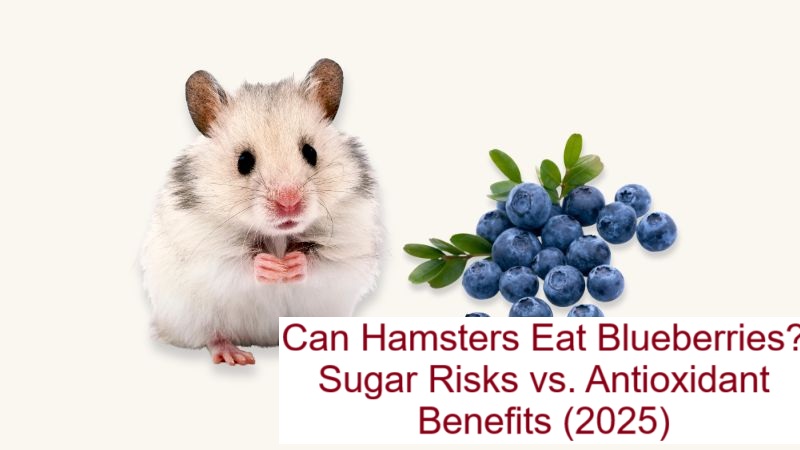
Can Hamsters Eat Blueberries? This question captures the essence of modern hamster nutrition dilemmas. I remember the first time I placed a single, deep blue berry beside my hamster’s regular food. The contrast was striking—the vibrant berry against his beige bedding—and his reaction was immediate. Those tiny paws grasped the berry with surprising dexterity, but as he began to nibble, I wondered: can hamsters eat blueberries safely, or does this antioxidant-rich superfood hide risks for small pets?
This moment of simultaneous excitement and concern—can hamsters eat blueberries without compromising health—reflects the dual nature of berry feeding. Blueberries represent nutritional powerhouses packed with beneficial compounds, but their natural sweetness and small size require careful consideration. Unlike the straightforward hydration benefits of cucumber or the clear risks of foods like cheese, blueberries occupy a nuanced middle ground that demands thoughtful evaluation.
This comprehensive 2025 guide synthesizes current veterinary research, nutritional biochemistry, and practical hamster care experience to answer: can hamsters eat blueberries regularly, and if so, with what precautions? We’ll explore blueberries’ exceptional antioxidant profile, sugar content concerns, species-specific guidelines, and optimal feeding protocols. Whether you’re considering blueberries for the first time or refining your current approach, you’ll find evidence-based answers that balance nutritional benefits with safety considerations.
When evaluating whether hamsters can eat blueberries, we must first acknowledge their remarkable nutritional profile. Blueberries consistently rank among the highest antioxidant foods available, but this benefit coexists with sugar content that requires careful management.
Blueberry’s unique biochemical composition includes:
- Exceptional antioxidant capacity – ORAC (Oxygen Radical Absorbance Capacity) value of approximately 4,669 per 100g, among the highest of all common fruits
- Anthocyanin richness – These flavonoid pigments provide the blue color and offer demonstrated anti-inflammatory benefits
- Vitamin K abundance – Essential for blood clotting and bone metabolism, often deficient in seed-based diets
- Manganese concentration – Crucial for bone development, metabolism, and antioxidant enzyme systems
- Moderate vitamin C content – Approximately 9.7mg per 100g, supporting immune function
- Dietary fiber benefits – 2.4g per 100g, promoting healthy digestion
However, the question can hamsters eat blueberries safely must also confront these concerns:
- Natural sugar concentration – Approximately 10g per 100g, higher than many other fruits hamsters might encounter
- Pesticide accumulation tendencies – Blueberries often carry multiple pesticide residues due to their thin skin
- Acidity considerations – pH around 3.1-3.3, which may irritate sensitive digestive systems
- Caloric density – 57 calories per 100g, significant for small animals when fed regularly
- Individual sensitivity potential – Some hamsters may react to specific compounds in blueberries
This balance explains why answering can hamsters eat blueberries requires more sophistication than questions about vegetables like cucumbers or even other fruits like strawberries. The exceptional benefits warrant inclusion, but the risks demand meticulous management.
Veterinary Perspectives: Professional Consensus on Blueberry Feeding
When investigating whether hamsters can eat blueberries, professional veterinary opinions reveal a balanced but cautious consensus:
- Absolute necessity of organic sourcing due to pesticide concerns
- Quartering or halving berries, even for Syrian hamsters
- Extended intervals between servings (10-14 days minimum)
- Complete avoidance for diabetic or overweight individuals
- Careful introduction with microscopic initial portions
Nutritional Analysis: Blueberry’s Biochemical Profile
To answer can hamsters eat blueberries intelligently, we must examine their precise nutritional composition (per 100g/3.5oz serving according to USDA data):
| Nutrient | Amount | Significance for Hamsters |
|---|---|---|
| Anthocyanins | 80-420mg | Potent antioxidants with demonstrated anti-inflammatory effects; may support cognitive function |
| Vitamin K1 | 19.3μg | Essential for blood clotting; often adequate in pellets but beneficial extra |
| Manganese | 0.336mg | Cofactor for antioxidant enzymes; supports bone development and metabolism |
| Vitamin C | 9.7mg | Supports immune function; hamsters synthesize their own, but extra may benefit stressed individuals |
| Dietary Fiber | 2.4g | Promotes healthy digestion; both soluble and insoluble types are present |
| Total Sugars | 10.0g | Primary concern: natural fructose/glucose can impact blood sugar significantly |
| Water Content | 84% | Moderate hydration without excessive diarrhea risk |
| Calories | 57kcal | Significant for small animals; requires portion control to prevent weight gain |
Critical insights for owners wondering can hamsters eat blueberries:
The antioxidant density justifies occasional inclusion despite sugar concerns
Sugar content, while natural, exceeds many other fruits hamsters might eat
Nutrient benefits are concentration-dependent—tiny portions provide minimal impact
Comparative analysis shows blueberries have approximately double the sugar of strawberries (10g vs. 4.9g per 100g)
Benefits must be weighed against risks, particularly for dwarf species
Potential Health Risks: Understanding and Mitigating Dangers
For owners considering whether hamsters can eat blueberries, recognizing these specific risks enables prevention:
The Gold Standard Protocol: Maximizing Safety with Blueberries
For owners who determine their hamster can eat blueberries, this evidence-based protocol maximizes safety:
- Select organic blueberries exclusively – This non-negotiable step minimizes pesticide exposure
- Choose firm, plump berries – Avoid shriveled, moldy, or leaking berries
- Wash using baking soda solution – Soak 2 minutes in 1tsp baking soda per 2 cups water, then rinse thoroughly
- Pat completely dry
- Quarter berries for Syrian hamsters – Cut into four equal pieces to prevent choking and control portions
- Further divide for dwarf hamsters – Cut quarters into eighths for smaller species
- Consider removing skins for sensitive individuals – Optional, but reduces potential irritation from anthocyanin concentration
- Serve a single portion on a clean ceramic dish – Prevents overconsumption and allows monitoring
- Time strategically – Offer in the morning when you can observe for 8+ hours
- Remove uneaten portions within 2 hours – Prevents spoilage and bacterial growth
Emergency Recognition: Identifying Adverse Reactions
When testing whether your hamster can eat blueberries, monitor for these warning signs:
- Diarrhea or unusually soft stools – Typically appears within 6-12 hours of consumption
- Decreased appetite for regular food – May indicate blood sugar effects or digestive discomfort
- Lethargy or reduced activity – Could signal blood sugar crash or systemic reaction
- Increased water consumption – May indicate attempts to balance sugar concentration or acidity
- Changes in urine output or appearance – Blue pigments may temporarily discolor urine
- Skin irritation around the mouth or paws – Possible allergic response to blueberry compounds
If symptoms appear: Immediately remove any remaining blueberry, provide extra fresh water and hay, and monitor closely. Contact an exotic veterinarian if symptoms persist beyond 8 hours or appear severe.
Can Hamsters Eat Blueberries? 18 Evidence-Based Facts for 2025
Separating scientific reality from common misconceptions, here are the verified facts about hamsters eating blueberries:
- Blueberries are non-toxic but high-risk – They contain no known hamster toxins but present significant sugar-related concerns.
- Organic selection is absolutely essential – Conventional blueberries average 10-12 different pesticide residues per sample according to USDA testing.
- Portion size must be microscopic – Syrian hamsters: ¼ berry weekly maximum; dwarf hamsters: ⅛ berry bi-weekly maximum.
- Frequency should never exceed bi-weekly – The 10% sugar content requires extended intervals between servings.
- Dwarf hamsters require extreme caution – Their genetic diabetes predisposition means many veterinarians recommend avoiding blueberries entirely.
- Antioxidant benefits are scientifically validated – Anthocyanins have demonstrated anti-inflammatory effects in rodent studies.
- Vitamin K supports bone and blood health – Often deficient in seed-heavy diets; blueberries provide bioavailable vitamin K1.
- Acidity can cause digestive upset – The pH of 3.1-3.3 can irritate sensitive digestive systems.
- Whole berries pose choking hazards – Always quarter or further divide before offering to any hamster.
- Washing method significantly affects safety – Baking soda solution removes more pesticide residues than vinegar or water alone.
- Drying reduces mold and bacterial risks – Patting blueberries dry before serving minimizes potential contaminants.
- Frozen blueberries are acceptable if thawed properly – Must be completely thawed to room temperature and patted dry before serving.
- Never feed canned, sweetened, or preserved blueberries – These contain added sugars, syrups, or preservatives harmful to hamsters.
- Blueberry products (jam, juice, etc.) are absolutely prohibited – Extreme sugar concentration and often contain artificial ingredients.
- Individual tolerance varies significantly – Some hamsters handle blueberries better than others; always monitor initial reactions carefully.
- Season affects nutritional content – In-season, locally grown blueberries typically have better nutrient profiles than off-season imports.
- Blueberries should complement, not replace, vegetables – Vegetables like cucumber or bell peppers provide nutrients without comparable sugar content.
- There are lower-sugar berry alternatives – Raspberries and blackberries offer similar antioxidants with slightly lower sugar content.
Blueberry Safety Comparison: Hamster Species Guidelines
| Hamster Type | Can They Eat Blueberries? | Maximum Portion | Maximum Frequency | Special Precautions |
|---|---|---|---|---|
| Syrian Hamsters | Yes, with extreme caution | ¼ berry | Weekly | Quarter berries, monitor weight monthly |
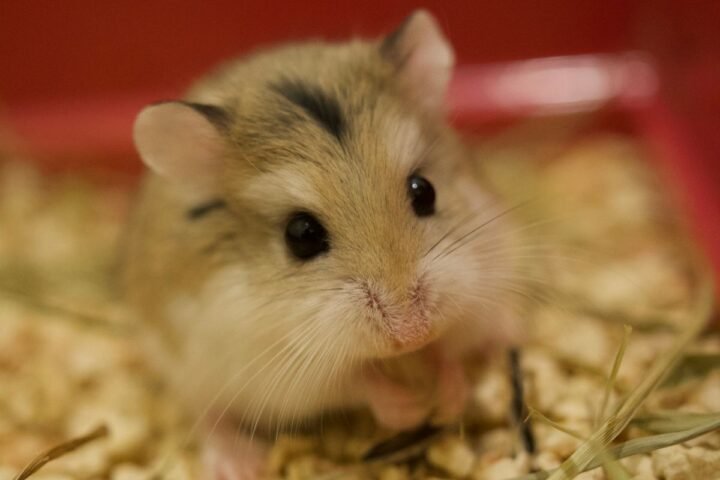
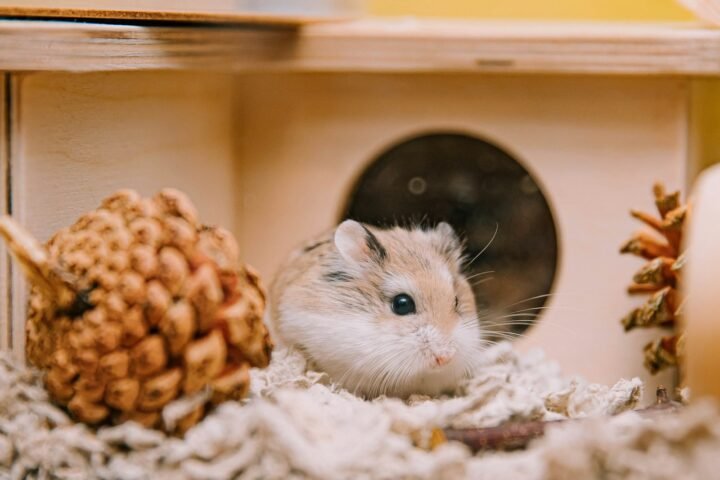
| Roborovski Dwarfs | Not recommended | Avoid ideally | Avoid ideally | High diabetes risk |
| Campbell’s Dwarfs | No | Avoid completely | Never | Extreme diabetes risk |
| Winter White Dwarfs | Extremely limited | ⅛ berry | Monthly | Monitor for diabetic symptoms |
| Chinese Hamsters | Yes, with precautions | ¼ berry | Bi-weekly | Quarter berries, watch for digestive upset |
| Baby Hamsters (all) | No, until 4 months | Avoid completely | Avoid completely | Immature digestive systems |
Nutritional Alternatives: Lower-Sugar Berry Options
If you’re exploring whether hamsters can eat blueberries, consider these alternatives with better sugar-to-nutrient ratios:
- Raspberries – Significantly lower sugar (4.4g vs. 10g in blueberries), higher fiber (6.5g vs. 2.4g), similar antioxidant content
- Blackberries – Comparable sugar to raspberries (4.9g), exceptionally high in vitamin K and manganese
- Strawberries – Approximately half the sugar (4.9g vs. 10g), excellent vitamin C content, generally better tolerated
- Cranberries (fresh, unsweetened) – Much lower sugar (4g), higher acidity, exceptional for urinary tract health
- Mulberries – Lower acidity, good iron content, often well-tolerated by sensitive individuals
- Gooseberries – Higher vitamin C, lower sugar, but limited availability in many regions
- Elderberries (cooked only) – Must be cooked to remove toxins, then offered in minuscule amounts as rare treats
- Acai (freeze-dried powder, tiny amounts) – Exceptional antioxidants but must be unsweetened and offered in rice-grain amounts
Comparative Analysis: Blueberries vs. Other Fruits
Understanding how blueberries compare to other fruits helps contextualize their place in a hamster’s diet. Unlike bananas (higher sugar) or watermelon (higher water), blueberries present unique considerations:
| Fruit (per 100g) | Sugar Content | Antioxidants (ORAC) | Vitamin C (mg) | Fiber (g) | Relative Safety |
|---|---|---|---|---|---|
| Blueberries | 10.0g | 4,669 | 9.7 | 2.4 | ⚠️ Low-Moderate |
| Raspberries | 4.4g | 5,065 | 26.2 | 6.5 | ✅ Moderate-High |
| Strawberries | 4.9g | 4,302 | 58.8 | 2.0 | ✅ Moderate-High |
| Blackberries | 4.9g | 5,905 | 21.0 | 5.3 | ✅ Moderate-High |
| Bananas | 12.2g | 795 | 8.7 | 2.6 | ⚠️ Low |
The Pesticide Crisis: Why Organic Blueberries Are Non-Negotiable
When considering whether hamsters can eat blueberries, the organic requirement isn’t optional—it’s essential for safety:
Environmental Working Group’s 2024 “Dirty Dozen Plus” Report Findings:
90% of non-organic blueberry samples contained pesticide residues
Average of 10.2 different pesticides per positive sample
18% contained pesticides exceeding established tolerance levels
Multiple samples contained phosmet and malathion—organophosphates with documented neurotoxic effects
Several detected pesticides are classified as probable human carcinogens
Why This Matters Critically for Hamsters:
Small body mass means toxins concentrate dramatically (approximately 50x human concentration ratios)
Faster metabolic rates may process chemicals into more toxic metabolites
Blood-brain barrier in small rodents may be more permeable to certain pesticides
Cumulative exposure from bedding, water, and other foods creates additive effects
Some pesticides specifically affect neurological development and reproductive systems
If Organic Blueberries Are Unavailable:
Choose frozen organic over fresh conventional – Frozen often has fewer preservatives
Baking soda wash protocol – Soak 15 minutes in 1tsp baking soda per 2 cups of water
Vinegar rinse alternative – Follow baking soda with vinegar rinse (3:1 water: vinegar)
Consider berry alternatives – Raspberries and blackberries often have lower pesticide loads
Peel if necessary – Sacrifices nutrients but removes surface residues
The Diabetes Dilemma: Special Considerations for Dwarf Hamsters
The question can hamsters eat blueberries has dramatically different answers for dwarf species:
Genetic Predisposition Data:
Campbell’s dwarf hamsters: Up to 85% develop diabetes-like conditions on high-sugar diets
Winter White dwarfs: Approximately 40-50% risk due to hybrid genetics
Roborovski dwarfs: Lower risk (15-20%) but still significant compared to Syrians
Syrian hamsters: Less than 5% natural diabetes incidence
Modified Species-Specific Recommendations:
Campbell’s Dwarfs: Complete blueberry avoidance recommended by most exotic veterinarians
Winter White Dwarfs: Maximum ⅛ berry monthly if at all; many vets recommend avoidance
Roborovski Dwarfs: ⅛ berry monthly maximum with careful monitoring
Syrian Hamsters: ¼ berry weekly maximum with weight and behavior monitoring
Monitoring for Diabetic Symptoms:
Polyuria/Polydipsia: Excessive urination and water consumption (suddenly emptying water bottles)
Weight Changes: Unexplained weight loss despite normal or increased eating
Behavioral Shifts: Lethargy, decreased activity, or changes in grooming
Urine Characteristics: Sweet odor, sticky residue, or increased volume
Coat Changes: Dull fur, thinning, or poor grooming
If symptoms appear, immediately eliminate all fruits and consult an exotic veterinarian for proper diagnosis. Diabetes management in hamsters typically involves dietary modification and sometimes medication.
Seasonal Feeding Strategy: Optimizing Blueberry Benefits
Intelligent hamster feeding adapts to seasonal availability:
Summer Peak Season (June-August):
The optimal time for blueberry introduction is appropriate for the species
In-season berries have the best flavor and nutrient profiles
Introduce gradually as part of the summer dietary expansion
Monitor closely for heat-related digestive sensitivity
Autumn Transition (September-November):
Gradually reduce frequency as berries become less available
Transition to autumn fruits like small apple pieces or pumpkin
This natural rotation prevents overexposure and maintains variety
Winter (December-March):
Limit or avoid blueberries completely
Out-of-season berries are typically imported, less nutritious, and may have higher preservatives
Focus on winter vegetables and appropriately stored foods
Spring (April-May):
Evaluate whether to reintroduce based on the previous season’s experience
Consider alternative berries that may be better tolerated
Always reintroduce gradually after the winter hiatus
Can Hamsters Eat Blueberries? Conclusion: The Final Verdict on Hamsters Eating Blueberries
After examining all evidence, consulting veterinary sources, and considering species differences, here’s the definitive answer to “can hamsters eat blueberries”:
Syrian hamsters can eat microscopic portions of organic blueberries as rare treats with extreme precautions, while dwarf hamsters should generally avoid blueberries due to unacceptable diabetes risks. The exceptional antioxidant benefits do not justify the sugar-related dangers for most hamster species.
That initial moment with my hamster and the blueberry taught me that nutritional “superfoods” for humans don’t necessarily translate safely to our pets. While the deep blue berry looked appealing and nutrient-dense, the risks—particularly for dwarf species—outweigh the benefits for regular feeding.
The most responsible approach recognizes:
Blueberry benefits are real, but concentration-dependent – Tiny portions provide minimal antioxidant impact
Sugar risks are substantial – Particularly for genetically predisposed dwarf species
Organic sourcing is non-negotiable – Pesticide contamination presents real dangers
Lower-sugar alternatives exist – Raspberries and blackberries offer similar benefits with fewer risks
Individual monitoring trumps general rules – Each hamster’s tolerance varies
Your hamster’s health reflects your informed choices. By understanding both the exceptional benefits and significant risks of blueberries, you can make decisions that protect rather than jeopardize your pet’s well-being.
For more evidence-based hamster nutrition guidance, including comparisons between different fruits and appropriate treat frequencies, explore our comprehensive resources at PetsFilled.us. Your dedication to proper research makes you an exceptional hamster caretaker!
Can Hamsters Eat Blueberries? Frequently Asked Questions About Hamsters and Blueberries
Can hamsters eat blueberry skins?
Yes, if organic and thoroughly washed. The skin contains concentrated anthocyanins. Blueberry skins host the highest antioxidant concentrations but also accumulate pesticide residues. With organic berries and proper washing, the skins can remain. For conventional berries (which should be avoided), peeling would remove nutrients and isn’t practical—better to choose organic or alternative fruits.
How many blueberries can I give my hamster?
Not “how many” but “how little.” Syrian hamsters should receive a maximum ¼ of one a small blueberry weekly. Dwarf hamsters should receive ⅛ berry monthly at most, if fed at all. Always quarter or further divide berries to prevent choking and control portions. Never feed whole blueberries regardless of hamster size.
Can dwarf hamsters ever eat blueberries safely?
Most exotic veterinarians recommend complete avoidance of dwarf species. The combination of 10% sugar content and genetic diabetes predisposition creates unacceptable risks. Campbell’s and Winter White dwarfs should never receive blueberries. Roborovski dwarfs might tolerate ⅛ berry monthly with careful monitoring, but most professionals recommend safer alternatives.
Are frozen blueberries safe for hamsters?
Yes, if organic, completely thawed, and patted dry. Thaw to room temperature naturally (not microwaved), pat dry thoroughly to remove excess moisture, and serve the same microscopic portions as fresh berries. Avoid blueberries frozen with added sugars, syrups, or preservatives. Freezing may slightly reduce nutrient content, but it doesn’t introduce toxins.
Can baby hamsters eat blueberries?
No, wait until at least 4 months old, and then only if appropriate for the species. Baby hamsters have immature digestive systems that cannot properly process the sugars and acidity in blueberries. Their nutrition should come from mother’s milk, then high-quality hamster pellets. Introduce vegetables before considering any fruits, starting with the safest options first, around 3-4 months.
Do blueberries help with hamster urinary health?
Possibly, but risks outweigh potential benefits for most hamsters. Blueberries contain compounds that may support urinary tract health, but cranberries (lower sugar) offer similar benefits with fewer risks. For urinary concerns, consult your veterinarian about appropriate treatments rather than relying on blueberries as preventive measures.
Can hamsters eat dried blueberries?
Absolutely not—dried fruits are dangerous for hamsters. Drying concentrates sugars to dangerous levels (approximately 65g sugar per 100g vs. 10g in fresh). The texture also creates choking hazards and dental risks. Additionally, many commercial dried blueberries contain added sugars and preservatives. Only offer fresh, organic blueberries in microscopic amounts if feeding at all.
What about wild blueberries vs. cultivated?
Wild blueberries often have higher antioxidants but similar sugar content. Wild varieties (Vaccinium angustifolium) typically have smaller berries with more concentrated antioxidants but comparable sugar levels to cultivated varieties (Vaccinium corymbosum). The same safety rules apply: organic only, microscopic portions, species-appropriate frequency.
Can hamsters have blueberry leaves or stems?
No, only the fruit itself should be fed. Blueberry leaves, stems, and flowers may contain different compounds that could cause digestive upset. Additionally, they often have higher pesticide concentrations if not from organic sources. Always offer only the blueberry fruit flesh, properly washed and portioned.
How do I know if my hamster is having a bad reaction to blueberries?
Watch for diarrhea, lethargy, decreased appetite, or increased drinking within 24 hours. These indicate potential digestive upset or blood sugar issues. More severe reactions (though rare) could include allergic symptoms like swelling or difficulty breathing. If any adverse reactions occur, discontinue blueberries immediately and consult your veterinarian if symptoms persist.