
Can Hamsters Eat Watermelon? Portion Size, Seeds and Spoilage
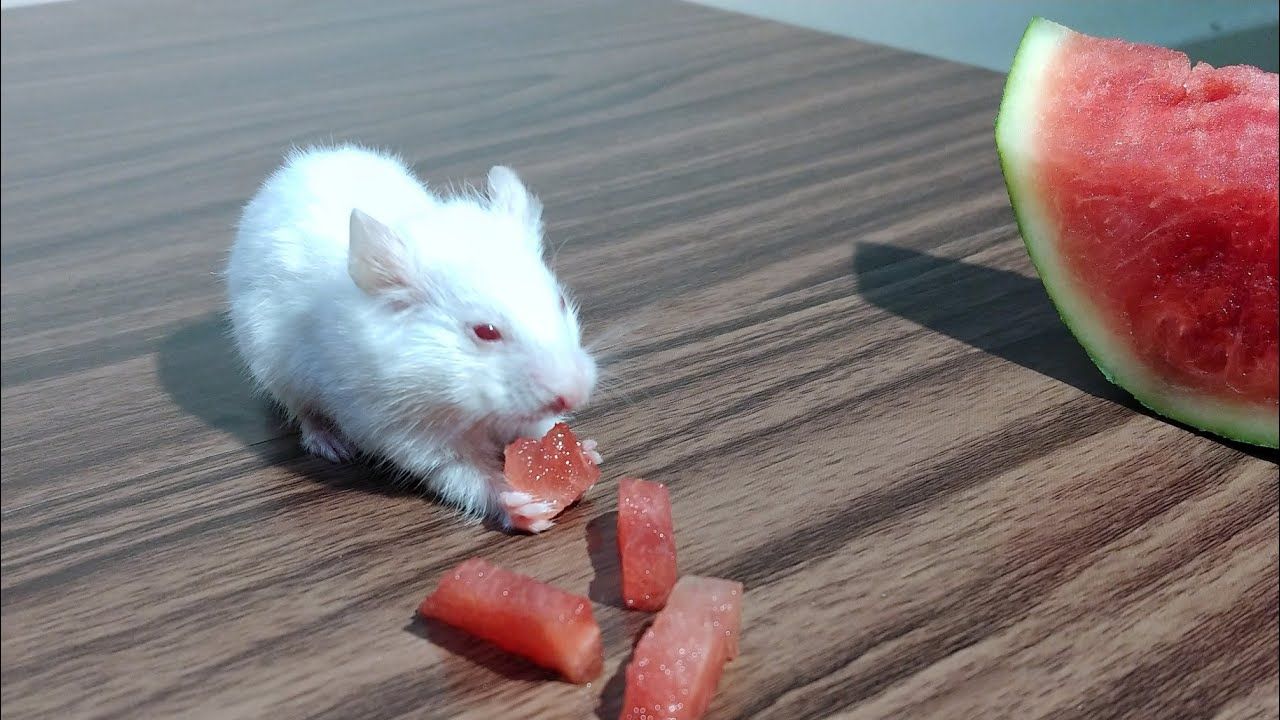
Most healthy hamsters can have a tiny piece of plain watermelon flesh occasionally. The fruit is mostly water and contains natural sugar, so it should stay a small extra rather than a hydration strategy or regular snack.
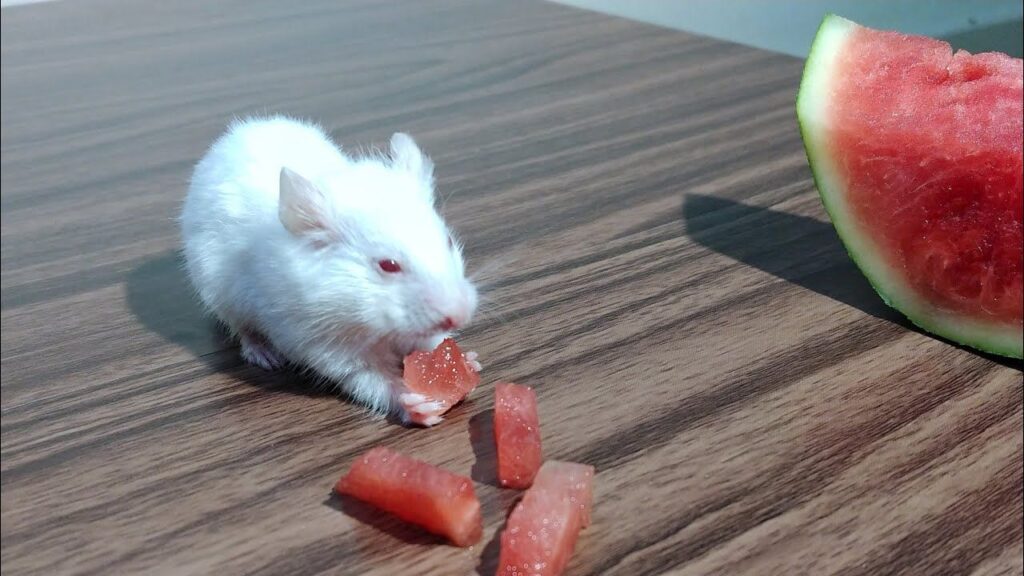
Use a very small serving
A small fragment is enough. Blue Cross recommends very small fresh-food portions for hamsters, and watery fruit can spoil quickly in bedding.
Remove seeds and rind
Offer only plain flesh. Removing seeds reduces choking and storage problems, while skipping the tough rind keeps the serving simple and easier to monitor.
Watermelon does not replace drinking water
Fresh clean water should remain available at all times. Fruit should never be used as the hamster’s main hydration source.
Watch for loose stool
Too much watery food can contribute to digestive upset. Introduce a tiny amount and stop if stool becomes abnormal.
Check the food hoard
Remove uneaten watermelon before it ferments or molds. Normal dry-food stores can be left as undisturbed as practical.
The RSPCA hamster diet guidance keeps fresh foods secondary to a balanced formulated ration.
Watermelon is mainly a watery sweet treat
Its value is variety, not nutrition the hamster cannot get elsewhere. RSPCA recommends keeping fresh foods small and secondary to the balanced ration.
Use flesh only
Removing the rind and seeds keeps the serving simple and easier to monitor. A tiny piece of plain ripe flesh is enough.
Do not offer a human-sized cube
Watermelon is mostly water, so large portions can contribute to digestive upset while adding sugar. A fragment smaller than a normal bite is plenty.
Seedless still needs portion control
A seedless variety removes one preparation step but does not make a larger portion appropriate.
Fresh is better than candy-like watermelon products
Avoid dried sweetened watermelon, gummy products, juice, flavored ice pops and fruit mixes in syrup. These are not hamster foods.
Check the hoard quickly
Watermelon can leak moisture into bedding and spoil fast. Remove leftovers later the same day rather than leaving them in a hidden cache.
Introduce it alone
If watermelon is new, do not introduce another new fruit or vegetable in the same session. That makes digestive changes easier to interpret.
What if stool becomes soft?
Stop watery fresh foods and return to the normal ration and water. Persistent diarrhea, reduced appetite or a dirty hind end needs veterinary advice.
Watermelon does not replace the water bottle
The hamster still needs uninterrupted access to clean drinking water. Fruit cannot compensate for a leaking or blocked bottle.
Hot weather requires environmental cooling
Watermelon is not a heat-stress treatment. Keep the enclosure out of direct sun, maintain safe room temperature and provide reliable water. PDSA recommends only tiny amounts of hydrating fresh foods alongside proper cooling measures.
Dwarf hamsters and sweet fruit
Be especially conservative if the hamster is overweight or has a health concern involving glucose regulation. There is no health penalty for skipping watermelon entirely.
Use the portion as enrichment
Hide the tiny piece in a safe forage setup rather than increasing quantity. The hamster gets more activity from the same food.
A simple watermelon checklist
- ripe plain flesh only;
- tiny portion;
- remove rind and seeds;
- introduce alone;
- remove leftovers promptly;
- watch stool and appetite.
How often can watermelon be offered?
There is no need to offer it frequently. Watermelon is mainly a sweet, watery novelty, so occasional use is enough.
Do not let watery foods dominate the fresh-food rotation
If cucumber, watermelon and other high-moisture foods are all fed together, digestive upset becomes more likely and it becomes harder to identify which food caused it.
Rind is not useful chewing enrichment
Do not leave the rind because it feels “natural” or tough. Appropriate chew items are safer and more predictable for dental wear.
Juice is a poor substitute for the fruit
Watermelon juice is hard to portion, sticky and unnecessary. Serve a tiny piece of plain flesh if you choose to offer it at all.
Do not use watermelon for a hamster that already has soft stool
Pause watery fresh foods and keep the normal ration and drinking water available. Seek veterinary advice if diarrhea or a wet hind end persists.
Watch room temperature separately from feeding
A hamster that is overheated needs environmental cooling, not a large serving of chilled fruit. Keep the enclosure away from direct sun and maintain a safe ambient temperature.
Older hamsters may need closer spoilage checks
A less active hamster may leave more food uneaten. Check caches carefully so wet fruit does not remain hidden.
What if the hamster eats a large piece?
Remove additional fresh treats, monitor stool and appetite, and keep normal water available. Persistent signs deserve veterinary advice.
Use the treat to encourage natural searching
Hide the same tiny piece in a simple paper forage item rather than increasing the serving. Behavioral value can come from how food is offered.
Do not use watermelon after diarrhea
When stool is abnormal, adding more watery fruit can complicate the picture. Keep the usual ration and water available and seek veterinary advice if the problem persists.
Check bedding where the hamster usually hoards food
A hidden watermelon piece can soak the nest or nearby substrate. Damp bedding should be removed and replaced without destroying the entire burrow if that can be avoided.
Watermelon rind is not a chew toy
Chewing needs should be met with appropriate safe materials rather than leftover fruit rind.
Watermelon is one of the easiest fruits to overfeed
Because it looks light and watery, a large piece can seem harmless. For a hamster, however, that large piece still adds sugar, moisture and a substantial volume of food relative to body size.
Do not offer the juice-soaked bedding as “enrichment”
If fruit leaks into paper or substrate, remove the damp material. Wet bedding near the nest can become unhygienic quickly.
Keep the normal ration available after a treat
Do not reduce access to the balanced food because watermelon was given. The treat is extra variety, not a meal replacement.
Fruit frequency matters more than fruit branding
Whether the watermelon is organic, seedless or premium does not change the need for a tiny portion. The hamster’s overall diet pattern matters more than the label on the fruit.
Reader takeaway
Watermelon can fit as a tiny occasional treat for many healthy hamsters, but it is not a hydration treatment or dietary requirement. Portion size, spoilage control and the balanced ration remain the important parts.
Because it spoils quickly and adds a lot of moisture relative to its nutritional value, watermelon is best reserved for occasional variety rather than routine feeding. If you need a regular enrichment activity, use scattered balanced food, tunnels or digging opportunities instead of another fruit serving. Those activities add stimulation without extra sugar and are easier to repeat safely across the week. Keep watermelon as an occasional extra only, and remove any hidden leftovers promptly. If the hamster develops loose stool or reduced appetite afterward, stop fresh fruit and monitor closely. Ongoing symptoms deserve veterinary advice, especially if activity also drops noticeably overnight.
For another fruit option, see banana portions for hamsters. For the broader feeding plan, use our hamster diet guide.

0 comments