
Holland Lop Rabbit Care: Housing, Hay, Handling and Health
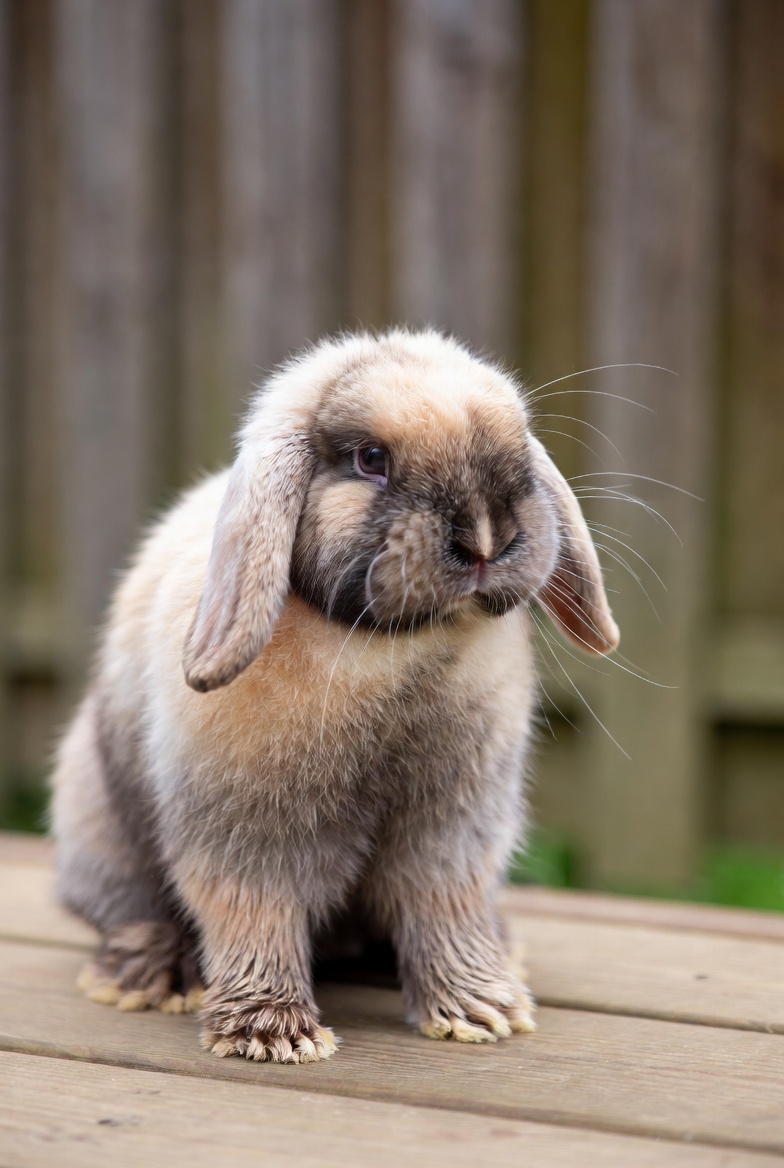
Holland Lops are compact rabbits with distinctive lop ears, but their small size does not make their care simple. They need generous living space, unlimited access to suitable hay, daily movement, social interaction, careful handling and access to a veterinarian who is comfortable treating rabbits.

A Holland Lop can be an affectionate companion, but rabbits are not low-maintenance cage pets. They hide illness well, have continuously growing teeth and depend on a high-fiber diet to support normal gastrointestinal function.
How much space does a Holland Lop need?
A traditional pet-store cage is not an entire living environment. The rabbit should be able to stand upright, stretch out fully, hop repeatedly and move between resting, eating and toilet areas.
An exercise pen, rabbit-proofed room or large indoor enclosure is usually more practical than a small cage. Provide non-slip flooring because smooth tile or laminate can make movement difficult. Add a hiding place where the rabbit can retreat without being grabbed.
The House Rabbit Society’s housing guidance emphasizes giving rabbits room for normal movement and exercise rather than treating confinement as their full-time lifestyle.
Hay is the foundation of an adult rabbit’s diet
For most healthy adult rabbits, grass hay should make up the largest part of the diet and be available continuously. Timothy, orchard and other suitable grass hays provide the long fiber that supports normal gut movement and tooth wear.
Hay should smell fresh and be free of mold, excessive dust and dampness. Many rabbits eat more hay when it is offered near the litter box or refreshed several times a day.
Our rabbit dental-care guide explains why hay intake matters for teeth as well as digestion.
What about pellets?
Pellets are concentrated food, so they should not replace hay. Choose a plain rabbit pellet appropriate for the rabbit’s age and life stage rather than a colorful seed-and-cereal mix.
The exact amount depends on body size, age, health, the product and the veterinarian’s advice. Obesity can develop when pellets and treats are overfed while hay consumption is low.
Fresh greens and new foods
Appropriate leafy greens can add variety and moisture to the diet. Introduce new foods gradually so you can see how the rabbit responds.
Avoid sudden large dietary changes. Rabbits have sensitive gastrointestinal systems, and a dramatic change in food intake can contribute to problems.
Fresh water should always be available
Use a heavy bowl, bottle or both depending on what the rabbit reliably uses. Many rabbits drink readily from a bowl because it allows a more natural drinking posture.
Check water at least twice daily. A rabbit that suddenly stops drinking or eating deserves attention, especially if fecal output also decreases.
Treats should stay small
Fruit and commercial rabbit treats can be high in sugar or starch. They are optional, not nutritional necessities. A small piece is very different from a bowlful.
Do not use treats to compensate for a poor hay intake. If a rabbit refuses hay, investigate the cause rather than filling the diet with more appealing foods.
Holland Lop ears need regular observation
Lop ears hang differently from upright ears and may have reduced airflow. Some lop-eared rabbits are predisposed to ear disease. Watch for scratching, head shaking, discharge, odor, swelling, pain, head tilt or reluctance to be touched around the ears.
Do not pour cleaners or medications into the ear canal without veterinary advice. A painful ear needs examination, not routine home treatment.
Dental problems can become emergencies
Rabbit teeth grow continuously. Poor alignment, inadequate wear or other dental disease can lead to sharp points, pain, drooling, reduced appetite and gastrointestinal slowdown.
Warning signs include dropping food, preferring soft food, wet fur around the mouth, weight loss, smaller fecal pellets or refusing hay. A rabbit that cannot eat normally needs prompt veterinary care.
Handling a Holland Lop safely
Rabbits have powerful hind legs and relatively delicate spines. Support both the chest and hindquarters whenever lifting is necessary. Keep the rabbit close to your body and close to the floor until you are confident.
Never lift a rabbit by the ears or scruff. Do not allow children to carry a struggling rabbit around the room.
Our safe rabbit-handling guide explains how to support the body and reduce the risk of falls.
Many rabbits prefer interaction on the floor
A rabbit may enjoy sitting beside a person, accepting forehead strokes or climbing onto a lap while still disliking being picked up. Respect that distinction.
Build trust by sitting at floor level and allowing the rabbit to approach. Forced handling can make future veterinary or grooming care harder.
Litter training
Many rabbits naturally choose one or two toilet areas. Place a litter tray in the preferred corner and put hay nearby or above one end so the rabbit can eat while using the tray.
Use rabbit-safe litter. Avoid strongly scented products and clumping cat litter that may create problems if ingested.
Exercise and enrichment
Daily movement is important. Provide tunnels, boxes, chew items, digging opportunities and safe places to explore. Rotate simple objects rather than constantly buying new toys.
Cardboard can be useful for rabbits that shred without eating large quantities. Remove tape, staples and plastic first.
Rabbit-proof the home
Electrical cords, houseplants, baseboards, carpet edges and upholstered furniture are common chewing targets. Cover cords in protective conduit and block access to unsafe areas.
Check every plant before allowing access. Some ornamental plants are toxic, and “the rabbit has never touched it before” is not a reliable safety strategy.
Temperature matters
Rabbits generally tolerate cool conditions better than heat. Indoor housing should be well ventilated and protected from direct sun, heaters and hot enclosed spaces.
Heavy panting, weakness, collapse or very hot ears can accompany heat stress and require urgent action. Do not place an overheated rabbit in ice water; contact a veterinarian while using gentle cooling measures.
Grooming and shedding
Brush regularly, especially during heavy sheds, because rabbits swallow hair while grooming themselves. Long nails also need trimming.
Do not routinely bathe rabbits. Full-body bathing can be stressful and may contribute to chilling or injury. Local cleaning should be discussed with a rabbit-savvy veterinarian when needed.
Spaying, neutering and preventive care
Discuss sterilization with an experienced rabbit veterinarian. In addition to preventing litters, spaying females is commonly recommended because intact females have a substantial risk of reproductive disease as they age.
Preventive care also includes weight monitoring, dental checks, parasite discussion and vaccinations where diseases and licensed products make them appropriate in your country.
GI stasis: know the warning signs
A rabbit that stops eating or produces far fewer fecal pellets can deteriorate quickly. Gastrointestinal stasis is not a diagnosis you should try to manage for days at home without professional input.
Urgent warning signs include refusal of food, very small or absent feces, a swollen or painful abdomen, marked lethargy, tooth grinding from pain or a hunched posture.
The House Rabbit Society’s health resources reinforce the importance of taking appetite and fecal changes seriously because rabbits can decline rapidly.
Social needs
Rabbits are social animals. Some live successfully with a compatible bonded rabbit, while others receive much of their interaction from people. Bonding rabbits should be done gradually and safely, usually after sterilization.
Do not place unfamiliar rabbits together and assume they will become friends. Fighting can cause severe injuries.
Children and Holland Lops
A small rabbit may look ideal for a child, but rabbits are fragile and often dislike being carried. Adults should remain responsible for feeding, cleaning, veterinary care and safe handling.
Children can participate by sitting on the floor, offering approved greens and learning to read when the rabbit wants space.
How long is the commitment?
Well-cared-for domestic rabbits can live for many years. Before adopting, consider housing, veterinary access, travel care and whether the household can maintain the same level of responsibility long after the novelty of a young rabbit passes.
Bottom line
A Holland Lop needs far more than a small cage and a bowl of pellets. Build the care plan around unlimited suitable hay, generous indoor space, safe movement, careful handling, daily observation and access to rabbit-experienced veterinary care. Appetite, fecal output, dental comfort and ear health deserve particular attention because rabbits can hide illness until a problem is advanced.

0 comments