PetsFilled Us
You Are Reading
100 Cutest & Smallest Dog in the World Breeds You’ll Absolutely Love
0
Dog

100 Cutest & Smallest Dog in the World Breeds You’ll Absolutely Love

100 Cutest & Smallest Dog in the World Breeds You’ll Absolutely Love

🔄 Updated: This guide was last reviewed on January 15, 2026 for accuracy.

100 Cutest & Smallest Dog in the World Breeds You’ll Absolutely Love is what this article is all about for the sake of those who are planning to become a pet owner.

Let me tell you something I’ve learned after decades working with dogs of all sizes: the smallest dogs pack the biggest personalities. I’ve had Great Danes lick my face, and Chihuahuas try to run my household, and honestly, I’m not sure which is more impressive.

These little dogs aren’t just portable pets; they’re full-fledged companions with brains, bravery, and more attitude than you’d expect from something that fits in a purse. Whether you’re in a studio apartment or just prefer a dog who can ride in the car without needing their own seat, these breeds prove that greatness comes in small packages.

In this guide, I’ll share 100 of the world’s smallest dog breeds, from the familiar faces you see in celebrity handbags to rare gems you might not have heard of yet. Based on my experience as a trainer and breed consultant, I’ll also give you the real talk on what these tiny dogs actually need to thrive because, despite their size, their care requirements are anything but small.


100 Cutest & Smallest Dog Breeds You’ll Absolutely Love

100 Cutest & Smallest Dog Breeds You'll Absolutely Love
100 Cutest & Smallest Dog Breeds You’ll Absolutely Love

1. Chihuahua: The Original Pocket-Sized Companion

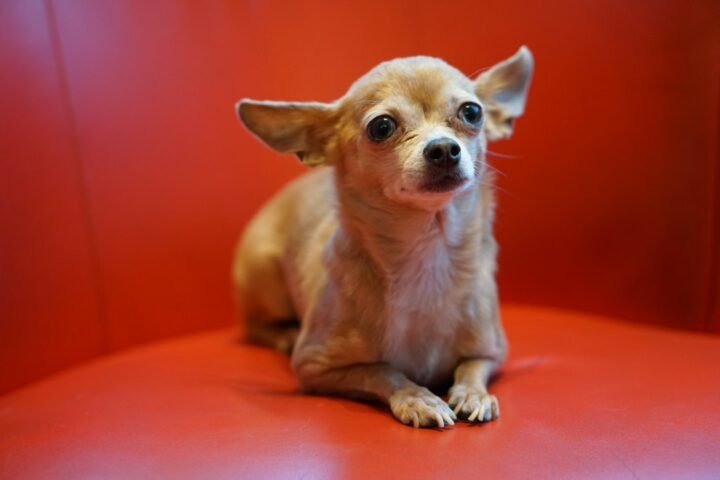
Let’s start with the classic. I’ve worked with Chihuahuas for years, and what always surprises new owners is their complexity. Yes, they’re tiny (often under 4 pounds), but they’re not delicate ornaments; they’re sturdy, opinionated dogs with ancient lineage. I’ve seen Chihuahuas hike miles on trails and curl up contentedly in a jacket pocket. The key is respecting their intelligence while providing proper care. Their small mouths need dental attention, and their metabolism requires specialized nutrition. I often refer clients to this small dog food guide for breed-specific advice.


2. Yorkshire Terrier: Big Personality in a Silky Package

I’ll never forget a Yorkie client named Winston who thought he was a Rottweiler. At 7 pounds, he ruled his household with an iron paw. What I appreciate about Yorkies is their adaptability; they’re equally happy in a city apartment or country home, as long as they’re with their person. That beautiful coat requires commitment, though. I recommend regular grooming and proper nutrition to maintain that signature silkiness. Many of my clients have found success with wet dog food options for hydration and coat health.


3. Pomeranian: A Fluffy Bundle of Joy

Early in my career, I underestimated Pomeranians. Then I met a Pom who could do agility courses better than some Border Collies. These 3 to 7-pound dynamos are all intelligence and energy wrapped in that incredible double coat. The grooming is serious business, matting happens quickly, and can cause skin issues. I teach owners to make grooming a positive experience from puppyhood. For maintenance tips, I often suggest dog hygiene routines that prevent common small breed issues.


4. Toy Poodle: Intelligence Wrapped in Elegance

As a trainer, Toy Poodles are some of my favorite students. I’ve worked with them as therapy dogs, agility competitors, and family companions. Their intelligence is remarkable. I’ve seen them learn complex commands in single training sessions. At 4 to 6 pounds, they’re ideal for allergy sufferers and apartment dwellers, but they need mental stimulation. A bored Poodle is a destructive Poodle. For training foundations, I always recommend following a structured approach like this dog training guide.


5. Russian Toy: Europe’s Best Kept Secret

I encountered this breed at an international dog show and was immediately fascinated. Weighing under 5 pounds with those distinctive large ears, they’re lively, affectionate, and surprisingly robust. They’re still rare in the US, but I’m seeing more interest as people discover their charming personalities. They do well with positive reinforcement training and need proper socialization to prevent nervousness.


6. Japanese Chin: A Piece of Living Art

There’s something almost feline about the Japanese Chin’s grace. I’ve worked with several, and their quiet dignity is captivating. At just 4 to 9 pounds, they’re perfect lap companions but surprisingly playful when they choose to be. Their flat faces require monitoring in heat, and their large eyes need protection. If you’re interested in Japanese breeds beyond the Chin, I’ve compiled information in my complete Japanese dog breed guide.


7. Affenpinscher: The Mustachioed Mischief Maker

“Monkey dog” is an accurate description. I’ve seen Affenpinschers climb furniture like primates and solve puzzles with impressive cunning. Under 7 pounds but with the confidence of a much larger dog, they need firm, consistent training. Their wiry coat requires regular grooming, and their energy needs proper nutrition. For active small breeds like these, I often recommend considering fresh dog food options for optimal health.


8. Papillon: The Butterfly-Eared Athlete

Don’t let the delicate appearance fool you, I’ve seen Papillons compete in agility against dogs ten times their size. Their intelligence and athleticism are extraordinary for a 5 to 10-pound dog. Those beautiful ears require regular cleaning, and their fine bone structure means careful handling is essential. Nutrition is critical for maintaining their energy levels, which is why I caution owners about dog food brands to avoid.


9. Brussels Griffon: The Expressive Companion

I’ve worked with Brussels Griffons in therapy settings, and their emotional intelligence is remarkable. They seem to read human feelings with uncanny accuracy. At 8 to 12 pounds, they form intense bonds with their people and can struggle with separation anxiety. Their facial wrinkles need daily cleaning to prevent infection. Before adopting any breed, I always encourage prospective owners to understand the full commitment, detailed in resources like this real cost of adopting a pet guide.


10. The Teacup Reality Check

Let me be honest about teacup breeds. I’ve seen too many health crises resulting from irresponsible breeding for extreme smallness. While a 2-pound dog might seem adorable, they often face serious health challenges: fragile bones, hypoglycemia, dental crowding, and heart issues. If you’re considering a teacup, please research extensively and consult reputable organizations. The American Kennel Club’s stance provides important guidelines for responsible ownership.


11. Pekingese: Imperial Presence

There’s a reason these dogs were Chinese royalty; they carry themselves with undeniable majesty. Under 10 pounds but with impressive presence, they’re less yappy than some small breeds but equally protective. That magnificent coat requires daily grooming I’ve seen mats form in hours if neglected. Regular dog hygiene products are essential for maintaining their coat and skin health.


12. Cavapoo: The Hybrid Sweetheart

In my experience as a trainer, Cavapoos consistently rank as some of the easiest small dogs to train. Their Cavalier sweetness combined with Poodle intelligence creates a wonderful family companion. Size can vary considerably, so work with reputable breeders who prioritize health. For comprehensive information, I’ve helped develop this ultimate Cavapoo guide.


13. Chinese Crested: Unique Beauty

I’ve groomed Chinese Cresteds for show and companionship, and they’re truly unique dogs. The hairless variety requires sun protection in summer and warmth in winter, while the powderpuff needs regular grooming. At 8 to 12 pounds, they’re sensitive souls who thrive on attention and routine.


14. Italian Greyhound: The Delicate Athlete

These 7 to 14-pound dogs are miniature athletes. I’ve worked with Italian Greyhounds in lure coursing, and their speed is breathtaking. They’re sensitive to cold (sweaters are often necessary) and can be timid without proper socialization. Their fine bones require careful handling, especially with children.


15. Dachshund: Small Body, Big Personality

Miniature Dachshunds (8 to 11 pounds) have been some of my most memorable clients. Their determination is legendary, and their comical personalities brighten any home. Their long backs require careful management, no jumping on/off furniture, and weight control is crucial. For budget-conscious owners, I recommend the best budget-friendly dog food options that still provide proper nutrition.


Lesser-Known Small Breeds Worth Exploring

Through my work with breed clubs and international shows, I’ve encountered these wonderful small breeds that deserve more recognition. Most weigh under 10 pounds and offer unique characteristics worth considering.

  • Japanese Terrier

  • Miniature Pinscher

  • Bolognese

  • Dandie Dinmont Terrier

  • Miniature Fox Terrier

  • Sealyham Terrier

  • English Toy Terrier

  • Peruvian Inca Orchid (Small Variant)

  • Toy Manchester Terrier

  • Tibetan Spaniel

  • Prazsky Krysarik

  • Mi Ki

  • Papillon Chihuahua Mix

  • Biewer Terrier

  • Australian Silky Terrier

For those interested in Japanese breeds beyond the Chin, I’ve documented more in my guide to legendary Japanese breeds.


Urban Living Champions

These breeds have consistently impressed me with their adaptability to city life, handling noise, small spaces, and busy schedules with grace.

  • French Bulldog (Miniature lines)

  • Miniature Schnauzer

  • Havanese

  • Norfolk Terrier

  • Toy Xoloitzcuintli

  • Löwchen

  • Yorkiepoo

  • Maltipoo

  • Coton de Tulear

  • Scottish Terrier

  • Border Terrier

  • Teddy Roosevelt Terrier

  • Affen Tzu

  • Miniature Dachshund (again for variant)

  • Miniature Boston Terrier

For city dwellers who travel, I’ve researched pet-friendly dog hotels in San Diego as an example of urban pet accommodation options.


These designer mixes have become increasingly popular in my practice, and I’ve observed their temperaments and care needs firsthand.

  • Shorkie

  • Morkie

  • Chiweenie

  • Peekapoo

  • Pekepom

  • Pomchi

  • Torkie

  • Chorkie

  • Maltichon

  • Shih Poo

  • Poochon

  • Bugg

  • Papi Poo

  • Bichon Yorkie

  • Jack Chi

Before committing to any dog, I always encourage clients to understand the financial reality. This guide on the true cost of adoption covers what many first-time owners overlook.


Show Ring Standouts

Through my involvement with dog shows internationally, I’ve seen these rare breeds excel in competition, particularly in toy and companion categories.

  • Russian Tsvetnaya Bolonka

  • Toy Schipperke

  • Toy Bulldog (revived line)

  • Miniature Harrier

  • Miniature English Setter

  • Miniature Afghan Hound

  • Toy American Eskimo Dog

  • Toy Foxhound

  • Miniature Collie

  • Teacup Pekingese

  • Miniature Beagle

  • Miniature Irish Terrier

  • Miniature Sheltie

  • Miniature Klee Kai

  • Toy Alaskan Malamute (experimental line)

For those interested in the world of dog shows, I’ve compiled insights into Crufts 2025, the ultimate guide.


International Small Breeds

Through my connections with breeders and enthusiasts worldwide, I’ve encountered these fascinating small breeds from various countries.

  • Zuchon

  • Griffon Nivernais (mini)

  • Miniature Irish Water Spaniel

  • Miniature Portuguese Podengo

  • Miniature German Spitz

  • Miniature Finnish Lapphund

  • Miniature Samoyed (hybrid lines)

  • Petit Basset Griffon Vendéen

  • Miniature Lakeland Terrier

  • Miniature Basenji

  • Miniature Rat Terrier

  • Miniature Finnish Spitz

  • Miniature Westie

  • Miniature Belgian Griffon

  • Miniature Japanese Akita

For those particularly interested in Asian breeds, I’ve covered more in my post on Japanese dogs.


Based on my observations in the industry and conversations with breeders, these are the small breeds gaining attention this year.

  • Teacup Maltese

  • Micro Yorkie

  • Mini Goldendoodle (under 10 lbs)

  • Teacup Cavalier

  • Pomsky (micro)

  • Miniature Labradoodle (toy size)

  • Miniature Cavapoo

  • Miniature Schnorgi

  • Miniature Chi Poo

  • Miniature Yorkipoo

For all small breed owners, proper nutrition is non-negotiable. I regularly update my recommendations for the best dog food for small dogs based on the latest research.


Final Thought: Small Size, Big Impact

100 Cutest & Smallest Dog Breeds You'll Absolutely Love
100 Cutest & Smallest Dog Breeds You’ll Absolutely Love

After working with hundreds of small dogs over my career, what continues to amaze me is how much personality, intelligence, and love can be contained in such tiny packages. From the ancient Chihuahua to modern designer mixes, these dogs prove that companionship isn’t measured in pounds. They adapt to our lives, fit into our spaces, and claim oversized places in our hearts.

What I emphasize to all prospective small dog owners: these aren’t “easy” pets, they’re simply different. Their small size means greater vulnerability to injury, their fast metabolisms require careful feeding, and their big personalities need consistent training. But for those willing to meet their needs, the reward is a loyal companion who’ll share your life for many years. Choose wisely, care thoughtfully, and you’ll discover that sometimes the smallest things bring the greatest joy.

Frequently Asked Questions


What is officially the smallest dog in the world?

Based on my experience with breed standards and records, the title often goes to Chihuahuas. I’ve worked with some weighing under 2 pounds, though extreme smallness raises health concerns. The current Guinness record holder is indeed a Chihuahua, but I always caution that record-breaking size shouldn’t be a breeding goal; health should always come first.


Which dog breeds typically weigh under 5 pounds?

In my practice, I regularly see Chihuahuas, Russian Toy Dogs, some Pomeranians, and Yorkshire Terriers under 5 pounds. However, I stress that individual variation exists even within breeds, and health should be prioritized over achieving a specific weight.


Are teacup dogs healthy and safe to own?

I’ll be direct: teacup breeding often prioritizes size over health. In my career, I’ve treated too many teacup dogs for hypoglycemia, fragile bones, dental issues, and heart problems. If you’re considering one, please consult with veterinarians who specialize in small breeds and review resources like the American Kennel Club (AKC) for responsible breeding information.


What are the best small dog breeds for families?

Based on my work with families, I’ve found Cavapoos, Maltese, Havanese, and certain terrier mixes adapt well to family life when properly socialized. However, I always recommend meeting individual dogs rather than relying solely on breed generalizations.


How do I care for the smallest dog breeds?

From my experience: specialized nutrition (small kibble for tiny mouths), gentle handling to prevent injury, dental care from an early age, and careful temperature management. I often recommend resources like the best dog food for small dogs as starting points for proper care.


Do tiny dogs live longer than large dogs?

Generally, yes, and I’ve seen many small breeds live into their late teens with proper care. However, longevity depends on genetics, nutrition, preventive healthcare, and responsible breeding. I’ve encountered poorly bred small dogs with significant health issues that shortened their lives, so the quality of breeding matters tremendously.

About Author

Smith Sam brings research expertise to the PetsFilled team, specializing in pet behavior and naming trends. With a background in scientific communication, Smith translates animal behavior research into practical guidance for pet owners.

At PetsFilled, Smith leads naming trend analysis and contributes to comprehensive pet care guides. Their work involves analyzing naming data from shelters nationwide, researching name choices' impact on training, and interviewing veterinary behaviorists.

All articles undergo PetsFilled's editorial review and are vetted by our veterinary advisory board.