
Dog Feeding Guide: Portions, Life Stages, Treats and Body Condition
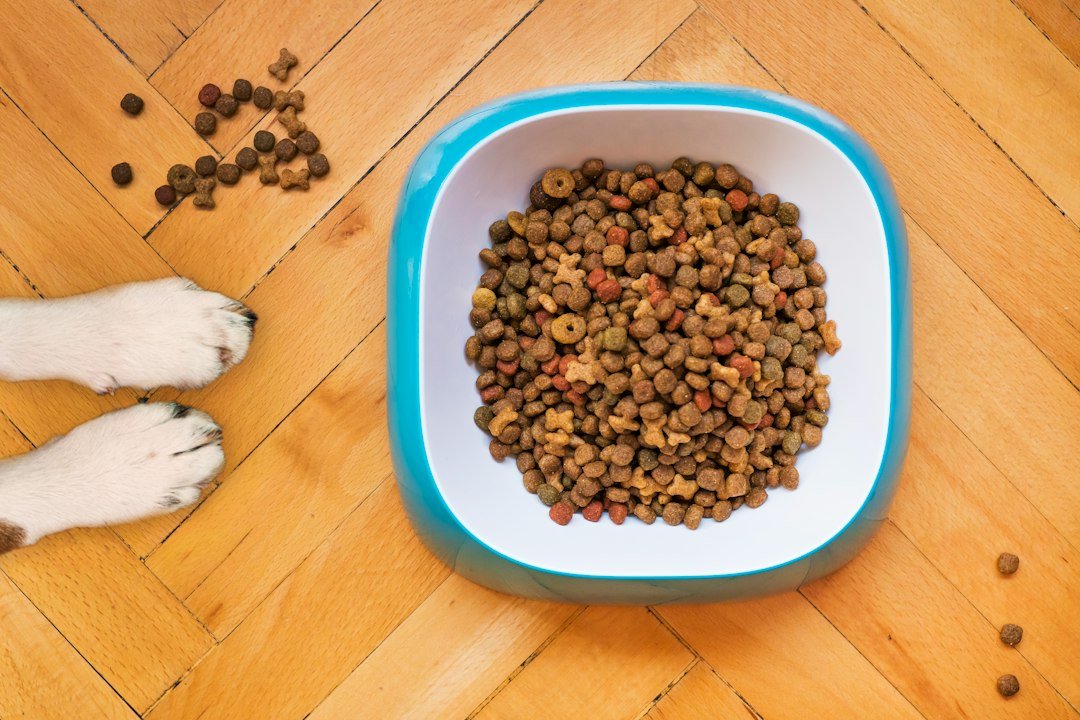
A good dog feeding plan is not built around one perfect brand, one fixed cup chart or one ingredient trend. It is built around five things: nutritional adequacy, life stage, calorie needs, body condition and the individual dog’s health.
This guide is the central PetsFilled feeding hub for healthy dogs and for owners trying to understand portions, meal frequency, treats, food transitions and how feeding changes from puppyhood through adulthood and senior years. Medical diets for kidney disease, pancreatitis, gastrointestinal disease and other conditions need a veterinarian-led plan, but the same basic principles still matter.
1. Start with complete and balanced nutrition
The most important label check is whether the food is nutritionally complete and appropriate for the dog’s life stage. AAFCO consumer guidance recommends using the nutritional-adequacy statement rather than relying on marketing language such as “premium,” “natural,” “high meat” or “holistic.”
For most healthy adult dogs, a complete adult-maintenance diet is appropriate. Puppies need food formulated for growth, and some large-breed puppies need growth diets that specifically support appropriate development for large adult size.
Our puppy food labels guide explains growth statements, calories and large-breed considerations in more detail.
2. Feeding charts are starting points, not prescriptions
Bag and can feeding directions estimate intake for an average dog. Real calorie needs vary with body size, age, neuter status, activity, climate, lean body mass and individual metabolism.
The Merck Veterinary Manual notes that energy needs can vary meaningfully even among animals of similar body weight. That is why a mathematically precise feeding calculation still needs to be adjusted from the dog’s actual weight and body condition over time.
3. Measure the food
“One scoop” is not useful unless the scoop is always the same size. A measuring cup is better, and weighing food in grams is even more consistent for small portions or calorie-sensitive dogs.
Measure the total daily ration before the day begins. If part of that food will be used for training, puzzle toys or enrichment, take it from the same daily allowance rather than adding it on top.
4. Body condition is more useful than appetite
Some dogs behave hungry even when they are receiving enough calories. Appetite alone is therefore a poor way to decide portion size.
Use body condition instead. The WSAVA nutrition resources recommend regular body-condition assessment. In a healthy dog, you should generally be able to feel the ribs under a light fat covering, see a waist from above and see an abdominal tuck from the side.
For a visual framework, use our dog body-condition score guide.
5. Puppies need controlled growth
Puppy feeding should support steady development, not the fastest possible weight gain. Overfeeding a growing dog adds body fat and may make controlled growth harder to maintain.
Young puppies usually need several meals each day because of small stomach capacity and higher energy needs relative to body size. As they mature, meal frequency can gradually decrease.
Large-breed puppies deserve particular attention to calorie intake and mineral balance. Do not add calcium or mineral supplements to a complete puppy diet unless a veterinarian specifically recommends them.
6. When should a puppy switch to adult food?
There is no single birthday that fits every dog. Small dogs generally mature earlier than large and giant breeds. Use expected adult size, growth rate and veterinary guidance rather than switching only because the dog reaches a certain month.
Switching too early can remove growth nutrition before it is appropriate. Staying on a calorie-dense puppy diet too long can also make weight control more difficult.
7. Adult dogs: consistency matters
Many healthy adult dogs do well with two measured meals each day. One meal can work for some dogs, but two meals often make portion control, appetite monitoring and medication schedules easier.
The strongest adult feeding plan is usually boring in the best way: complete food, consistent portion, modest treats and regular body-condition checks.
8. Active and working dogs need workload-based feeding
A recreationally active dog and a heavily working dog do not have the same energy needs. Dogs performing sustained field work, endurance activity or regular sport may need more calorie-dense diets with higher fat and appropriately balanced protein.
Our active-dog nutrition guide explains workload, fat, hydration and meal timing in detail.
Do not move a moderately active pet onto a high-energy performance formula just because the dog is muscular or athletic-looking. Calorie density must match actual exercise.
9. Small dogs need calorie precision
Small dogs have small total daily calorie budgets, so treats and table food can become a surprisingly large percentage of intake. Portion accuracy matters.
Our small-dog food guide covers kibble size, calorie density, dental considerations and life-stage needs for smaller dogs.
10. Breed-specific feeding should still be evidence-based
Breed can influence expected adult size, activity, appetite, dental risk and some health concerns, but most breeds do not require a unique nutrient profile simply because of the breed name.
Our feeding cluster now includes practical breed guides for Great Danes, Huskies, German Shepherds, Pit Bull-type dogs, Labradors, Goldendoodles, Corgis, Chihuahuas and Shiba Inus.
Those pages focus on real feeding differences such as body size, growth, activity and weight management rather than inventing breed-specific nutritional rules.
11. Treats count
Training rewards, dental chews, stuffed toys, table food and medication treats all contribute calories. Veterinary nutrition guidance commonly recommends keeping treats and extras modest so they do not displace complete nutrition.
An easy system is to measure the day’s complete food first and use part of it for training or enrichment. When higher-value treats are needed, use very small pieces.
12. Wet food, dry food or mixed feeding?
All three can work when the total diet is complete and calories are controlled.
- Dry food is convenient to weigh, store and use for training.
- Wet food adds dietary moisture and can improve palatability.
- Mixed feeding can combine both benefits, but calories from both formats must be counted.
Our wet dog food guide explains complete diets, toppers and medical formulations.
13. Food transitions should usually be gradual
If a healthy dog is changing from one complete food to another, gradually increase the new food while decreasing the old food over several days. This can reduce avoidable digestive upset.
A veterinarian may recommend a faster change for a medical reason. Follow that plan when treatment depends on the new diet.
14. Sensitive stomachs need a structured approach
Soft stool, gas and vomiting do not automatically mean the dog needs a product labeled “sensitive.” Fat level, fiber, digestibility, treats, abrupt food changes, parasites and disease can all matter.
Our sensitive-stomach dog-food guide explains elimination trials, digestibility, hydrolyzed diets and red flags that need veterinary evaluation.
15. Food allergy is not diagnosed from itching alone
Itchy skin, ear disease and paw licking can have many causes, including environmental allergy, fleas and infection. A true adverse food reaction is usually investigated with a controlled elimination-diet trial rather than random brand switching.
Repeatedly rotating proteins without a diagnostic plan can actually make a later elimination diet more complicated.
16. Grain-free is not automatically healthier
“Grain-free” describes ingredients, not nutritional quality. There is no general rule that healthy dogs should avoid grains.
Choose a food because it is nutritionally appropriate and well formulated for the dog, not because a marketing term sounds cleaner or more natural.
17. High protein is not automatically better
Protein is essential, but the crude-protein number alone does not tell you whether the entire food is well balanced or appropriate for the individual dog.
Healthy adult dogs generally do not need bodybuilding-style protein supplements. Puppies should not receive extra meat or protein powder to accelerate growth.
18. Fat changes calorie density
Fat provides more calories per gram than protein or carbohydrate. That makes higher-fat diets useful for some heavily active dogs, but it also makes weight gain easier in moderately active pets.
Dogs with certain medical conditions may need tighter fat control. Our pancreatitis feeding guide explains why low-fat diets are important in selected cases.
19. Kidney disease needs therapeutic nutrition
Chronic kidney disease is not managed by simply feeding “low protein.” Veterinary renal diets use multiple nutrient targets, including phosphorus control and controlled high-quality protein, while also supporting calorie intake and appetite.
See our dog kidney-disease feeding guide for a detailed explanation.
20. Homemade diets need professional formulation
A homemade diet can be complete, but meat plus rice or meat plus vegetables is not automatically balanced. Dogs need specific amounts and ratios of vitamins, minerals, amino acids and fatty acids.
Growing puppies are especially vulnerable to imbalance. If you want to feed a home-prepared diet long term, use a recipe formulated for the individual dog by a veterinarian with advanced nutrition expertise or a board-certified veterinary nutritionist.
21. Raw feeding adds food-safety risk
Raw diets can expose pets and people to foodborne pathogens. Families with children, older adults, pregnant people or immunocompromised household members should be especially cautious.
Nutritional balance and microbiological safety are separate questions; a diet can be nutritionally complete and still carry pathogen risk.
22. Fresh water should usually be available at all times
Provide clean drinking water unless a veterinarian has given a specific medical instruction. Meaningful changes in thirst can be health clues.
Dogs exercising in heat or for prolonged periods need planned water opportunities. Food alone cannot compensate for dehydration.
23. Senior dogs need individualized feeding
There is no single nutrient profile every senior dog needs. Some older dogs require fewer calories because activity falls, while others need support for muscle loss, dental disease or chronic illness.
Monitor both body condition and muscle condition. Unexpected weight loss, muscle loss, appetite change or difficulty eating deserves veterinary assessment rather than automatic switching to a “senior” label.
24. Weight-loss feeding should still provide complete nutrition
When calorie restriction becomes substantial, a properly formulated weight-management diet may be safer than simply feeding a very small amount of regular maintenance food. The dog still needs adequate protein, vitamins and minerals while losing weight.
Veterinary weight-loss plans can set a calorie target from ideal body weight and monitor progress at regular intervals.
25. A practical feeding workflow
- Choose a complete food for the correct life stage.
- Record the calories per cup, can or gram.
- Set an initial measured daily amount.
- Measure all treats and extras.
- Check body condition and weight regularly.
- Adjust calories gradually when condition changes.
- Reassess when activity, age, neuter status or health changes.
- Seek veterinary advice for persistent vomiting, diarrhea, weight change, appetite loss or other concerning signs.
Common feeding mistakes
- Free-feeding without knowing total intake
- Using appetite as the only sign of need
- Ignoring treat calories
- Changing foods repeatedly without identifying the problem
- Adding unnecessary supplements to a complete diet
- Feeding a puppy for rapid growth
- Leaving peak-season working-dog portions unchanged during lower activity
- Assuming a breed-branded diet is automatically superior
Bottom line
The best dog-feeding plan is measurable, boringly consistent and responsive to the individual dog. Start with complete nutrition for the correct life stage, measure the ration, keep extras modest and use body condition as the feedback loop.
Breed, activity and health can change the details, but the foundation remains the same: nutritional adequacy, calorie control, regular monitoring and veterinary input when a medical condition changes the rules.
26. How to compare two dog foods without overthinking the ingredient list
If two foods are both complete and appropriate for the same life stage, compare them in a practical order. First check calories, because portion size and weight control depend on energy density. Next look at manufacturer information, quality-control transparency and whether the company can provide detailed nutrient data when needed. Then consider format, price, availability, palatability and how the individual dog actually performs on the food.
The ingredient list can help identify a known ingredient during a veterinary diet trial, but it does not tell you digestibility, nutrient bioavailability or overall formulation quality by itself. A longer list is not automatically worse, and a short list is not automatically better.
27. Keep a simple feeding record when something changes
When a dog gains weight, develops soft stool or suddenly seems hungrier, a short feeding record can be more useful than immediately changing brands. For one week, write down the exact food amount, treats, chews, table food, supplements and who fed the dog. Also record stool quality, appetite, body weight if available and any vomiting or unusual behavior.
This often reveals hidden calories or a recent change that was easy to miss. It also gives the veterinarian better information if the problem continues.
28. Recheck the feeding plan after major life changes
Feeding needs are not permanent. Reassess after neutering, a major change in activity, injury, pregnancy, a move to a different climate, diagnosis of chronic disease or transition into senior life. The same food may still be appropriate, but the portion or meal schedule may need to change.
A useful rule is to change one variable at a time when possible. If food, treats, supplements and meal timing all change together, it becomes much harder to know what improved or worsened the dog’s condition.



0 comments