PetsFilled Us
You Are Reading
Australian Shepherd Truth: 10 Brutal Realities & Unmatched Rewards for the Right Owner
0
Dog, Dog care, Dogs

Australian Shepherd Truth: 10 Brutal Realities & Unmatched Rewards for the Right Owner

Australian Shepherd Truth: 10 Brutal Realities & Unmatched Rewards for the Right Owner

🔄 Updated: This guide was last reviewed on January 18, 2026 for accuracy.

10 Things I Learned About Australian Shepherds: An Owner’s Eye-Opening Guide

Owning an Australian Shepherd is a breathtaking, high-octane partnership that challenges every preconception you have about dog ownership. Beyond the iconic Australian Shepherd’s stunning merle coat lies not just a pet, but a brilliant, high-drive working companion whose needs are frequently underestimated. As a professional dog trainer who has rehabilitated over two dozen Aussies from homes unprepared for their intensity, I’ve witnessed the heartbreaking consequences of this mismatch firsthand, from severe separation anxiety to destructive behaviors rooted in a profound need for a job.

This isn’t another generic breed summary that glosses over the brutal realities of high energy and demanding grooming. This is an evidence-based, owner-tested guide built on real-world experience and veterinary-backed knowledge, designed with one goal: to ensure you and a potential Australian Shepherd can thrive together, not just survive.

I’m sharing the ten non-negotiable truths I’ve learned, the hard way and through client successes, to answer the critical question: “Is an Australian Shepherd right for me?” and to provide the actionable 30-day survival blueprint you’ll need if the answer is yes. Let’s move past the Instagram glamour and into the rewarding, yet demanding, reality of life with this extraordinary breed.

1. “High Energy” is a Serious Understatement

What I Learned: The phrase “high-energy dog” doesn’t begin to cover it. An Australian Shepherd’s energy isn’t just about needing long walks; it’s a constant, drive-powered engine that requires both physical and rigorous mental stimulation. A simple stroll is merely a warm-up.

  • The Reality: Without a sufficient outlet, this energy will transform into destructive behaviors like obsessive chewing, digging, or frantic pacing. I learned that successful management meant a minimum of 90-120 minutes of dedicated activity daily, split between:
    • High-intensity exercise: Running, hiking, advanced fetch, or agility.
    • Mental “work”: Training sessions, puzzle toys, scent games, or learning new, complex tricks. Their need to think is as vital as their need to move.

      Australian Shepherd Truth: 10 Brutal Realities & Unmatched Rewards for the Right Owner
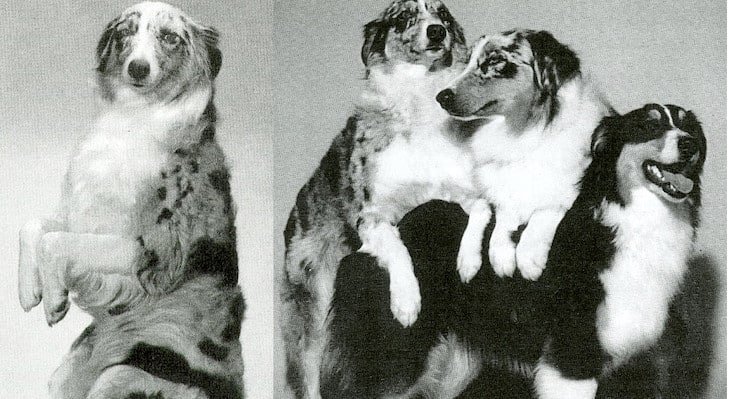
      Australian Shepherd Truth: 10 Brutal Realities & Unmatched Rewards for the Right Owner|Australian Shepherd herding instinct – photo credit: American Kennel Club

2. They Have a PhD in Herding Everything (Including You)

What I Learned: The herding instinct is not a quaint trait; it’s a hardwired, powerful drive that dictates much of their behavior. An Aussie doesn’t just herd sheep—they will herd children, other pets, bikes, and even nip at your heels to “guide” you around the house.

  • The Reality: This isn’t aggression; it’s their genetics in overdrive. Early and consistent redirection is critical. I channeled this instinct into appropriate activities like treibball (herding giant balls) and structured games of fetch. Understanding this drive was key to managing behavior at dog parks and with small children.

3. That Intelligence Demands a Job

What I Learned: An Australian Shepherd’s intelligence is breathtaking. They learn commands in minutes. The flip side? A bored, genius-level mind is a master of mischief. They don’t just get bored; they get strategically bored.

  • The Reality: I quickly learned that basic obedience wasn’t enough. I had to become a full-time “activity director.” We progressed to advanced tricks, canine sports (like agility, flyball, or dock diving), and complex problem-solving games. Giving them a “job”—even if it’s carrying a backpack on hikes or finding hidden items—is non-negotiable for a harmonious home.

4. Early Socialization is Non-Negotiable, Not Optional

What I Learned: Without deliberate, positive exposure during their critical socialization window (roughly 3-16 weeks), Aussies are prone to developing wariness, anxiety, or reactivity toward strangers, other dogs, or novel situations.

  • The Reality: I made it a mission to introduce my Aussie puppy to men, women, children, hats, umbrellas, vacuums, other calm dogs, and various environments in a positive, treat-filled way. This foundational work paid off immensely, resulting in a confident, well-adjusted adult dog. For any breed, proper socialization is crucial, as highlighted in guides like our post on Belgian Malinois puppies and as emphasized by experts like the American Veterinary Society of Animal Behavior.

5. The “Velcro Dog” Label is 100% Accurate

What I Learned: Australian Shepherds form intense, devoted bonds with their primary person or family. They are true “Velcro dogs,” preferring to be involved in every single activity, from cooking to bathroom breaks.

  • The Reality: This loyalty is beautiful, but can morph into separation anxiety if not managed from day one. I practiced leaving my pup alone for very short, gradually increasing durations, making departions and returns calm and uneventful. Crate training was invaluable for creating a safe den and preventing destructive anxiety.

6. Grooming is a Commitment, Not a Chore

What I Learned: That gorgeous double coat is a high-maintenance feature. It’s weather-resistant but sheds profoundly. “Aussie glitter” (their fur) will become a permanent fixture on your clothes and furniture.

  • The Reality: I established a strict grooming routine:
    • Brushing: 2-3 times per week with an undercoat rake and slicker brush to prevent mats, especially behind the ears and in the “pants.”
    • Seasonal “Blowouts”: Twice a year, they shed their entire undercoat. During these periods, daily brushing is essential.
    • I learned that regular grooming, akin to the care needed for other breeds like the Lhasa Apso, is vital for skin health and managing home cleanliness.

7. Health Screening is Your Best Investment

What I Learned: Australian Shepherds, while generally robust, have several serious genetic health concerns. Buying from an ethical breeder who does health testing is the single most important decision you can make.

  • The Reality: The big ones to ask breeders about are clearances for:
    • Hip & Elbow Dysplasia (OFA/PennHIP)
    • Multiple Drug Sensitivity (MDR1): A potentially fatal gene mutation affecting drug metabolism. The Washington State University VCPL maintains a crucial list of drugs to avoid.
    • Hereditary Eye Diseases (yearly CERF exams).
    • Being proactive about health is a theme for all responsible owners, similar to the considerations for Belgian Malinois health issues.

8. They’re Vocal Communicators

What I Learned: Aussies are not a quiet breed. They communicate through a wide repertoire of sounds: barks, whines, “talkative” grumbles, and sighs. They often bark to alert, out of frustration, or during play.

  • The Reality: I had to teach a “quiet” command from puppyhood and manage their environment to reduce nuisance barking (e.g., using window film to block street views). Understanding that this is how they “talk” helped me distinguish an alert bark from a bored bark.

9. Off-Leash Freedom is Earned, Not Given

What I Learned: Due to their strong herding and prey drive, an Australian Shepherd’s recall can be overridden by a moving target. Achieving reliable off-leash control in open areas requires extensive, proofed training.

  • The Reality: We built our recall slowly, starting in high-reward, low-distraction environments and gradually increasing difficulty. I always use a long-line leash in unsecured areas as a safety net. This level of training commitment is akin to what’s required for other driven breeds, as seen in our Belgian Malinois training guide and the foundational principles in our post on how to train a dog.

10. They Are Worth Every Ounce of Effort

What I Learned: For all the work, an Australian Shepherd repays you tenfold in loyalty, companionship, and sheer joy. Their eagerness to learn, their hilarious personalities, and the deep partnership you form are unparalleled.

  • The Reality: Living with an Aussie is vibrant and active. They force you to be present, engaged, and outdoors. The bond you build through training and adventure creates a connection that is truly special. They are not a pet for everyone, but for the right, active person or family, they are the ultimate canine partner.

The Australian Shepherd Decider Quiz: Is This Breed Right For You?

Be honest. Your answers will reveal if your lifestyle is an Aussie-compatible match.

  1. Time: Can you provide 90+ minutes of dedicated physical & mental activity, every single day, rain or shine?
  2. Space & Management: Do you have a secure yard and a plan to manage their herding instinct around kids/pets?
  3. Experience: Have you successfully trained a smart, independent dog before, or are you ready to hire a professional trainer?
  4. Home Life: Is someone home most of the day, or do you have a solid plan to prevent separation anxiety?
  5. Tolerance: Are you genuinely unfazed by constant shedding, vocalizations, and having a “shadow” 24/7?

Mostly YES? You might be a great candidate. Several NOs? This breed likely isn’t a fit, and that’s a responsible conclusion. Consider a less demanding breed.


Your First 30-Day Australian Shepherd Survival Blueprint

If you’re committed, this plan is critical for success.

  • Weeks 1-2: Foundation. Focus on crate training (for safe confinement), name recognition, and starting potty training. Begin handling exercises (touching paws, ears) to prep for grooming.
  • Weeks 3-4: Socialization & Structure. This is the most critical window. Safely expose your puppy to 5+ new people, surfaces, and sounds weekly. Enroll in a puppy socialization class. Introduce basic commands: “sit,” “come,” and crucially, “leave it.”
  • Key Priority: Find a vet and discuss MDR1 testing. Start your pup on a high-quality diet to support their rapid growth and energy needs—our guides on best puppy foods and best dry puppy foods can help you choose.
Australian Shepherd Truth: 10 Brutal Realities & Unmatched Rewards for the Right Owner
Australian Shepherd Truth: 10 Brutal Realities & Unmatched Rewards for the Right Owner| Australian Shepherd grooming – Photo credit: ADAPTIL

Australian Shepherd FAQ: Answering Your Biggest Questions

Are Australian Shepherds good with kids and other pets?

With proper training and socialization, they can be excellent family dogs. However, their herding instinct means they may nip at running children and try to herd other pets. Supervision is mandatory, and they often do best with older, respectful children.

How much exercise does an Australian Shepherd REALLY need?

More than you think. The American Kennel Club breed standard describes them as “active and agile.” As outlined in point #1, 60 minutes is a starting point for a calm adult; most need 90-120+ minutes of combined physical and mental exertion to be balanced.

Can Australian Shepherds live in apartments?

It is highly challenging and not ideal. Their high energy and vocal nature are poorly suited to close quarters. Success would require an owner dedicated to multiple hours of outdoor activity daily, which is often unsustainable.

What’s the #1 mistake new Aussie owners make?

Underestimating their mental stimulation needs. Physical exercise alone will not tire them out. A mentally bored Aussie is a destructive Aussie. You must commit to daily training, puzzles, and games that engage their problem-solving skills.

What should I ask an Australian Shepherd breeder?

Always ask for: 1. Health Clearances: OFA/PennHIP for hips/elbows, MDR1 DNA test results, and recent eye exam (CERF) certificates. 2. Socialization Plan: What exposures are the puppies getting before they go home? 3. Temperament: Can you meet the dam (mother)? Is she calm and confident? A reputable breeder will welcome these questions, as emphasized by organizations like the Australian Shepherd Club of America (ASCA).


The Final Verdict: A Brilliant Breed for the Right Home

An Australian Shepherd is not a casual pet. They are a full-time commitment to activity, training, and management. This guide isn’t meant to scare you away, but to arm you with the truth that generic breed summaries gloss over.

If your life is active, your mindset is dedicated, and you view dog ownership as a partnership in adventure, the Aussie will be your most rewarding companion. Their intelligence, loyalty, and zest for life are unmatched.

If your lifestyle is more sedentary or your time is limited, choosing a less demanding breed is the kinder, more responsible choice—for you and for the dog. The bond with an Aussie is earned through effort, and for the right person, that effort builds a connection like no other.

Still intrigued by brilliant, high-energy breeds? Compare the Aussie’s drive to that of another legendary worker in our guide: The Belgian Malinois Training Guide.

About Author

Smith Sam brings research expertise to the PetsFilled team, specializing in pet behavior and naming trends. With a background in scientific communication, Smith translates animal behavior research into practical guidance for pet owners.

At PetsFilled, Smith leads naming trend analysis and contributes to comprehensive pet care guides. Their work involves analyzing naming data from shelters nationwide, researching name choices' impact on training, and interviewing veterinary behaviorists.

All articles undergo PetsFilled's editorial review and are vetted by our veterinary advisory board.