What's in This Bird Guide
Tip: Click any section to jump directly there.
Save for reference or share with pet sitters
🔄 Updated: This guide was last reviewed on January 1, 2026 for accuracy.
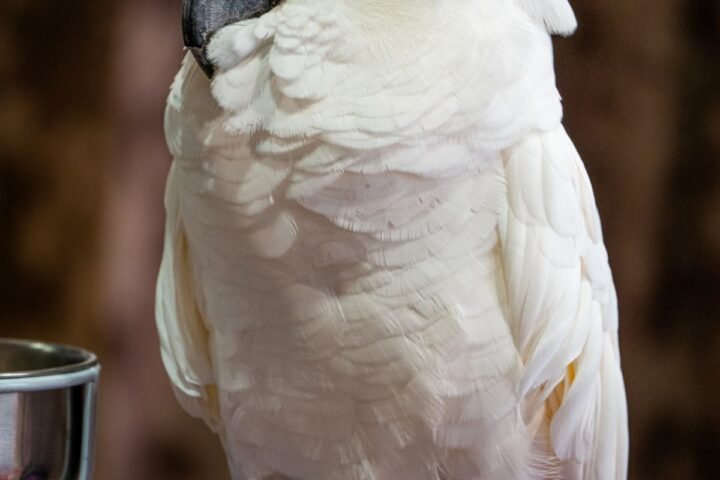
I’ll never forget the day I first met Charlie, a magnificent Umbrella Cockatoo who belonged to my neighbor. He wasn’t just a bird—he was a presence. When I walked into the room, he tilted his head, studied me with intelligent eyes, then let out a cheerful “Hello!” that felt genuinely welcoming. Over the next hour, I watched him play with toys, snuggle with his owner, and even dance to music. That experience changed how I viewed pet birds forever.
Cockatoos aren’t pets in the traditional sense; they’re feathery family members with emotional depth that rivals many mammals. Over my years working with bird owners and avian specialists, I’ve learned that these magnificent creatures require more than just food and shelter. They need emotional connection, intellectual stimulation, and a level of commitment that lasts decades.
This guide comes from real conversations with cockatoo owners, avian veterinarians, and my own observations of what makes these birds thrive. If you’re considering bringing a cockatoo into your life, or if you already have one and want to ensure they’re living their best life, you’re in the right place.
The Reality of Cockatoo Companionship
Before we dive into specific care tips, let’s talk honestly about what living with a cockatoo really means. I’ve seen too many of these intelligent birds end up in rescues because their owners weren’t prepared for the reality:
- They live a long time, 40-60 years is common. You’re making a multi-decade commitment.
- They’re emotionally complex – Cockatoos form deep bonds and can suffer from depression if neglected.
- They’re loud – Their natural calls can reach 135 decibels (that’s louder than a rock concert).
- They’re destructive – Their powerful beaks can demolish furniture if they’re bored.
But for those prepared for the commitment, the rewards are incredible. A well-cared-for cockatoo is a joyful, affectionate, endlessly entertaining companion.
Essential Care Fundamentals
1. Nutrition That Actually Works
Through trial and error with my avian veterinarian friends, I’ve learned that cockatoo nutrition is about balance, not extremes. Here’s what actually works:
- High-quality pellets should make up about 60-70% of their diet. Brands like Harrisons, Zupreem, or Roudybush are consistently recommended by avian vets.
- Fresh vegetables daily – Think leafy greens, sweet potatoes, broccoli, and carrots. Chop them small to prevent picking out favorites.
- Limited fruits – Too much sugar can cause problems. Berries, apples, and melons are good choices in moderation.
- Treats wisely – Unsalted nuts and whole grains are better than sugary or fatty treats.
Common mistake I see: “Many owners feed too many seeds. While cockatoos love them, seeds are like junk food—high in fat, low in nutrition. Reserve them for occasional treats.” – Dr. Martinez, Avian Veterinarian
2. Creating the Right Living Space
Your cockatoo’s cage isn’t just where they sleep—it’s their home. Here are practical considerations from experienced owners:
- Size matters – Minimum 24″x24″x36″, but bigger is always better. They need room to stretch fully.
- Bar placement – Horizontal bars let them climb safely.
- Perch variety – Different diameters prevent foot problems. Natural wood is best.
- Location – In the family room, not a lonely corner. They need to be part of the action but away from drafts and direct sunlight.
3. Social Needs: More Than Just “Time.”
Cockatoos don’t just want attention; they need emotional connection. From watching successful cockatoo households, I’ve noticed patterns:
- Quality over quantity – 30 minutes of engaged interaction beats 3 hours of distracted presence.
- Routine is comforting – They thrive on predictable schedules for feeding, play, and bedtime.
- They read your emotions – If you’re stressed, they’ll be stressed. Your mood affects theirs.
If you work long hours, consider getting two cockatoos (properly introduced). They can keep each other company, though nothing replaces human interaction.
4. Mental Stimulation That Actually Works
Bored cockatoos are destructive cockatoos. Here are enrichment ideas that have worked for owners I’ve interviewed:
- Foraging toys – Hide treats in paper bags, cardboard boxes, or commercial foraging toys.
- Destruction stations – Give them safe things to destroy: untreated wood blocks, palm fronds, cardboard.
- Training sessions – 10-15 minutes daily. They love learning tricks and showing off.
- Music and sounds – Many enjoy specific types of music. One owner’s cockatoo loves classical; another’s prefers 80s rock.
5. Health Monitoring: What to Watch For
Early detection saves lives. Here are signs that warrant a vet visit:
- Changes in droppings – Color, consistency, or frequency changes
- Feather plucking – Beyond normal preening
- Changes in appetite or water consumption
- Lethargy or changes in vocalization
- Breathing difficulties – Tail bobbing, wheezing, open-mouth breathing
Important: Find an avian veterinarian BEFORE you need one. Regular check-ups (at least annually) are crucial.
6. Grooming: More Than Just Cosmetics
Proper grooming affects their comfort and health:
- Bathing – Most enjoy misting or shallow baths several times weekly
- Nail care – Natural perches help, but occasional trimming may be needed
- Beak maintenance – Cuttlebone and wood toys help keep it trim
- Wing clipping debate – This is personal. Some owners clip for safety; others believe in full flight. Discuss with your avian vet.
The Emotional Reality: Are You Really Ready?
After helping dozens of people decide if a cockatoo is right for them, here’s my honest checklist:
- Time commitment – Can you provide 3-4 hours of interaction daily, every day, for decades?
- Noise tolerance – Are you (and your neighbors) okay with occasional very loud vocalizations?
- Financial readiness – Quality food, vet care, toys, and potential destruction replacement cost hundreds monthly.
- Lifestyle stability – Cockatoos don’t handle frequent moves or schedule changes well.
- Family agreement – Is everyone in the household committed?
If you answered “maybe” or “no” to any of these, reconsider. Cockatoos in the wrong homes suffer deeply.
If You Decide to Proceed
For those who are ready, here’s how to start right:
- Adopt, don’t shop – Many wonderful cockatoos need homes in rescues.
- Prepare first – Have cage, supplies, and vet lined up before bringing them home.
- Patience is everything – The adjustment period can take weeks or months.
- Join a community – Online forums and local bird clubs provide invaluable support.
Cockatoo Care Guide: 15 Essential Tips for a Happy and Healthy Companion
Final Thoughts from Experience
Caring for a cockatoo has been described as raising a perpetual toddler with bolt cutters for a face. It’s challenging, messy, loud, and absolutely wonderful for the right person.
The most successful cockatoo owners I know share these traits: patience, consistency, humor, and boundless love. They don’t see the work as a burden but as part of the relationship.
If you choose this journey, you’re not just getting a pet. You’re gaining a family member who will make you laugh, challenge you, and love you with a truly special intensity. Just be sure you’re ready to return that commitment in full measure.
For more guidance on bird care basics, the Association of Avian Veterinarians offers excellent resources for new bird owners that can help you build a strong foundation.