
What Is a Ground-Dwelling Parrot? Kākāpō and Terrestrial Behavior

“Ground-dwelling parrot” is a descriptive phrase rather than a formal taxonomic group. Many parrots forage or walk on the ground at times, but the kākāpō of New Zealand is the clearest modern example of a parrot whose lifestyle is strongly terrestrial because it is flightless.
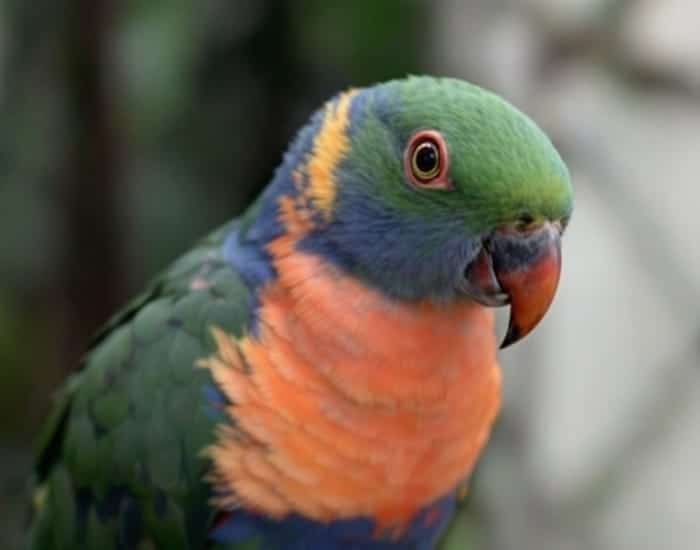
Ground use varies among parrots
Some parrots spend substantial time feeding on the ground but retain strong flight. Others climb, walk and forage across multiple levels of the habitat. Calling every parrot seen on the ground a “ground-dwelling species” can therefore be misleading.
The kākāpō is different
Kākāpō cannot fly. New Zealand’s Department of Conservation explains that their wings are used mainly for balance and controlled falls, while strong legs allow them to walk long distances and climb trees.
Why flightlessness evolved
Kākāpō evolved in New Zealand without native terrestrial mammalian predators. In that environment, flight became less essential. After humans introduced mammalian predators, the same terrestrial adaptations became a serious disadvantage.
Do ground-oriented parrots make easier pets?
No. Natural locomotion does not predict suitability as a companion animal. Wild parrots may be protected, endangered or completely inappropriate for private ownership. Companion-bird choices should instead consider legal status, welfare needs, lifespan, social behavior and access to avian veterinary care.
Kākāpō conservation
Today the species survives only through intensive conservation management in predator-controlled sanctuaries. See our full kākāpō profile for current population information.
0 comments