
Safest Bird Perch Materials: Natural Wood, Rope and Surfaces That Protect Feet
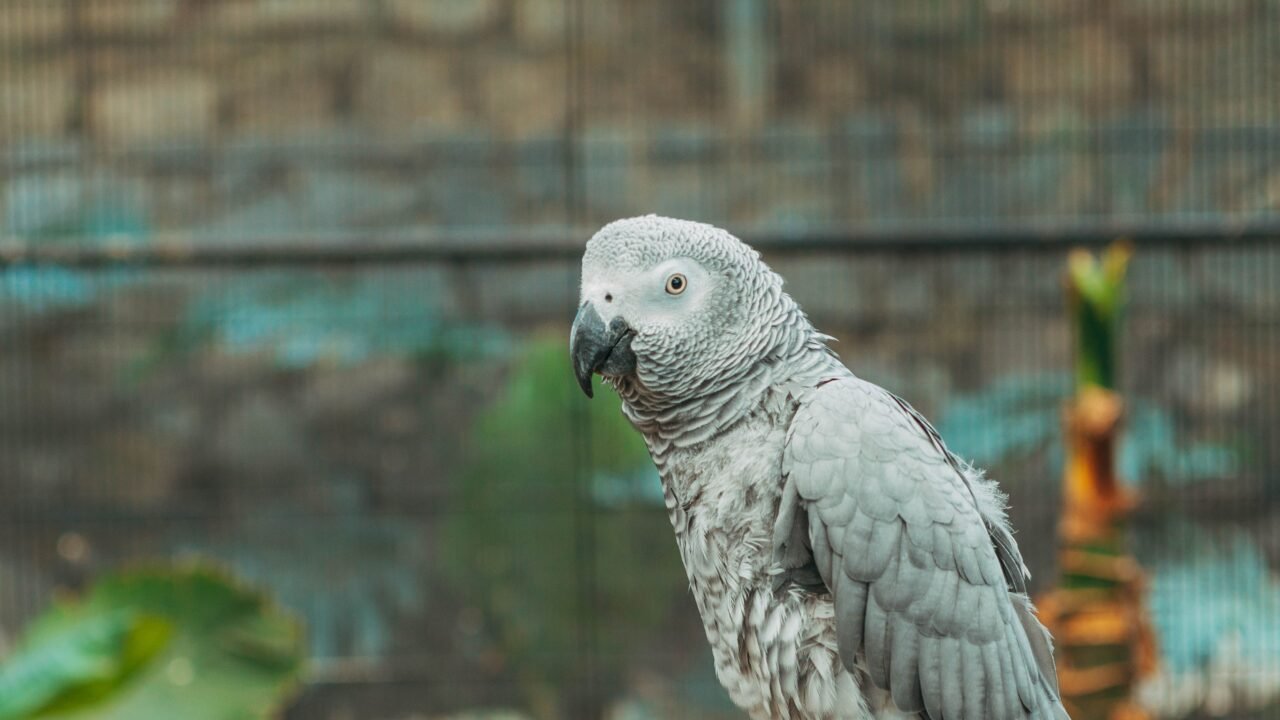
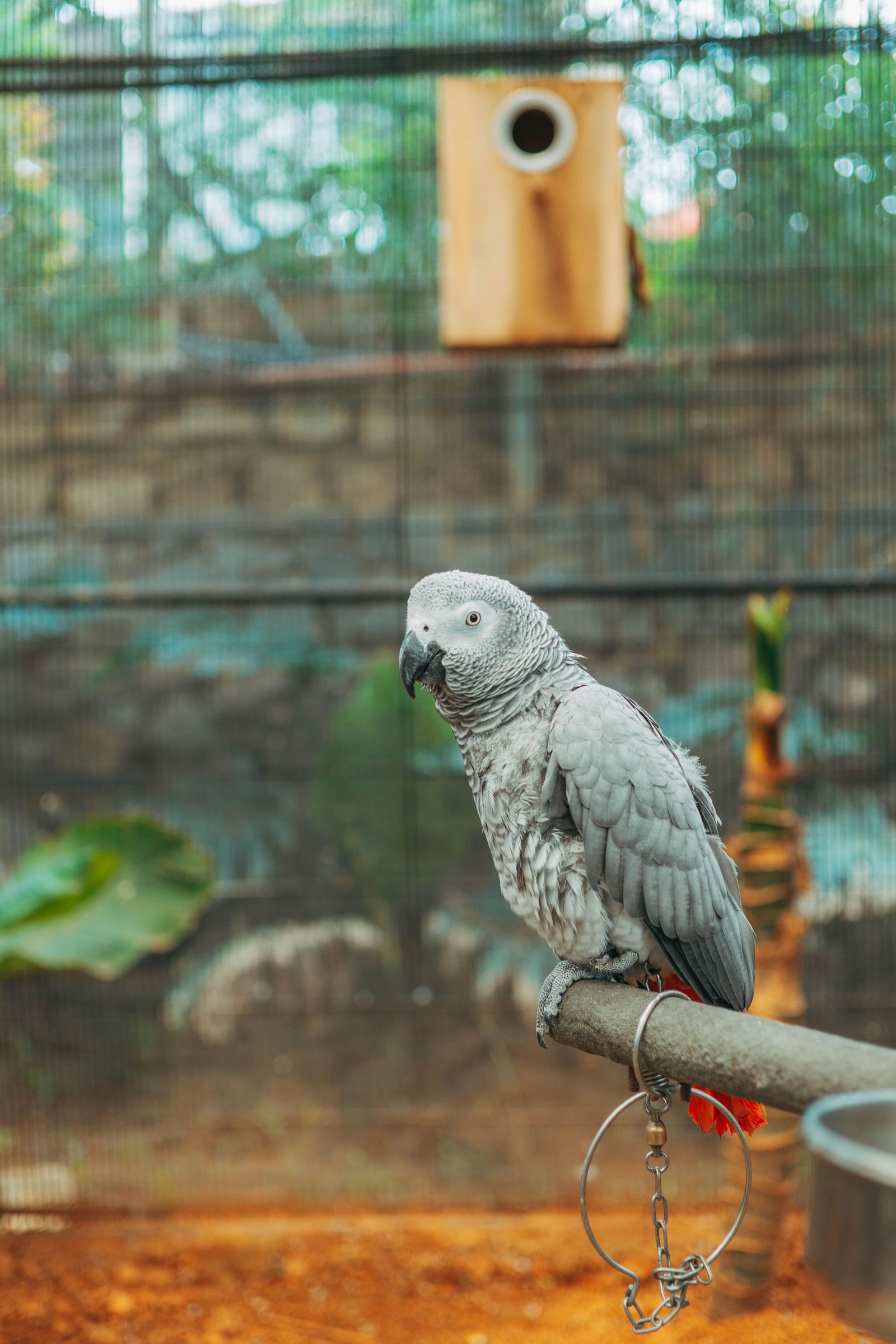
The safest bird perch materials do more than give a bird somewhere to stand. Pet birds spend a large part of every day on their feet, so perch texture, diameter and condition influence pressure distribution, grip and foot health. A cage filled with identical smooth dowels may look tidy but can repeatedly load the same areas of the feet. A better setup uses safe materials and several diameters so the bird’s feet work in slightly different positions.
Natural wood is one of the best starting materials
The Association of Avian Veterinarians recommends clean, pesticide-free natural wood branches and says varied natural branches are preferable to relying only on smooth dowels. Current VCA guidance similarly describes natural wood branches as an excellent perch because varying diameter shifts pressure across different parts of the foot.
Use only wood you know is non-toxic
“A branch from outside” is not automatically safe. Tree species differ, and branches can carry pesticides, fungal growth, insects or environmental contaminants. The Association of Avian Veterinarians bird-safe wood guidance lists options such as poplar, ash, elm, maple, birch, dragon wood and manzanita, while emphasizing that wood should be untreated and pesticide-free.
Apple, ash, maple and several other woods are commonly used
VCA’s 2026 perch guidance lists several non-toxic branch types, including apple, ash, birch, elm, maple, pear, poplar and manzanita. Because published safe-wood lists can differ in details and local trees can be difficult to identify, commercially sourced bird-safe branches are often the simpler choice if you are uncertain.
Natural variation matters as much as the wood species
A branch that gently widens and narrows lets the toes wrap differently along its length. The AAV basic-care guide says a bird’s foot should generally encircle roughly two-thirds to three-quarters of the perch circumference. One exact diameter throughout the entire cage does not provide the same pressure variation.
Do not make smooth dowel perches the only option
Wooden dowels are easy to clean and may be included with a cage, but the AAV warns that unvarying diameters can contribute to painful lesions on the bottom of the feet. A dowel can remain as one perch if it is appropriately sized, but add natural branches or other safe textures.
Rope perches can be useful when they are monitored closely
Soft natural hemp or untreated cotton rope can provide a comfortable gripping surface, especially for an older bird with tender feet. VCA notes that rope perches can be useful but must be removed as soon as they fray because loose strands can wrap around toes or be swallowed.
Avoid frayed synthetic rope
Synthetic fibers can create especially serious entanglement hazards when a bird chews the perch apart. Inspect rope daily. If threads are lifting, loops are forming or the bird is pulling long fibers loose, replace the perch rather than trimming it repeatedly and hoping it remains safe.
Sandpaper perch covers should not be used
Both AAV and VCA advise against sandpaper perch covers. They do not solve nail care safely and can create abrasions or sores on the underside of the feet. A bird should not spend hours standing on an abrasive surface merely to wear nails down.
Concrete or ceramic should be an occasional texture, not the main perch
A single textured ceramic, stone or cement perch may help provide variety and can assist with normal nail wear. VCA cautions that rough perches should not be the only or most frequently used option because constant abrasion can irritate the feet.
Plastic is easy to clean but has limitations
Smooth plastic can be slippery and tends to offer one uniform diameter. Large parrots may also chew plastic and create sharp edges. If plastic remains in the cage, inspect it for damage and balance it with better gripping surfaces.
Perch diameter should match the bird
A budgie and a macaw should not stand on the same-sized branch. The bird needs enough grip that the toes wrap around the perch rather than lying flat on top or overlapping underneath. Several compatible diameters allow the feet to rest in different positions throughout the day.
Placement affects perch safety too
The AAV recommends keeping perches away from positions where droppings can fall into food or water dishes. Also make sure the tail does not constantly rub cage bars and that the bird can move or fly between important areas without squeezing through clutter.
Dirty perches become a health issue
VCA recommends cleaning perches whenever food or feces builds up. Scrub washable perches with an appropriate detergent or disinfectant, rinse thoroughly and let them dry before reuse. Porous natural wood may eventually need replacement when it can no longer be cleaned effectively.
Inspect feet as well as the perch
Redness, shiny patches, swelling, scabs, pressure sores or a bird favoring one foot can indicate a problem. Do not assume the perch is the only cause; arthritis, infection, obesity and other health problems can affect feet. An avian veterinarian should assess persistent changes.
Build a perch system, not a single perfect perch
Our bird perch guide explains placement, size and foot-health considerations in more detail. The safest cage usually combines clean natural wood of varying diameters with one or two other appropriate surfaces, rather than trying to find one material that does everything.
Variety should remain comfortable, not complicated
A bird needs secure footing, opportunities to climb or hop and clean places to rest. Natural wood, carefully maintained rope and limited additional textures can provide that without turning the cage into a collection of abrasive or unstable surfaces.
0 comments