
Signs of Foot Problems in Pet Birds: Redness, Pressure Sores, Bumblefoot and When to See an Avian Vet
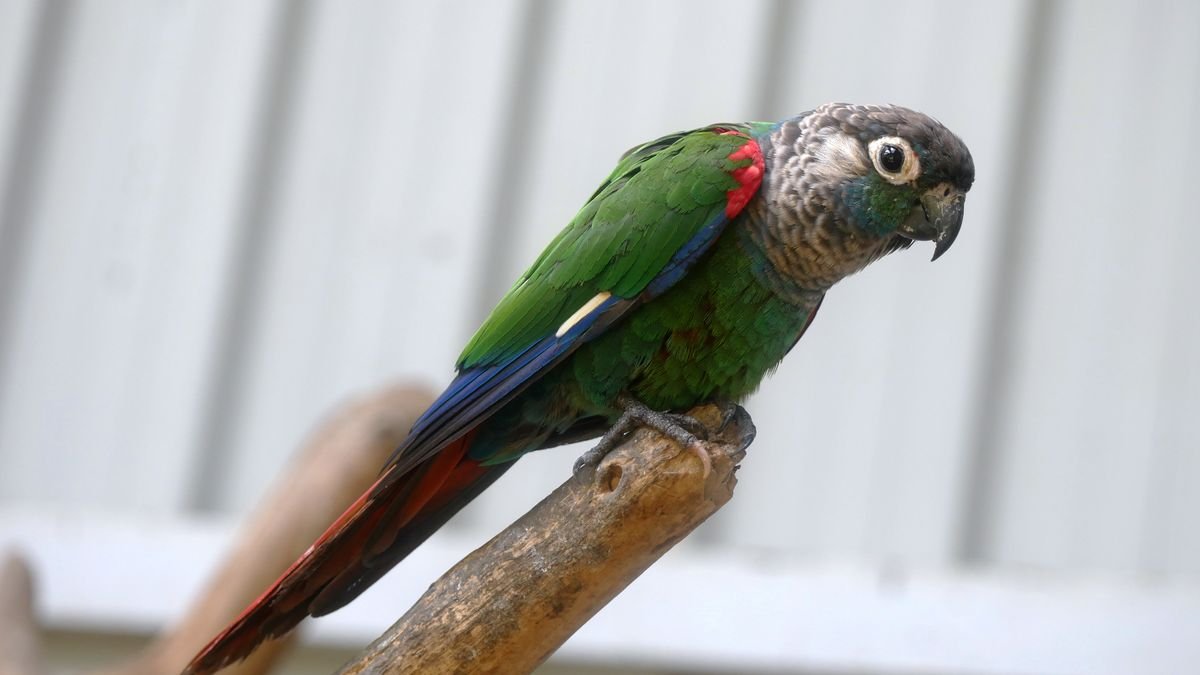
Signs of foot problems in pet birds can be easy to miss because many birds spend most of the day gripping perches and may continue acting fairly normal while a sore is developing. A foot that looks slightly red, a bird shifting weight more often, or a new preference for one leg can be the earliest clue. More advanced problems can include swelling, scabs, ulcers, discharge, lameness or a bird repeatedly holding one foot up.
Check the bottom of the feet, not only the toes
Many pressure-related problems begin on the footpad, where owners do not usually look. During calm handling, examine both feet for redness, shiny flattened areas, swelling, cracked skin, scabs or changes in texture. Compare the two sides. A subtle difference can matter before the bird starts limping.
Early bumblefoot can look like simple redness
Bumblefoot, also called pododermatitis, is inflammation and sometimes infection of the bottom of the foot. VCA’s veterinary guide to bumblefoot describes early disease as mild inflammation with intact skin, progressing to ulcers, scabs, abscesses and, in severe cases, infection involving deeper tissues or bone.
A bird holding one foot up repeatedly may be protecting pain
Healthy birds often rest on one leg, especially while relaxed or sleeping, so one-foot standing by itself is not automatically abnormal. What matters is a change from that bird’s normal behavior: holding the same foot up most of the day, refusing to grip with it, landing awkwardly or suddenly avoiding a favorite perch.
Watch for swelling between or above the toes
Advanced infection can create firm swelling or abscess-like masses. VCA notes that bird abscesses are often thick and semi-solid rather than liquid like many dog or cat abscesses. Do not squeeze, lance or pick at a swelling at home.
Scabs and ulcers need more than a perch change
Changing perches is important, but an existing ulcer or scab can already be infected. The Association of Avian Veterinarians notes that bumblefoot can progress from reddened pressure sores to abscesses, ulcers or bone infections. Once skin is damaged, an avian veterinarian should decide whether medication, bandaging, imaging or other treatment is needed.
Uniform perches can create repeated pressure in the same place
A smooth dowel of one diameter forces the feet into almost the same grip all day. VCA and the Association of Avian Veterinarians both recommend varied perch diameters and natural branches so pressure shifts across different parts of the foot. Our safe bird-perch materials guide explains which surfaces provide useful variation without becoming abrasive.
Sandpaper perches can make sore feet worse
A rough perch may be marketed as a way to keep nails short, but abrasive surfaces can irritate footpads. If you are trying to solve overgrown nails, ask an avian veterinarian about nail care rather than making every landing surface rough enough to wear the feet.
Dirty perches can add infection risk
Feces, wet food and organic debris create an unhealthy surface for feet that may already be irritated. Clean perches when soiled and replace porous or chewed materials that can no longer be cleaned effectively. Keep food and water bowls out from directly beneath perches where droppings repeatedly fall.
Obesity can increase pressure on the feet
The Association of Avian Veterinarians identifies obesity as one factor that can contribute to bumblefoot. A heavier bird places more pressure on the same foot surfaces and may also move less. Body condition should be assessed by an avian veterinarian because feathers can hide excess weight.
Poor nutrition can affect skin and tissue health
AAV guidance also highlights inadequate vitamin A as a possible contributor in some birds. That does not mean owners should start high-dose vitamin supplements on their own. Vitamin A excess can also be harmful. The safer approach is a balanced species-appropriate diet and veterinary assessment when foot disease appears.
Arthritis can change how a bird uses its feet
Older birds may grip less strongly, favor flatter resting surfaces or shift pressure away from painful joints. If the feet look normal but the bird’s stance, climbing or grasp has changed, arthritis or another orthopedic problem may be involved. Softer and wider resting options can help, but diagnosis comes first.
Chewed or splintered perches can cause direct injury
Natural wood is valuable, but parrots also chew it. Inspect branches for sharp splinters, cracks and rough broken edges. VCA notes that injuries from damaged wood or plastic can contribute to foot disease and bumblefoot.
Long nails can change weight distribution
Overgrown nails may alter how the toes contact a perch and can snag on fabric or cage fittings. If you cannot clearly identify the blood vessel or your bird struggles with handling, do not experiment with aggressive nail trimming. An avian clinic can trim safely and show you what is appropriate for that species.
Foot problems can change climbing and landing before walking
Pet birds do not spend much time walking like dogs, so lameness can look different. You may notice the bird climbing with the beak more, hesitating before stepping onto a perch, missing landings, sitting low on the cage floor or avoiding one side of the enclosure.
Do not treat an abscess or ulcer with random home products
VCA strongly advises veterinary care for bumblefoot because advanced lesions can require surgery, medication or protective wraps. Human antibiotic cream, strong disinfectants or improvised bandages can delay proper treatment or create additional damage if used incorrectly.
Photograph the feet when you first notice a change
A clear photograph in good light can help you compare redness or swelling over 24–48 hours and gives the veterinarian useful context. Keep a note of perch changes, appetite, activity, body weight if known and whether the bird is chewing or favoring the affected foot.
Prevention is mostly about pressure, hygiene and movement
Our broader bird perch setup guide covers diameter, placement and foot health. A healthy perch system gives the bird several secure surfaces, varied diameters, clean footing and enough room to move instead of standing on the same uniform pressure point all day.
Seek avian-veterinary help early rather than waiting for a limp
Redness, a persistent shiny pressure area, swelling, a scab, an ulcer or repeated one-foot guarding is enough reason to call an avian veterinarian. Foot problems are easier to manage before infection reaches deeper tissue, and early husbandry changes can prevent the same pressure injury from returning.
0 comments