
Budget Dog Food: Compare Cost per Day, Calories and Food Waste
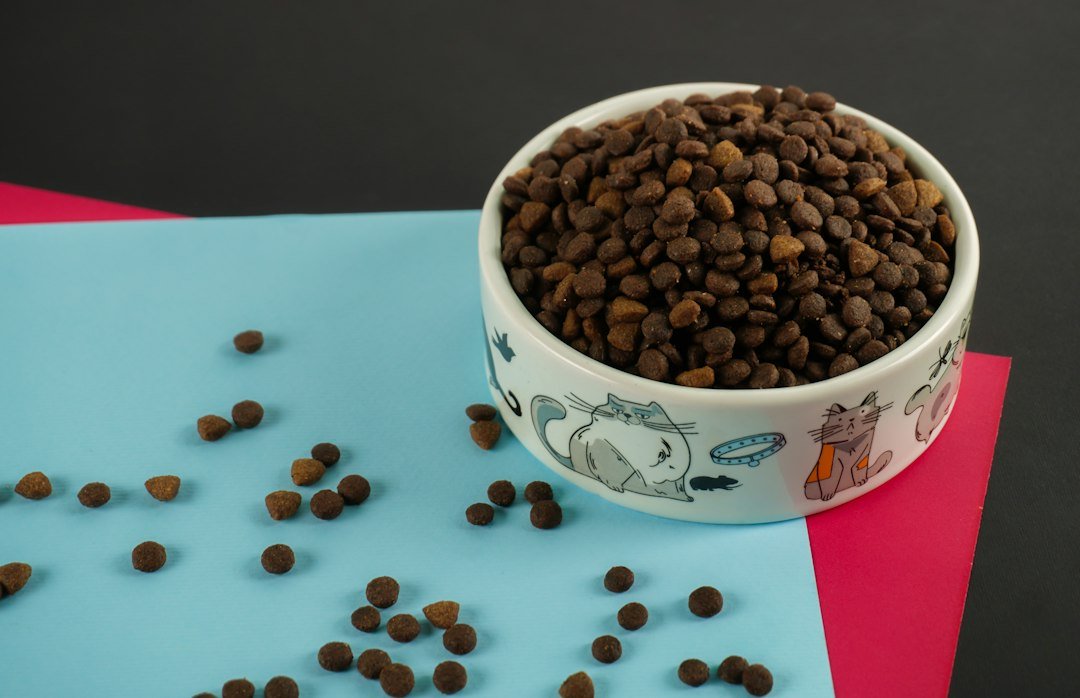
The cheapest bag of dog food is not always the cheapest food to feed. A lower-priced product may require a larger daily portion, while a more calorie-dense food can cost more per bag but less per day. Food waste, package size, treats and storage also change the real cost.
This guide shows how to compare dog food by cost per day rather than sticker price while still protecting nutritional adequacy and body condition.
Step 1: confirm the food is appropriate before comparing price
Do not compare cost between products that are not nutritionally equivalent. First confirm that the food is complete and balanced for the dog’s life stage. AAFCO guidance recommends choosing food according to species, life stage and condition.
Step 2: find calories per cup or kilogram
Price per pound alone is incomplete. You need to know how much energy the food provides because dogs eat calories, not package weight.
Look for kilocalories per cup and per kilogram where provided. If two foods have different energy density, the daily amount can differ significantly.
Step 3: estimate your dog’s daily calories
Use the current feeding amount, veterinary calorie target or label directions as a starting point. Then adjust according to body condition.
Our body-condition score guide helps you decide whether the current intake is maintaining an appropriate weight.
Step 4: calculate cost per day
A simple method is:
daily food amount × cost per unit of food = approximate daily cost
If a bag costs $48 and contains 24 pounds, the nominal cost is $2 per pound. If the dog eats half a pound per day, the food cost is about $1 per day before treats and waste.
Compare calories per dollar
Another useful calculation is total calories in the package divided by package price. This shows how much energy each dollar buys.
It should never replace nutritional suitability, but it helps compare two complete foods that both fit the dog.
Large bags are not always cheaper in practice
A larger bag often has a lower cost per pound, but it can become a poor value if the dog is small, eats slowly or the food loses freshness before it is finished.
Choose a package size the household can store correctly and use within a reasonable period.
Small dogs and package size
Small dogs may take a long time to finish a large bag. Our small-dog feeding guide explains why calorie density and portion size matter more than bag size.
Wet food cost per day
Wet food is often more expensive per calorie than dry food, but this varies. Calculate how many cans, trays or pouches the dog actually needs each day.
Our wet dog food guide covers calories, complete diets, toppers and mixed feeding.
Mixed feeding can control cost
Some owners use a complete dry diet as the calorie base and a measured amount of complete wet food for palatability or moisture. This can reduce cost compared with feeding only canned food.
The important part is calculating calories from both foods.
Treats can cost more than expected
Premium chews, dental treats and training rewards can add a large monthly cost and significant calories. Use part of the regular ration for routine training where practical.
Food waste is part of the real price
If the dog refuses half the food, if opened cans are discarded, or if a huge bag becomes stale, the sticker price understates the real cost.
Track what is actually eaten for a week to identify hidden waste.
Do not buy poor-fit food just because it is on sale
A discounted food is not a bargain if it causes persistent digestive problems, encourages weight gain or does not match the life stage.
Use our sensitive-stomach guide if diet tolerance is part of the decision.
Budget puppy food
Puppies still need appropriate growth nutrition. Do not substitute cheaper adult food simply to reduce cost.
Use our puppy food labels guide to verify the growth adequacy statement before comparing prices.
Budget food for active dogs
Highly active dogs may need more calorie-dense food. A cheaper low-energy diet can become expensive if the dog requires a much larger daily portion.
Our active-dog nutrition guide explains why workload changes energy needs.
Medical diets should not be judged by price alone
Therapeutic renal, gastrointestinal or low-fat diets may cost more, but the nutrient profile is part of medical treatment. Replacing them with an ordinary cheaper food can undermine the treatment plan.
See our kidney-disease diet guide and pancreatitis feeding guide for examples.
Storage can protect your budget
Store dry food in a cool, dry location and keep the original package information. Protect food from moisture and pests. Refrigerate opened wet food as directed.
Throwing out spoiled food is expensive and avoidable.
How to compare three foods quickly
Swipe horizontally to view the full table.
| Check | Why it matters |
|---|---|
| Life-stage adequacy | Ensures the food is suitable before price comparison. |
| Calories per cup/kg | Determines how much the dog needs. |
| Package price | Shows upfront cost. |
| Cost per day | Shows real ongoing expense. |
| Package size | Affects freshness and waste. |
| Digestive tolerance | Poor tolerance creates waste and may require veterinary care. |
When the more expensive food is actually cheaper
If Food A costs 25% more per bag but the dog needs 30% less per day because it is more calorie-dense, Food A may cost less to feed. This is why bag price alone can be misleading.
When the cheaper food is genuinely a good value
A budget food can be an excellent choice when it is complete for the correct life stage, the manufacturer provides adequate information, the dog maintains healthy weight and stool quality, and the cost per day fits the household.
Do not confuse luxury marketing with necessary nutrition
Expensive packaging, exotic proteins and trendy ingredients do not automatically improve a complete diet. Pay for nutritional suitability and quality control before paying for marketing.
Use one monthly cost estimate
Multiply daily food cost by 30, then add average monthly treat and topper costs. This gives a more realistic household budget than looking only at the next bag purchase.
Bottom line
The best budget dog food is not simply the cheapest bag. Compare complete foods by calories, actual daily feeding amount, package size, waste and cost per day. Then confirm the dog maintains healthy body condition and tolerates the diet well.
A slightly more expensive food can be a better value when it requires less food, creates less waste or better fits the dog’s needs.
Compare cost per 1,000 calories when foods are very different
When two foods have substantially different calorie density, cost per 1,000 kilocalories can be more useful than cost per pound. Divide the package price by the total calories in the package, then multiply by 1,000. This makes energy value easier to compare across products.
Do not forget delivery and subscription costs
Online discounts can look attractive until shipping, minimum-order requirements or subscription waste are included. Compare the amount you actually pay each month, including delivery and any food that expires or goes unused.
Use body condition to confirm that “cheap” is actually working
A food is not good value if the dog must be overfed to maintain condition or if excessive calories lead to weight gain. Recheck body condition after changing foods and adjust the daily amount before deciding whether the new option really saves money.



0 comments