
Dog Food for Active Dogs: Calories, Protein, Fat, Hydration and Performance
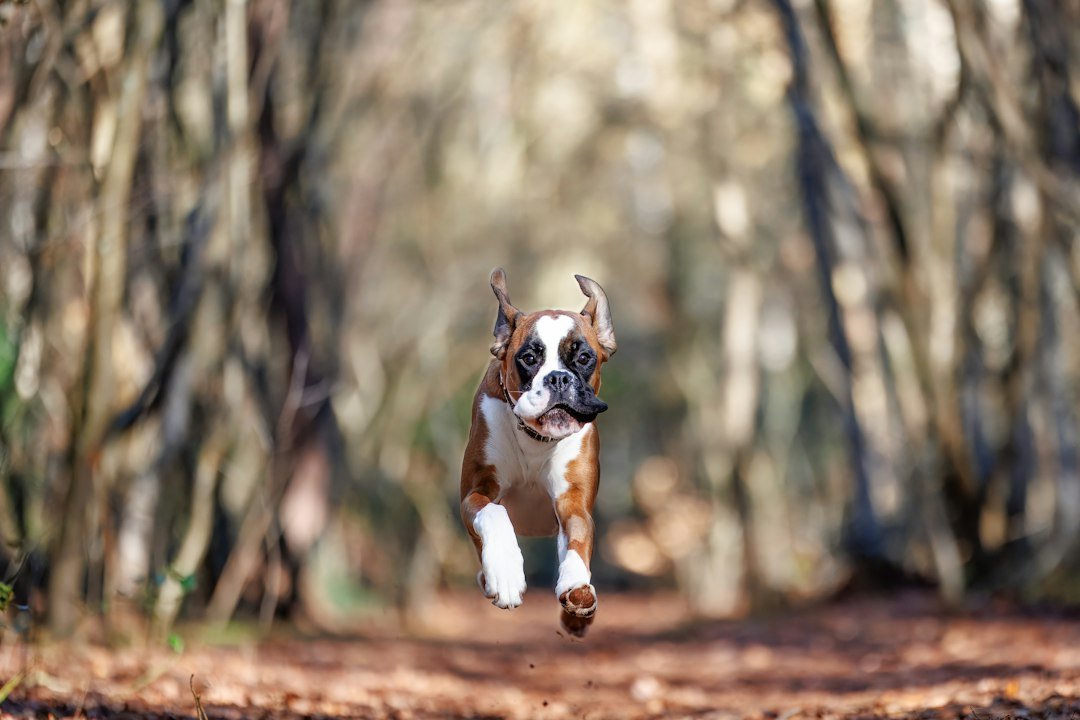
An “active dog” can mean very different things. One dog hikes on weekends, another runs agility several evenings a week, another works livestock, and a sled dog may exercise for hours in cold conditions. Their calorie needs are not remotely identical.
That is why the best food for an active dog is not simply the bag with the word “performance” on it. The right plan matches energy density, protein, fat, hydration and meal timing to the dog’s actual workload while maintaining a healthy body condition.
First decide how active the dog really is
Before changing foods, describe the dog’s normal week. Include duration, intensity, terrain, temperature, rest days and season. A dog that plays hard for 30 minutes but otherwise sleeps indoors may not need a performance diet. A working dog training several hours a day might.
The AAFCO consumer guidance specifically notes that service, hunting and working dogs may not receive enough nutrition from a food designed for a sedentary adult, while calorie-rich foods can make less-active dogs obese.
Calorie needs can change dramatically with workload
Exercise raises energy expenditure, but the increase is not perfectly predictable from body weight alone. Temperature, surface, speed, duration, coat, fitness and individual metabolism all matter.
The Merck Veterinary Manual explains that working or stressed dogs may require energy intake above ordinary maintenance levels, with extreme endurance dogs sometimes needing exceptionally high calorie intake.
Use calculators and feeding charts only as starting points. The dog’s body condition, weight trend, performance and recovery tell you whether the plan is actually working.
Body condition is the best feedback tool
WSAVA recommends routine body-condition and muscle-condition assessment. Our dog body-condition score guide shows how to check rib coverage, waist and abdominal tuck.
An active dog should not automatically be thin to the point of muscle loss. Equally, “bulking up for energy” by allowing excess body fat can make heat regulation and movement harder.
Protein for active dogs
Protein provides amino acids used throughout the body, including muscle maintenance and repair. Active adult dogs still need a nutritionally complete diet; they do not need unbalanced meat-heavy feeding simply because they exercise.
Many sport and working-dog foods contain more protein than ordinary maintenance diets. That can be appropriate when energy expenditure and training volume are high, but the total diet matters more than one percentage on the label.
If a dog is losing muscle despite adequate calories, recovering poorly or struggling to maintain weight, speak with a veterinarian before simply adding protein powder or large quantities of meat.
Fat is an important energy source
Fat provides more calories per gram than protein or carbohydrate. For dogs performing sustained work, that makes higher-fat diets useful because more energy can be provided in a smaller volume of food.
Merck notes that many diets designed for work or stress increase energy from animal fats and that very high-endurance dogs may rely heavily on fat as an energy source.
But higher fat is not universally better. A dog with pancreatitis, hyperlipidemia, obesity or some gastrointestinal disorders may need fat restriction. Match the diet to both the job and the medical history.
Carbohydrate still has a role
Carbohydrate is not automatically “filler.” Dogs can use dietary carbohydrate as an energy source, and the best macronutrient balance depends on the type of work being performed.
Short bursts of high-intensity activity and long-duration endurance exercise do not stress energy systems in the same way. The practical goal for most owners is not to micromanage metabolic pathways but to choose a complete diet that has been formulated for the intended performance level and then monitor the dog’s response.
Do ordinary active pets need a performance food?
Often, no. Many healthy dogs that walk, hike, play fetch and participate recreationally in sport can maintain excellent condition on a standard adult maintenance diet with portions adjusted upward as needed.
Performance foods are most useful when ordinary food volume becomes impractical, when the dog cannot maintain weight on maintenance food, or when the workload is consistently high enough to justify greater energy density.
Meal timing around exercise
Avoid feeding a very large meal immediately before hard exercise. Merck’s working-dog guidance suggests offering a smaller portion before work and feeding the remainder afterward for dogs doing demanding work.
For most recreational dogs, feeding several hours before strenuous activity and then feeding the main meal after the dog has cooled and recovered is a practical approach. Individual needs vary, especially in dogs with gastrointestinal or medical conditions.
Hydration is part of performance nutrition
Food cannot compensate for inadequate water. Fresh water should be available routinely, and dogs exercising for prolonged periods need planned water breaks.
Merck’s guidance on fatigue and exercise notes that prolonged activity and heat can contribute to dehydration and electrolyte disturbances.
Do not wait for a dog to become visibly exhausted before offering water. Exercise should also be reduced or stopped when environmental heat or humidity makes cooling difficult.
Do active dogs need electrolyte drinks?
Healthy dogs generally regulate fluid and electrolytes differently from human endurance athletes, and ordinary human sports drinks are not automatically appropriate. Some contain unnecessary sugar, sodium, flavorings or sweeteners.
If a dog performs prolonged endurance work, especially in heat, ask a sports-medicine veterinarian about hydration strategy rather than copying a human exercise plan.
Wet food, dry food or mixed feeding?
Any format can work if it supplies appropriate calories and complete nutrition. Dry performance foods are calorie-dense and convenient to measure. Wet food adds moisture and can increase palatability. Mixed feeding can be useful when the total daily nutrient balance is considered.
Use our general dog feeding guide to track portions and treats rather than estimating by eye.
How to increase calories safely
If workload increases, raise calorie intake gradually and monitor weight. Do not double the ration overnight simply because training has begun.
Practical options include increasing the amount of the current complete diet, moving to a more energy-dense complete food, or using a veterinarian-approved performance formula. The better choice depends on how much extra energy is needed and how much food volume the dog can comfortably eat.
When to change to a higher-energy food
Consider reassessment when:
- The dog consistently loses weight during the working season.
- Meal volume becomes very large.
- Stool volume increases substantially as food quantity rises.
- The dog cannot maintain muscle despite adequate health care.
- Recovery appears poor despite appropriate conditioning.
Before blaming the diet, rule out parasites, dental disease, gastrointestinal disease, endocrine problems and other causes of weight loss or poor performance.
Transition performance foods gradually
When changing foods, transition over several days when the dog is healthy and there is no veterinary reason for an immediate change. High-fat foods in particular may be poorly tolerated if introduced abruptly.
If loose stool, vomiting or marked appetite change appears, stop escalating the ration and reassess.
Training treats can distort the ration
Sport and working dogs often receive frequent reinforcement. Those treats add calories and can substantially change the nutrient profile of the day.
Use small rewards, part of the regular ration or compatible low-volume treats. Count chews, stuffed toys and table food too.
What about supplements?
A complete food should provide required vitamins and minerals. Extra calcium, multivitamins, protein powders and “energy” supplements can unbalance the diet or add unnecessary calories.
Some dogs may have a reason to use omega-3 fatty acids, joint supplements or other targeted products, but choose them for a specific goal with veterinary input rather than because the dog is athletic.
Puppies should not be fed like adult athletes
Growing dogs need controlled growth nutrition, not aggressive calorie loading. A puppy that exercises heavily still requires a food formulated for growth, with special attention to appropriate mineral balance in puppies expected to become large adults.
Do not use adult performance food merely to make a puppy appear bigger or more muscular.
Weather changes energy needs
Cold-weather working dogs may need substantially more energy, while hot weather can reduce appetite and limit safe exercise. Seasonal workload also matters: a hunting dog may have very different calorie needs in season and out of season.
Adjust the ration as the workload changes rather than leaving the dog on peak-season portions all year.
Signs the current diet is not matching the work
- Progressive weight loss or gain
- Loss of muscle condition
- Poor coat quality
- Chronic soft stool
- Reduced enthusiasm for work
- Slower recovery than expected
- Excessive hunger despite stable feeding
- Difficulty eating enough food volume to maintain condition
Conditioning matters as much as food
Nutrition cannot replace gradual conditioning. Merck notes that appropriate physical training is the most effective way to improve exercise capacity and reduce fatigue. A dog given a high-energy diet but pushed beyond its conditioning level is still at risk of injury, overheating and exhaustion.
A simple active-dog feeding workflow
- Choose a complete-and-balanced food for the correct life stage.
- Record the dog’s starting weight and body condition.
- Describe the real weekly workload.
- Measure the current ration and all treats.
- Increase or decrease calories gradually according to weight and condition.
- Move to a more energy-dense diet only when the workload justifies it.
- Provide routine water access and scheduled breaks during prolonged work.
- Reassess during seasonal changes, injury, illness or changes in training volume.
Bottom line
The best food for an active dog is the diet that supports the dog’s real workload without causing excess weight, digestive problems or nutrient imbalance. Many recreationally active pets do well on ordinary adult maintenance food with adjusted portions. Heavily working and endurance dogs may need more calorie-dense diets with higher fat and appropriately balanced protein.
Use body condition and performance as feedback, not the marketing label alone. Increase calories gradually, protect hydration, count treats, and remember that conditioning and recovery are part of the feeding plan.



0 comments