
Cat Mats Behind the Ears: Why They Form and How to Deal With Them Safely
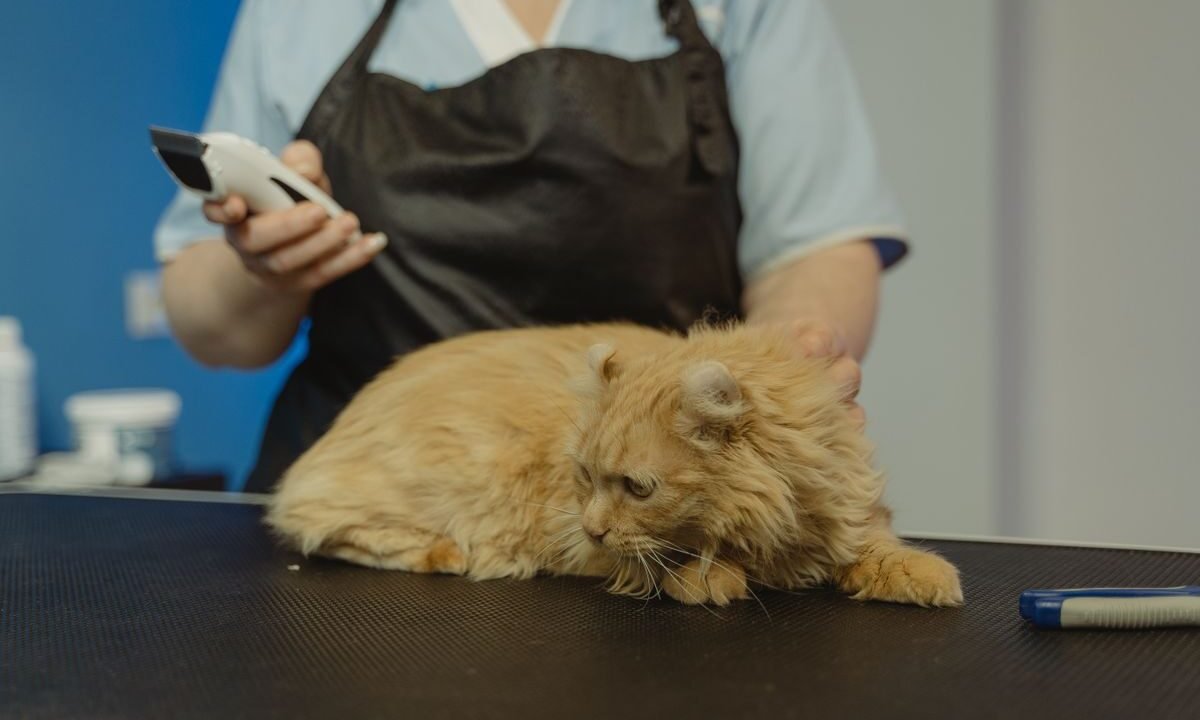
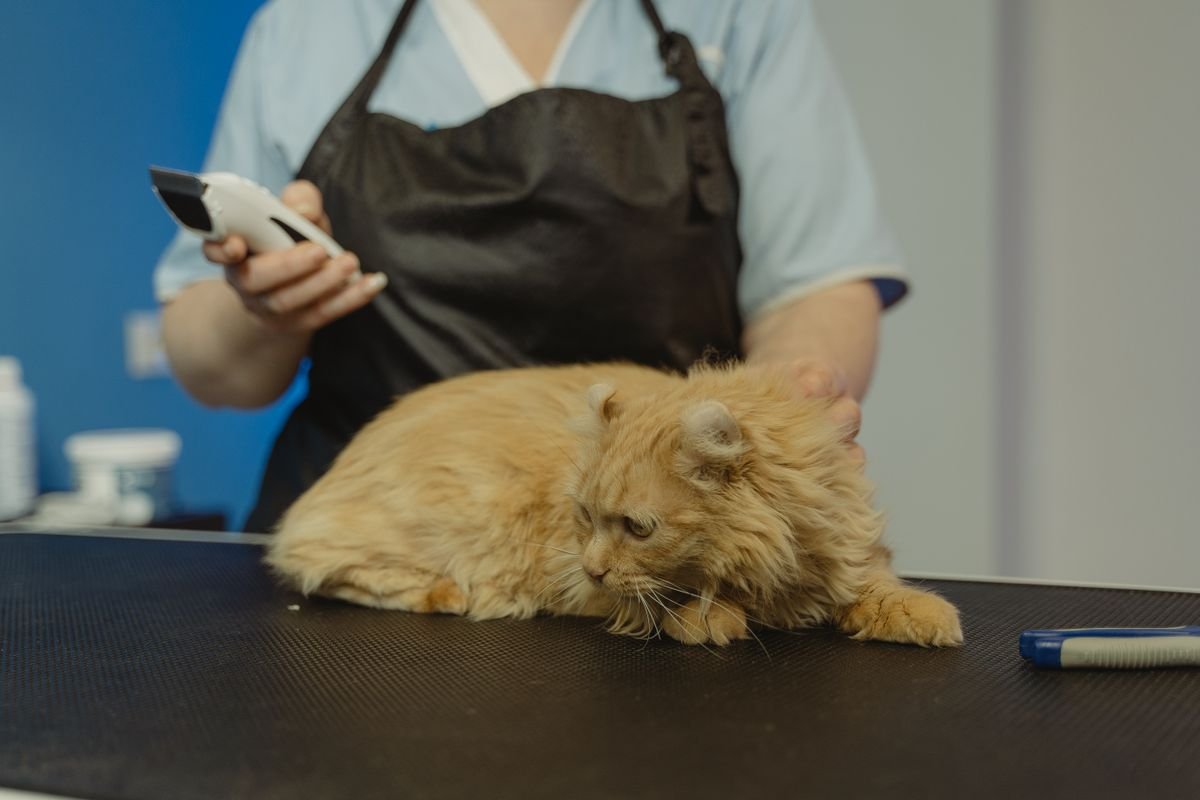
Mats behind a cat’s ears are common because that area combines fine hair, friction, skin oils and constant movement. A small tangle can tighten quickly, especially in long-haired cats, senior cats, overweight cats and cats that no longer groom effectively.
The safest approach depends on how tight the mat is and how close it sits to the skin. A loose surface tangle may be combed out gently. A dense mat that pulls the skin should not be cut with household scissors.
Why mats form behind the ears
The hair behind the ears moves every time the cat turns its head, scratches or rubs against furniture. Fine undercoat can twist together, then trap shed hair. Moisture, skin oils and friction make the knot tighter.
VCA advises checking long-haired cats regularly for tangles behind the ears, under the legs and around other high-friction areas. Long-toothed combs can help with small tangles, but pulling hard on mats can hurt the skin.
Start by feeling how tight the mat is
Use your fingertips to feel whether the mat lifts away from the skin. If you can slide the tips of a comb under the outer edge without pulling the skin, the tangle may still be manageable. If the mat feels flat, hard or glued to the skin, stop before trying to cut it.
Do not use scissors next to the skin
Cat skin is thin and can be drawn up into a mat. It is easy to cut the skin accidentally because the boundary between hair and skin may be impossible to see. Our safe mat-removal guide explains why clippers are often safer than scissors for tight mats.
Try gentle combing only on small loose tangles
Hold the fur close to the skin to reduce pulling, then work from the outer edge of the tangle rather than dragging a comb from the skin outward. Stop if the cat flinches, turns to bite, growls, or the skin starts moving with the mat.
When a professional groomer can help
A groomer experienced with cats may be able to remove a localized mat with clippers while minimizing pulling. Choose someone who is comfortable handling cats and does not rely on forceful restraint.
When a veterinarian should handle it
Veterinary help is appropriate when the mat is very tight, the skin underneath looks red or moist, there is an odor, the cat seems painful, the cat has multiple mats, or safe handling is not possible. Mats can hide wounds, infections, parasites and skin inflammation.
Why senior cats often develop mats
Older cats may groom less because of arthritis, dental pain, obesity or illness. If a previously well-groomed cat begins developing mats suddenly, consider the grooming change a clue rather than simply a cosmetic problem. See our senior cat grooming guide for mobility-friendly care.
Prevent the next mat before it tightens
Run a comb behind the ears during regular grooming sessions, especially in long-haired cats. Short, calm sessions are more useful than waiting until several mats have formed. Our cat mat prevention guide covers a broader routine.
Behind-the-ear mats can tighten faster than they look
The fur in this area is fine and mobile. A small knot can collect more shed hair each time the cat scratches, turns the head or rubs against furniture. By the time the mat feels like a firm lump, it may already be pulling continuously on the skin.
Use your fingers before reaching for a comb
Gently separate the surrounding coat and feel the edges of the tangle. A loose knot usually has some movement and individual hairs can be teased apart. A tight mat often feels like felt and moves the skin with it.
If the skin moves when you lift the mat, do not keep pulling.
Skin behind the ears is easy to cut
This is why household scissors are particularly risky. The skin can tent upward into the mat where you cannot see it. VCA specifically advises using clippers rather than scissors for mat removal and recommends professional help when tangles are severe.
A small loose tangle can be approached differently
If you can clearly see that the tangle is superficial, support the fur close to the skin and work from the outer edge. Use a long-toothed comb and separate a few hairs at a time.
Do not spray random detangling products on the area. Cats groom themselves and may ingest whatever is left on the coat.
Stop when the cat tells you it hurts
Ear flattening, tail lashing, sudden head turning, growling, biting attempts or trying to escape are reasons to stop. Painful grooming creates fear and increases the chance that future coat care becomes difficult.
Why bathing first can make things worse
Water can tighten tangles as the coat dries. If you discover a mat before a planned bath, deal with the tangle first unless a veterinarian or professional groomer gives different instructions.
Check the skin once the hair is separated
Look for redness, dampness, scabs, odor, flea dirt or a wound. Tight mats can trap moisture and hide skin irritation. If the area looks inflamed or infected, veterinary care is more useful than further grooming.
Repeated ear-area mats may have an underlying reason
If this is a new problem in a cat whose coat used to stay tidy, ask what changed. Arthritis can make twisting uncomfortable, obesity can limit reach, and dental pain can reduce normal grooming.
Our cat arthritis guide covers mobility signs that owners sometimes mistake for normal aging.
Long-haired cats need prevention, not repeated rescue
VCA recommends regular brushing for long, silky or curly coats because they tangle readily. Running a comb behind the ears every day or several times a week, depending on the individual coat, is much easier than removing a dense mat later.
See our long-haired cat brushing guide for frequency guidance.
Check both sides even if only one side is matted
A cat may sleep more often on one side or scratch one ear more than the other. Comparing both sides can help you notice whether there is also redness, discharge or sensitivity around an ear.
Ear disease can change grooming behaviour
If the cat repeatedly scratches one ear, shakes the head or resists touching around the ear, the tangle may not be the primary problem. Ear mites, infection or inflammation can increase scratching and friction.
Do not put ear medication or cleaning fluid into the ear unless you know what problem you are treating.
Professional grooming is not a failure
A dense mat close to delicate skin can be safer to clip professionally. A cat-experienced groomer may handle a localized mat, while a veterinarian is more appropriate when the skin is painful, infected or the cat cannot be handled safely.
Some cats may need veterinary sedation for extensive matting
Severe mat removal can be painful and time-consuming. For a frightened or painful cat, sedation in a veterinary setting may be kinder and safer than prolonged forceful restraint.
Preventing the next mat
- check behind both ears during every grooming session;
- comb through the undercoat rather than smoothing only the surface;
- increase grooming during heavy shedding;
- investigate repeated scratching or ear sensitivity;
- watch for mobility or dental changes that reduce self-grooming;
- deal with tiny tangles before they become felted.
Keep the grooming experience calm
Use a few gentle strokes, reward cooperation and stop before the cat becomes agitated. If brushing itself is the problem, our guide for cats that hate brushing offers a lower-pressure approach.
Use the whole coat as context
One isolated small knot can happen in a healthy cat. Multiple new mats across the body, greasy fur or widespread dandruff are more reason to consider a health or grooming problem beyond one difficult patch.
Our broader cat grooming guide covers brushing, coat checks, claws and mat prevention together.
Bottom line
Mats behind the ears are easiest to manage while they are still small and loose. Gentle combing may be enough early on. Tight mats, painful skin or a cat that cannot tolerate handling should be handled by a professional groomer or veterinarian rather than cut with household scissors.
0 comments