
Cat Hates Being Brushed? How to Make Grooming Easier Without Forcing It
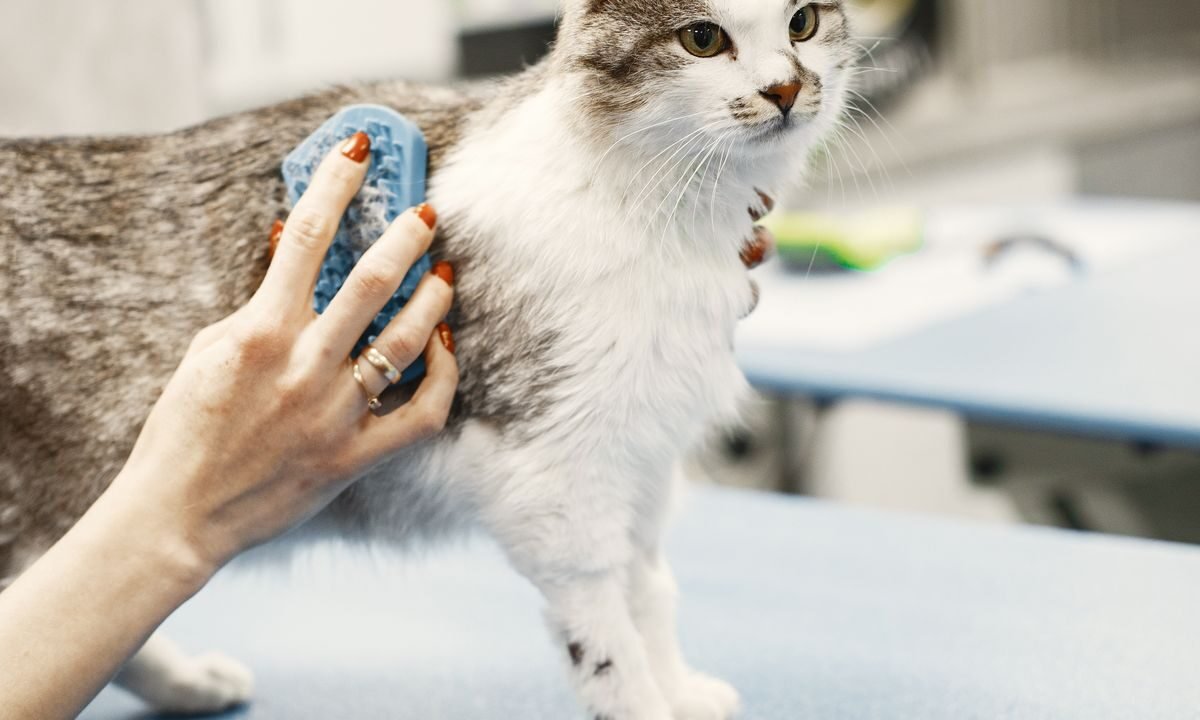
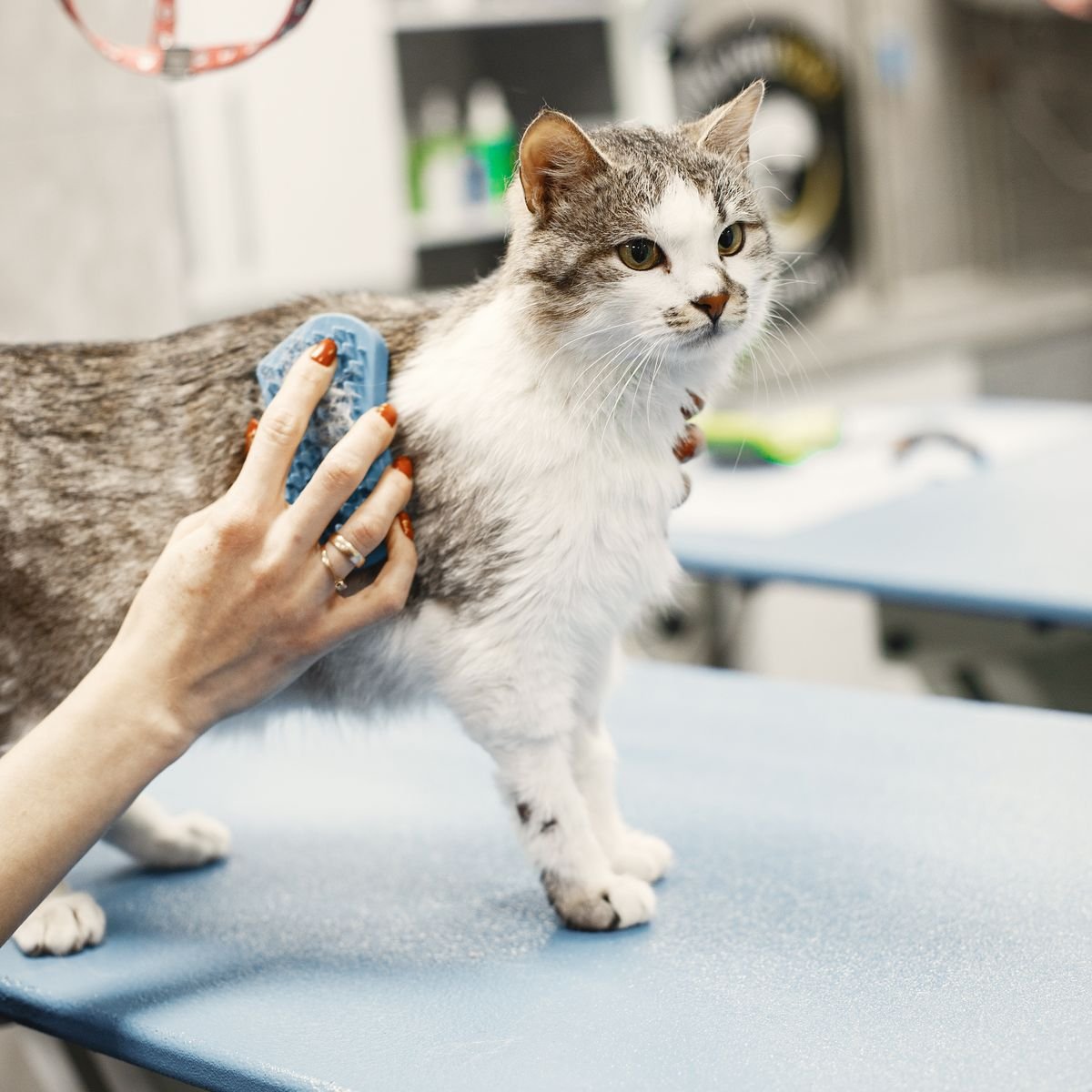
If your cat hates being brushed, the answer is usually not to hold them more firmly and finish faster. Some cats dislike the sensation of a particular tool. Others have learned that brushing predicts pulling, restraint or discomfort. And if a cat suddenly begins resisting grooming that they previously tolerated, pain should be part of the conversation.
Start with one or two strokes, not a full grooming session
Pick a moment when your cat is relaxed. Let them see and sniff the brush, give one gentle stroke over an easy area such as the shoulder, then stop. Ending while the cat is still calm is more useful than waiting until they swat, bite or run away.
Try a different grooming tool
A metal comb, slicker brush and grooming mitt feel very different on the skin. Cats Protection notes that tool choice often depends on the cat’s preference and coat type in its cat-grooming guidance. A cat that hates one brush may accept a softer option.
Brush in the direction the fur grows
Going against the coat can feel more intense, especially on sensitive cats. Use gentle strokes from head toward tail and avoid repeatedly scraping the same patch of skin.
Begin where your cat already likes being touched
If your cat enjoys strokes around the cheeks, shoulders or back, introduce the brush there first. Save the belly, hind legs and other sensitive areas for later. You are building tolerance, not testing how much the cat will put up with.
Use food or play to create a better association
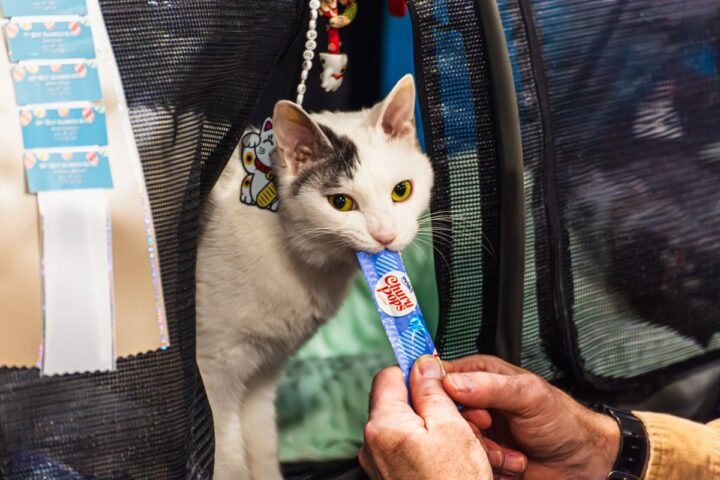
A small treat after a few calm strokes can help the brush predict something pleasant. Blue Cross recommends gradual grooming and a calm approach in its cat grooming advice. Keep rewards small enough that grooming does not become a large source of extra calories.
Do not pull through a knot just to finish it
If the comb catches, hold the fur near the skin so you reduce pulling. Tight mats are different from loose tangles and can be painful. Our guide to removing mats from cat fur safely explains when home grooming should stop.
Watch for signs that grooming hurts
Flinching, growling, skin twitching, turning suddenly toward the brush or avoiding touch over one specific area can point to discomfort. Older cats may have arthritis, while cats of any age can have skin irritation, wounds or other painful conditions.
Do not punish swatting or growling
Those behaviors are warnings that the cat wants more distance. Punishing them may suppress the warning without making the cat feel safer. Pause, shorten the next session and work below the point where the cat becomes defensive.
Long-haired cats need a plan even if they dislike grooming
Because long coats can mat quickly, skipping grooming indefinitely is not a safe solution. Our daily brushing guide for long-haired cats shows how brief, regular coat checks can prevent a much more difficult grooming problem later.
Professional help can protect the relationship
If the coat is already badly matted or your cat becomes highly distressed, a veterinarian or experienced cat groomer may be the better option. Sometimes the kindest home-grooming decision is knowing when not to continue.
Make success smaller than you think it needs to be
A cat that accepts thirty calm seconds today has made progress. Build from there. Grooming becomes easier when the cat learns that the brush does not automatically mean restraint, pain or a session that continues after they want it to end.
First ask whether brushing hurts
A cat that suddenly starts resisting one area may be reacting to pain rather than disliking the brush. Mats, arthritis, skin inflammation, wounds and dental pain can all make grooming uncomfortable.
Change the tool before blaming the cat
A harsh slicker, sharp comb or tool that catches the undercoat can make every stroke unpleasant. Match the tool to coat type and start with the least intense option that still reaches loose hair.
Introduce the brush without brushing
Place the brush nearby, reward the cat for investigating it, then touch the handle or back of the brush gently against the body. The first sessions do not need to remove any hair.
Use one or two strokes, then stop
If the cat remains relaxed, finish while the experience is still easy. Repeated short sessions teach that grooming has an end point the cat can predict.
Work on easy areas first
Many cats tolerate the shoulders or back better than the belly, armpits or hindquarters. Build confidence where handling is easy before approaching more sensitive areas.
Do not hold the cat down to complete the job
Force can turn a mildly reluctant cat into one that hides when grooming equipment appears. If the coat requires urgent work that cannot be done cooperatively, professional help is safer than repeated restraint battles.
Reward calm behaviour, not endurance
Offer a small treat, play or another valued reward after a brief calm interaction. The goal is not to make the cat tolerate discomfort for longer; it is to make the whole process predictable and comfortable.
Watch the earliest stress signals
Skin twitching, tail flicking, ears turning sideways, looking repeatedly at the brush or shifting away are earlier signs than growling or swatting. Stop before the cat has to escalate.
Long coats need prevention, not heroic rescue sessions
VCA notes that long-haired cats are particularly prone to tangles in high-friction areas such as under the legs, chest and around the collar. Frequent short checks are much easier than removing a dense mat later.
A grooming log can reveal patterns
Note which body areas are difficult, which tool works best and whether tolerance is improving. If resistance suddenly worsens in one place, that pattern may help identify pain.
The relationship matters more than finishing every knot today
A calm thirty-second session that ends successfully can make tomorrow easier. Forcing through resistance may save a few minutes today and create weeks of avoidance afterward.
If several sessions pass with no improvement, reassess the tool, body area and possibility of pain instead of simply increasing restraint. Difficulty is information.
Let the cat inspect the grooming tool first
Place the brush nearby, reward calm investigation and touch the coat with the back of the tool before using the bristles. For some cats, reducing surprise is enough to improve tolerance.
Change tools if one sensation is clearly aversive
A pin brush, comb and soft slicker feel very different. If the cat reacts before a tangle is touched, the tool itself may be part of the problem.
Do not hold the cat down to finish
Physical restraint can turn mild reluctance into fear. For routine coat care, shorter voluntary sessions are usually more sustainable than forcing completion.
Use body position to reduce tension
Some cats tolerate grooming better while standing on a non-slip mat, resting on a favorite bed or facing away from the person. The best position is the one that keeps the cat physically secure without pinning it.
Separate detangling from routine brushing
If you discover a knot, do not turn every normal grooming session into a battle over that spot. Deal with easy coat areas first and address the tangle only if it can be handled safely and calmly.
Reward stillness before the cat tries to escape
Mark and reward one or two seconds of calm handling early in the session. Waiting until the cat is already struggling teaches less than rewarding cooperation before stress escalates.
0 comments