
How to Remove Mats From Cat Fur Safely Without Cutting the Skin
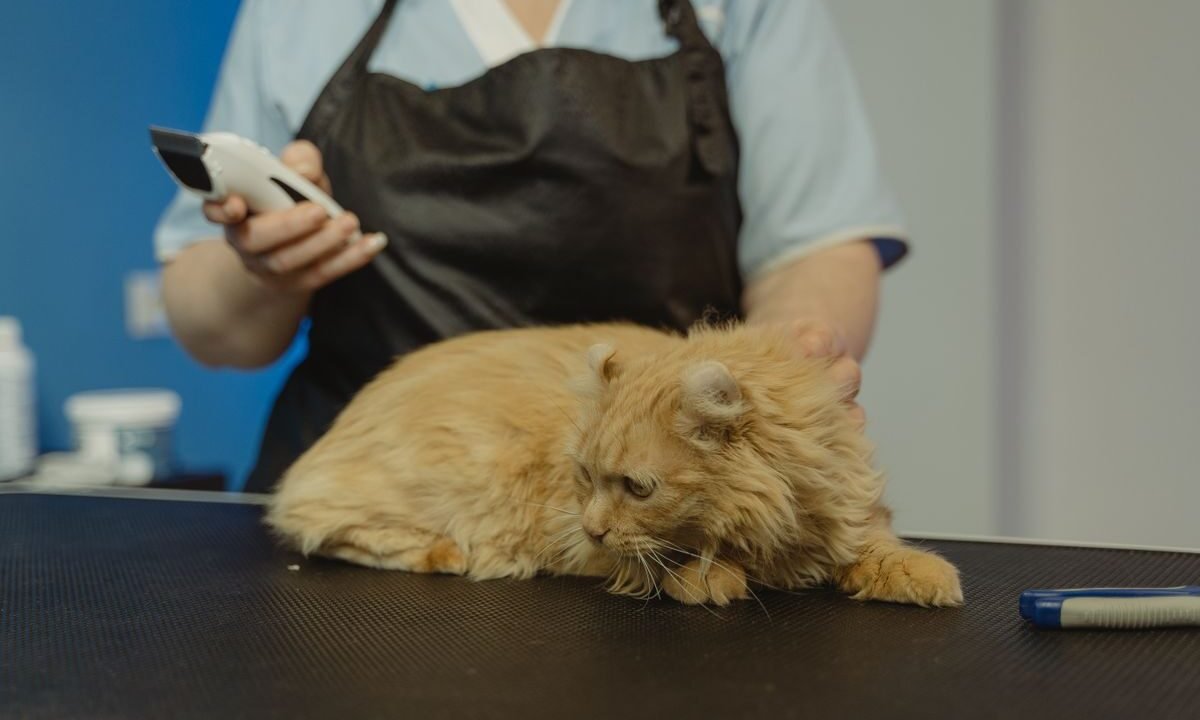
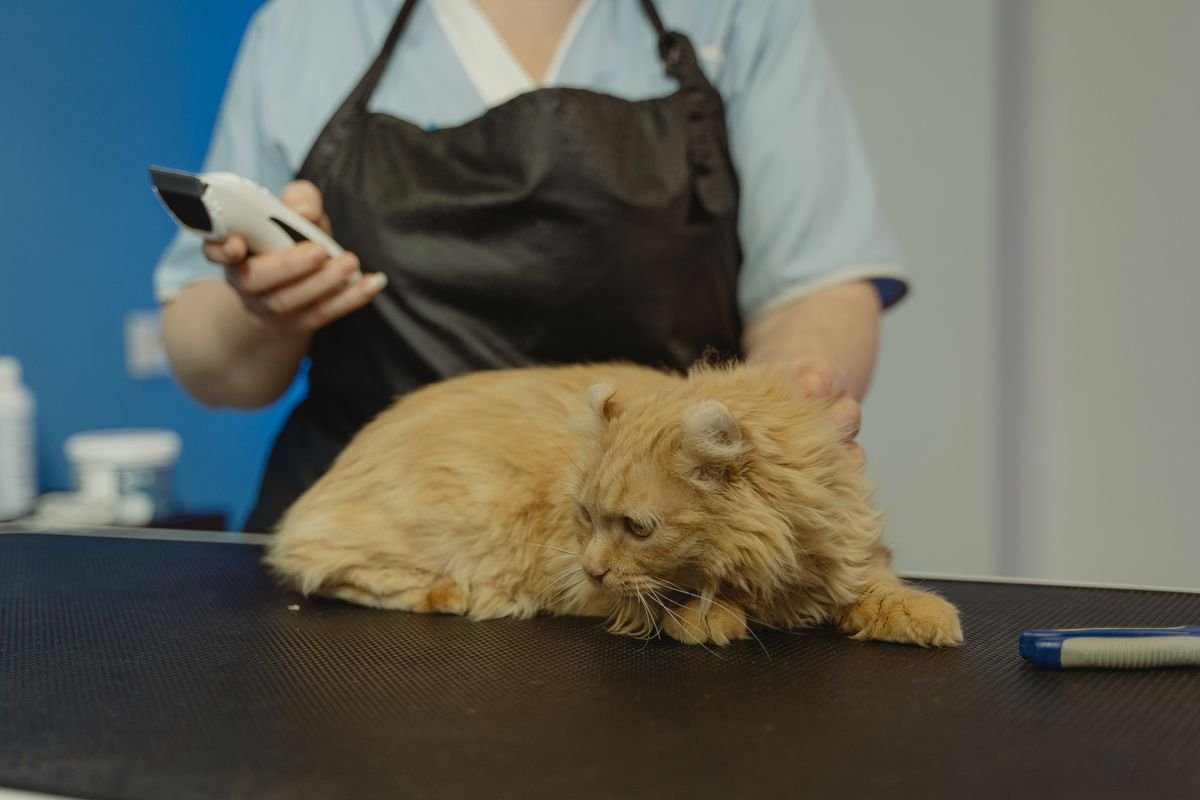
How do you remove mats from cat fur safely? The answer depends on whether you are dealing with a loose tangle or a dense mat pulled tight against the skin. Small, soft tangles may come apart with patient combing. Tight mats can hide sore skin and are easy to cut into accidentally, so they often need professional removal.
First decide whether it is a tangle or a true mat
A loose tangle is flexible and moves independently of the skin; a dense mat feels like felt or a sheet and may pull the skin when lifted. If the skin moves with it, or you cannot tell where skin ends and fur begins, stop. The distinction sets the limit for gentle home combing; it is not permission to cut underneath a mat.
Do not use scissors on a tight mat
Do not cut a tight mat with scissors. Thin feline skin can fold upward into the fur, including around the armpits, belly, groin and behind the ears. What appears to be a gap may contain skin, and a quick snip can cause a serious wound. The existing veterinary-reviewed guidance on matted fur warns about that risk; RSPCA grooming advice also cautions against scissor removal.
Work only on a small loose tangle at home
Limit home work to a small, soft tangle while your cat remains comfortable. Support the coat near the skin to reduce pulling, use fingers first, and gently separate a few hairs from the outer edge. A suitable wide-toothed comb may help once the knot loosens. Do not drag a comb outward from the skin through a resistant knot.
Stop if the skin moves with the tangle, the knot does not loosen easily, or your cat flinches, growls, hisses, tries to bite or cannot remain calm. Continuing through pain can make later grooming harder.
Do not soak a mat before trying to remove it
Do not wet a tight mat hoping it will loosen. Tangled fur can tighten as it dries and become harder to separate. Deal with matting before bathing unless a veterinarian or experienced groomer has provided a different plan.
Tight mats are a professional job
Tight mats, several knots joined into a felted sheet or painful areas need a veterinary team or groomer experienced with cats. Clippers can also injure thin skin when used incorrectly; owning them does not make a skin-bound mat safe to remove at home. Contact the vet first if the skin is wet, wounded, swollen or painful, or if handling itself has become difficult.
When arranging help, describe the location, whether the coat is one sheet or separate knots, and whether your cat reacts when touched. Ask whether the clinic needs to examine the skin before grooming and what handling plan is suitable. Leave painful areas alone while awaiting instructions.
Be especially careful around armpits, belly and groin
These areas have loose, delicate skin and are easy to injure. They are also common places for long fur to tangle. If a mat sits in one of these locations, the risk of trying to cut it yourself is not worth the convenience.
Mats can hide more than messy fur
Mats can hide moisture, flea dirt, parasites, scabs, wounds and irritated skin while pulling continuously on the area. Odor, dampness, redness, swelling or pain are reasons to stop combing and arrange veterinary care. After removal, check the exposed skin without rubbing a sore patch; ongoing tenderness, discharge or repeated licking also needs attention.
Ask why the mat formed in the first place
A long-haired cat may simply need more frequent brushing, but a new matting problem in an older or previously well-groomed cat can point to reduced flexibility, obesity, dental pain or another health change. Prevention begins with understanding why self-grooming became less effective.
Build a prevention routine after the mat is gone
Check high-friction areas every day, keep the coat dry and use a comb that reaches through the fur without scraping the skin. Our cat grooming techniques guide covers routine coat care, while our long-haired cat brushing guide explains how daily checks can stop small tangles becoming painful mats.
A mat should never become a battle
If removal hurts, the cat is telling you something useful. Stop before fear and pain turn future grooming into a bigger problem. A professionally clipped mat and a calm prevention plan are safer than winning a struggle with a comb.
Repeated matting means prevention needs to change
VCA notes that long-haired cats and cats with pain, obesity or reduced self-grooming are more prone to mats. Increase routine combing and investigate why the cat is no longer keeping the coat tidy.
Sudden matting in a senior cat deserves attention
Arthritis, dental pain and other illness can make self-grooming difficult. Treat the new coat change as a possible health clue, not simply a cosmetic problem.
Know when to stop home care
- the mat is tight against the skin;
- the skin moves with the mat;
- the area is red, wet or painful;
- the cat cannot be handled calmly;
- there are many mats or a large felted area.
Prevention is easier than removal
Brief, regular coat checks in high-friction areas are less stressful than waiting for knots to become dense. The goal is to catch a tangle while it is still soft enough to manage comfortably.
After a professional mat removal, ask exactly which areas were worst and how often they should be checked at home. That turns one difficult episode into a prevention plan instead of a repeating cycle.
Also note whether the cat tolerated handling normally afterward. Ongoing tenderness, swelling, discharge or repeated licking can mean the skin underneath still needs veterinary attention.
Prevention starts with the exact problem area
If mats repeatedly form behind the ears, under the legs or near the collar, increase checks in that location rather than simply brushing the back more often.
0 comments