
How Often Should You Brush a Long-Haired Cat? Daily Coat Care Without Stress
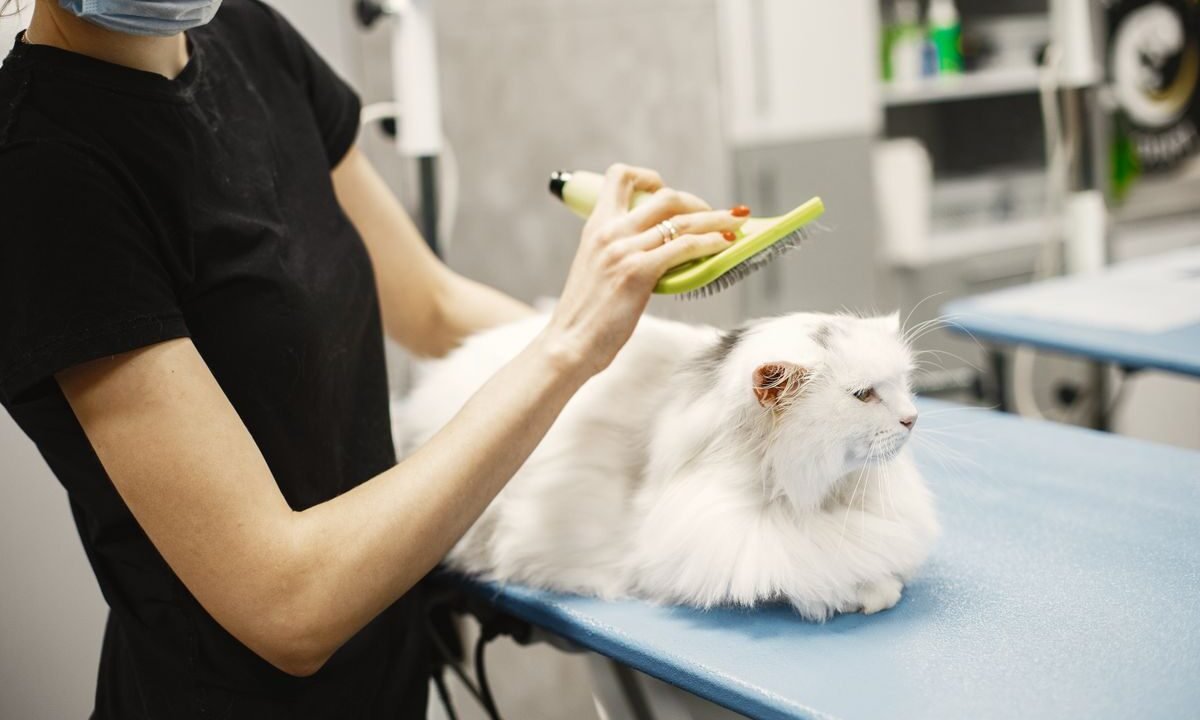
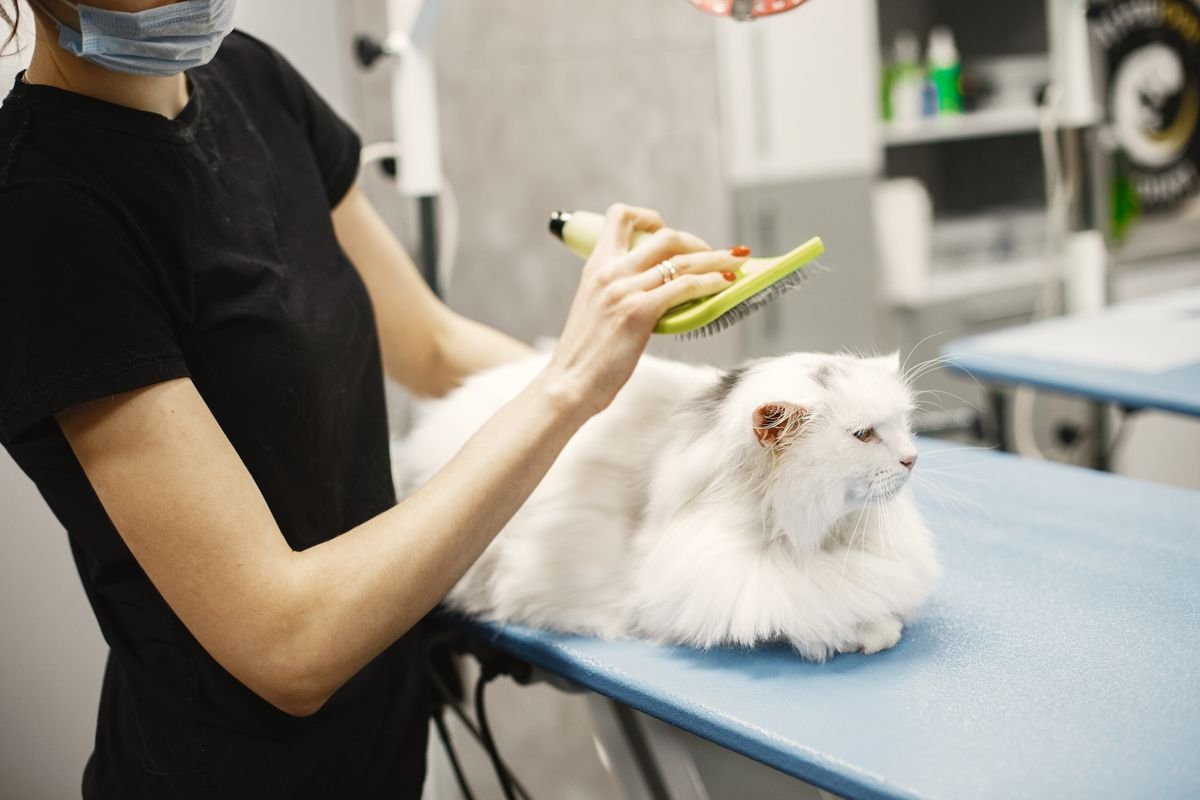
How often should you brush a long-haired cat? For most long-haired cats, daily grooming is the safest starting point. That does not mean a long, stressful session every evening. A few calm minutes spent checking the coat and working through easy areas can prevent the small tangles that later turn into tight mats.
Daily brushing is the usual recommendation
Cats Protection advises that long-haired cats generally need brushing every day, while short-haired cats often need much less. Their cat-grooming guidance also notes that individual needs vary with fur length, mobility and whether the cat can groom normally.
Short sessions are better than wrestling through the whole coat
If your cat becomes restless after three minutes, stop before grooming turns into a fight. You can brush the back and sides in one session and check the belly, legs or tail later. Consistency matters more than forcing every area at once.
Use a comb that reaches through the coat
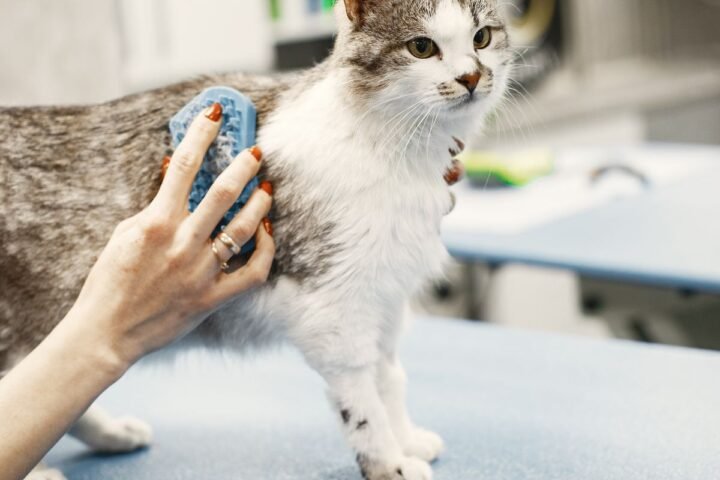
A soft brush can remove loose surface hair but may glide over tangles hidden beneath a long coat. Cats Protection lists combs as a useful option for long-haired cats. Work gently from the ends of the fur toward the skin rather than pulling hard from the root.
Check the friction areas first
Behind the ears, under the front legs, around the chest, belly and hindquarters can tangle faster because fur rubs against itself. Run your fingers through these areas during petting so you notice a knot while it is still small.
Never make pain part of the routine
Hold the fur close to the skin when easing out a small tangle so the comb does not pull directly on the cat. If the knot is tight, close to the skin or clearly painful, stop. Our cat grooming techniques guide covers brushing, mats and claw care in more detail.
Older long-haired cats may need extra help
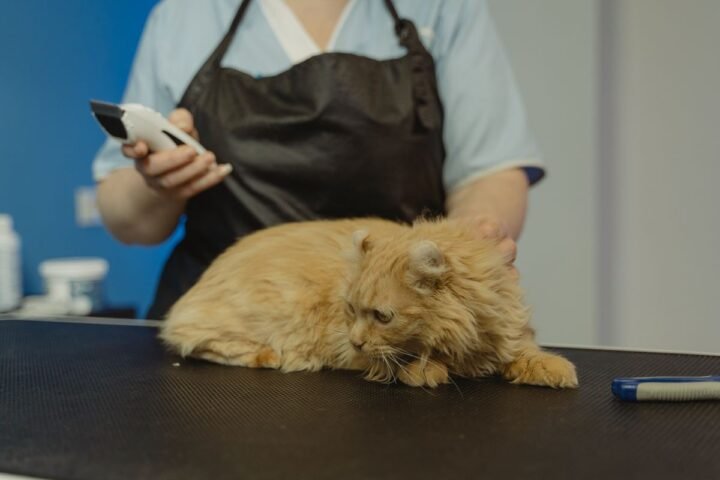
Arthritis, obesity, dental pain and reduced flexibility can make self-grooming difficult. A coat that becomes greasy or matted after years of looking normal is worth discussing with your veterinarian rather than treating only as a cosmetic problem.
Brushing also gives you a skin check
Part the coat as you work and look for fleas, scabs, redness, lumps or areas the cat suddenly dislikes having touched. You do not need to diagnose what you find. The value of regular grooming is noticing a change early enough to ask about it.
Do not wait for shedding season to start
Long hair can mat at any time, even when shedding is not dramatic. Daily grooming keeps the coat manageable year-round and makes heavier shedding periods easier because you already know where your cat tends to tangle.
A calm routine can reduce hair swallowed during self-grooming
Brushing removes loose hair before the cat licks it off. That can reduce the amount swallowed, although frequent vomiting or repeated hairball problems still deserve attention. Our cat hairball guide explains when hairballs stop looking routine.
Let the coat and the cat set the length of the session
Daily does not have to mean lengthy. If the coat stays smooth with five relaxed minutes and your cat walks away comfortable, that is more useful than a twenty-minute session that teaches them to hide when the brush appears.

0 comments