
Hard vs Soft Cat Carrier: Which Is Safer for Vet Visits and Car Travel?
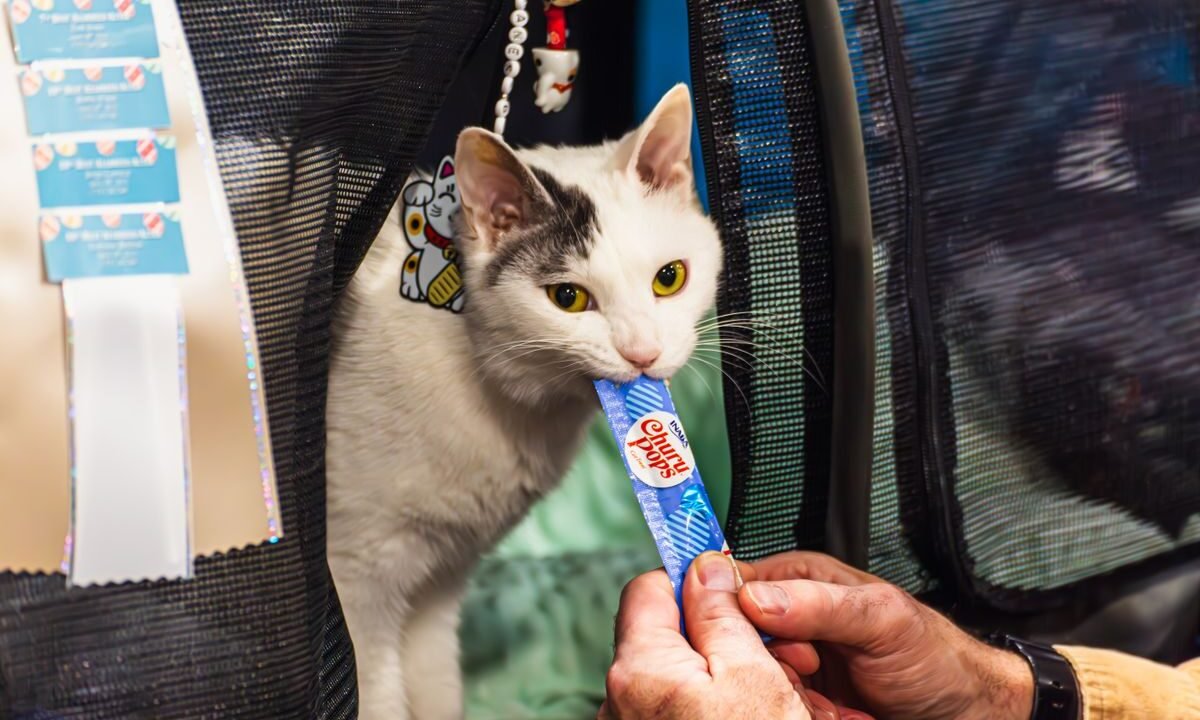
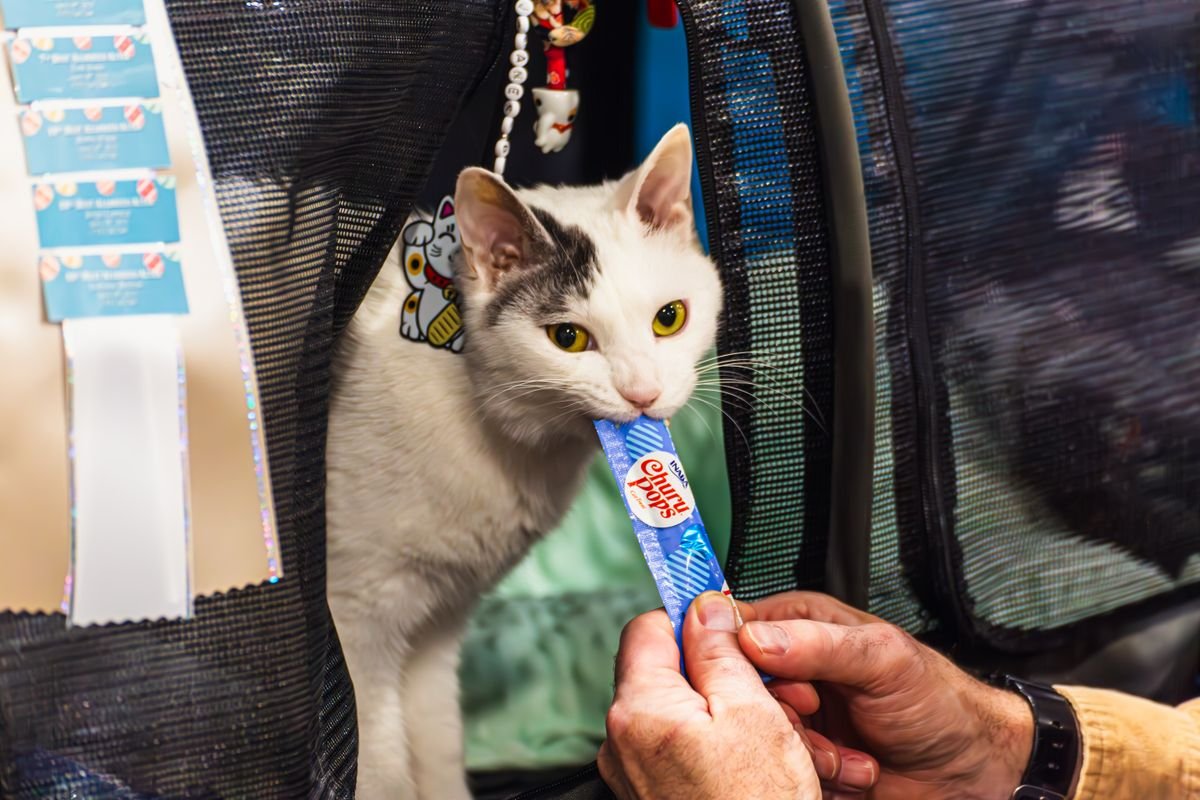
Hard vs soft cat carrier is not a purely cosmetic choice. The carrier changes how stable your cat feels while moving, how easily the interior can be cleaned after an accident and how gently the veterinary team can access a frightened cat. Current feline-veterinary guidance leans toward sturdy hard plastic as the safest general default, but a well-structured soft carrier can still be useful when it has the right openings, support and travel rating.
Hard plastic is the feline-veterinary default
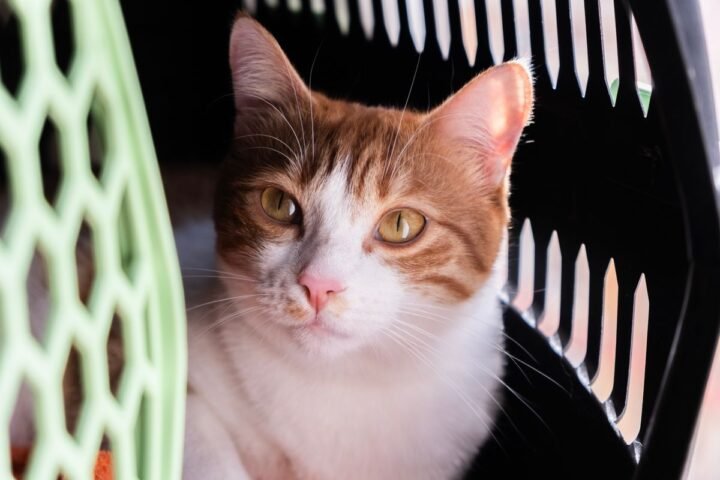
The Feline Veterinary Medical Association’s current carrier guidance says a hard plastic carrier is the safest and easiest type to clean compared with other carrier designs. A removable top is particularly valuable because the cat may stay in the bottom half during part of the examination.
Hard carriers keep their shape when doors open
A rigid shell does not collapse inward when the front gate is opened. That matters when a nervous cat is deciding whether the carrier is a safe hiding place. A collapsing opening can press against the cat or make exit and re-entry awkward.
Hard carriers are easier to disinfect after urine or vomit
Travel stress, motion sickness and fear can lead to accidents. Smooth plastic can usually be washed, rinsed and dried more thoroughly than padded fabric with seams and foam layers. This is especially useful when a cat has infectious disease, diarrhea or repeated travel sickness.
A removable hard top is valuable at the veterinary clinic
FelineVMA notes that removing the top can let the veterinarian examine a fearful cat while the cat stays in the familiar lower half. That can be much less stressful than tipping, pulling or dragging the cat through a single small front opening.
Soft carriers can be lighter to carry
A quality soft-sided carrier may weigh less and can be easier for some caregivers to lift. Some also fit airline cabin dimensions more conveniently. Weight and convenience are legitimate considerations, provided the carrier remains stable enough for the cat.
The biggest soft-carrier problem is collapse
FelineVMA says soft carriers should have a large top opening and ideally openings at both ends, and specifically warns against door openings that collapse when open. International Cat Care likewise cautions that fabric carriers can collapse and be difficult to clean.
A hard bottom makes a soft carrier much more usable
If you choose fabric, look for a solid or reinforced base that stays level when lifted. A sagging floor can make the cat slide into a low point and feel unstable. Test the carrier with equivalent weight before placing the cat inside.
Mesh improves airflow but can leave a cat visually exposed
Soft carriers often have large mesh panels. Ventilation is useful, but some cats become more distressed when they can see movement in every direction. A breathable towel over part of the carrier can reduce visual stimulation as long as airflow and temperature remain safe.
Backpack carriers are a separate category, not simply “soft”
International Cat Care warns that backpack-style carriers can create excessive movement, limited space and visual exposure. FelineVMA similarly says many backpacks do not provide enough comfortable movement space and can feel unstable.
Hard does not automatically mean crash-safe
A rigid plastic box may protect against crushing during ordinary handling, but that does not prove it has been tested for vehicle crashes. The Center for Pet Safety’s carrier studies found major differences between products marketed for travel. Crash protection depends on structural integrity and the restraint system, not just hard material.
Soft does not automatically mean unsafe in a car either
Several soft or hybrid carriers have passed independent crash-certification programs. The useful question is whether the specific model has current test evidence and whether you install it exactly as instructed.
For ordinary vet trips, stability often matters more than storage convenience
A fold-flat carrier is convenient in a cupboard but less useful if it bends around the cat every time you lift it. Consider how the carrier behaves when loaded, carried through doors and placed on the clinic floor.
The best carrier needs enough room regardless of material
A perfectly designed hard carrier that is too small is still wrong. Our cat carrier size guide explains how to assess standing room, turning space, body length and internal dimensions.
Use one carrier per cat
FelineVMA recommends separate carriers even for bonded cats. Stress can change social behavior during travel, and separate carriers make handling safer if one animal becomes frightened or needs veterinary treatment.
For a fearful cat, access design can matter more than softness
A top opening or removable lid gives you more options than a narrow single front door. Cats that dislike being pushed headfirst into a carrier may tolerate a calm top-loading approach far better during an urgent trip.
Keep either type out at home between trips
Carrier material will not solve fear if the carrier only appears immediately before stressful travel. Cat Friendly Homes recommends leaving the carrier in a familiar area with bedding, treats or toys so it becomes part of the cat’s normal environment.
Choose the carrier your cat can feel stable inside
For most cats, a sturdy hard plastic carrier with a removable top is the strongest all-round choice for veterinary visits. A structured soft carrier can work when it has a firm base, non-collapsing openings, enough room and a proven travel design. Stability, access and cleanability matter more than which material looks nicer.

0 comments