
Cat Carrier Training: Make Vet Trips Less Stressful
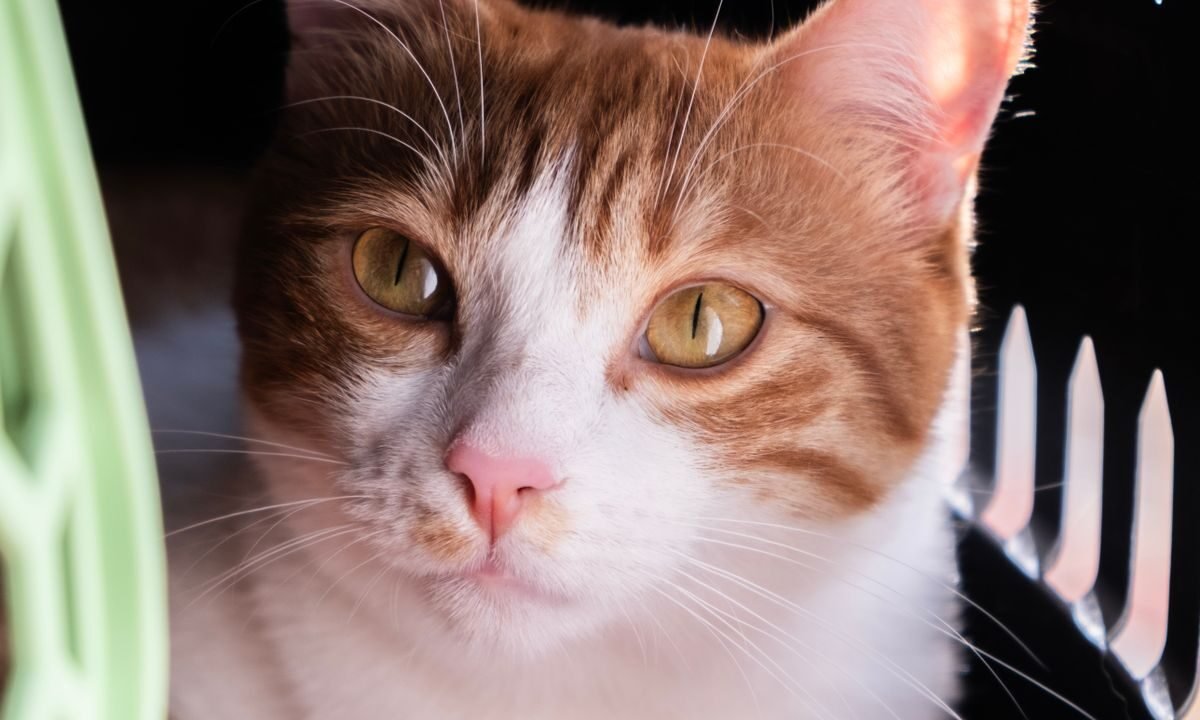
Many cats learn that the carrier appears only before an unpleasant car ride or veterinary visit. Carrier training works by reversing that association: the carrier becomes a familiar resting and feeding space long before travel day.
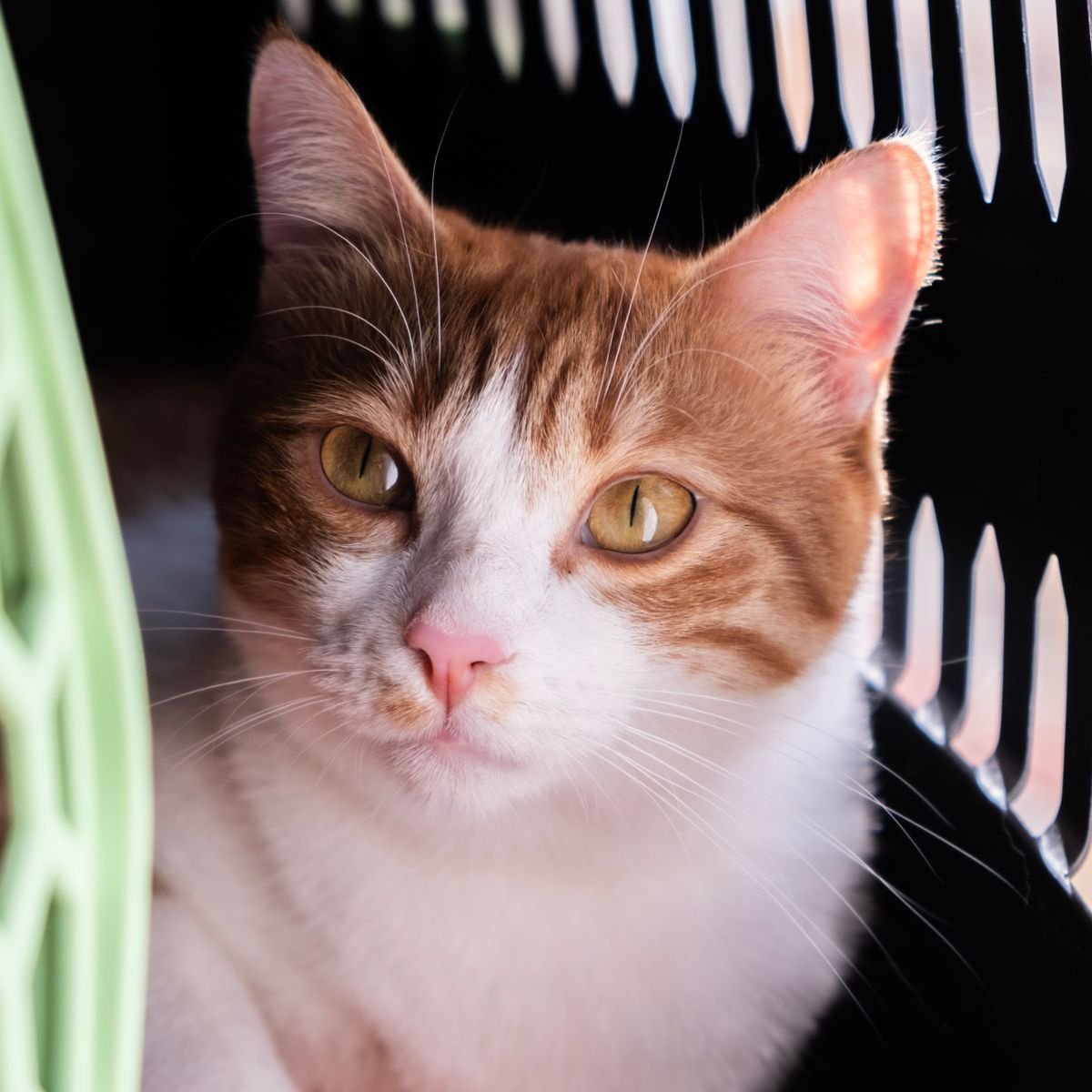
Choose a practical carrier
Cat Friendly Homes recommends a sturdy, easy-to-clean carrier with useful access points, such as front and top entry or a top that can be removed.
Step 1: leave it out
Place the carrier where the cat already spends time. Secure the door open or remove it if the design allows.
Step 2: make the inside familiar
Add washable bedding that smells like the home. Drop treats or favorite toys inside without pushing the cat toward them.
Step 3: reward voluntary entry
Feed small treats at the entrance, then deeper inside. Some cats progress within days; others need weeks.
Step 4: introduce the door
Close the door for one second, reward, then reopen. Build duration gradually while the cat remains relaxed.
Step 5: practice lifting
Once the closed carrier is comfortable, lift it briefly, set it down and reward. Later, take a short walk through the home.
Step 6: practice the car separately
Begin with the stationary car, then a very short drive. Avoid making the first drive a long stressful journey.
Do not chase the cat around the house
Chasing teaches the cat that carrier appearance predicts capture. For an urgent trip before training is complete, a top-opening or removable-top carrier can make handling easier.
Secure the carrier during travel
Cat Friendly Homes notes that crash-tested carriers can be restrained according to their instructions; otherwise placement on the floor behind the front seat may reduce movement.
For broader cooperative handling, see our positive-reinforcement cat training guide. For the first weeks after adoption, use our new cat owner guide.
Use the carrier as furniture
A carrier left open with familiar bedding can become a normal sleeping or hiding place. This removes the visual warning that “carrier appearance means something bad is about to happen.”
Feed near, then inside the carrier
If the cat is wary, begin with treats or meals several feet away and move them closer over multiple sessions. Progress is better measured by relaxed body language than by how quickly the cat physically enters.
Practice with different handling steps separately
Carrier entry, door closure, lifting and car movement are four different challenges. A cat that is calm with one step may still need gradual work on the next.
Covering the carrier can help some cats
A light breathable cover may reduce visual stimulation during transport, but keep airflow unrestricted and watch temperature. Some cats prefer visual access instead, so use the cat’s behavior as the guide.
Prepare the veterinary team in advance
If your cat becomes extremely distressed during travel or handling, tell the clinic before the appointment. Your veterinarian may recommend a pre-visit medication plan for future trips rather than relying on force.
After the visit
Return the carrier to its normal household location instead of storing it immediately. Add fresh bedding and treats so the last memory of the carrier is not only the car ride and examination.
Keep the carrier useful between appointments
Use it occasionally for low-stress practice that does not end in travel: a meal inside, a short door-close exercise or a brief lift followed by release. That prevents the carrier from becoming a perfect predictor of the veterinary clinic again after training improves.

0 comments