
Tips for Traveling With Cats: Carrier Training, Car Safety and Long Trips
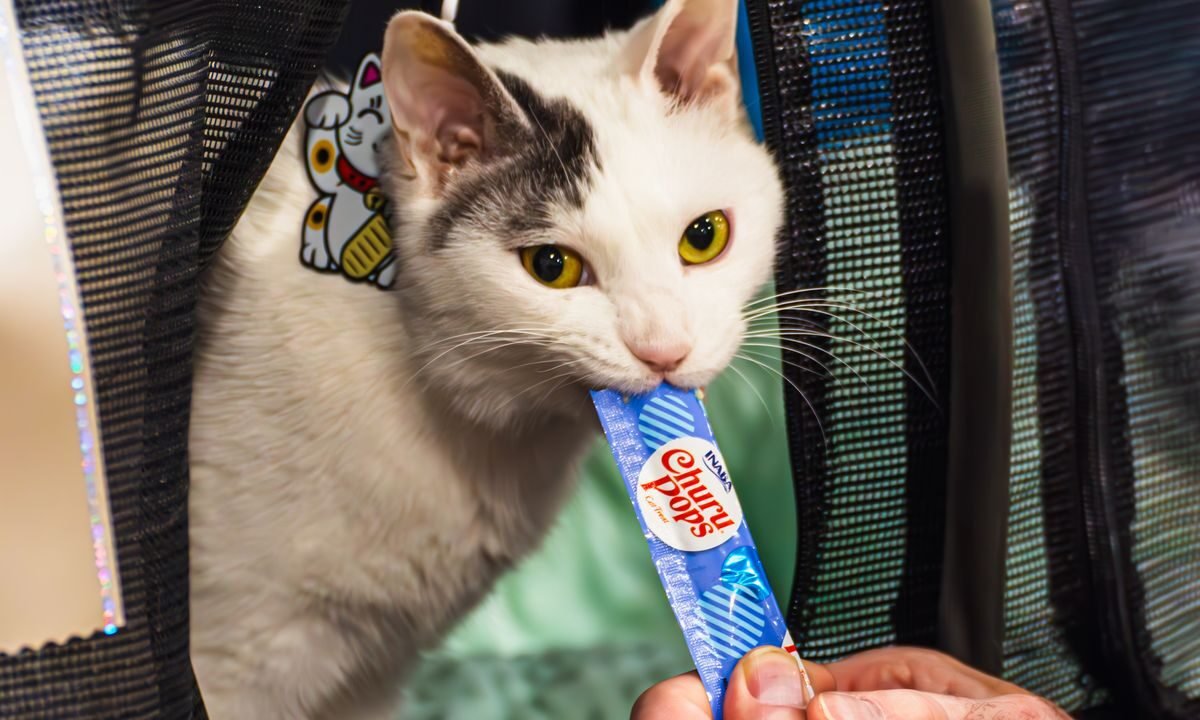
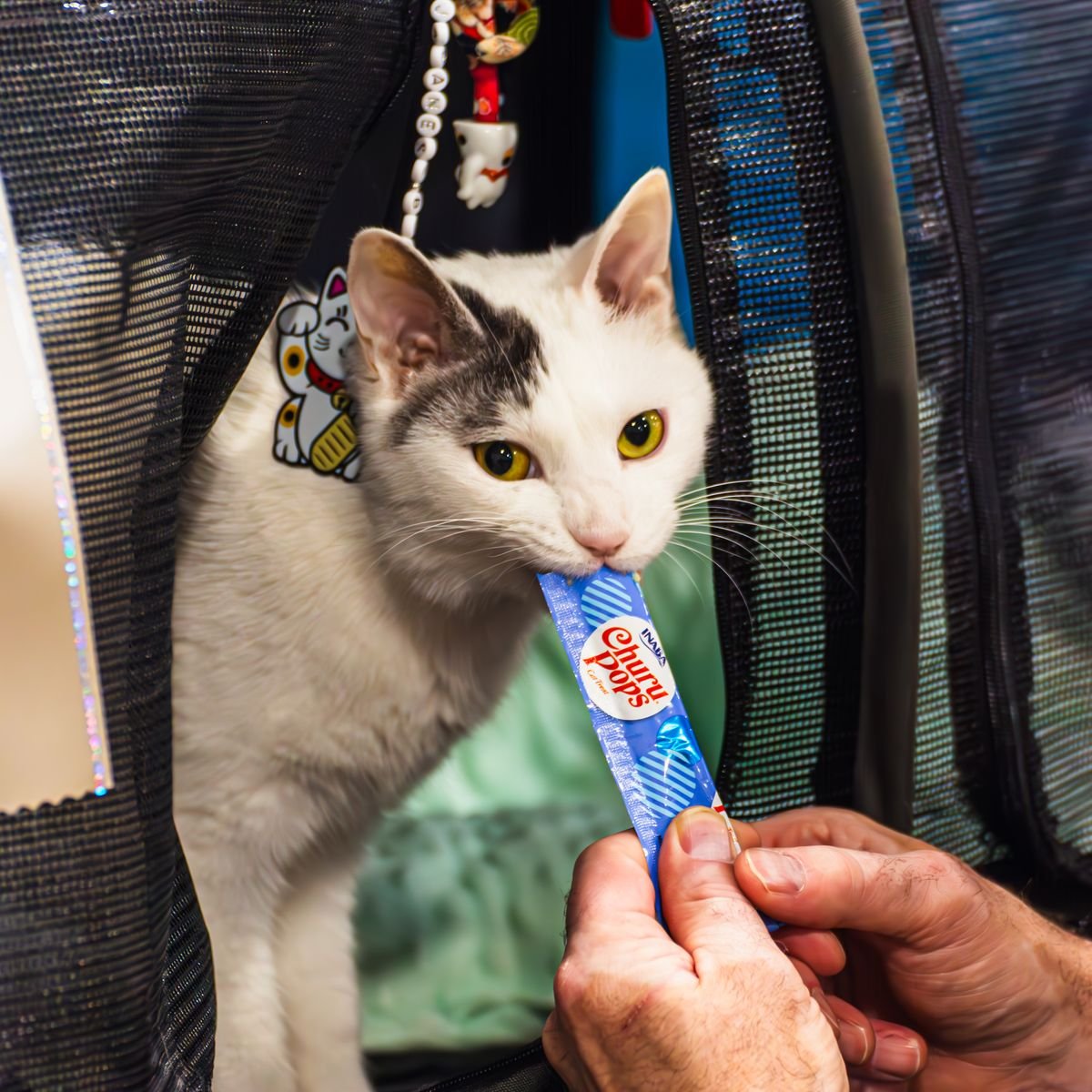
Most cats would rather stay in familiar territory than travel. Sometimes, however, a veterinary visit, house move or longer journey is unavoidable. The best travel plan focuses on containment, predictable preparation and reducing unnecessary stress rather than trying to make the trip exciting.
Start with the carrier before travel day
Leave the carrier open in a room your cat already uses. Add familiar bedding and occasionally place treats or part of a meal inside. Our cat carrier training guide explains how to make the carrier part of normal life instead of a warning that something unpleasant is about to happen.
Choose a sturdy carrier
The Cats Protection travel guide recommends a well-ventilated sturdy carrier that is large enough for the cat to stand and reposition comfortably. Handheld plastic or metal carriers are generally more stable than soft unstable designs.
Use one carrier per cat
Even cats that live peacefully together may become stressed during travel. Separate carriers reduce the risk of conflict and make handling easier if one cat needs veterinary attention.
Secure the carrier in the vehicle
Cats Protection advises keeping cats inside the carrier while driving and securing the carrier so it remains upright. A loose cat can distract the driver and may escape when a door opens.
Use familiar scent
A washable towel or blanket that smells like home can make the carrier less unfamiliar. Avoid strongly perfumed cleaners immediately before travel.
Keep temperature stable
Do not place the carrier in direct sunlight or directly in front of heating or air-conditioning vents. Never leave a cat unattended in a parked vehicle, even for a short stop.
Practice with short journeys
If you know a long trip is coming, begin with brief car sessions and short drives. Gradual exposure gives the cat a chance to experience movement and engine noise without immediately facing several hours of travel.
Pack a small travel kit
For longer journeys, bring familiar food, bottled water, bowls, litter and a tray, waste bags, absorbent pads, cleaning supplies, medication and copies of important veterinary records. Keep these accessible rather than buried under luggage.
Plan overnight stops carefully
If a journey requires an overnight stay, confirm that the accommodation accepts cats and inspect the room for open windows, gaps, balconies and hiding spaces before opening the carrier.
Do not open the carrier at roadside stops
A frightened cat can disappear in seconds. If the cat needs access to a litter tray or water during a long journey, use a secure enclosed room or another fully contained environment rather than opening the carrier beside the vehicle.
Ask your veterinarian about severe travel stress
Some cats experience intense fear, motion sickness or repeated vomiting in the car. Discuss the history with your veterinarian before the trip. Do not give human sedatives or unprescribed calming medication.
Give the cat a quiet arrival area
At the destination, begin with one secure room containing litter, food, water, hiding places and familiar bedding. Our cat-friendly home setup guide covers safe hiding and resource placement.
Make the carrier easy to inspect during stops
Position the carrier so you can check breathing, posture and bedding without moving luggage around. If the cat has toileted or vomited, deal with it in a secure enclosed place rather than opening the carrier beside a road or car park.
Keep travel records with the cat
For longer journeys, carry vaccination records, medication details, microchip information and the contact details of your regular veterinarian. If the cat has a chronic condition, also bring enough medication for unexpected delays.
Plan the destination before you arrive
Know where the litter box, food, water and hiding places will go before opening the carrier. A quiet prepared room is safer than releasing a stressed cat into an unfamiliar building full of open doors and unpacked boxes.
Label the carrier clearly
Add your name, phone number and the cat’s name to the carrier, especially for long trips or shared transport. If the carrier is separated from you unexpectedly, clear identification makes reunification easier.
Make the carrier part of ordinary life
Good cat travel is mostly preparation: a familiar secure carrier, stable temperature, direct transport, predictable supplies and a safe arrival space. The less improvisation required on travel day, the easier the trip is likely to be.



0 comments