
Cat-Friendly Home Setup: Resources, Vertical Space, Hiding and Safety

A cat-friendly home is not defined by how many pet products you buy. The goal is to make important resources easy to access while giving the cat choices about where to rest, hide, climb, scratch and interact.
Separate important resources
Food, water, litter boxes, scratching areas and resting places do not need to be clustered together. Spreading resources through the home can reduce competition and make them easier to access.
Provide safe hiding places
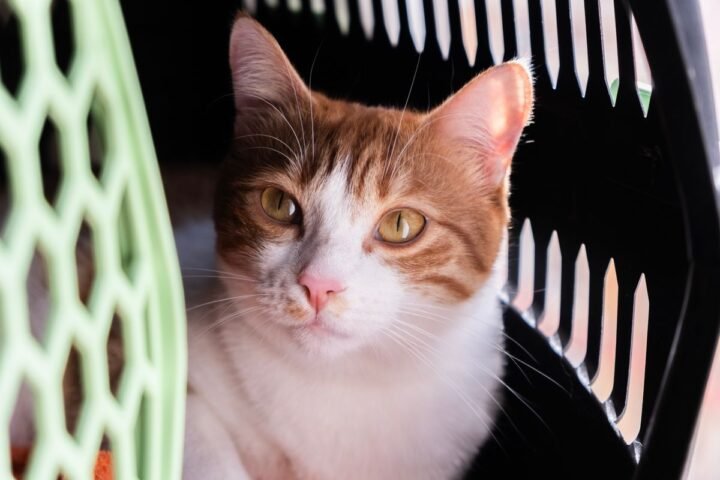
Boxes, covered beds, open carriers and furniture gaps can help a cat withdraw when it wants privacy. A safe place should not become a location where people repeatedly reach in and pull the cat out.
Add vertical territory
Cat trees, shelves and stable window perches let cats observe the room from above and can reduce conflict in multi-cat homes. Make sure elevated routes are secure and easy to enter and leave.
Place scratchers where the cat actually uses the room
The Cat Friendly Homes scratching guidance recommends matching scratcher type and location to the cat’s preferences. A tall stable post near a sleeping or social area may be more useful than one hidden in a spare room.
Think about litter-box access
Boxes should be easy to reach, quiet enough to use comfortably and not placed where one cat can block another. Large uncovered boxes often give cats more room to turn and dig.
Create play opportunities
Rotate wand toys, small prey-like toys and food puzzles rather than leaving every toy out all the time. Short interactive play sessions can be more engaging than passive toy clutter.
Protect windows and balconies
Screens should fit securely. High railings and open balconies can be fall or escape risks, especially for curious cats. Our balcony and railing safety guide covers practical barriers.
Reduce household hazards
- secure string, ribbon and sewing supplies;
- check plants before bringing them indoors;
- keep medications and chemicals inaccessible;
- close washers, dryers and recliners before use;
- keep breakable objects away from common climbing routes.
Respect choice in social interaction
A cat that can approach and leave freely is more likely to feel secure than one that is repeatedly picked up or cornered.
Think in resources, not products
Current FelineVMA guidance frames a cat-friendly home around access to core resources: safe places, food, water, toileting areas, scratching, play and resting spaces. The goal is not to buy more items. It is to place useful resources where the cat can reach them without fear or competition.
Every cat needs at least one safe retreat
A safe place should let the cat withdraw from people, other pets and household activity. Cat Friendly Homes recommends spaces that feel protected and, where practical, allow more than one route in or out so the cat does not feel trapped.
Boxes, covered beds, open carriers and elevated perches can all work. Do not repeatedly pull the cat out once it has chosen a retreat.
Vertical space increases usable territory
Stable cat trees, shelves and window perches give cats observation points and escape routes without increasing floor area. This can be especially useful in multi-cat homes where social distance matters.
Older cats or cats with mobility problems may need intermediate steps or ramps rather than tall jumps.
Separate food, water and litter
Core resources should not all be clustered together. Cats often prefer water away from food, and litter boxes should be placed where the cat can toilet without feeling trapped or ambushed.
In multi-cat homes, separation also reduces the chance that one cat can guard every important resource.
Litter-box number and distribution both matter
Cat Friendly Homes uses the common starting point of one litter box per cat plus one extra. Equally important, distribute them across useful locations instead of placing every tray side by side in one room.
A senior or arthritic cat may need a lower entry and a box on the same floor as the cat’s main living area.
Choose litter-box locations for escape and predictability
A quiet corner can be useful, but avoid dead ends where another pet can block the exit. Noisy appliances, slamming doors and heavy foot traffic can make an otherwise clean box unattractive.
Scratching needs more than one format
Cats scratch to stretch, mark and maintain claws. Offer stable vertical and horizontal options and place them near sleeping areas, room entrances and existing furniture targets.
Our scratching-post placement guide explains height, texture and setup in detail.
Play should imitate hunting
FelineVMA recommends opportunities for predatory-style play. Move wand toys away from the cat, let the toy disappear and pause, and allow successful captures. Food puzzles can also turn part of normal feeding into foraging.
Do not leave strings, ribbons or wand toys accessible unsupervised if they can be swallowed.
Rotate toys instead of filling the floor
A room full of permanently available toys can become visually irrelevant. Keep a few safe toys out and rotate the rest. Change location and play style as well as the object itself.
Respect social choice
Current FelineVMA guidance emphasises positive, predictable human interaction that the cat can initiate and control. Some cats enjoy being held; others prefer sitting nearby.
Teach children and visitors that walking away is a valid feline answer.
Multi-cat homes need duplicated resources
Do not assume bonded-looking cats want to share everything. Provide multiple food, water, litter, scratching, sleeping and hiding locations so one cat cannot control access.
Subtle staring or doorway blocking can create tension even when there are no obvious fights.
Think about smell
Cats use scent to make spaces familiar. Strong perfumes, heavily scented cleaners and the smell of unfamiliar animals can be stressful for some cats.
Avoid stripping all familiar scent from every resting and rubbing surface at once, especially during moves or introductions.
Windows need secure screens
Check that screens fit tightly and cannot be pushed out. Open upper-floor windows and unsecured balconies can create fall or escape risks.
Our balcony safety guide covers barriers and railings separately.
Household toxins belong in the home audit
Secure medications, cleaning products, rodenticides, toxic plants, string-like objects and foods that are unsafe for cats. A cat-friendly home is not only enriching; it also reduces preventable exposure.
Adapt the environment as the cat ages
AAHA/AAFP notes that mature and senior cats may need easier access to resources, lower litter-box entries and less reliance on stairs. Do not wait for a cat to stop using a resource before making it physically easier to reach.
A room-by-room audit
- Can the cat retreat somewhere safe?
- Can the cat reach food and water without passing another animal?
- Is there an accessible litter box nearby?
- Is there something appropriate to scratch?
- Is there vertical or elevated space?
- Are windows, balconies and cords secure?
- Are there opportunities for play and foraging?
Resource placement matters as much as resource count
Two litter boxes placed side by side can function like one resource if a confident cat can block access to both. The same applies to food, water and sleeping areas. FelineVMA guidance emphasizes separation so cats can use essential resources without social pressure.
Give each cat more than one route through the home
Dead-end spaces can become stressful in multi-cat homes. Where practical, arrange furniture and elevated routes so a cat can leave a room without having to pass directly beside another cat. This is particularly important around litter boxes and feeding areas.
Vertical space should be stable and usable
A high shelf is not automatically enriching if access requires a difficult jump or the surface is slippery. Use stable cat trees, shelves, window perches or furniture routes that suit the cat’s age and mobility.
Safe hiding should not mean inaccessible monitoring
Cats need places where they can withdraw, but owners should still be able to check that the cat is eating, breathing normally and using the litter box. Covered beds, boxes and open carriers often provide security without making observation impossible.
Scratching belongs where cats already communicate
Scratching is partly physical maintenance and partly visual and scent communication. Place scratching surfaces near waking areas, room entrances and existing scratch targets rather than hiding every post in an unused corner.
Play areas should allow hunting sequences
Use enough open space for stalking, chasing and pouncing, and let the cat capture the toy periodically. Put string and wand toys away after supervised play so enrichment does not create an ingestion or entanglement risk.
Noise and predictability affect welfare
Some cats cope poorly with loud appliances, unpredictable visitors or constant household traffic. A good setup includes at least one quieter area where the cat can retreat without being followed or handled.
Build a home that can adapt over time
Kittens, healthy adults and senior cats do not use space in exactly the same way. Keep the core resources stable, but be ready to add lower steps, easier litter-box entries, warmer resting areas or more convenient resource locations as mobility and health change.
Audit the home after any major change
Moves, renovations, a new baby, a new pet or furniture rearrangement can change resource access and social pressure. Recheck hiding places, routes, litter-box access and resting areas rather than assuming the previous setup still works.
Use observation instead of assuming the setup works
Watch which beds, boxes, scratching surfaces and routes the cat actually uses. A resource that looks ideal to a person may be ignored because it feels exposed, unstable or difficult to reach. Adjust from the cat’s behavior rather than from appearance alone.
Revisit the setup whenever age, health, household composition or mobility changes.
For understanding why these environmental choices matter, see our cat behavior guide. For general daily care, use our new cat owner guide.

0 comments