
Cat Grooming Techniques: Brushing, Mats, Claws and Coat Care
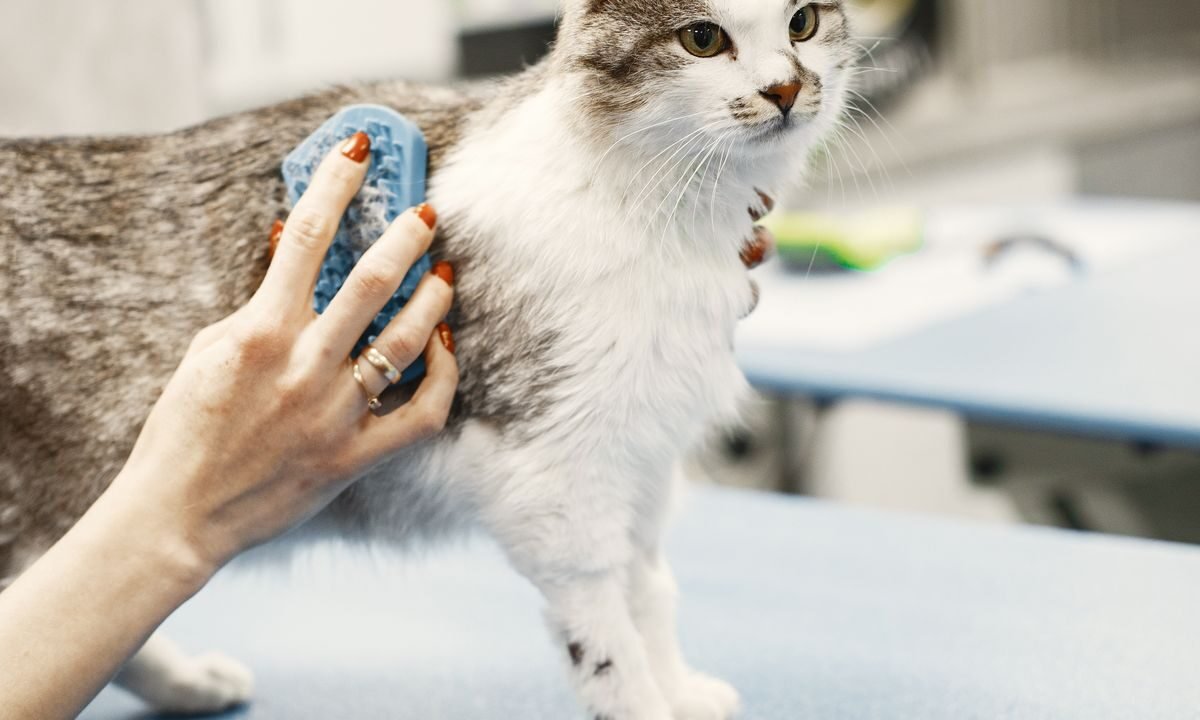
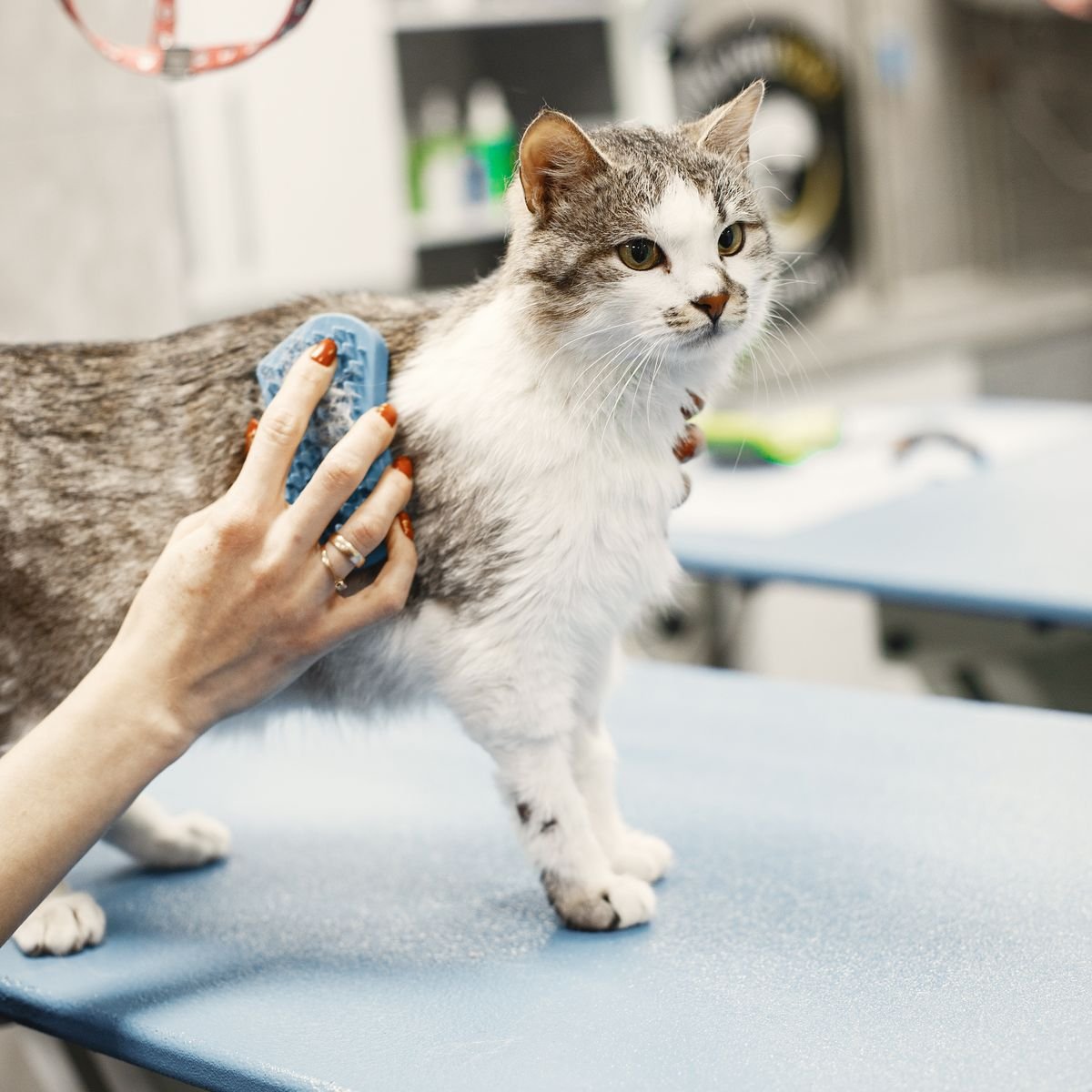
Cats do much of their own coat care, but “self-grooming” does not mean every cat can manage alone. Long-haired cats, seniors, overweight cats and cats with arthritis, dental pain or skin disease may need regular help. The useful goal is not a salon-perfect coat. It is a coat that stays comfortable, a skin surface you can inspect, and grooming sessions the cat can tolerate without fear.
A strong grooming routine starts with the individual cat: coat type, age, mobility, tolerance for handling and the places where tangles actually form.
Start with coat type, not a generic schedule
Short-haired cats often need less frequent brushing than long-haired cats, but shedding, density and self-grooming vary. A soft brush or grooming mitt may be enough for a sleek coat, while a long-haired cat may need a comb that reaches through the outer coat into the undercoat.
The Cats Protection grooming guidance recommends matching tools and frequency to the cat’s coat and tolerance rather than forcing one method on every cat.
Use your hands before using a tool
Run your fingers through the coat first. Feel behind the ears, under the front legs, around the chest, along the back legs and under the tail. Small tangles are often easier to feel than to see.
If you find a knot, work out whether it is loose and superficial or tight against the skin before reaching for a comb.
Long-haired cats need prevention more than rescue
A few minutes of regular combing is far easier on the cat than removing a dense mat later. Our long-haired cat brushing guide explains how shedding, coat density and individual tolerance affect frequency.
During heavy shedding periods, some cats need more frequent grooming for a few weeks. Increase frequency rather than turning one session into a stressful marathon.
Behind the ears is a high-risk area
Fine hair, movement and scratching can turn a tiny tangle behind the ear into a tight mat quickly. Our cat mats behind the ears guide explains how to judge whether a knot is still safe to work on at home.
Armpit mats deserve extra caution
The skin under the front legs is thin, loose and easy to cut. Friction from walking and harnesses can tighten mats there. Our cat armpit mat guide focuses on this delicate area.
Do not cut tight mats with household scissors
Cat skin can be pulled upward into a mat, making it difficult to see where hair ends and skin begins. A quick snip can become a deep skin wound.
Our safe mat-removal guide explains when gentle combing is reasonable and when clippers or professional help are safer.
Loose tangles can sometimes be worked apart
If a tangle lifts away from the skin and the cat is comfortable, support the hair close to the body and work from the outer edge. Use fingers or a wide-toothed comb rather than pulling from the root.
Stop if the skin moves with the mat, the cat flinches, growls or turns to bite, or the knot feels felted and dense.
Use grooming time as a skin check
Part the coat as you work. Look for redness, scabs, dandruff, flea dirt, wounds, bald patches, lumps and areas that feel warm or painful.
A coat that suddenly becomes greasy, flaky or tangled can be a health clue rather than a cosmetic problem.
Overgrooming is not “extra clean”
Bald patches, broken hairs, repeated licking of one location or skin damage can point to fleas, allergy, pain, stress or another medical problem.
Do not respond by simply brushing more. A behavior change in grooming deserves investigation.
Senior cats often need more help
Arthritis can make it difficult to twist toward the lower back, hips or hindquarters. Dental pain can reduce grooming too. A senior cat that begins matting after years of keeping the coat tidy may be telling you that movement or comfort has changed.
Our senior cat grooming guide focuses on mobility-friendly coat care, while the cat arthritis guide covers subtle movement changes.
Weight can affect self-grooming
An overweight cat may simply be unable to reach the lower back and hindquarters comfortably. If mats repeatedly appear in those areas, consider body condition as part of the grooming problem.
Claw care belongs in the same routine
Check claws regularly, especially in older indoor cats that scratch less. Overgrown claws can hook into carpet or curl toward the paw pad.
If you know where the quick is and the cat tolerates handling, trim only the clear tip. If claws are dark, the cat struggles or the nails are already curling, ask a veterinary nurse, veterinarian or experienced groomer for help.
Scratching posts support normal claw maintenance
Scratching helps cats stretch and shed outer claw layers. Provide sturdy vertical and horizontal options in places the cat naturally uses.
A cat that stops scratching suddenly may be painful or less mobile, so look at the whole behavior change rather than treating claw overgrowth alone.
Bathing is usually not the main grooming task
Healthy cats generally do not need frequent baths. Bathing is more appropriate when the coat is contaminated, a veterinarian recommends a medicated wash or the cat cannot keep clean for a specific reason.
Do not bathe a heavily matted coat before dealing with the tangles. Water can tighten mats as the coat dries.
If the coat gets contaminated
Oil, paint, chemicals, sticky substances and unknown products can be dangerous if the cat licks them. Before washing, contact a veterinarian or poison service if the material may be toxic.
Do not use solvents, essential oils or household cleaners on the coat.
Hairballs and grooming are connected—but not identical
Regular brushing can reduce some loose hair before the cat swallows it. But frequent vomiting, repeated unproductive retching or appetite change should not be dismissed as “just hairballs.”
Our cat hairball guide explains what is common and what deserves a veterinary check.
Make the session short enough to succeed
One or two calm minutes can be more valuable than a 20-minute struggle. Start in areas the cat likes, reward cooperation and stop before irritation builds.
Ending while the cat is still comfortable teaches that grooming is predictable and temporary.
Do not chase the cat with the brush
If the cat walks away, let the session end. Following and restraining the cat turns grooming into something to escape.
If handling has already become difficult, our cat hates being brushed guide explains how to rebuild tolerance gradually.
Try a different tool before assuming the cat hates grooming
Some cats dislike stiff bristles but tolerate a comb or grooming mitt. Others object to pulling because the coat is already tangled.
Tool choice, pressure and session length can matter as much as the cat’s personality.
Harnesses and collars can create friction
Long coats may tangle under harness straps or collars. Check contact areas regularly and make sure equipment fits correctly.
If the cat wears a harness only for outings, remove it afterward when safe rather than leaving it rubbing the coat continuously.
Keep grooming tools clean
Remove hair from brushes and combs. Wash tools when needed and avoid sharing them between animals when one pet has a contagious skin condition.
Follow veterinary cleaning advice for ringworm, mites or other infectious problems.
When a professional groomer is useful
A cat-experienced groomer can help with dense coats, sanitary trims and localized mats when the cat tolerates handling. Choose someone who is comfortable working with cats rather than applying dog-grooming restraint techniques by default.
When a veterinarian is the better choice
Use veterinary help when the skin is infected, painful or wounded; matting is extensive; the cat has a medical problem; or safe grooming may require sedation.
Severe mat removal can hurt. In some cases, a short veterinary clip under appropriate sedation is kinder than prolonged forceful restraint.
Sudden grooming decline deserves attention
If a cat that used to groom normally develops mats, dandruff or a greasy coat, look for changes in mobility, weight, appetite, dental comfort and general behavior.
Grooming can reveal health problems before owners notice a more obvious symptom.
A practical routine for most cats
- Feel the coat before brushing.
- Check high-friction areas first.
- Use a tool suited to coat length and density.
- Work in short sessions.
- Stop before the cat becomes distressed.
- Check skin and claws while you groom.
- Deal with loose tangles early.
- Use professional help for tight mats or painful skin.
- Investigate sudden changes in coat care.
What good grooming looks like
A successful routine leaves the cat comfortable, the coat free of painful mats, the skin visible enough to monitor and the relationship with handling intact.
Grooming should feel like regular maintenance, not a battle that happens only when the coat becomes unmanageable.
Seasonal shedding can change the routine
Some cats shed more heavily at certain times of year. During those periods, loose undercoat can build faster and the same grooming schedule may no longer be enough. Increase frequency temporarily rather than waiting until tangles appear.
Humidity and indoor heating can affect the coat
Dry indoor air can increase static and make long coats tangle more easily. That does not mean a cat needs scented sprays or human conditioner. Use gentle grooming and ask a veterinarian or professional groomer before applying leave-in products the cat may lick.
Sanitary trimming can be useful in selected cats
Long-haired cats that repeatedly collect stool or litter around the hindquarters may benefit from a careful sanitary trim. The underlying reason still matters: diarrhea, obesity, arthritis or mobility problems should be addressed rather than relying only on clipping.
Check ears while you are already handling the head
Grooming is a convenient time to notice excessive wax, odor, redness, discharge or repeated scratching. Do not insert cotton swabs deep into the ear canal or use ear medication without knowing what problem you are treating.
Eye and face care should stay gentle
Some cats develop small amounts of dried discharge near the eyes. Use a clean damp pad on the surrounding fur and wipe away from the eye. Persistent discharge, squinting or swelling deserves veterinary attention.
Do not confuse dandruff with a grooming failure
Flaky skin can appear with dry skin, obesity, parasites, allergy or systemic disease. If dandruff is widespread, new or accompanied by itching or hair loss, brushing alone may not solve the cause.
Flea control matters even for indoor cats
Fleas can enter on people, other pets or household items. A cat that suddenly scratches or overgrooms may have parasites even if the cat rarely goes outside.
Use cat-safe flea products only. Our cat flea control guide explains why products intended for dogs can be dangerous to cats.
Grooming can reveal body-condition change
Because you regularly touch the cat, you may notice ribs, hips or spine becoming more prominent before weight loss is obvious visually. The opposite can also happen: excess body fat can make it harder for the cat to reach the back and hindquarters.
Use grooming to notice lumps early
Small masses can hide under fur for weeks. If you find a new lump, note its location and size rather than repeatedly squeezing it. A veterinarian can determine whether monitoring, sampling or treatment is appropriate.
Do not share grooming products casually between cats
Brushes, combs and clippers can spread infectious skin disease. If one cat has ringworm, mites or another contagious condition, clean or isolate tools according to veterinary advice.
After a medical procedure, grooming may need to change temporarily
Incisions, shaved areas, bandages and pain can make normal grooming inappropriate. Follow veterinary restrictions and avoid brushing directly over healing skin.
Long-haired cats may need combing beneath the surface
A soft brush can make the outer coat look smooth while leaving undercoat tangles untouched. A comb that reaches through the coat helps confirm that the hair is genuinely tangle-free rather than only neat on top.
Short-haired cats still benefit from handling practice
Even when coat maintenance is minimal, gentle brushing can help the cat tolerate body handling and gives you a chance to check skin, claws and lumps. Keep sessions brief enough that they remain positive.
Grooming should change as the cat changes
A routine that worked at age three may not work at age thirteen. Mobility, coat texture, weight, health and tolerance all evolve. Review the routine rather than assuming resistance means the cat has simply become difficult.
Grooming fits into a wider care routine that includes nutrition, litter habits, enrichment and preventive health. The Cat Care for Beginners guide provides that broader framework.
A useful monthly grooming review
- Is the coat free of tight mats?
- Are claws wearing normally?
- Is skin free of redness, scabs and bald patches?
- Has brushing become harder or more painful?
- Has the cat’s weight or body condition changed?
- Are there new lumps or sensitive areas?
- Is the cat grooming itself normally?
The strongest grooming routine is the one that prevents discomfort and gives you early information about the cat’s health without damaging trust. Regular, low-pressure care is far more useful than emergency grooming after mats, claws or skin problems have become severe.
0 comments