
Grooming Senior Cats: Coat Care for Stiff Joints, Mats and Sensitive Skin
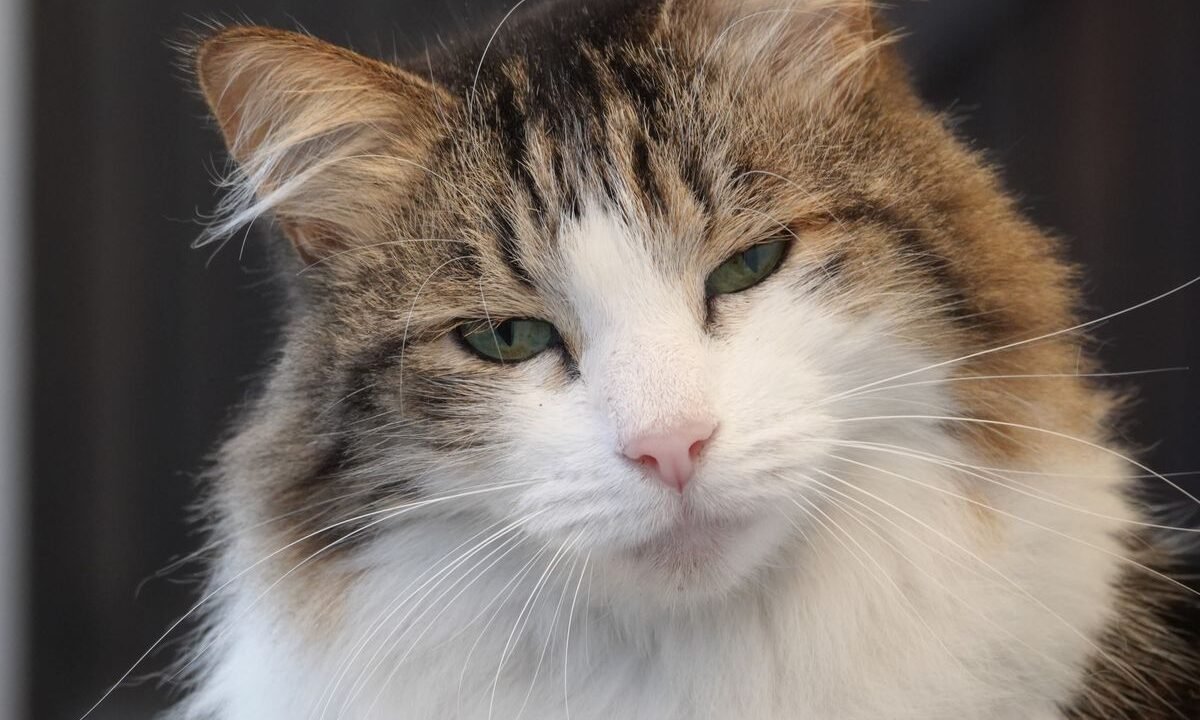
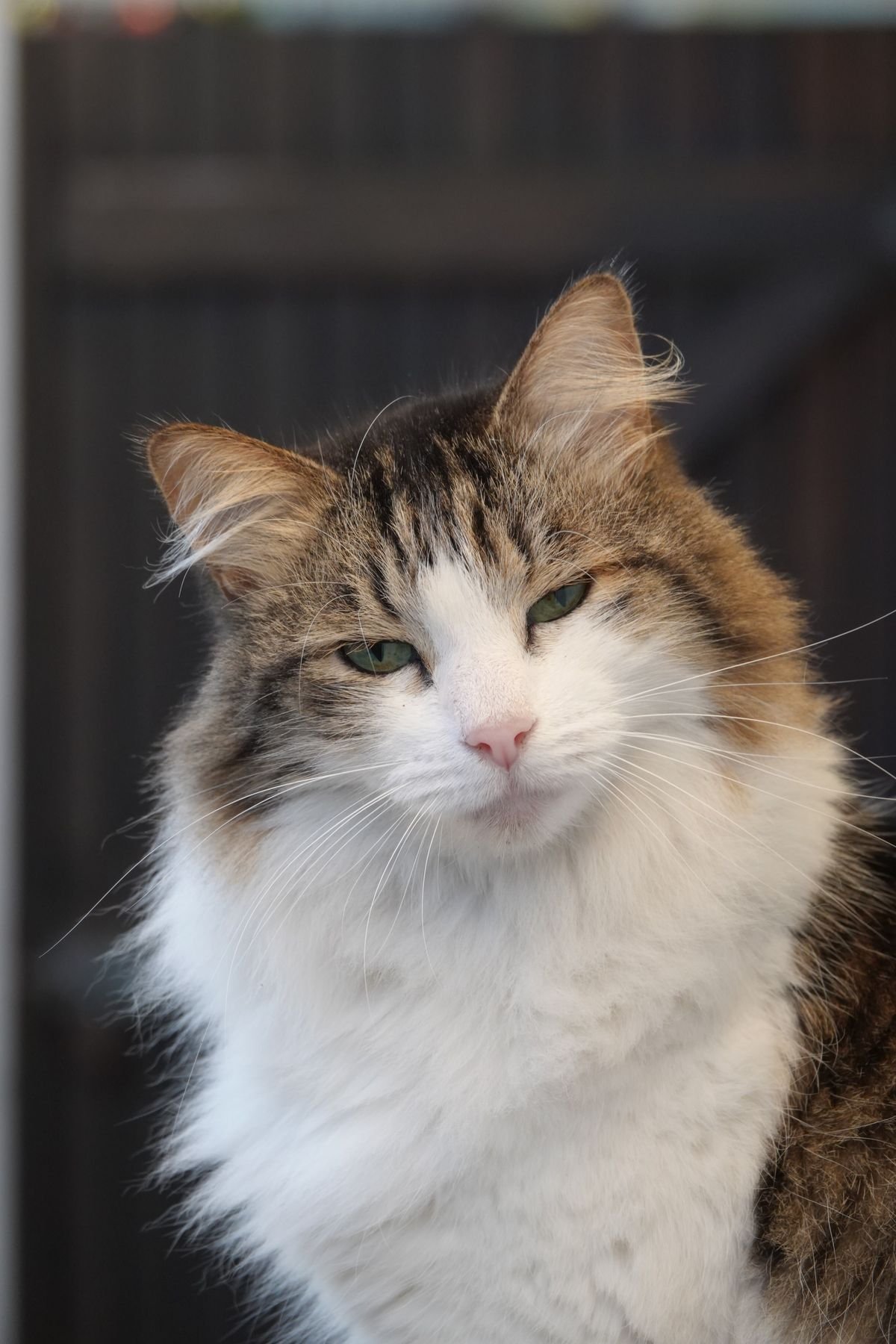
Grooming senior cats often becomes more important because an older cat may not bend, twist or balance as easily as they once did. A cat that kept a perfect coat for years can begin developing greasy patches, dandruff or mats around the back and hips. Helping with the coat is useful, but the change itself can also be a clue that something hurts.
Notice when self-grooming starts to change
An older cat may stop reaching the lower back, hind legs or base of the tail. Cornell’s older-cat care guidance notes that reduced self-grooming can occur with age and that sudden decline can also signal a health problem.
Use a softer touch than you did years ago
Senior skin can be thinner and a cat with arthritis may dislike pressure over the spine, hips or shoulders. Start with a soft brush or comb the cat already accepts and use short strokes in the direction of hair growth.
Long-haired senior cats usually need daily attention
Cats Protection recommends daily brushing for long-haired older cats and once or twice weekly grooming for short-haired seniors. Their elderly-cat care guide also advises checking for mats, lumps and sore areas during grooming.
Keep sessions short enough that the cat stays relaxed
You do not have to finish the entire body in one sitting. Brush the shoulders and sides today, then check the back legs later. A cat that knows they can leave is often easier to groom than one being held in place until the job is done.
Support the body instead of twisting it
Choose a stable, non-slip surface and let the cat stand or lie in a comfortable position. Do not lift a stiff leg high simply to reach the fur underneath. Adjust your own position around the cat rather than making the cat bend for you.
Check for mats before they become tight
Behind the ears, under the front legs and around the hindquarters can mat quickly in long coats. If you find a dense mat close to the skin, do not cut it with scissors. Our cat grooming techniques guide explains safer routine coat care and when to stop.
A painful reaction deserves attention
If your cat suddenly resists brushing one part of the body, cries, flinches or tries to bite when a particular area is touched, do not label them difficult. Joint pain, skin disease, dental discomfort or another problem may be involved. Mention the change at a veterinary appointment.
Look beyond the coat while you groom
Gently check for changes in body weight, skin, claws and mobility. Older cats can lose muscle or gain weight gradually, and regular hands-on care makes those changes easier to notice.
Claw care may also become more important
Senior cats may scratch less vigorously and can develop overgrown claws. Check the paws periodically and ask your veterinarian to show you safe trimming technique if you are unsure. Do not assume scratching posts alone will manage every older cat’s claws.
The goal is comfort, not a perfect-looking coat
A senior cat does not need salon-level grooming. They need a coat that stays clean, untangled and comfortable, plus an owner who notices when grooming becomes harder. Gentle help can support that without turning every session into restraint.
A change in grooming can be a health clue
Senior cats may groom less because of arthritis, dental pain, obesity, weakness or illness. Cat Friendly Homes recommends watching closely for subtle behavior changes as cats age rather than assuming reduced grooming is inevitable.
Check the coat with your hands first
Run your fingers gently behind the ears, under the front legs, along the back, around the hips and near the rear end. Small tangles are often easier to feel than to see.
Use shorter sessions for stiff joints
A cat with arthritis may become uncomfortable if asked to stand in one position for too long. Groom one area, let the cat rest, and return later instead of trying to finish the whole coat at once.
Bring the grooming to the cat
If jumping onto a grooming table or counter is difficult, brush the cat on a familiar bed or stable floor-level surface. Avoid unnecessary lifting if the cat is painful.
Mats should not be cut with household scissors
Thin feline skin can be pulled into a mat and cut accidentally. VCA recommends professional help for significant matting and cautions against trying to cut tight mats close to the skin.
The rear end may need extra attention
Older, overweight or arthritic cats can struggle to groom beneath the tail and along the hindquarters. Check for urine, stool, mats and skin irritation rather than waiting until there is a strong odor or visible contamination.
Nail checks become more important with age
Senior cats may scratch less vigorously, allowing claws to become overgrown or curve toward the paw pads. Check regularly and ask your veterinarian to demonstrate safe trimming if needed.
Dental pain can reduce grooming
Cats use the mouth during normal coat care. A cat with painful teeth may groom less, drool or avoid certain areas. Bad breath, dropping food or changes in chewing alongside a messy coat deserve veterinary attention.
Use grooming time as a body-condition check
Feel for muscle loss over the spine and shoulders, new lumps, sore areas and changes in body weight. Regular hands-on care can reveal gradual changes before they are obvious visually.
Professional grooming can be appropriate
If the coat is badly matted or the cat cannot tolerate safe handling, a cat-experienced groomer or veterinary team may be the kinder choice. Severe matting can require clipping and sometimes medical support.
A simple senior-grooming routine
- brief coat check several times a week;
- gentle combing in high-risk areas;
- regular claw inspection;
- rear-end cleanliness check;
- stop if the cat becomes painful or distressed;
- report sudden grooming decline to the veterinarian.
If coat care suddenly becomes much harder over a few weeks, book a veterinary check rather than assuming the change is simply part of aging. A senior cat’s grooming ability can reflect mobility, dental comfort and general health.
Support the cat’s body while grooming
A senior cat may tolerate brushing better on a non-slip mat or padded surface where it does not have to balance on sore joints.
Shorten sessions around painful areas
If the cat becomes tense when you reach the hips, spine or shoulders, stop and note the location. Repeated sensitivity in one area deserves veterinary discussion rather than stronger restraint.
Coat decline can reveal reduced mobility early
Greasy fur over the lower back, mats near the hips or poor rear-end hygiene may appear because the cat cannot bend as easily as before. Treat the coat change as a clue, not just a grooming problem.
Rear-end hygiene may need extra support
Long-haired seniors with arthritis or obesity may soil fur around the hindquarters. Gentle trimming by a professional, spot cleaning and easier litter-box access can reduce repeated contamination.
Watch skin condition under thinning coats
Older cats may have thinner skin and less protective coat density. Check for pressure sores, dandruff, redness and areas the cat repeatedly licks.
Keep grooming predictable
Use the same comfortable location, short duration and familiar tools so the senior cat knows what to expect. Predictability often matters as much as technique.
0 comments