
Cat Litter Box Problems: Medical Causes, Setup and Behavior
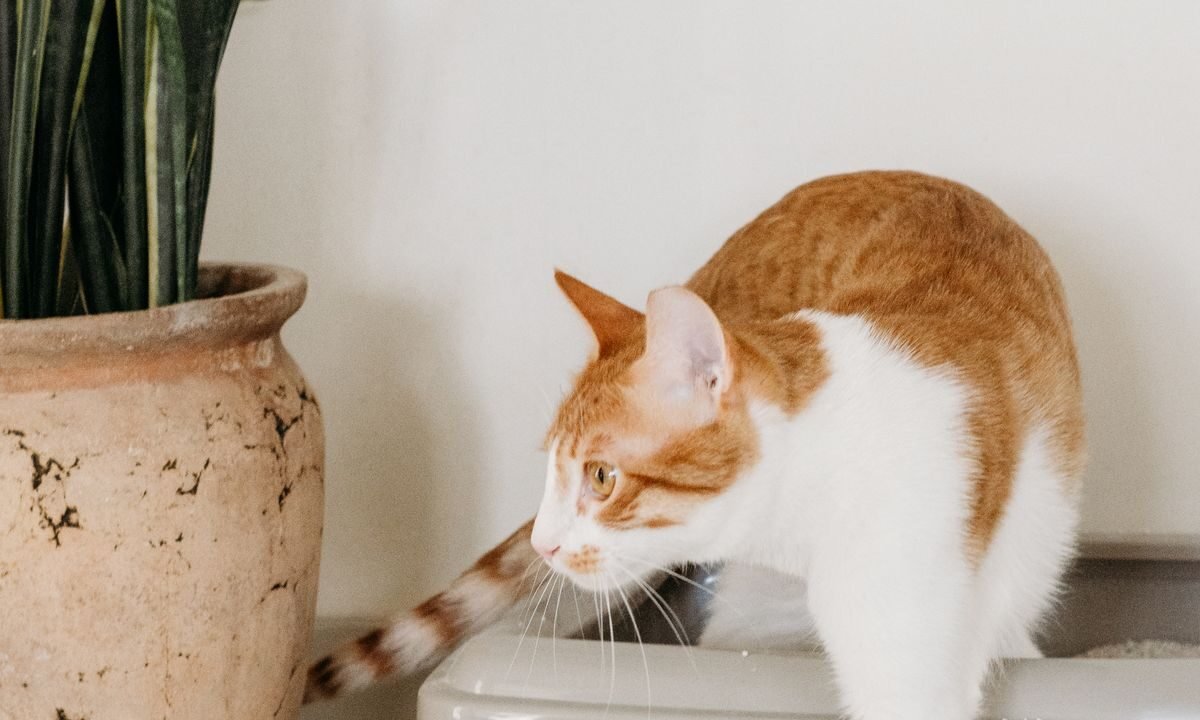
When a cat urinates or defecates outside the litter box, punishment is unlikely to solve the problem. House-soiling usually reflects a medical, environmental or social issue that needs to be identified.
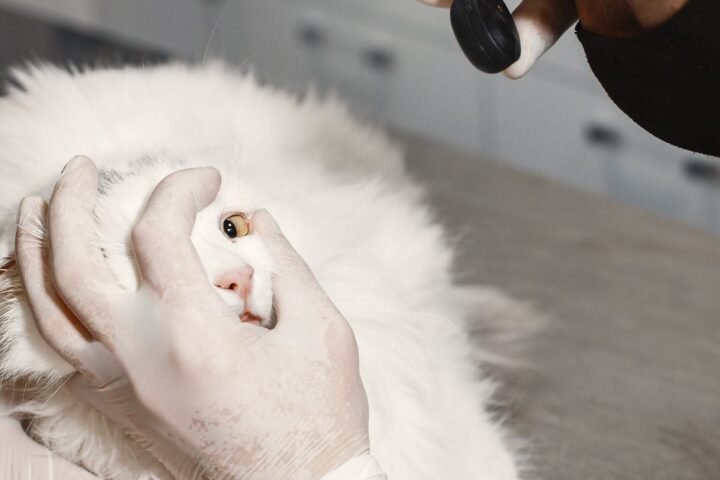
Rule out medical problems first
Painful urination, constipation, arthritis, kidney disease and other problems can change litter habits. Straining with little or no urine is an emergency, especially in male cats.
Use enough boxes
A common starting rule is one box per cat plus one additional box, distributed so one cat cannot guard access to all of them.
Box size matters
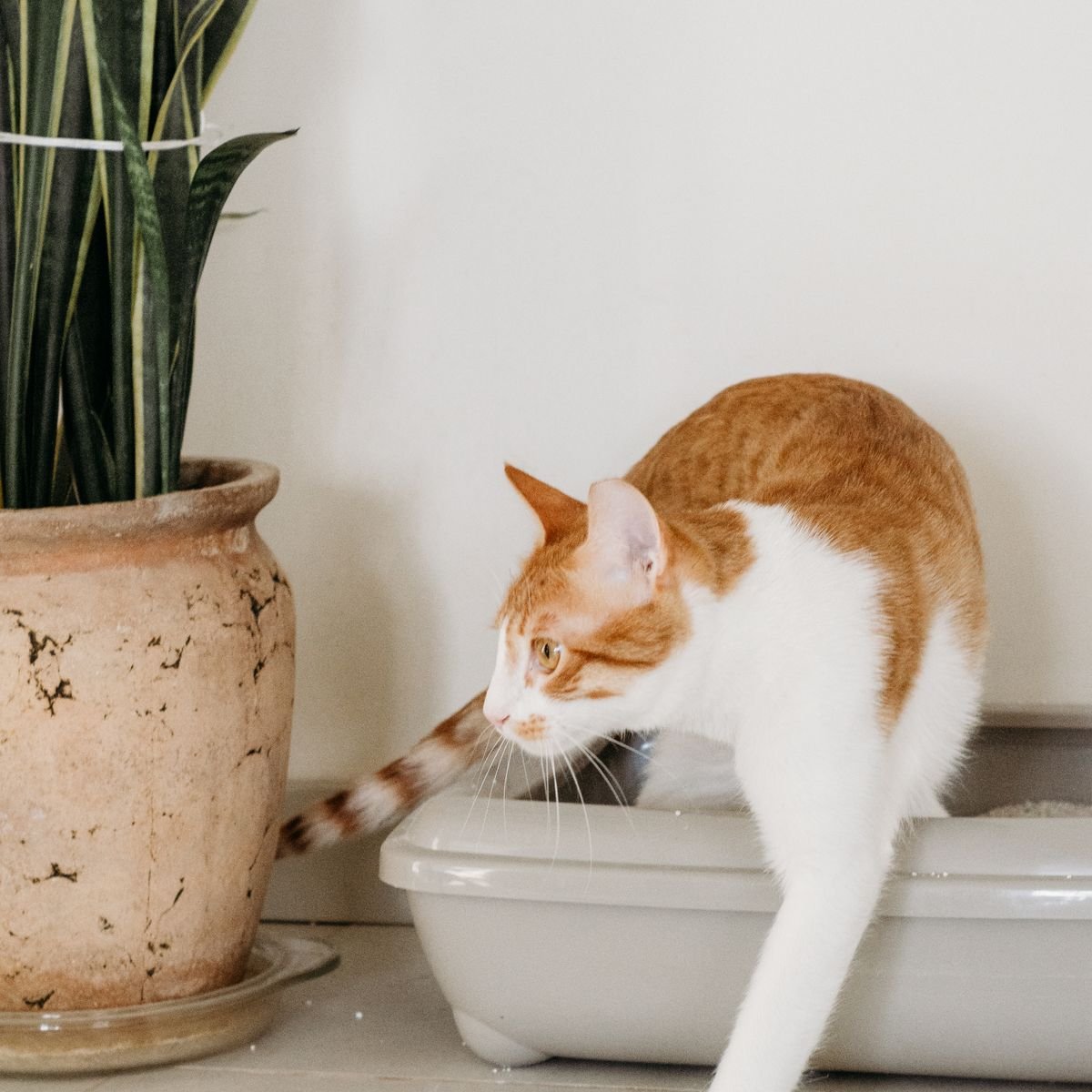
Many commercial boxes are too small. The cat should be able to enter, turn around and dig comfortably without touching every side.
Think about entry height
Kittens, senior cats and cats with arthritis may avoid a high-sided box they cannot enter comfortably.
Litter texture and scent
Many cats prefer a soft, unscented substrate. Strong perfume and sudden litter changes can make a box less attractive.
Location matters
A litter box beside a noisy appliance, dog route or busy doorway may feel unsafe. Provide quiet access without trapping the cat in a dead end.
Cleanliness matters
Scoop at least daily and wash boxes regularly with a mild unscented cleaner. Avoid creating strong chemical odors.
Multi-cat tension can be invisible
One cat does not need to physically attack another to block litter access. Staring, doorway control or waiting nearby can be enough.
Clean accidents without punishment
Use an enzymatic cleaner appropriate for the surface. Do not rub the cat’s nose in the area or carry the cat to the box after punishment.
For emergency urinary signs, see our cat urinary blockage guide. For resource placement throughout the home, use our cat-friendly home setup.
Urine marking and house-soiling are different patterns
Vertical spraying with a quivering tail is different from a full squat and puddle on a horizontal surface. Both deserve investigation, but territorial marking and litter-box avoidance often need different environmental strategies.
Covered boxes are not universally preferred
A hood can contain litter and odor for people while making the box feel cramped or trapping odor for the cat. If problems arise, test a large uncovered box rather than assuming a covered design is more private.
Automatic boxes need an acceptance period
Self-cleaning boxes can be convenient, but noise, movement, size and litter texture can worry some cats. Keep a familiar conventional box available during transition so the cat is never forced to choose between fear and elimination.
Track location and substrate preferences
If accidents repeatedly occur on soft laundry, bath mats or one quiet corner, that pattern provides information. Temporarily offering a box with a similar texture or in the preferred location can help identify what the cat is seeking.
Clean more than the visible stain
Cat urine can soak beneath carpet or into porous materials. Enzymatic products need to reach the contaminated depth; surface wiping alone may leave enough odor to attract repeat use.
Improvement may be gradual
After a medical problem or long-standing box aversion, normal habits may take time to rebuild. Keep successful boxes in place rather than removing them as soon as accidents decrease.
0 comments