
Cat Litter Alternatives: Clay, Wood, Paper, Silica and Plant-Based Options Compared
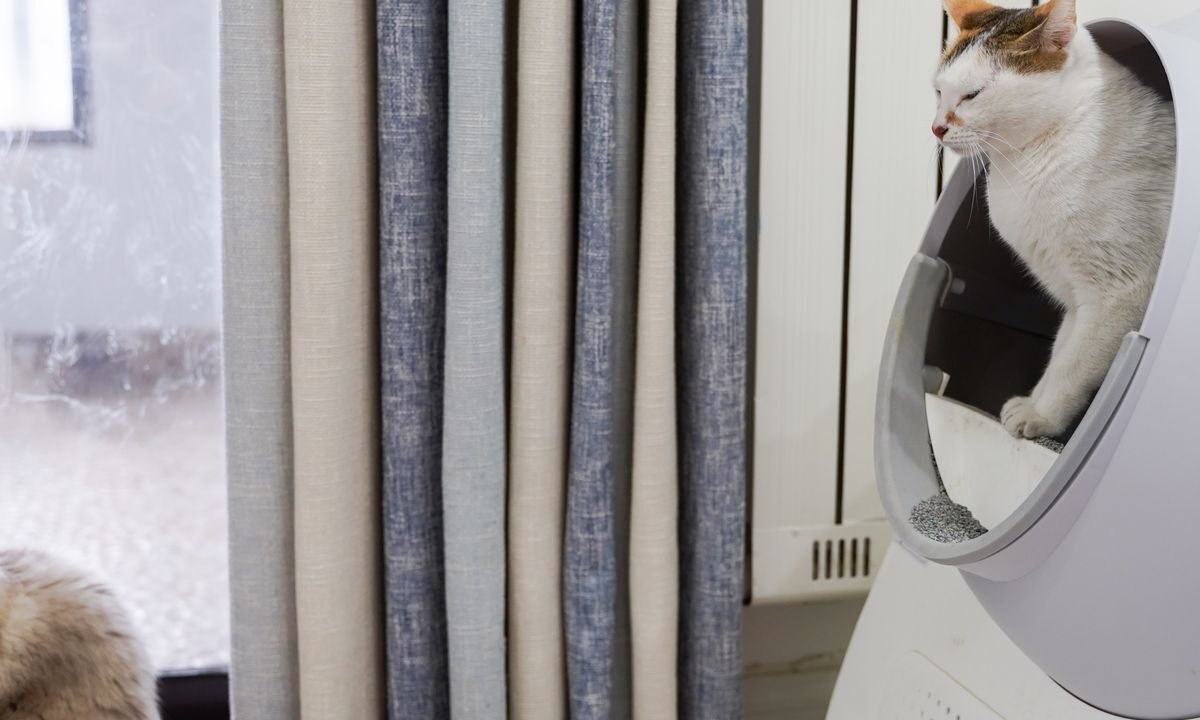
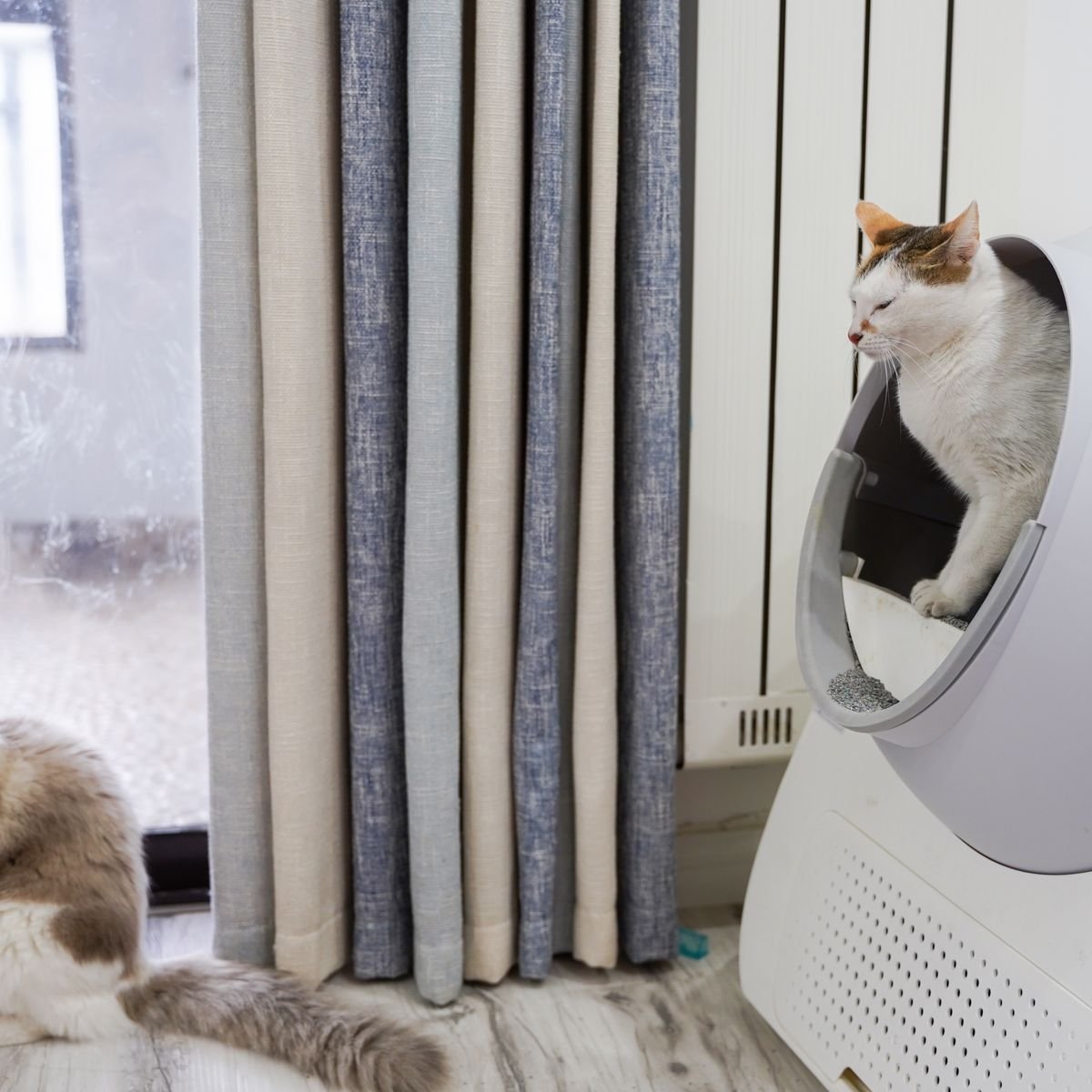
There is no single best cat litter for every cat. Some cats care most about texture, some owners prioritize dust or weight and some households need a litter that tracks less or is easier to dispose of. The right choice is one your cat will use consistently while also fitting the household’s practical needs.
Start with the cat’s preference
A litter can have excellent odor control and still fail if the cat dislikes standing on it. A recent Cats Protection guide to choosing litter notes that many cats prefer a fine sand-like texture and that familiarity also matters.
Clumping clay
Clumping clay forms solid clumps when wet, making daily removal straightforward. It is widely available and often accepted by cats, but it can be heavy and some formulas create more dust or tracking than others.
Non-clumping mineral litter
Non-clumping mineral litter absorbs moisture without forming scoopable clumps. It can be simple and inexpensive, but the entire tray may need replacing more often depending on the product and household.
Wood pellets
Wood litter is lightweight and can produce less fine tracking around the home. Pellets break down as they absorb urine, which some owners like, but the larger texture can feel very different under a cat’s paws.
Paper litter
Recycled paper pellets are soft, lightweight and often low in dust. They can be useful in selected situations where a veterinarian recommends a less dusty or non-clumping substrate, although odor control and clumping performance vary.
Silica crystal litter
Silica crystals absorb moisture and can control odor effectively with less frequent full replacement. Some cats dislike the harder texture, and the crystals may be noisy underfoot compared with fine litter.
Plant-based litter
Corn, wheat, grass, pea fiber, cassava and other plant-derived litters are increasingly common. Some clump well and are lighter than clay, but performance, dust and tracking differ considerably between brands.
Scented litter is not automatically better
Strong fragrance may appeal to people but can make the tray less attractive to some cats. Good odor control starts with removing waste frequently and using enough clean litter rather than relying only on perfume.
Do not switch abruptly if your cat is sensitive
If you want to change litter type, place the new option in a second box or gradually mix it with the familiar litter. Cats Protection recommends considering familiarity because sudden texture changes can discourage use.
Multi-cat homes may need more than one preference
One cat may happily use wood pellets while another refuses them. Providing boxes with different acceptable substrates can be more successful than forcing every cat to use one household favorite.
Location and box design still matter
Litter type cannot compensate for a dirty, cramped or poorly placed tray. Our cat litter-box guide covers box size, placement and medical reasons a cat may stop using the tray.
Watch for a change in toileting behavior
If a cat suddenly urinates outside the box, strains, produces tiny amounts or cries while toileting, do not assume the new litter is the only explanation. Urinary disease and other medical problems can cause similar changes.
Think about disposal before choosing
Local waste rules differ. Even products marketed as biodegradable or flushable may not be suitable for sewer systems, plumbing or local disposal regulations. Follow the manufacturer’s and local authority’s instructions.
Compare cost by how the litter is used
A cheaper bag is not always cheaper over a month if the whole tray needs frequent replacement. Compare how much product you use, how often you top up, how often the tray needs a full change and whether the cat accepts the litter without accidents.
Dust matters for both cats and people
Some mineral and plant-based litters produce more airborne dust than others. If dust is a concern in your household, compare products labeled for lower dust and watch whether the cat sneezes or avoids the tray after a change.
Use a side-by-side test for uncertain cats
If your cat is particular, offer two clean boxes in similar locations with different litters and see which one is used more consistently. A simple preference test is more informative than choosing entirely by marketing claims.
The best litter is the one your cat will use
Clay, wood, paper, silica and plant-based litters all have trade-offs. Choose around your cat’s comfort first, then compare dust, tracking, weight, odor control, cost and disposal. A litter your cat actually uses reliably is the most important result.
0 comments