
Best Place for a Cat Litter Box: Quiet, Accessible Locations Cats Will Actually Use
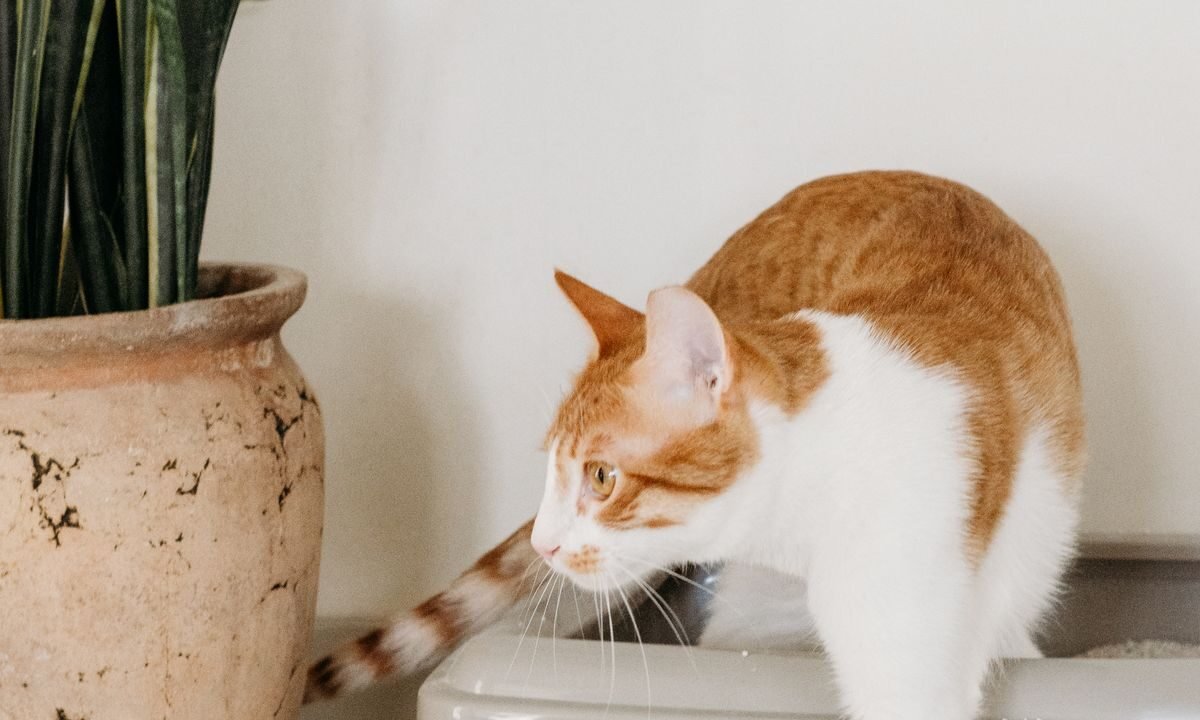
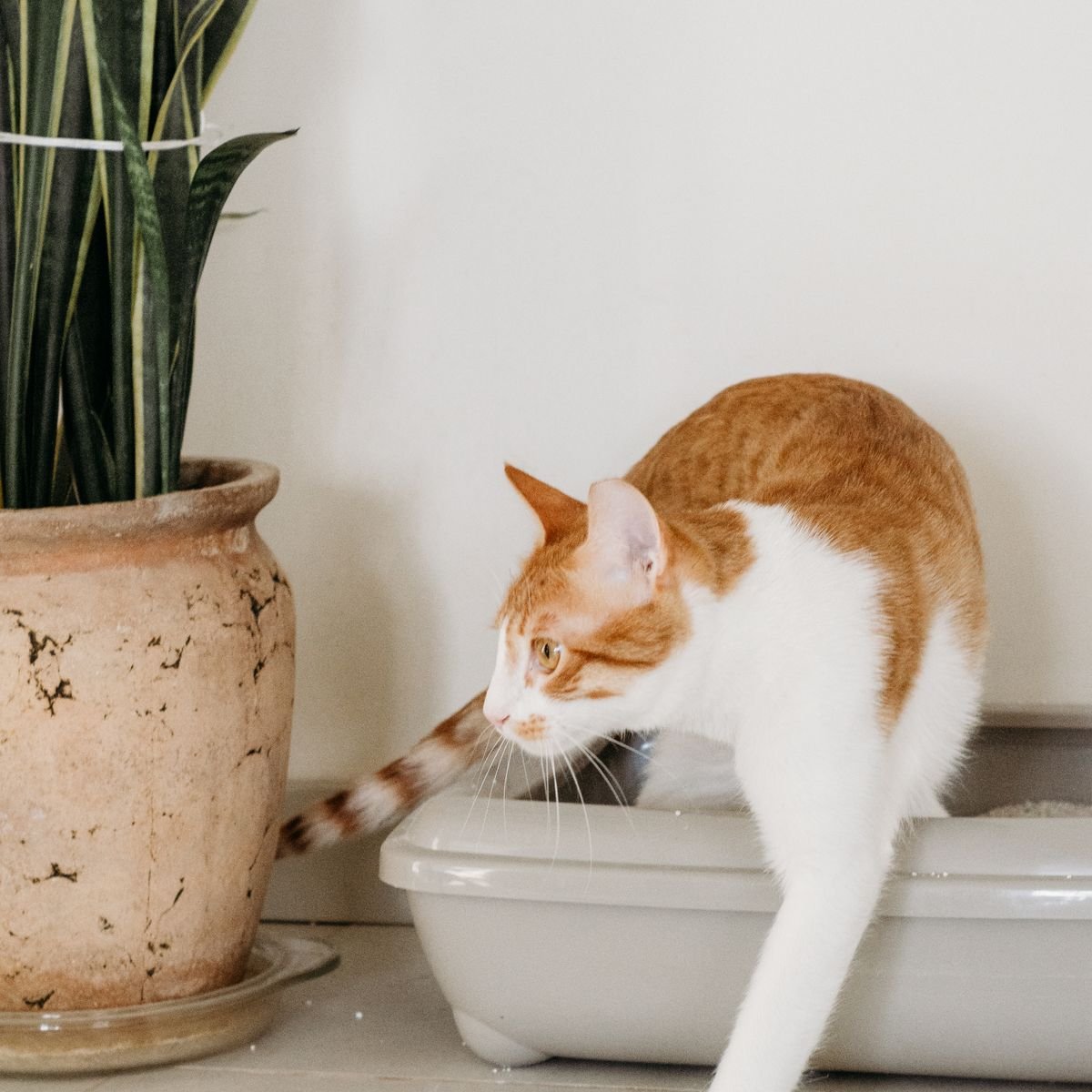
The best place for a cat litter box is not necessarily the place that hides it best from people. Cats need a toilet location that is quiet, easy to reach, predictable and safe to leave. A beautiful concealed cabinet beside a washing machine may suit the room while making the box less comfortable for the cat.
Choose a quiet location with predictable traffic
The AAHA/AAFP litter-box guidance recommends multiple quiet locations that are convenient for the cat and provide an escape route when needed.
Quiet does not mean isolated. A box hidden in a distant basement may be too inconvenient, especially for kittens, senior cats or cats that spend most of their time upstairs.
Keep litter away from food and water
Cats generally prefer toileting resources separated from feeding and drinking areas. Avoid placing the litter tray immediately beside food bowls simply because both fit neatly in the same corner.
Avoid washing machines, dryers and sudden noise
Laundry rooms are common litter-box locations, but they can be problematic if machines start suddenly, vibrate heavily or block the cat’s route. A single frightening event can make a sensitive cat reluctant to return.
Give the cat more than one way out
A box at the end of a narrow dead-end space can make a cat vulnerable to another cat approaching from behind. Cornell’s guidance on house soiling recommends locations where the cat can see the surroundings and avoid feeling ambushed.
This matters particularly in multi-cat homes. If competition is part of the problem, our guide to how many litter boxes two cats may need explains why number and distribution work together.
Do not put every box together
Three boxes lined up in one room can function like one toilet station from the cat’s perspective. Spread resources so one conflict, closed door or noisy event does not remove every option at once.
Think about the cat’s daily route
Place boxes where the cat already moves comfortably. A shy cat may avoid crossing a busy kitchen. A senior cat may not want to climb stairs. A kitten may need a box closer to the room where it spends most of the day.
Senior cats need shorter, easier routes
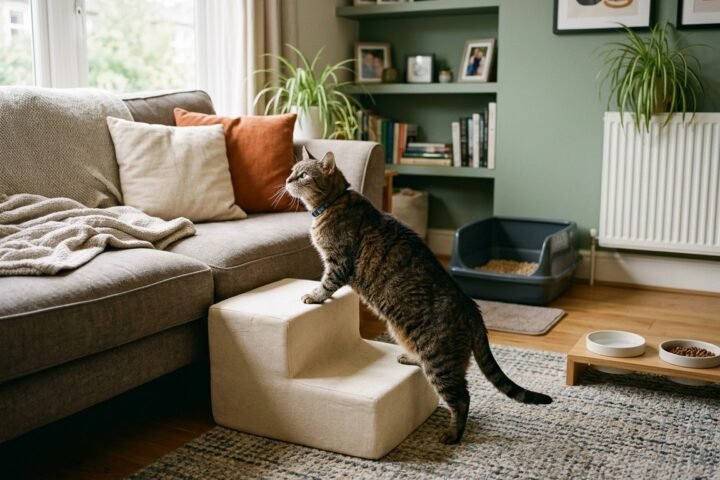
Arthritis, muscle loss and reduced balance can make stairs or tall box entries painful. The AAHA senior-cat guidance specifically notes that litter boxes should be easily accessible and lower for cats with mobility limitations.
Our senior cat litter-box setup guide goes deeper into low-entry trays, floor placement and mobility-friendly changes.
A bathroom can work—but check access
Bathrooms often offer privacy and easy-clean flooring. The problem is that doors are frequently closed. If a cat’s only litter box is behind a door that family members sometimes shut, the setup is unreliable.
Closets and cabinets need ventilation and an easy exit
Enclosed furniture may trap odor and can create a narrow entrance. Some cats tolerate these setups; others avoid them. Watch the cat rather than assuming a hidden box is automatically better.
Basements are not ideal for every cat
A healthy young cat may happily use a basement box. A senior cat with arthritis, a cat recovering from illness or a timid cat that dislikes the stairwell may not. If the home has multiple floors, offer at least one accessible box on the level where the cat spends time.
Keep boxes away from busy dog routes
A cat may stop using a box if a dog routinely follows, watches or interrupts toileting. Use gates, room layout or elevated dog barriers where appropriate so the cat can enter and leave without being pursued.
Do not move a successful box casually
If a cat consistently uses a box, relocating it for decorating convenience can create confusion. If you must move it, gradual relocation or temporarily providing both old and new locations can make the transition easier.
Use the cat’s behavior as feedback
A cat that hesitates at the doorway, rushes from the box, perches on the edge, urinates directly beside it or chooses another quiet surface is giving you information. Location may be part of the problem, but box size, litter texture, cleanliness and medical disease also need consideration.
Our main cat litter-box problems guide helps separate setup issues from health and stress causes.
Think in routes, not just rooms
A box can be in a “quiet room” and still sit behind a stressful route. Watch how the cat gets there. Busy hallways, a dog bed, a narrow doorway or another cat’s favourite ambush point can make the journey more important than the room itself.
Do not put every box at the edge of the home
Owners often hide boxes in basements, utility rooms or distant corners. Cats spend most of their time near people and core resting areas, so at least one toilet should be reasonably close to where the cat actually lives.
Bedrooms can work well in some homes
A quiet bedroom may offer predictable access, particularly for a shy or senior cat. The tradeoff is human tolerance for litter and odor, so frequent scooping and a large mat may be needed.
Hallways can be poor choices when traffic is constant
A hallway box may seem accessible but expose the cat to people, children or dogs passing from both directions. If the cat hesitates or rushes out, choose a calmer area.
Near a window can be complicated
Some cats enjoy a bright location, but outdoor cats visible through the window can create territorial stress. If elimination problems began after a new outside cat started appearing, move the box away from that view.
Do not place a box where appliances can trap the cat
A washing machine, dryer, furnace or water heater can add noise, heat and narrow escape routes. Sudden vibration during toileting can create a lasting aversion.
Make the approach wide enough
Large cats and seniors need room to turn before entering. Avoid squeezing the tray between storage bins or furniture where the cat must back out awkwardly.
Multi-cat homes need separate toilet zones
If all boxes are within a few feet of each other, one confident cat can still control access. Spread them through different rooms or routes. Our two-cat litter-box guide explains the number-and-distribution approach.
Watch whether doors stay open all day
A bathroom or guest room is only reliable if access is reliable. Family members may shut doors without realising they have removed the cat’s only toilet.
Use gates creatively around dogs
A gate with a cat-sized opening or elevated barrier can allow the cat to reach the litter area without being followed. The cat should never need to squeeze past a dog that waits near the box.
Keep food and water visually separate too
Even if bowls are technically several feet away, placing them directly facing the litter box may still create an unattractive feeding area. Give each resource its own zone when space allows.
Avoid strong air fresheners around the litter area
Odour-masking sprays and plug-ins can make the room smell better to people but more intense to cats. Clean the box and improve ventilation rather than adding fragrance.
Do not relocate a successful box for aesthetics alone
If the cat uses a box reliably, consider whether the visual inconvenience is worth the behavioural risk of moving it. Function comes first. If relocation is necessary, provide both locations temporarily.
When a cat chooses a new toilet spot
The chosen spot may be giving you information: quieter, softer, easier to reach or safer from another pet. Rather than simply blocking it, ask what quality the cat is seeking and reproduce that quality in a proper litter setup.
What if there is no perfect location?
Most homes require compromise. Choose the best available combination of quiet, access, escape route and cleanliness. An imperfect box the cat reliably uses is better than an idealised setup hidden somewhere inconvenient.
Reassess after life changes
Moving home, adding a pet, having a baby or changing work schedules can alter household traffic. A location that worked for years may stop feeling safe after the environment changes.
Use behavior to test the setup
Relaxed entry, normal digging, unhurried elimination and calm exit suggest the location is working. Hesitation, rushing, repeated checking behind the cat or elimination beside the tray suggests something needs review.
A simple placement checklist
- quiet but not isolated;
- available 24 hours a day;
- separate from food and water;
- away from sudden machinery noise;
- easy route for kittens and seniors;
- more than one escape direction where possible;
- distributed across the home in multi-cat households.
Bottom line
The best litter-box location is quiet but easy to reach, separated from food, away from sudden noise, and positioned so the cat can leave without feeling trapped. In larger or multi-cat homes, several well-distributed locations are usually better than one perfectly hidden litter area.
0 comments