
Cat Constipation: Signs, Causes and Safe Next Steps
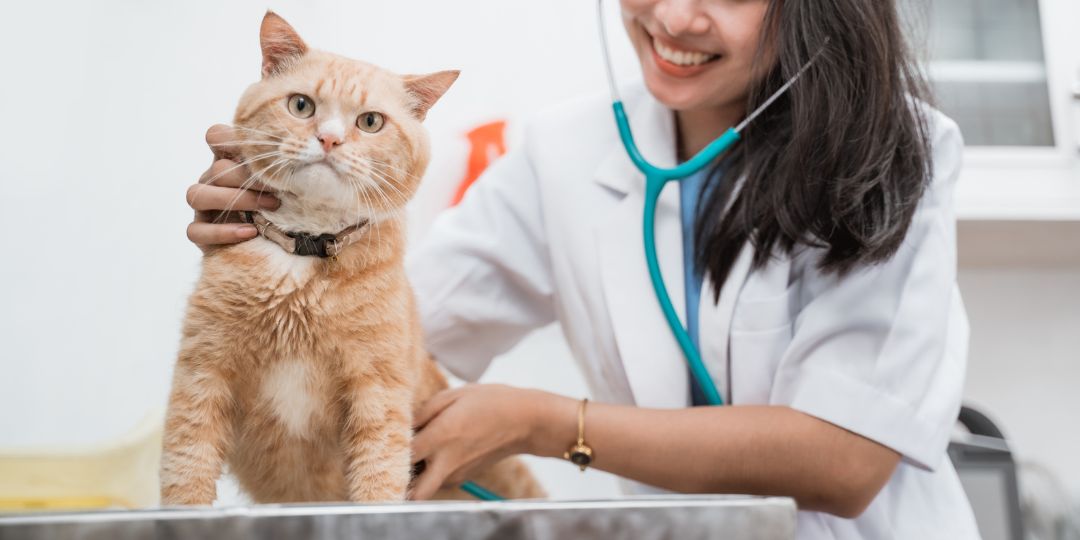
Constipation is more than a cat simply missing a bowel movement. A constipated cat may make repeated litter-box trips, strain, pass small dry stools, eat less or seem uncomfortable. Because urinary trouble can look similar from across the room, it is important to work out whether the cat is trying to pass stool or urine.
Know what constipation can look like
Signs include repeated trips to the box, hard dry stool, small amounts of stool, vocalizing while defecating, reduced appetite, vomiting or avoiding the litter box. Some cats become quiet or hide when uncomfortable.
First rule out a urinary emergency
A male cat straining repeatedly and producing little or no urine may have a urethral blockage, which is life-threatening. If you cannot tell whether the cat is trying to urinate or defecate, treat repeated unproductive straining as urgent and contact a veterinarian.
Hydration matters, but water alone is not a diagnosis
Increasing dietary moisture may support stool softness for some cats, yet dehydration can itself be a sign of disease. Chronic constipation should be investigated rather than managed indefinitely with added water.
Do not give random laxatives or enemas
Human laxatives and enemas are not automatically safe for cats, and some products can be dangerous. Veterinary treatment depends on severity and may include hydration, diet changes, medication or removal of retained stool.
Litter-box access matters for older cats
A cat with arthritis may avoid a box with high sides or stairs. Provide clean, easy-to-enter boxes in accessible locations while medical causes are being addressed.
Recurring constipation can progress
Long-standing or severe constipation can contribute to enlargement and poor function of the colon. Recurrent episodes deserve a veterinary plan rather than repeated home treatment.
What to tell your veterinarian
Track stool frequency and appearance, urine clumps, appetite, vomiting, water intake, medications, mobility changes and exactly when normal defecation was last seen.
Bottom line
Repeated straining, pain, vomiting or an uncertain ability to urinate should prompt veterinary contact. Constipation has many causes, and safe treatment begins with distinguishing it from other litter-box emergencies.
Veterinary reference: Cornell Feline Health Center — Constipation.
Related PetsFilled guides: cat nutrition and cat litter-box problem guide.
Stool appearance helps describe severity
Small, hard, dry stools support constipation, while no visible stool can reflect severe constipation, obstruction or simply reduced food intake. Note whether the cat is producing tiny pellets, normal-sized stool less often or nothing at all. Photographs can be useful when describing an unusual change.
Pain and mobility can contribute
Older cats with arthritis may delay defecation because climbing into a high-sided box or assuming the posture is uncomfortable. Litter-box modification can help access, but it does not replace treatment for underlying pain.
Hair is only one possible contributor
Owners often blame swallowed fur, especially in long-haired cats, but constipation has many causes. Dehydration, pelvic narrowing, neurologic disease, medications and idiopathic megacolon can all play a role. Frequent hairballs and constipation together still deserve a complete history rather than an automatic hairball remedy.
Long-term management should be individualized
Some cats need dietary adjustment, increased moisture or prescribed medication; others require treatment for pain or another medical condition. Because incorrect laxative or enema use can be dangerous, follow a veterinarian-designed plan for recurring cases.
The litter box gives useful clues
For a day, check the box after each visit so you know what is actually being produced. In a multi-cat home, temporary separate boxes can help identify the affected cat. Repeated straining with little or no urine is an emergency and should not be treated as constipation at home.
Constipation means more than “no stool today”
Cornell defines constipation as infrequent or difficult passage of hard, dry stool. Frequency varies between cats, so the important pattern is difficulty, discomfort, dry stool, repeated unsuccessful attempts or a meaningful change from normal.
Urinary blockage can look similar from a distance
A cat repeatedly visiting the box and straining may be trying to urinate rather than defecate. In male cats, urethral blockage can become life-threatening quickly.
If you cannot tell whether urine is being produced, treat repeated unproductive straining as urgent and contact a veterinarian.
Hydration is part of the picture, not the whole diagnosis
Dehydration can contribute to hard stool, but it may also result from another disease. Simply adding water does not address pelvic narrowing, neurological disease, pain, medication effects or megacolon.
Dietary fibre is not one-size-fits-all
Cornell explains that soluble and insoluble fibres can affect the colon differently. Some constipated cats benefit from added fibre, while others—particularly cats with severe colonic dysfunction—may need a different strategy.
Do not keep adding pumpkin, psyllium or other fibre indefinitely without knowing whether it suits the individual cat.
Medication can contribute to constipation
Some medicines can reduce intestinal movement or alter hydration. Bring a complete list of prescriptions, supplements and over-the-counter products to the veterinary visit.
Pain and arthritis can change toileting
A cat with painful hips or spine may delay entering a high-sided box or struggle to posture normally. Lower-entry boxes and easier access can help, but the pain itself may also need treatment.
Pelvic injury can matter years later
Old pelvic fractures or narrowing can reduce the space available for stool to pass. If the cat has a history of trauma, tell your veterinarian even if the injury happened long ago.
Megacolon is a different level of problem
Severe or recurrent constipation can progress to obstipation and megacolon, where the colon becomes chronically enlarged and loses normal function. Cornell notes that some severe cases eventually require surgery when medical management is no longer effective.
This is one reason recurring constipation deserves a diagnosis rather than repeated home treatment.
Do not give human enemas
Some human enema products are dangerous for cats. Enemas and laxatives should be used only under veterinary guidance, with the correct product and dose for the individual animal.
Track what the cat actually produces
Note stool size, hardness, frequency, straining, vomiting, appetite and whether urine is normal. A photograph of unusual stool can be more useful than trying to remember its appearance later.
Food intake affects stool output
A cat that has eaten very little may produce less stool simply because less material is entering the gut. That does not make appetite loss harmless. Reduced eating plus constipation, vomiting or lethargy is a reason for veterinary assessment.
A practical home-support plan
- keep fresh water accessible;
- use a litter box the cat can enter comfortably;
- monitor stool and urine separately;
- maintain normal movement and activity where comfortable;
- follow the veterinarian’s diet or medication plan exactly;
- do not improvise with human laxatives or enemas.
When to call the veterinarian
Seek veterinary advice for repeated straining, persistent constipation, vomiting, appetite loss, abdominal pain, lethargy, no stool despite repeated attempts or any uncertainty about whether urine is being produced. Inability to urinate is an emergency.
Why repeated constipation should not become normal
Cornell explains that constipation can progress when it becomes recurrent, and severe cases can lead to megacolon or obstipation that requires intensive treatment.
Senior cats may struggle because of pain and mobility
Arthritis can make squatting or climbing into a high-sided litter box uncomfortable. A lower entry may reduce one barrier while the underlying constipation is still being medically assessed.
Medication history can matter
Some drugs can contribute to constipation. Tell your veterinarian about prescriptions, supplements and recent medication changes rather than stopping a medicine on your own.
Human enemas can be dangerous
Do not improvise with over-the-counter enemas or laxatives. Some products used in people are unsafe for cats, and the correct treatment depends on the cause and severity.
0 comments