
How Often Should You Replace Cat Litter? Scooping, Top-Ups and Full Changes
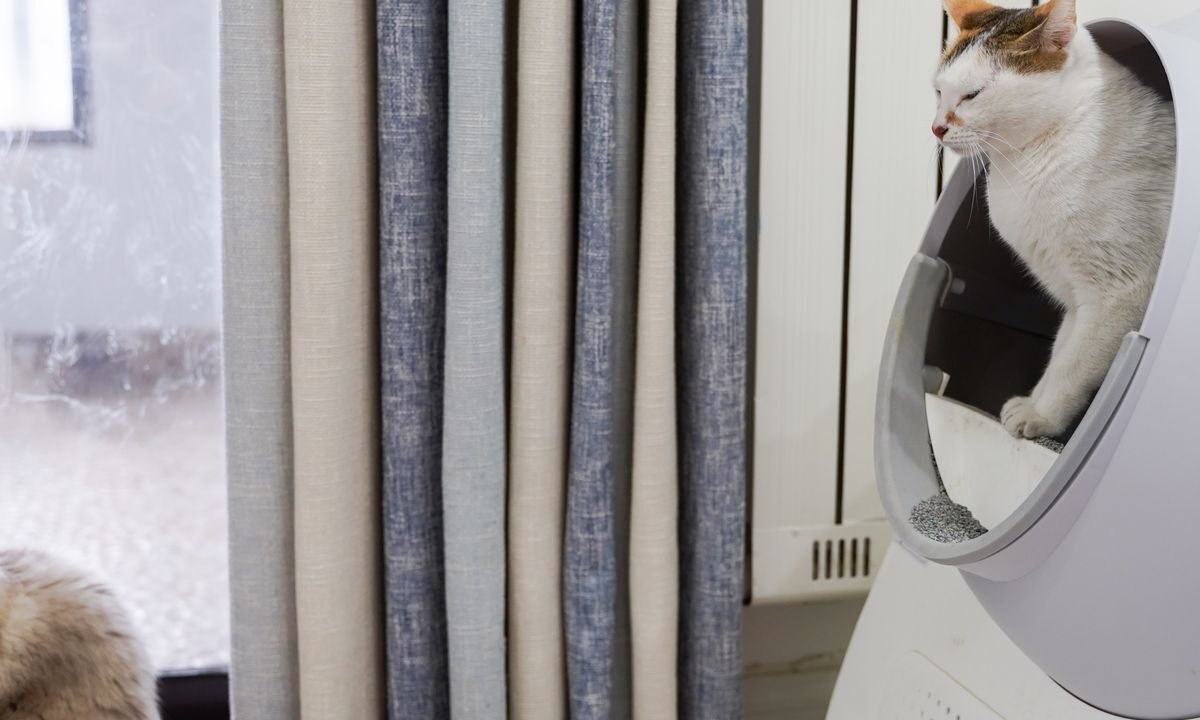
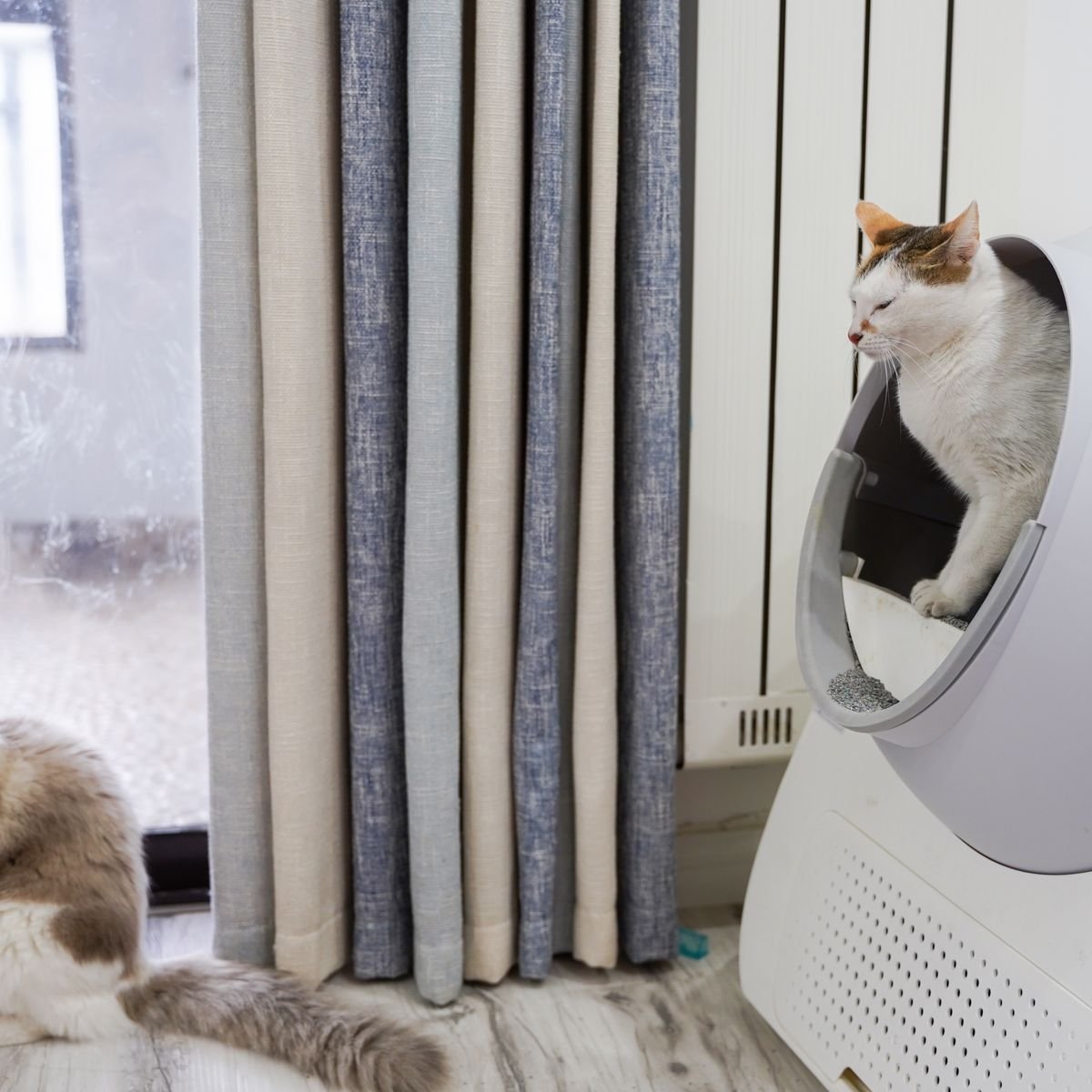
How often should you replace cat litter? There is no single schedule that fits every box. The answer changes with the litter material, how many cats use the tray, whether the litter clumps, how deep you fill it and how often you scoop. A useful rule is to remove waste every day, top up clean litter when needed and do a full change before odor, dampness or residue becomes difficult to control.
Daily scooping matters more than waiting for “change day”
Urine clumps and stool should not sit in the tray for days while you wait for a weekly clean. Removing waste at least daily keeps the box more acceptable to the cat and gives you a chance to notice changes in urine or stool. The ASPCA’s litter-box guidance recommends scooping at least once a day and keeping the box clean enough that the cat has a reason to keep using it.
Clumping litter can usually be topped up between full changes
When urine is removed as a firm clump, much of the clean litter can remain. Add enough fresh litter to restore the normal depth after scooping. A full replacement is still needed periodically because small fragments, dust and odor remain even when the obvious clumps are gone.
Non-clumping litter often needs more frequent full replacement
With non-clumping products, urine can spread through a larger part of the tray. That means you may need to replace all the litter more often rather than relying on spot removal. Follow the manufacturer’s guidance, but let the actual condition of the tray decide whether you need to clean sooner.
More cats usually mean a faster cleaning cycle
Two cats using one box produce twice the waste and can make the tray unacceptable quickly. Ideally, provide multiple boxes rather than simply cleaning one shared tray more aggressively. Our cat litter-box setup guide explains why separate boxes and locations matter in multi-cat homes.
Do a full change when odor remains after scooping
If the tray still smells after all visible waste is removed, the remaining litter has probably absorbed more than it can handle. Empty the box, wash it with a mild unscented cleaner, rinse and dry it before adding fresh litter. Strong perfume can be unpleasant to cats and may create another reason to avoid the box.
The box itself also needs cleaning
A full litter change is a good time to inspect the tray for scratches, cracks and stuck residue. Deep scratches in plastic can hold odor even after washing. If a box stays smelly despite normal cleaning, replacement of the tray itself may be more useful than adding deodorizer.
Do not change litter type every time you clean
Cleaning the box and changing the substrate are two different things. If your cat is comfortable with a particular litter, there is usually no benefit in switching brands or materials at each full change. Our cat litter alternatives guide compares common materials if you genuinely need another option.
Watch your cat, not only the calendar
A cat that suddenly hesitates at the tray, perches on the edge or toilets nearby may be telling you the box has become less acceptable. Cleanliness is only one possibility, but it is one you can check immediately. If refusal persists after cleaning, consider medical, location and stress causes as well.
Low-dust litter still needs normal replacement
A cleaner-looking product can make it seem as though the tray stays fresh longer, but low dust does not prevent urine residue or odor. Choose litter for the cat’s comfort and maintain it according to how the box is actually used.
A practical routine is easier to maintain than a rigid rule
Scoop daily, add clean litter as the level drops, wash the tray during full changes and shorten the interval whenever odor or dampness builds up. That routine is more reliable than saying every household should replace litter on exactly the same day each week.

0 comments