
Cat Suddenly Refusing the Litter Box: Medical, Setup and Stress Causes
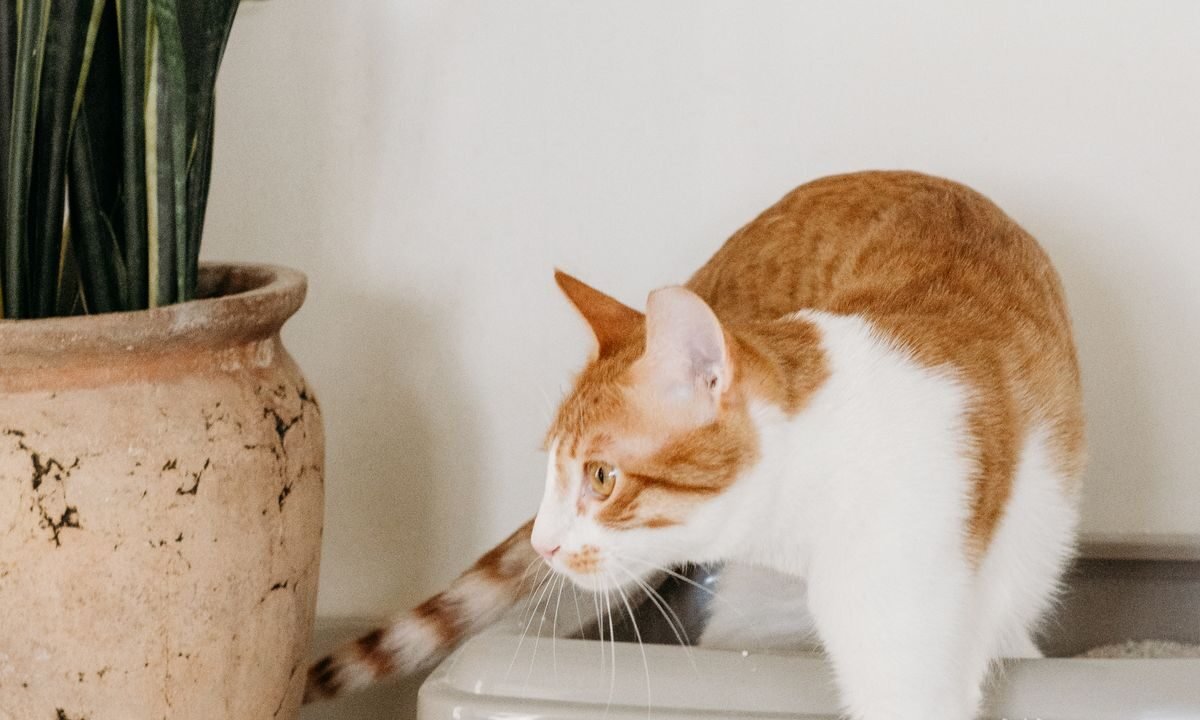
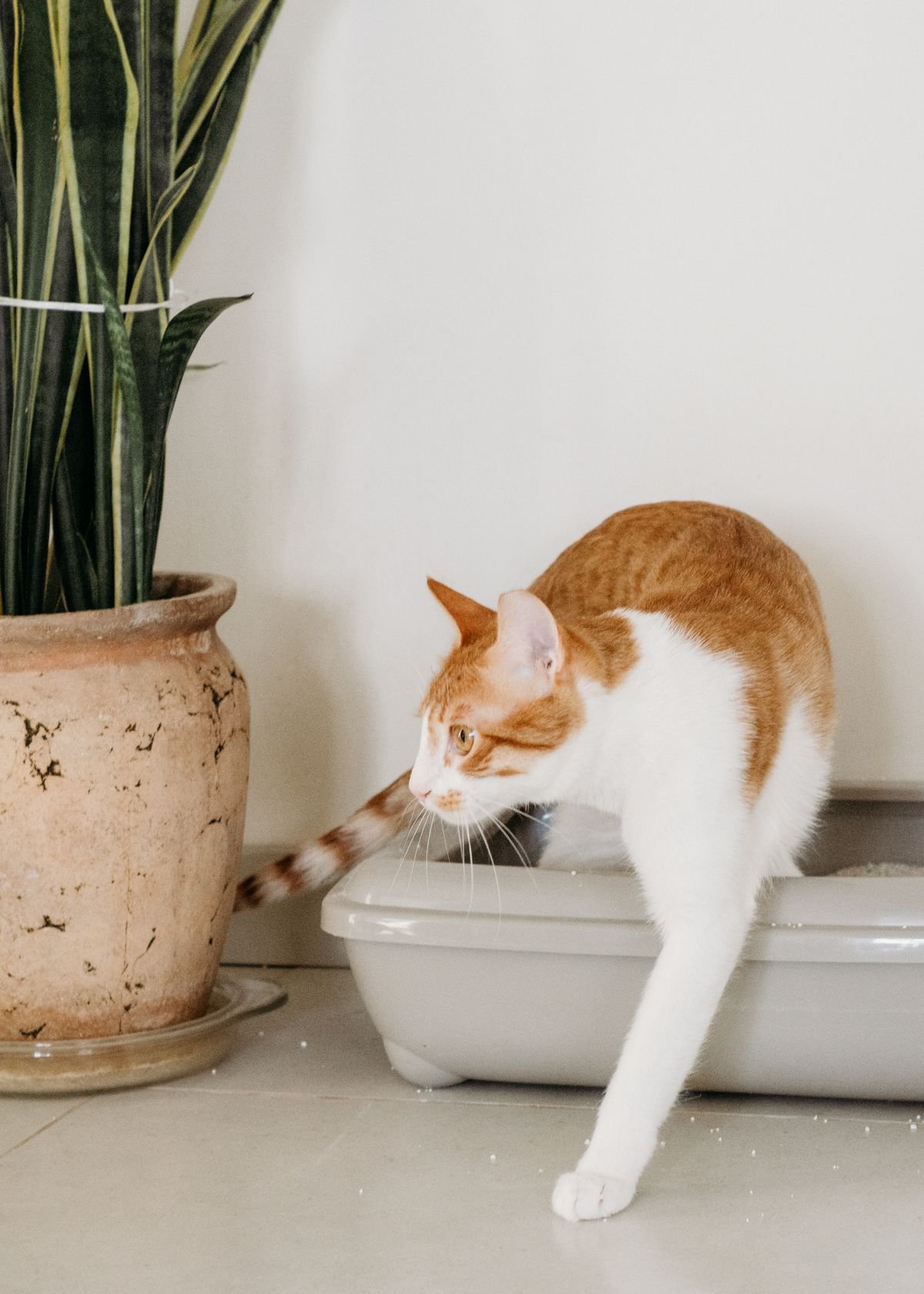
A cat suddenly refusing the litter box is an abrupt-change problem. This page focuses on what to check first when a previously reliable cat stops using the tray, including pain, urinary or digestive illness, a changed box, conflict, stress and litter aversion. For the broader framework covering recurring house-soiling, urine marking, stool accidents, box design and household conflict, use our general litter-box problems guide. A sudden change deserves attention rather than punishment.
Rule out a medical cause early
Painful urination, constipation, diarrhea, arthritis and several other health problems can change litter-box behavior. Cornell University’s feline health guidance advises a veterinary examination because cats with medical causes of house soiling may not otherwise look obviously sick. Their house-soiling guidance explains why medical and environmental causes often overlap.
Straining to urinate can be an emergency
Repeated trips to the box, straining with little or no urine, crying, licking the genital area, vomiting or becoming weak can indicate a serious urinary problem. Male cats are particularly at risk of urethral blockage. If your cat cannot pass urine normally, seek urgent veterinary care. Our cat urinary blockage guide explains the warning signs in more detail.
Check whether the box became dirty faster than usual
A change in your schedule, a second cat using the same tray or increased urination can make a normally acceptable box dirty more quickly. Scoop regularly and notice whether the cat returns once the tray is clean. Do not use strong perfume to cover odor.
Think about anything that changed near the box
A new washing machine, baby gate, noisy appliance, dog bed or household renovation can make a formerly quiet location feel unsafe. Cats often prefer toileting areas where they can see what is approaching and leave without being cornered.
A new litter can trigger refusal
Cats can dislike a different scent, particle size or texture. The ASPCA notes that litter preference and aversion are common contributors to elimination outside the box. If the problem began immediately after a litter change, offer the previous type again or put two boxes side by side so the cat can choose.
The box itself may have become difficult to use
A high-sided or top-entry box may be fine for a young, agile cat and frustrating for one with joint pain or reduced mobility. A covered box can also hold odors and limit escape routes. Our litter-box setup guide covers size, number of boxes, lids, liners and location.
Multi-cat tension can happen without an obvious fight
One cat does not have to attack another beside the litter tray to make access stressful. Staring, blocking hallways or waiting near the box can be enough. Provide multiple boxes in separate locations so one cat cannot control every route to a toilet.
Do not punish accidents
Shouting, spraying water or carrying the cat to the box can increase fear without fixing pain, substrate aversion or conflict. Clean the soiled area thoroughly with an appropriate enzymatic cleaner and focus on finding the reason the box became less acceptable.
Notice whether it is urine, stool or both
A cat that urinates outside the box but still defecates in it may have a different problem from a cat avoiding the box completely. Also distinguish squatting on horizontal surfaces from urine marking on vertical surfaces. These details help your veterinarian or behavior professional narrow the possibilities.
Keep a short record before the appointment
Write down when the problem started, where accidents happen, how much urine or stool you see, recent household changes, appetite, water intake and any straining or vocalizing. Photos of the box setup can also be useful. Small observations are often more helpful than saying only that the cat “stopped using the litter box.”
A sudden litter-box change is a symptom, not spite
Cats do not usually stop using a litter box to punish their owners. Pain, urgency, fear, access, cleanliness and preference are all more useful places to look. Address medical risk first, then make the box easy, clean and safe enough that the cat has a good reason to return.
Urinary signs can become urgent quickly
Repeated trips to the box, straining, crying, licking the genital area, producing only drops or producing no urine at all can indicate urinary disease. In male cats, inability to urinate can become life-threatening and needs urgent veterinary care.
Constipation can look similar from across the room
A cat straining to defecate may be mistaken for one trying to urinate. Check whether urine and stool are actually being produced, and do not assume repeated straining is “just constipation” if you are unsure.
Box entry can become painful
Arthritis, injury or weakness can make a high-sided tray difficult to enter. Senior cats may benefit from a lower entry and a box on the same floor as their main living area.
Location can turn a good box into a bad choice
A tray beside a washing machine, busy doorway or food station may feel exposed or unpleasant. Choose a quiet, accessible place where the cat can enter and leave without being trapped.
One box in a multi-cat home may not be enough
The common starting point is one litter box per cat plus one extra, distributed across the home. Boxes side by side often function like one resource because the same cat can guard access to all of them.
Clean accidents without creating a new aversion
Use an enzymatic cleaner where appropriate and avoid ammonia-like products that can smell urine-like to cats. Do not carry the cat to the soiled area or punish it after the fact.
If the cat returns to the box, keep watching
A temporary improvement does not erase the reason the problem started. Continue monitoring urine, stool, appetite and behavior for recurrence, especially if the initial change was sudden.
Reintroduce the box as the easy option
Keep the preferred litter, maintain a clean surface and remove obstacles to access. Do not repeatedly place the cat inside the tray; make the environment inviting enough that choosing the box is easy.
Persistent relapse deserves a broader review
If accidents keep returning despite a clean, accessible setup, revisit medical causes, household conflict and litter preference with your veterinarian rather than cycling through products at random.
Urinary blockage must stay on the emergency list
Repeated straining with little or no urine, crying in the box, vomiting or collapse can indicate obstruction, especially in male cats. If you are not sure urine is being produced, seek urgent veterinary care.
Look for social blocking
One cat may guard a hallway or box without obvious fighting. Distribute boxes so a timid cat has more than one route and does not need to pass another cat to toilet.
Keep the old successful setup while testing changes
If you are trying a new litter or box style, keep at least one familiar option available. That prevents an experiment from removing the cat’s only acceptable toilet.
Record location and surface
Accidents near doors, soft furnishings or one particular room can reveal stress, preference or access patterns. A simple map of incidents can be more useful than memory alone.
Do not remove every box once the problem improves
Keep the successful setup stable for a while. Reducing box numbers or moving the preferred tray too quickly can recreate the same access or preference problem that caused the relapse.
0 comments