
Bird Fluffed Up and Sleeping More: Normal Rest vs Illness
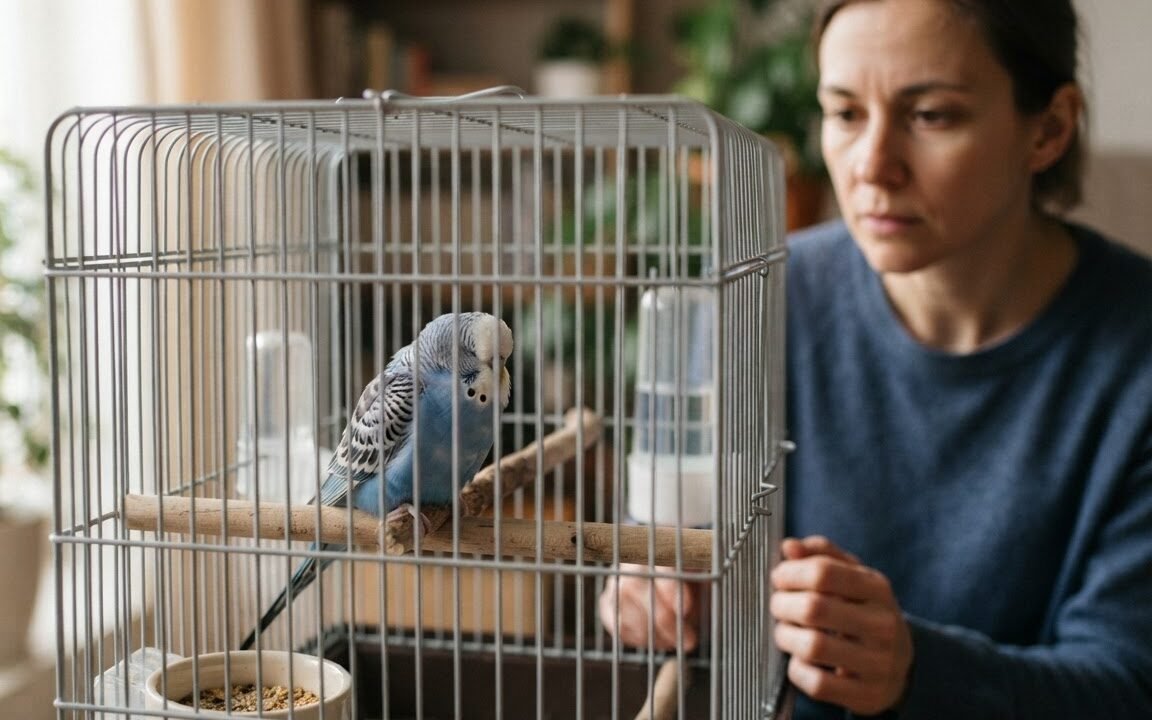
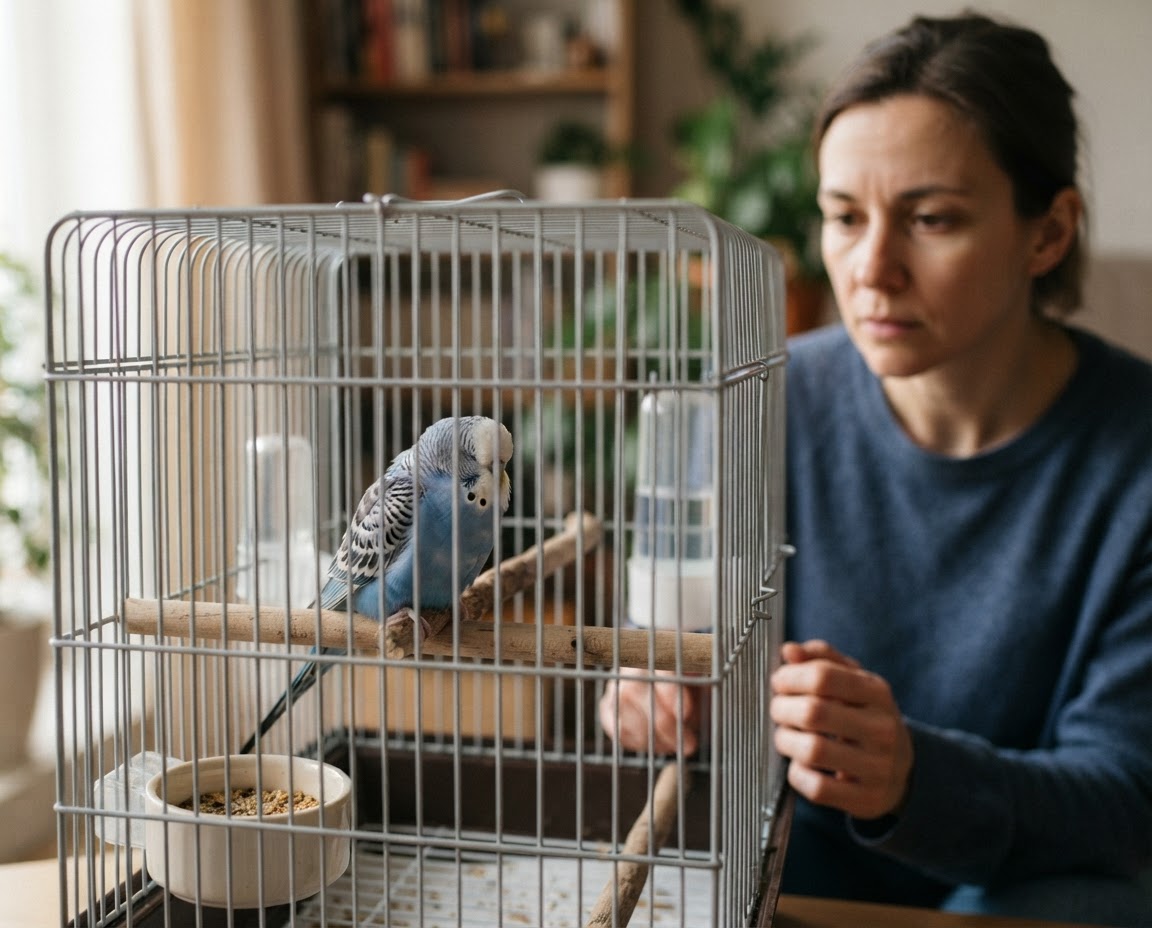
Birds fluff their feathers for perfectly normal reasons. A relaxed bird may puff slightly while resting, preening or settling for sleep. The concern begins when the bird stays fluffed for long periods, sleeps much more than usual or combines fluffing with reduced appetite, lower activity, abnormal droppings or breathing changes.
The useful distinction is not “fluffed or not fluffed.” It is whether the posture fits the situation and whether the bird returns to its normal alert behaviour afterward.
Normal fluffing is usually temporary
A healthy bird may fluff briefly after preening, before sleep or while relaxing. The feathers then return closer to normal as the bird becomes active again.
A bird that remains puffed for hours during the daytime, especially with closed eyes and reduced response to the household, deserves closer attention.
Extra daytime sleep can be an illness sign
Compare with the bird’s normal routine rather than another bird’s schedule.
First check whether nighttime sleep has been disrupted
A bird kept awake by television, lights or household noise may nap more during the day. Review whether the bird is getting a predictable dark, quiet sleep period.
Our bird cage placement and sleep guide explains how room choice and household lighting affect rest.
Cold rooms can cause fluffing
Birds trap air between feathers to conserve heat. If the room is unusually cold or drafty, a bird may fluff more.
Correct the environment, but do not assume persistent fluffing is only temperature-related if appetite or activity has also changed.
Appetite is one of the most useful checks
A fluffed bird that is also eating less deserves faster attention. Seed husks can make a dish look full, so watch actual intake.
Our bird not eating guide explains how to confirm reduced intake.
Weight can reveal a hidden decline
Feathers make visual weight assessment unreliable. Use a gram scale and record trends under similar conditions.
Our bird weight-loss guide explains why even a modest downward trend matters in a small bird.
Droppings add another piece of evidence
Persistent changes in colour, number, volume or water content can support concern that the bird is eating less or dealing with systemic disease.
Use our bird droppings guide for a practical monitoring framework.
Breathing changes make fluffing more urgent
A bird sitting fluffed while tail bobbing, breathing with the mouth open, wheezing or making wet respiratory sounds should be assessed promptly.
Our bird breathing guide covers emergency respiratory signs.
Perch position matters
A sick bird may move to a lower perch or cage floor because gripping and balance require less effort there.
Our bird sitting at the bottom of the cage guide explains when low positioning becomes a warning sign.
Birds often hide illness
Prey species can appear normal until they can no longer compensate. Owners should take a meaningful change from normal seriously even when the bird is not obviously collapsing.
Quietness can matter as much as sleep
A normally vocal bird that becomes unusually silent, stops greeting people or no longer joins routine household activity may be ill.
That behavioural change is especially important when it appears with persistent fluffing.
Pain can also cause a tucked, fluffed posture
Foot injuries, abdominal pain, reproductive problems and internal disease can all make a bird sit still and conserve movement.
Do not repeatedly handle a painful or weak bird to test how it reacts.
Egg-laying females need special attention
Fluffing, sleeping more, sitting low, straining or abdominal enlargement can occur with egg binding.
Our egg-binding guide explains why this can become life-threatening.
Toxin exposure can cause sudden quietness
PTFE fumes, smoke, aerosols and heavy metals can produce weakness, respiratory signs or neurological changes.
If behaviour changed after a known household exposure, contact an avian veterinarian immediately and use our bird-safe home guide for the hazard context.
Do not try to “perk the bird up” with handling
A weak bird needs rest more than stimulation. Keep handling minimal, reduce noise and make food and water easy to reach.
Warmth can support some sick birds
A stable comfortably warm environment can help an ill bird conserve energy, but overheating is dangerous. Use indirect warmth and veterinary guidance rather than direct heat.
Do not force-feed a sleepy or weak bird
A bird with poor coordination or respiratory distress can aspirate food or liquid. Assisted feeding should be directed by an avian veterinarian.
What normal recovery from a nap should look like
A healthy resting bird should become alert, resume normal posture, eat, vocalise or move around according to its usual routine.
If the bird wakes but remains puffed, weak or disengaged, the behaviour is less likely to be ordinary rest.
When a short observation may be reasonable
If the bird fluffs briefly during a normal nap and then returns fully to normal activity, close monitoring may be enough.
Likewise, if the room was briefly cool and the bird becomes normal once the environment is corrected, continue watching for recurrence.
When to contact an avian veterinarian promptly
Persistent fluffing, substantially increased daytime sleep, reduced appetite, weight loss, abnormal droppings, low perching or behavioural withdrawal deserves veterinary assessment.
When it is an emergency
Open-mouth breathing, collapse, inability to perch, repeated vomiting, seizures, heavy bleeding or rapid deterioration requires urgent care.
Use our bird emergency warning-signs guide and bird first-aid guide while preparing transport.
What to record
- how long the bird stays fluffed;
- how much daytime sleep has increased;
- nighttime sleep conditions;
- appetite and recent body weight;
- dropping changes;
- breathing and perch position;
- possible toxin exposure;
- reproductive history in females.
Fluffed feathers and sleep are normal parts of bird life. The warning sign is persistence: when a bird stays puffed, sleeps much more than usual or loses normal appetite and activity, the behaviour should be treated as possible illness rather than ordinary relaxation.
Check whether the eyes fully open between naps
A healthy resting bird may close the eyes briefly and then become alert when normal household activity resumes. A bird that keeps the eyes partly closed through much of the day may be conserving energy because it feels unwell.
Feather position can change with fever or discomfort
Persistent fluffing helps trap air and may occur when a bird is trying to conserve heat. It can also accompany generalized illness. The posture is most informative when it appears with appetite, weight or activity changes.
Do not use extra sleep to explain away reduced eating
A bird that sleeps more because the night was disrupted should still eat and behave normally while awake. If daytime sleep increases while food intake falls, treat the combination as a health concern.
Check whether the bird still preens normally
A sick bird may stop normal grooming or sit motionless for long periods. Conversely, a brief fluff followed by preening and normal activity is much more consistent with ordinary comfort behaviour.
Keep a short 24-hour behaviour log
Note naps, food intake, droppings, vocalisation and perch position. A simple timeline can show whether the bird is having normal rest periods or spending most of the day inactive.
Recovery should look like a return to the bird’s own baseline
After treatment or correction of a sleep problem, daytime alertness, appetite, vocalisation and activity should improve together. Persistent fluffing or increasing sleep deserves a follow-up call.
A practical decision rule
- brief fluffing during normal rest, then full return to normal: observe;
- persistent fluffing with more daytime sleep: call an avian veterinarian;
- fluffing plus appetite loss, weight loss or abnormal droppings: seek prompt care;
- fluffing with breathing difficulty, collapse or inability to perch: urgent care.
0 comments