
Pet Bird Cage Placement and Sleep: Light, Air Quality and Household Safety
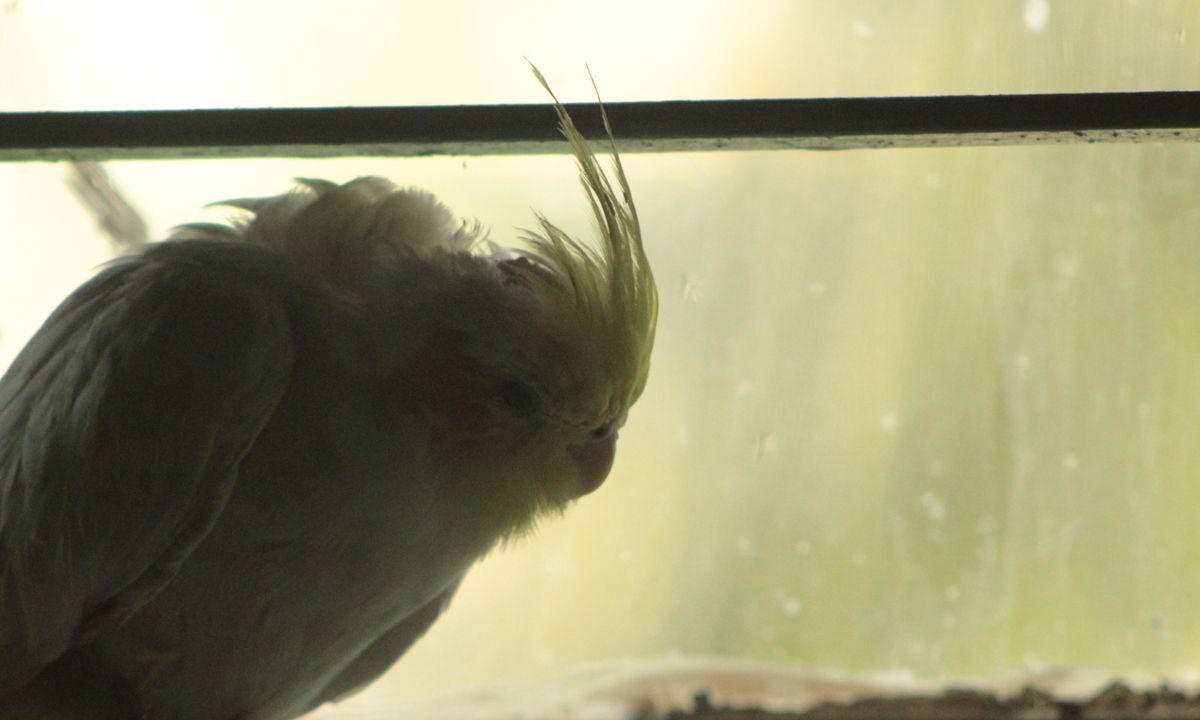
Where a bird cage sits affects far more than convenience. Cage placement influences sleep, temperature, air quality, social contact, stress and how safe the bird feels when people move through the room.
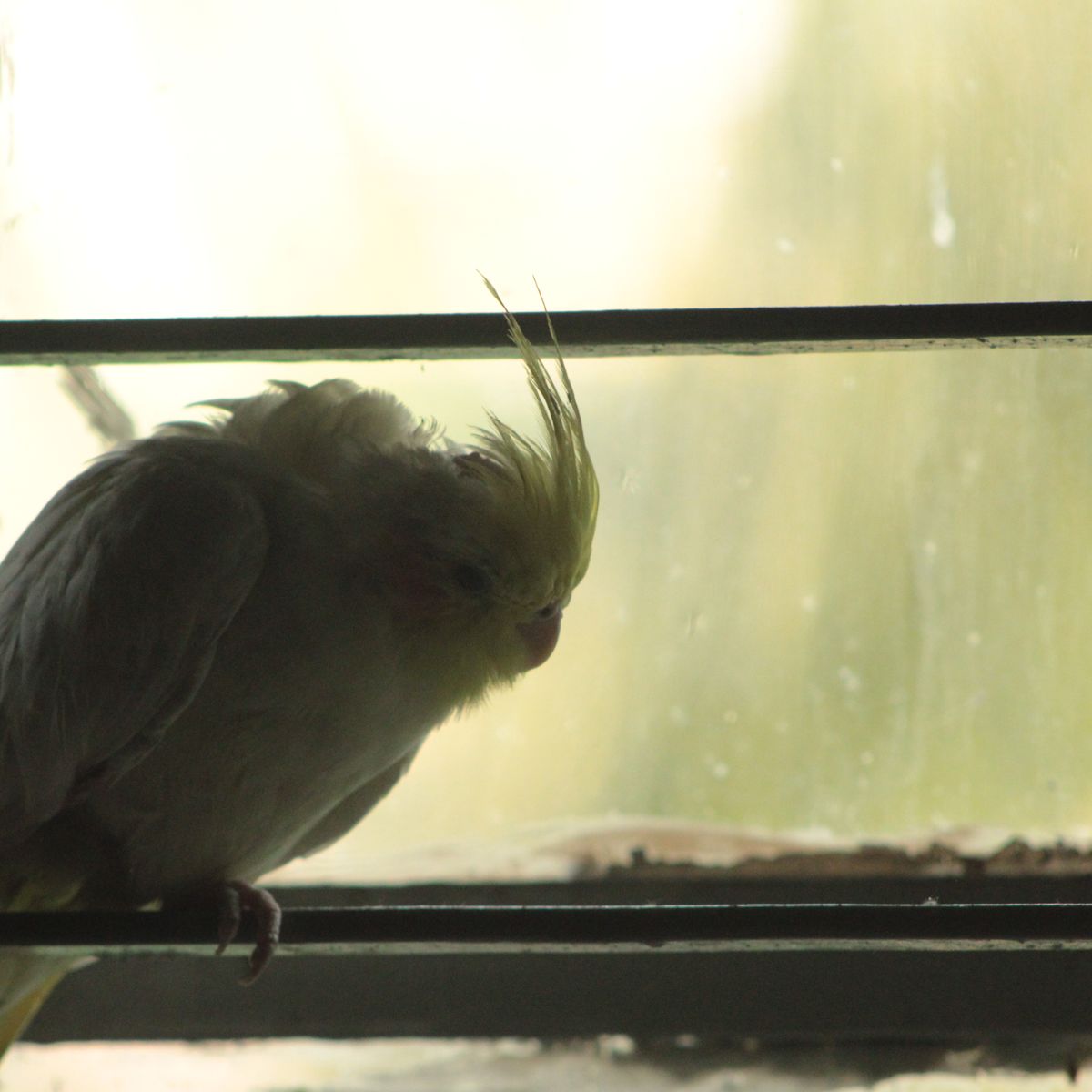
The best location is usually a compromise: social enough that the bird is not isolated, calm enough for predictable rest, bright enough for a normal day-night rhythm, and far enough from fumes, drafts and household hazards.
Keep the cage out of the kitchen
Kitchens combine cooking fumes, hot cookware, steam, sharp objects and possible non-stick hazards. Even a cage several feet from the stove can share the same air.
Our bird-safe home guide covers household air hazards in more detail, while PTFE toxicity in pet birds focuses on the emergency risk from overheated non-stick coatings.
Social does not have to mean chaotic
Many companion birds benefit from being part of normal household activity, but a cage placed in the middle of constant traffic can make resting difficult.
A living room corner or family room often works better than a busy hallway, provided the bird can still withdraw visually and sleep without late-night disturbance.
Give the cage some visual security
A cage floating in the centre of a room can leave a prey animal exposed on every side. Positioning one or two sides near a wall can make the environment feel more predictable while still allowing the bird to watch the household.
Height affects perceived safety
Many birds are more comfortable when at least part of the cage is around chest or eye level rather than directly on the floor.
That does not mean the cage should be placed so high that cleaning and safe access become difficult. Choose a stable height that gives the bird security and the owner control.
Avoid constant door traffic
Doorways create sudden movement, drafts and repeated startle events. If people pass within inches of the cage all day, the bird may struggle to settle.
Watch whether the bird flinches, climbs away, freezes or vocalises every time someone enters.
Natural light is useful; direct overheating is not
Daylight helps support normal daily rhythms, but a cage in direct sun can heat quickly. The bird should always have access to shade and should not be pressed against hot glass.
Windows have benefits and tradeoffs
A window can provide changing visual stimulation, but it can also create glare, drafts, temperature swings and frightening outdoor activity.
If the bird repeatedly startles at outdoor birds, people or vehicles, move the cage back or provide a partial visual barrier.
Do not place the cage against cold glass
Windows can become much colder than the room in winter and much hotter in direct summer sun. Leave enough distance for more stable temperature.
Protect nighttime sleep
Many companion birds benefit from a consistent dark, quiet period at night. The Association of Avian Veterinarians notes that artificial household lighting can alter natural day length and that a separate sleeping cage can be useful in busy homes.
If the family stays up late with television and lights, the bird may need a quieter sleep room or dedicated sleep cage.
A cover does not solve every sleep problem
A cage cover may reduce visual stimulation for some birds, but it does not remove noise, fumes, heat or poor ventilation.
Use a cover only if the bird tolerates it, and never block airflow or trap heat.
Night fright deserves a setup review
Some birds startle suddenly in the dark. A low night-light may help certain species or individuals orient after a fright, particularly if total darkness seems to trigger repeated panic.
Remove sharp hazards, make sure perches are stable and discuss recurrent night fright with an avian veterinarian.
Separate daytime social space from nighttime sleep when needed
A smaller sleep cage can work well when the main living area stays active late. Introduce the sleep cage positively so moving there becomes routine rather than a nightly struggle.
Watch drafts and vents
Avoid placing the cage directly beneath air-conditioning, heating vents, fans or frequently opened exterior doors.
Normal household air movement is fine; direct cold or hot airflow is not.
Think about shared air, not just physical distance
Smoke, cooking fumes, aerosols and renovation odors can travel through open-plan homes and ventilation systems. A bird can be far from the source and still share contaminated air.
Household televisions and speakers
Moderate everyday sound is often compatible with a social bird, but a cage directly beside a loud speaker or television can make rest difficult.
Give the bird access to a quieter period every day rather than expecting constant tolerance of high-volume sound.
Children and cage placement
Do not place the cage where young children can hit bars, poke fingers through or repeatedly disturb the bird without adult control.
At the same time, isolating the bird in a room nobody uses is not ideal for a social species. Use placement and household rules together.
Other pets need physical boundaries
A dog or cat staring at the cage can be stressful even without direct contact. The cage should be inaccessible to predators and stable enough that another pet cannot knock it over.
Use a cage large enough for normal movement
Toys and dishes should not reduce the interior to a narrow corridor.
Perch placement should support movement
Arrange perches so the bird can hop or fly between them without colliding with toys or bars. Avoid placing every perch at the same height.
Our bird perch guide explains safe materials, diameter and foot-health considerations.
Food and water should stay clear of droppings
Do not place the favourite sleeping perch directly over bowls. Watch where droppings fall and adjust dishes accordingly.
Cleaning access affects whether good hygiene happens
The cage should be positioned where tray liners, bowls and perches can be removed without moving the entire setup every day.
If cleaning is awkward, routine hygiene often becomes less consistent.
Do not squeeze the cage into a narrow alcove
A cramped recess can reduce airflow and make access difficult. The bird should have security without being boxed into stagnant air.
Reassess the location if behaviour changes
Persistent startle responses, night fright, territorial behaviour, inability to settle or sudden calling toward another room can indicate that placement needs review after medical causes are considered.
Use behaviour to test the location
A bird that eats, preens, rests, plays and vocalises normally is more likely to be comfortable. A bird that remains alert, clings to one side or startles repeatedly may be telling you the environment is too exposed or disruptive.
Cage placement can change over the bird’s life
A young active bird may enjoy a busy social room. An older bird with reduced mobility or a bird recovering from illness may need a quieter, easier-to-monitor location.
Ill birds may need temporary relocation
During illness, the cage may need to move away from household traffic so the bird can rest and be observed easily.
Follow veterinary advice about warmth, lighting and isolation from other birds.
Do not isolate a social bird permanently for convenience
A quiet back room may make cleaning easier, but long-term social isolation can reduce enrichment. Balance household contact with the bird’s need for rest.
A practical cage-placement checklist
- not in the kitchen;
- away from smoke, aerosols and strong fumes;
- protected from direct heating and cooling vents;
- some visual security from a wall or corner;
- enough household contact for a social bird;
- quiet enough for a predictable sleep period;
- safe from cats and dogs;
- accessible for cleaning;
- stable temperature and good airflow;
- natural light without unavoidable direct sun.
Watch how the bird actually uses the room
A theoretically perfect location can still fail for an individual bird. Observe behaviour over several days and adjust when needed.
The best cage location is not the brightest corner or the busiest room. It is the place where the bird can participate in household life, rest predictably, breathe clean air and feel physically secure.
Morning and evening light cues matter
Birds benefit from a predictable transition between day and night. Sudden bright lights late at night or a television flickering beside the cage can blur that rhythm. Use household lighting in a way that lets the bird experience a clear quiet period rather than keeping the room bright until people go to bed.
Do not rely on artificial light alone
Natural daylight can help establish daily rhythm, but the cage should still avoid intense direct sun. The bird needs a bright daytime environment with a safe shaded area rather than constant exposure to a hot window.
Watch for seasonal changes in the same room
A window that is comfortable in winter may become too hot in summer, while a draft-free corner can become cold when heating shuts off. Reassess the location across seasons rather than assuming one placement is permanently ideal.
Air purifiers can help only when they are bird-safe
If you use an air purifier, choose a model without ozone generation or added fragrance and place it so airflow does not blow directly onto the bird. Filtration can reduce dust, but it does not make smoke, PTFE fumes or chemical aerosols safe.
Humidity should stay comfortable and stable
Extremely dry air can affect skin and feathers, while persistently damp rooms can encourage mould. Use normal household humidity control and address the source of moisture rather than placing the cage in a bathroom or steamy kitchen.
Bathrooms are not automatically good bird rooms
Warmth and humidity may seem appealing, but cleaning chemicals, aerosols, hot water and fluctuating conditions can make bathrooms unsuitable as permanent housing.
Hallways create unpredictable movement
A hallway cage may expose the bird to footsteps, doors and people approaching from both directions. That can work for some confident birds, but shy or easily startled birds often do better in a calmer room with a wall or corner for security.
Home offices can work well with boundaries
A quiet office can provide social presence without constant traffic, but phone calls, late-night work and equipment noise still matter. Make sure the bird has uninterrupted sleep even if the owner’s workday runs long.
Bedrooms can provide quiet but may reduce daytime interaction
A bedroom may be excellent for sleep yet too isolated during the day if the household spends time elsewhere. Some birds do well with a main daytime cage and a separate sleep setup.
Consider where the bird will be during meals and cleaning
If the cage must be moved repeatedly to vacuum, serve food or open furniture, the location may not be practical. A stable setup is usually easier on the bird than frequent repositioning.
Do not place the cage directly under shelves
Objects can fall, dust can accumulate and access can become awkward. Leave enough open space above and around the cage for safe cleaning and ventilation.
Secure nearby cords and curtains
A bird can reach farther through cage bars than owners expect. Electrical cords, blind strings and curtain ties should be outside beak range.
Watch the bird’s preferred side of the cage
If the bird always retreats to one corner, consider what that side provides: wall security, distance from a doorway, less glare or protection from another pet. That preference can guide a better overall placement.
Frequent alarm calling may have an environmental cause
Repeated sudden calls can be triggered by outside birds, reflections, passing people, appliances or pets. Observe what happens immediately before the calls rather than assuming the bird is simply noisy.
Territorial behaviour can increase in certain locations
A cage placed beside a doorway or busy family area may encourage guarding of the cage entrance or nearby person. Changing placement and interaction patterns can sometimes reduce pressure, but medical and behavioural causes should also be considered.
Give the bird a predictable sleep signal
A consistent routine—lights dimming, household activity decreasing and the bird moving to the sleep area—can help establish rest without relying on forced handling.
If using a separate sleep cage, keep it simple
The sleep cage should be secure, appropriately sized, well ventilated and located in a safe quiet room. It does not need elaborate toys, but it still needs a comfortable perch and reliable routine.
Do not move the cage outdoors casually
Temperature swings, predators, escape risk and direct sun can make outdoor placement dangerous. If a bird gets outdoor time, use a secure enclosure and monitor conditions continuously.
Apartment living needs air-path awareness
Smoke, cooking fumes and renovation odors from neighbouring units can travel through shared ventilation. If indoor air quality repeatedly becomes poor, cage placement alone may not solve the problem.
Make the location work for emergencies
The cage should be accessible enough that the bird can be transferred to a carrier quickly if needed. Do not wedge it behind furniture in a way that makes emergency access difficult.
Review placement after major household changes
Moving furniture, adding a pet, having a baby or changing work schedules can alter noise, traffic and sleep. Reassess the bird’s location when the household rhythm changes substantially.
The room should support both safety and normal behaviour
The strongest location lets the bird eat, play, rest, vocalise and observe without being exposed to constant threat, poor air or interrupted sleep. If one of those needs is consistently failing, adjust the environment instead of expecting the bird to adapt indefinitely.
0 comments