
Bird-Safe Home: PTFE, Smoke, Aerosols and Kitchen Hazards
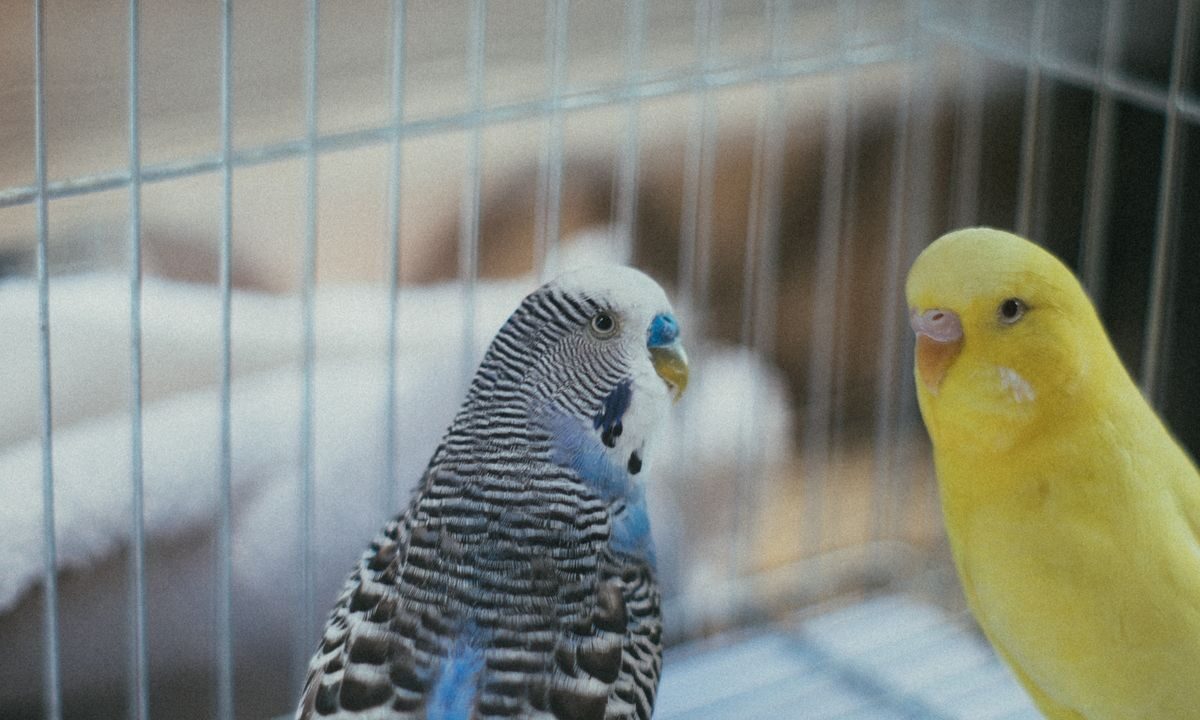
Bird-safe home design starts with one fact: birds have highly efficient respiratory systems and are unusually vulnerable to airborne toxins. Products that seem mildly irritating to people can be dangerous to a bird, and some hazards—especially overheated non-stick coatings—can cause rapid collapse.
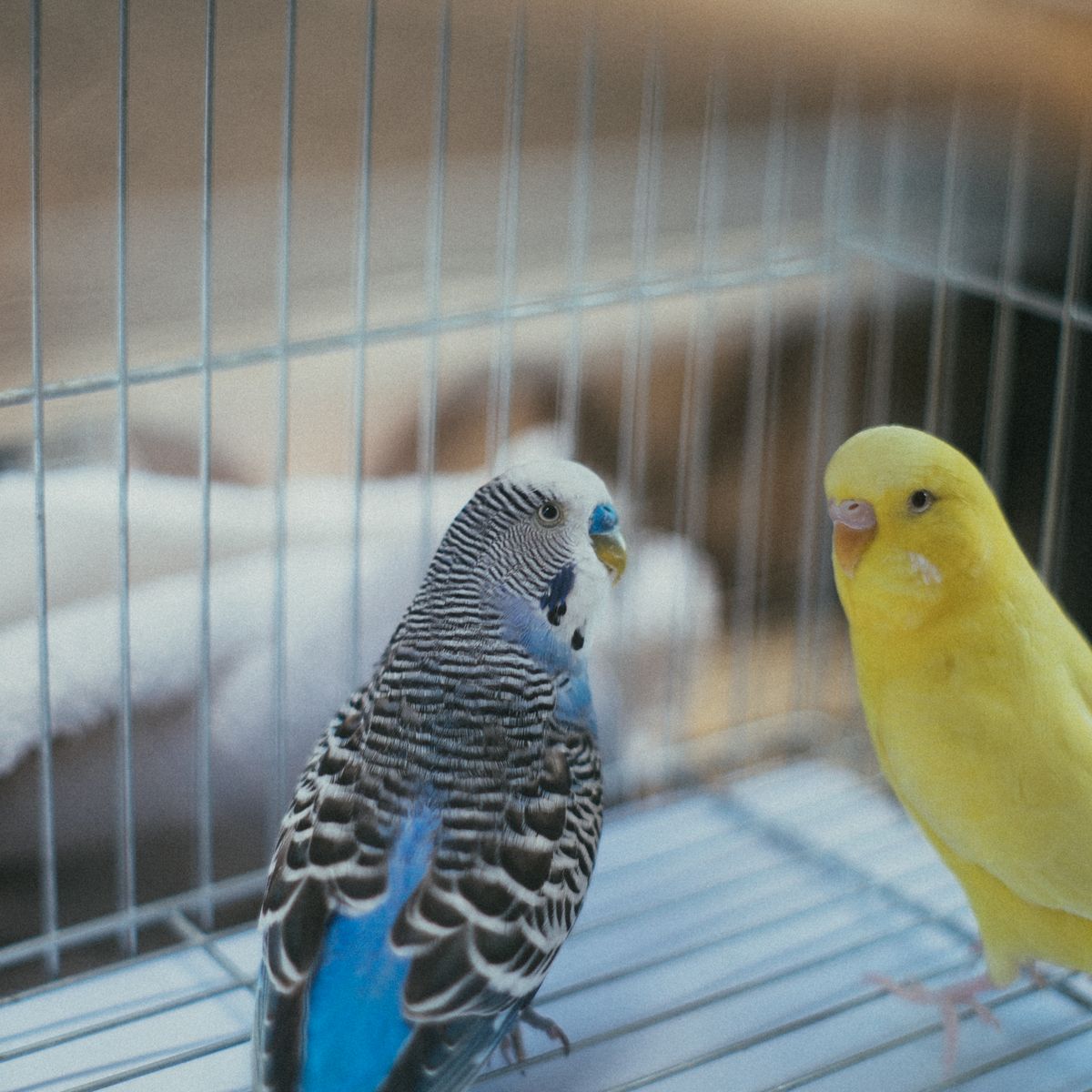
The safest approach is prevention. Do not wait for a smell, cough or visible reaction before deciding a product is unsafe. Build the household around clean air, verified heated appliances, secure out-of-cage spaces and clear rules for everyone who lives or visits there.
PTFE is the household hazard every bird owner should understand
Polytetrafluoroethylene (PTFE) is used in some non-stick cookware and other heat-resistant coatings. When overheated, PTFE can release fumes that are acutely toxic to birds.
Our PTFE toxicity in pet birds guide covers hidden sources, signs and emergency steps in more detail.
PTFE may be present outside obvious frying pans
Depending on the product, fluoropolymer coatings may be used in air fryers, toaster ovens, drip trays, irons, space heaters, heat lamps and other appliances.
Do not assume a product is bird-safe because the visible surface looks metallic. Check the manufacturer’s specifications and ask directly when the coating is unclear.
“PFOA-free” does not necessarily mean PTFE-free
PFOA and PTFE are different substances. A product marketed as PFOA-free may still contain PTFE or another fluoropolymer.
Bird owners need the actual coating material, not a marketing phrase answering a different question.
Do not house a bird in the kitchen
Kitchens combine fumes, hot cookware, steam, open water, sharp objects and food hazards. Even a cage several feet from the stove can share the same air.
Our bird cage placement guide explains safer room choices.
Self-cleaning ovens deserve special caution
High-temperature cleaning cycles can create fumes from coatings, food residue and oven components. A bird should not share the indoor airspace during a high-heat self-cleaning cycle.
Smoke is not just an odor problem
Cigarette smoke, cannabis smoke, fireplace smoke, burnt food and engine exhaust can all harm the avian respiratory tract.
Opening a window after smoking does not make active exposure safe. Prevent the exposure at the source.
Vaping should not happen around birds
Vapour can contain nicotine, solvents, flavouring chemicals and fine particles. Keep birds away from vaping just as you would cigarette smoke.
Aerosols create concentrated airborne exposure
Air fresheners, spray cleaners, hairspray, perfume, aerosol insecticides and craft sprays can all create droplets or vapours that birds inhale.
Do not spray them in the same room as a bird. Moving the cage to the other side of the room is not reliable protection.
Fragrance products are unnecessary risk
Scented candles, plug-in air fresheners, incense and concentrated fragrance products can add smoke or volatile compounds to the air.
If the goal is to make the room smell fresher, clean the source of odor and improve ventilation rather than masking it.
Essential oils are not automatically safe
“Natural” does not mean respiratory-safe. Diffusers and concentrated oils can release volatile compounds into the air.
Because products and concentrations vary, avoid casual essential-oil use around birds and discuss specific exposures with an avian veterinarian.
Cleaning products need a bird-safe plan
Strong cleaners, bleach, ammonia and disinfectants can irritate or poison when airborne. Never mix cleaning chemicals.
Move the bird away from strong cleaning activity, follow product instructions and ventilate thoroughly before the bird returns.
Do not assume a covered cage protects from fumes
A cage cover does not seal contaminated air out. It can actually reduce ventilation if placed over the cage during an exposure.
Renovation fumes can travel far
Paint, adhesives, flooring, sealants, varnish and construction dust can remain in the air long after workers leave.
For significant renovation, moving the bird to a separate safe location is often more reliable than trying to isolate one room.
New furniture and flooring can off-gas
Some materials release volatile compounds after installation. If a room smells strongly of new paint, adhesive or flooring, do not use that smell as a minor inconvenience. Give the space time to ventilate before housing the bird there.
Carbon monoxide requires proper household detection
Bird owners need functioning carbon-monoxide alarms just like every other household. Fuel-burning appliances, garages and heating systems can create dangerous exposure.
A bird’s sensitivity is not a substitute for a detector.
Electrical cords are a chewing hazard
Parrots explore with the beak. Exposed cables can cause burns, electrocution and internal injury.
Use physical barriers or cord protection and supervise out-of-cage time.
Open water can become a drowning hazard
Toilets, sinks, bathtubs, cooking pots and uncovered aquariums can be dangerous to a flying bird.
Close toilet lids, cover hot liquids and secure rooms before free flight.
Hot surfaces are easy to underestimate
Stovetops, pans, lamps, hair tools and open flames can burn feet and feathers quickly.
Do not allow birds loose in rooms where hot appliances are in use.
Ceiling fans must be off during flight
A moving fan can cause catastrophic injury. Make “fan off before bird out” a household rule.
Windows and mirrors can cause collision injuries
Large glass surfaces may be invisible to a bird that has not learned the room. Use curtains, decals or gradual room introduction to make boundaries obvious.
Doors and windows need an escape plan
Check that exterior doors and windows are closed before the bird comes out. Screens should be secure enough that a bird cannot push through them.
Other pets need physical separation
Cats and dogs can injure birds even during apparently playful interaction. A cat bite or scratch can introduce dangerous bacteria.
Do not rely on temperament alone. Use closed doors, gates and separate rooms.
Houseplants and cut flowers can be toxic
Birds chew leaves, soil and containers. Identify every plant in the bird’s flight area and remove species that may be toxic.
Human foods can create serious risk
Chocolate, caffeine, alcohol, avocado and heavily salted foods should be kept inaccessible.
Do not let a bird wander across kitchen counters or unattended plates.
Metal toxicity is another home hazard
Birds can chew jewelry, hardware, paint and household objects that contain unsafe metals.
Heavy-metal exposure can cause neurological and gastrointestinal illness and needs veterinary treatment.
Small swallowable objects matter
Buttons, beads, batteries, magnets, medication and craft supplies should be kept away from the bird.
Birds investigate with the beak, and curiosity can become ingestion.
Keep medication secured
Human and veterinary medications should remain in closed storage. Do not leave pills on counters or in open organisers where a bird can reach them.
Air purifiers are not a licence to use unsafe products
A non-ozone air purifier can reduce household dust, but it cannot make PTFE fumes, smoke or aerosols safe.
Remove hazards at the source first.
New appliances deserve a material check
Before using a new air fryer, heater, iron or cooking device, review the materials and coating specifications.
It is far easier to verify safety before first heating than to investigate after an exposure.
Bird sitters need written safety rules
A sitter may know how to feed the bird but not understand PTFE, aerosols or fan risk.
Leave clear written instructions about cooking, smoking, cleaning products, doors, windows and emergency contacts.
If you suspect fume exposure
Move the bird to clean air away from the source if you can do so safely, and contact an avian veterinarian immediately.
Breathing difficulty, weakness, poor balance or collapse is an emergency.
Do not attempt home respiratory treatments
Steam, menthol, essential oils and human inhaled products are not substitutes for avian emergency care and may create additional irritation.
Bring product information to the vet
Photograph the appliance label, chemical product or suspected material. Tell the clinic when exposure happened and how long the bird was in the area.
Use a simple room-by-room audit
- Kitchen: cookware, heated appliances, hot water and food hazards.
- Living room: candles, air fresheners, cords, fans and windows.
- Bathroom: aerosols, cleaners, hot water and open toilet bowls.
- Bedroom: perfume, cosmetics, cords and open windows.
- Workshop/craft area: paint, adhesives, metals and small objects.
The safest home is built around prevention
Bird safety works best when everyone in the household follows the same rules: no smoking or vaping around the bird, no unverified heated coatings, no aerosols in shared air, no unsupervised access to kitchens, fans, water or other pets.
Clean air is not an optional extra in avian care. It is part of the habitat itself.
Build a safe-air rule for the entire household
Bird safety breaks down when only one person knows the rules. Everyone who cooks, cleans or uses scented products should know which items are restricted and why. Put the rules in writing if several people share the home.
Keep bird-safe alternatives easy to reach
If the household frequently uses spray cleaners or scented products, replace them with simpler cleaning options that do not create aerosol exposure around the bird. The easier the safe option is to use, the more consistently people will follow it.
Do not heat an unknown appliance “just once” to test it
First-use heating can release manufacturing residues or coating fumes. If the materials are unclear, verify with the manufacturer before using the product in the bird’s airspace.
Open-plan homes need extra caution
In an open-plan kitchen/living area, physical distance may be misleading. Air moves freely between spaces, so a bird housed “across the room” may still share fumes from cooking or heated appliances.
Shared HVAC can spread contaminants
Central heating and cooling systems can move smoke, renovation fumes or strong chemical odors beyond the room where they started. During significant exposure, relocating the bird to a genuinely separate safe location may be more effective than closing one door.
Garages and utility rooms are poor bird spaces
Vehicle exhaust, fuel vapors, paint, solvents and temperature swings make these areas unsuitable for routine housing. Never run a vehicle in an attached garage with a bird nearby.
Hair tools and beauty products belong away from the bird
Hair spray, nail products, perfume, heated styling tools and cosmetic aerosols can add fumes or particles to the air. Use them in a separate ventilated area away from the bird.
Pest control needs a bird-specific plan
Foggers, sprays, insecticides and some rodent-control products can create serious risk. If pest treatment is necessary, tell the pest-control company that a bird lives in the home and follow avian-veterinary guidance about relocation and re-entry.
Do not assume “pet-safe” means bird-safe
A product marketed as safe around dogs or cats may still be inappropriate for birds. Avian respiratory sensitivity is different, so check the exact product rather than relying on a broad pet-safety label.
Craft rooms can contain several hidden hazards at once
Glue, resin, paint, solder, metal pieces and fine dust can all be problematic. Keep birds out of active craft areas and store materials securely after use.
Scented laundry products can affect the immediate environment
Strongly fragranced dryer sheets, fabric sprays and room sprays can create concentrated scent around a cage if used nearby. Keep the bird away from the source and favour low-fragrance household routines.
Check cookware handles, lids and accessories too
Even when the pan itself is stainless steel, accessories or inserts may use coatings. Review the complete product rather than the most visible surface.
Replace damaged non-stick cookware
Scratched or deteriorating coatings are a reason to retire cookware rather than keep experimenting with it around birds. If you cannot verify the material, choose a clearly documented alternative.
Keep emergency contacts with the hazard information
Store the avian clinic number near the kitchen or bird-care area. In an exposure, knowing who to call and what product was involved is more useful than searching for a home remedy.
Teach sitters what counts as an emergency
Breathing difficulty, collapse, severe weakness or poor balance after fume exposure should trigger immediate veterinary contact. A sitter should not wait for the owner to return before acting.
Outdoor air quality can matter indoors
Wildfire smoke, heavy pollution and nearby construction can enter through open windows. During poor-air events, keep windows closed as appropriate and use safe filtration while monitoring indoor conditions.
Do not place the cage beside an open window during smoke events
Fresh air is useful only when the outdoor air is actually clean. If smoke or pollution is present outside, moving the cage toward the window can increase exposure.
Use cleaning routines that reduce feather dust without adding fumes
Vacuum, damp-wipe surfaces and clean cage liners regularly. This controls household dust without relying on perfume sprays or aerosol deodorisers.
Bird-safe does not mean sterile
The goal is clean air and controlled hazards, not an odorless chemical-free laboratory. Normal cooking, cleaning and household life can continue when products and airflow are chosen carefully.
Review the home after every major purchase or renovation
New cookware, heaters, furniture, flooring and cleaning products can introduce new risks. Make bird-safety review part of the purchase decision rather than an afterthought.
Home safety is one part of complete bird husbandry. The First-Time Bird Owner Guide connects household safety with species choice, housing, diet, enrichment and veterinary planning.
A practical prevention routine
- verify heated coatings before use;
- keep birds out of kitchens;
- ban smoking and vaping around the bird;
- avoid aerosols and strong fragrance in shared air;
- secure cords, windows and open water;
- separate birds from cats and dogs;
- store medication, metals and toxic foods securely;
- keep an avian emergency contact visible;
- review new household products before use.
The safest bird household is one where hazards are designed out of the routine. Prevention is more reliable than trying to recognise exposure after the bird has already become sick.
0 comments