
Egg Binding in Pet Birds: Warning Signs and Why It Is an Emergency
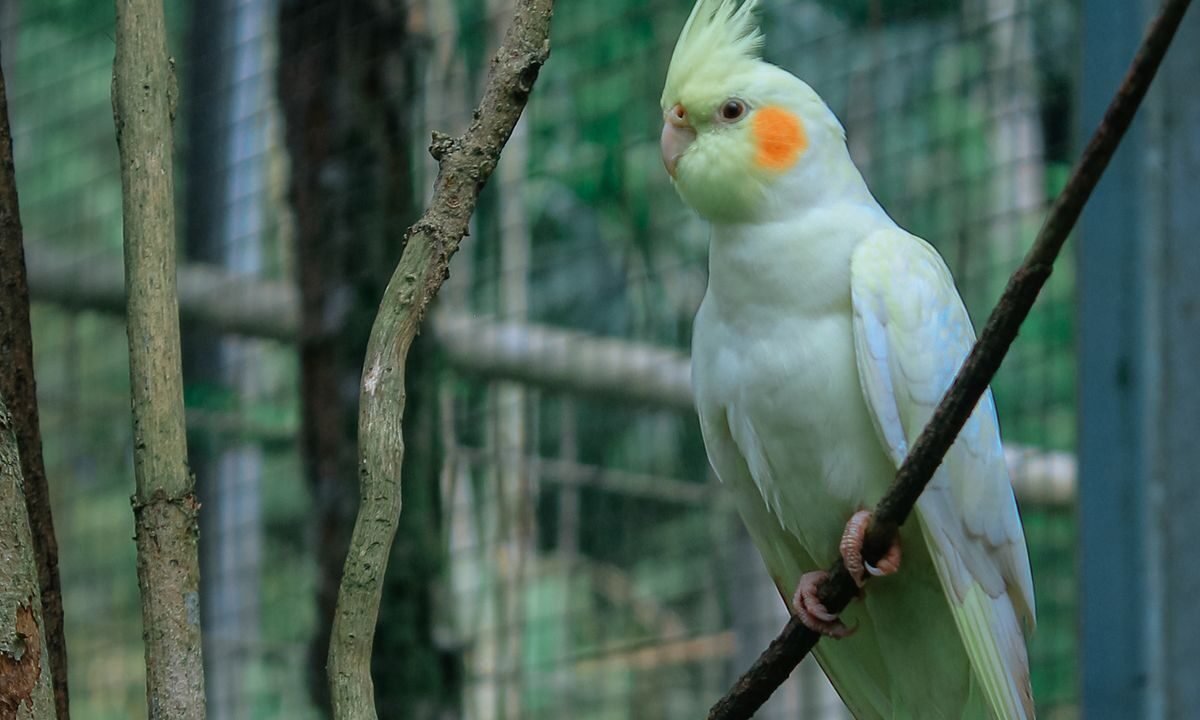
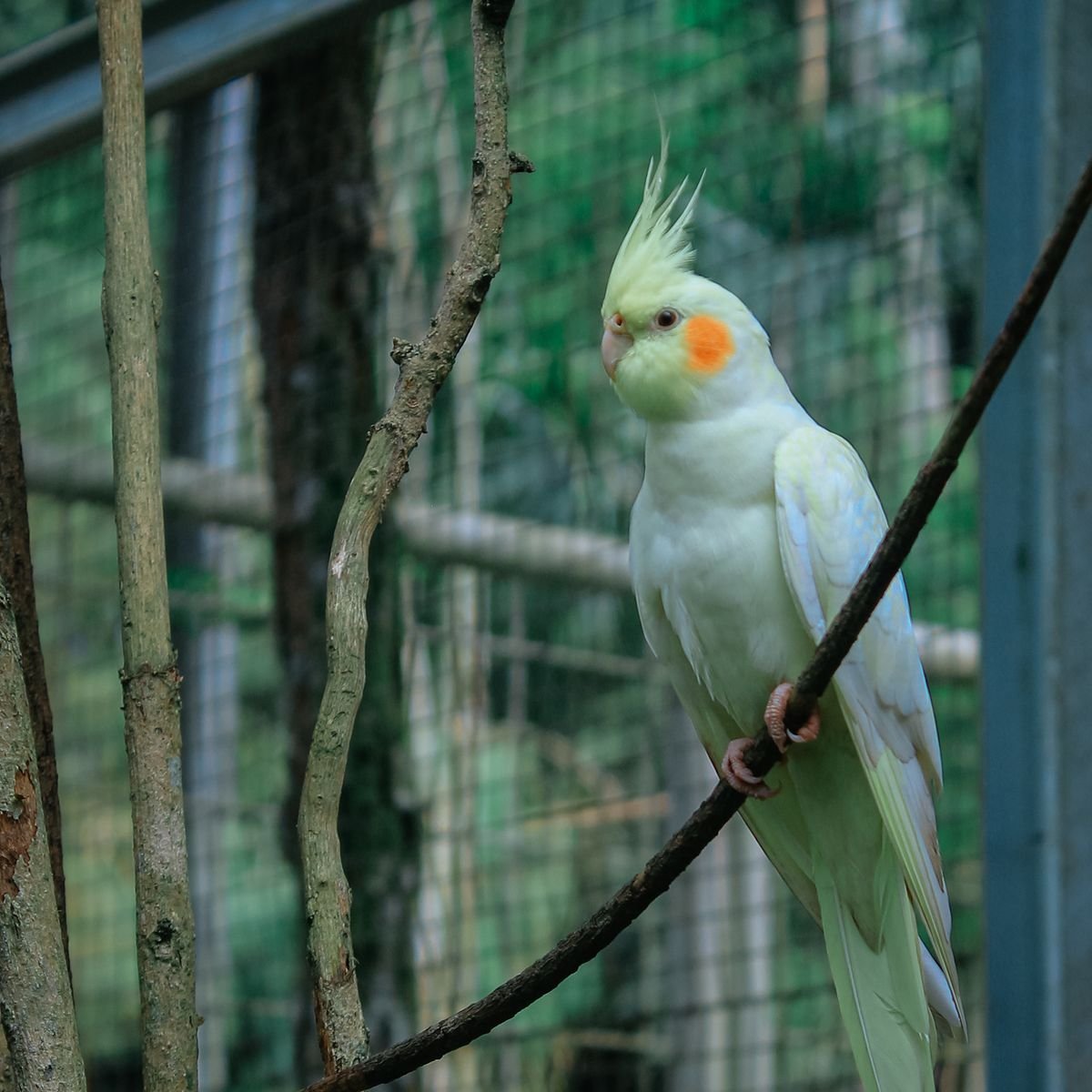
A female pet bird does not need a male present to produce an egg. In some birds, an egg can become stuck in the reproductive tract, a condition commonly called egg binding or dystocia.
Egg binding can deteriorate quickly because a retained egg may compress organs, interfere with breathing and circulation, or damage the reproductive tract.
Birds commonly affected
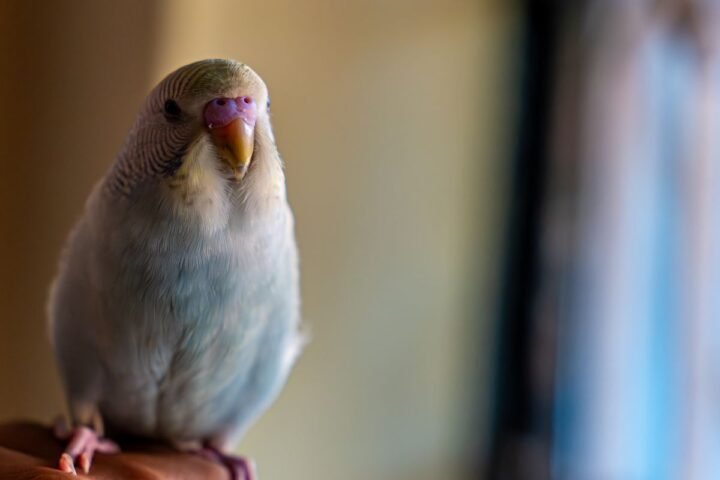
The Merck Veterinary Manual notes that egg binding is especially common in captive cockatiels, budgerigars, and lovebirds, though larger parrots and other species can also be affected.
Warning signs owners may notice
- Sitting on the cage bottom
- Weakness or depression
- Closed or partly closed eyes
- Tail bobbing
- Labored breathing
- Straining
- Swollen abdomen
- Reduced droppings
- Difficulty perching
Why chronic egg laying increases concern
Repeated egg production can deplete calcium and other nutrients. Poor diet, obesity, reproductive disease, genetic factors, first-time laying, and husbandry conditions can also contribute.
Do not try to pull the egg out
Home extraction can rupture the egg, tear delicate tissues, or cause severe bleeding. Do not massage the abdomen aggressively or insert oil or objects into the vent.
What to do
Contact an avian or exotic veterinarian immediately. Keep the bird warm, quiet, and minimally handled during transport unless the clinic gives different instructions.
What the veterinarian may do
Treatment may include warmth, fluids, calcium, oxygen, pain control, imaging, and procedures to help the egg pass or be removed. Stabilization often comes before extraction.
Preventing repeated reproductive problems
For birds that lay repeatedly, the veterinary plan may include improving diet, managing light exposure and nesting triggers, changing environmental cues, and in some cases using medication or other reproductive management.
Chronic laying can create a cycle
Some birds repeatedly lay eggs even without a mate. Repeated production can drain calcium and energy reserves and increase reproductive risk. Keep a record of laying dates and clutch size so your avian veterinarian can see whether the pattern is becoming excessive.
Environmental cues may encourage laying
Long daylight hours, access to dark nest-like spaces, shreddable nesting material, and certain forms of petting can encourage reproductive behavior in some parrots. Management should be species-appropriate and discussed with an avian veterinarian if laying is frequent.
Do not assume a round abdomen means an egg
Abdominal enlargement can also occur with organ disease, fluid, masses, or other reproductive problems. Imaging may be needed to confirm whether an egg is present and where it is located.
Have an avian emergency plan
Know which clinic sees birds after hours and keep a small transport carrier ready. Egg-binding emergencies often happen outside normal appointment times, and knowing where to go reduces delay.
Know your bird’s reproductive history
Record previous clutches, the interval between eggs, shell quality, and any earlier laying problems. A bird that has laid repeatedly, produced thin-shelled eggs, or previously needed veterinary help deserves a lower threshold for assessment when new signs appear.
Nutrition is part of prevention, not a home treatment
A balanced diet with appropriate calcium and vitamin D supports reproductive health, but giving large amounts of calcium at home does not safely treat an egg that is already stuck. Supplementation should be guided by an avian veterinarian because excesses can also be harmful.
Warmth can support a sick bird during transport
A weak bird may struggle to maintain body temperature. Keep the carrier comfortably warm and quiet, but avoid direct heat that could overheat or burn the bird. If possible, ask the emergency clinic for transport instructions while you are leaving.
Why delay is risky
A retained egg can compress nerves, blood vessels, intestines, and air sacs. A bird that is still alert can deteriorate quickly, so waiting for the egg to pass overnight is not a safe plan when warning signs are present.
After recovery, investigate why it happened
Once the emergency is over, ask about body condition, diet, calcium status, light cycle, nesting cues, reproductive disease, and long-term strategies to reduce repeated laying. Prevention is especially important in birds with chronic reproductive behavior.
The bottom line
A weak female bird on the cage bottom, especially with straining, tail bobbing, abdominal swelling, or breathing difficulty, should be treated as an emergency. Egg binding is not a condition to diagnose or manage by home extraction.
0 comments