
Lovebird Care Guide: Housing, Diet, Enrichment and Pairing
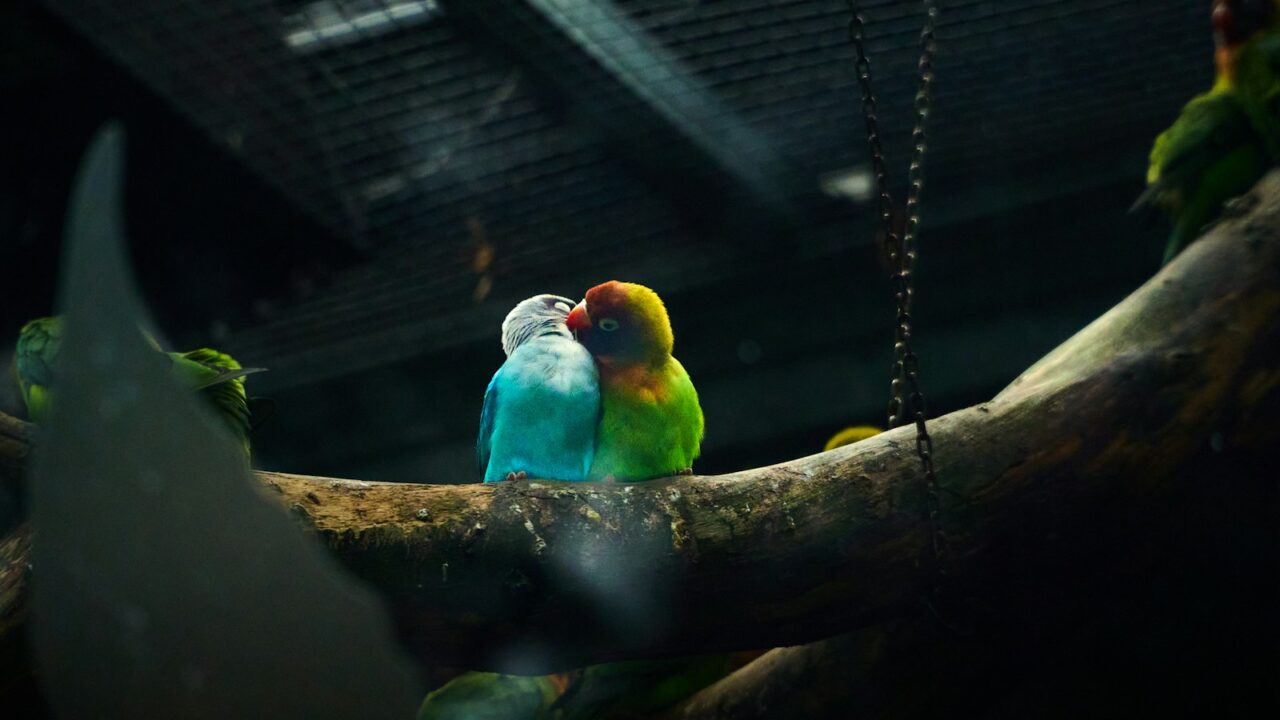
Lovebirds are social, active parrots with strong personalities, and a bonded pair is not automatically an easy-care pet. They still need appropriate space, a balanced diet, enrichment, sleep and health monitoring. A single lovebird also needs regular, thoughtful social interaction rather than simply being kept near people.
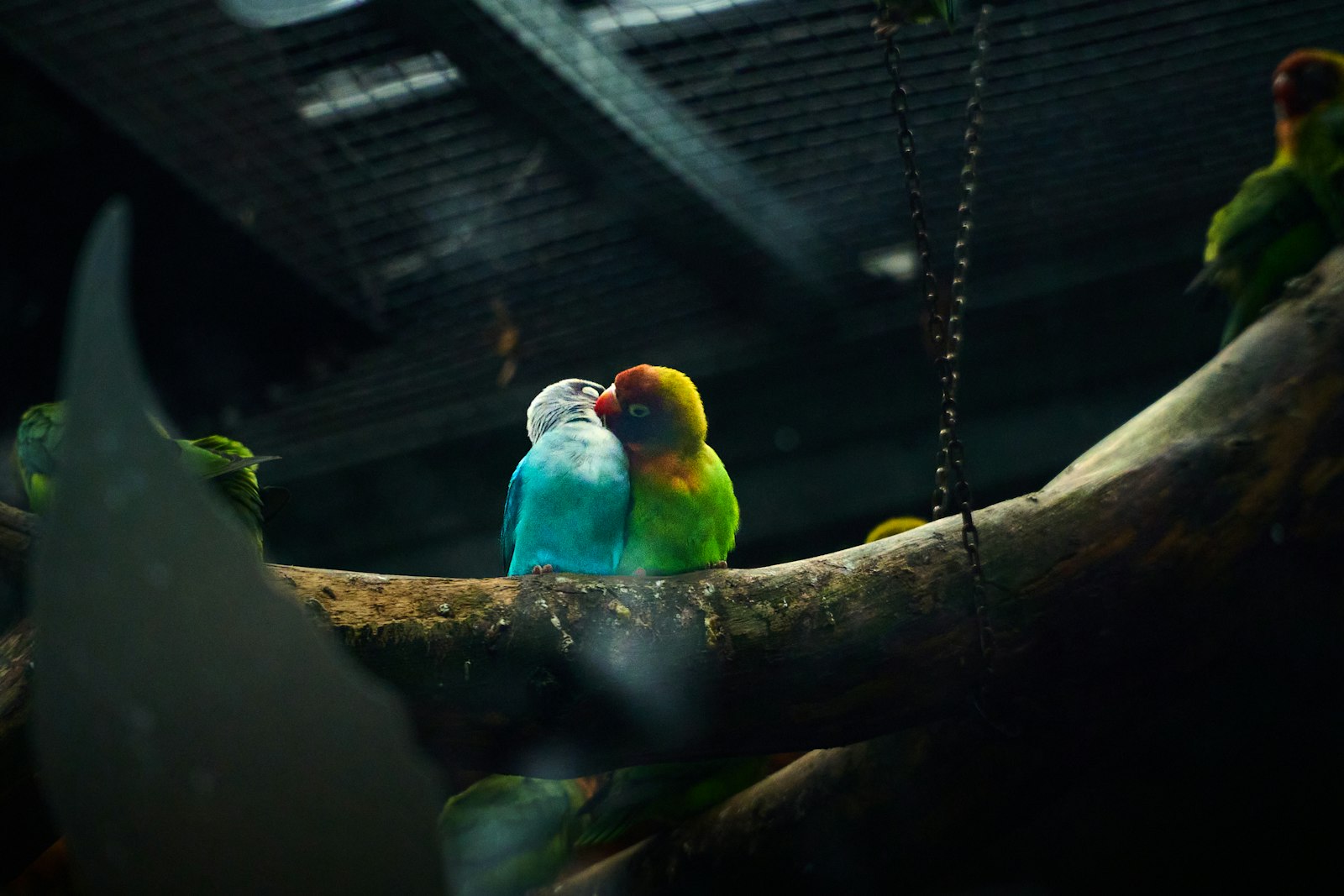
Give them room to move and climb
A useful enclosure has horizontal space, multiple perch routes and enough room that toys do not crowd the bird. Bars and doors must be secure because lovebirds are persistent climbers and chewers.
Chewing is a normal need
Provide bird-safe shreddable materials, untreated wood and foraging opportunities. Inspect toys frequently for loose threads, sharp hardware or pieces that could entangle feet or be swallowed.
Diet should not be a seed bowl alone
A seed-only pattern can leave nutritional gaps. Ask an avian veterinarian how to combine a formulated diet with suitable vegetables and other fresh foods for the individual bird, and make diet changes gradually while monitoring intake and weight.
Pairing must be based on compatibility
The name ‘lovebird’ does not mean any two individuals will automatically bond. Introductions should be gradual, supervised and supported with separate resources. Aggression, guarding or persistent chasing means the setup needs reassessment.
Avoid encouraging reproductive behavior accidentally
Dark nest-like cavities, abundant nesting material and certain forms of touching can stimulate reproductive behavior in some parrots. Keep petting focused around the head and neck and discuss repeated egg laying or hormonal behavior with an avian veterinarian.
Daily training can reduce conflict
Reward-based step-up, target training and stationing give the bird predictable ways to cooperate without chasing or grabbing. Training also makes weighing, carrier entry and routine care easier.
When to contact an avian veterinarian
Contact an avian veterinarian for appetite loss, persistent fluffing, breathing changes, weakness, repeated egg laying, unexplained aggression accompanied by illness signs, injury from another bird or any rapid decline.
Pairing does not replace good husbandry
If you keep two lovebirds, watch each bird as an individual. One bird can dominate food, favorite perches or attention without it being obvious at first. Provide more than one useful perch and feeding point, and notice whether both birds are eating, moving and maintaining normal body condition.
A single lovebird needs active social planning
A bird living without another lovebird can still thrive, but social interaction cannot be an afterthought. Build daily training, talking, supervised activity and independent enrichment into the routine.
Two birds are not automatically compatible
The species name creates unrealistic expectations. Introduce birds gradually, keep separate cages at first and stop direct sessions if one repeatedly chases, pins or prevents the other from accessing resources.
Use multiple food and water stations if birds share space
Resource duplication makes subtle guarding easier to detect and harder to maintain. Confirm that both birds actually eat, rather than assuming a full bowl means equal access.
Housing must support movement
Lovebirds are active parrots that climb, fly and chew. Choose a cage with safe bar spacing, clear routes and enough room for varied perches and enrichment without blocking every movement path.
Chewing is normal and should be redirected safely
AAV enrichment guidance describes chewing as an important parrot behavior. Offer safe wood, cardboard and shreddable materials rather than punishing normal destruction.
Foraging is more useful than an endless bowl of treats
Hide part of the normal ration in simple paper or cardboard forage tasks. Increase difficulty gradually and keep some food easy to access while the bird learns.
Diet should not be seed-only
A balanced species-appropriate feeding plan with formulated food and suitable fresh produce is generally more complete than a seed-heavy diet. Our pet bird diet guide explains the broader feeding framework.
Reproductive behavior needs deliberate management
Dark cavities, nesting material, prolonged daylight and sexualized touching can encourage hormonal behavior. Pet around the head and neck rather than the back or under the wings, and discuss repeated laying with an avian veterinarian.
Female lovebirds can lay without a male
Owners sometimes assume egg problems are impossible in a single female. They are not. Our egg-binding guide explains why straining, cage-bottom sitting and breathing difficulty are urgent signs.
Training supports practical care
Targeting, step-up and stationing can make weighing, carrier entry and routine handling safer without chasing or grabbing.
Watch each bird’s body weight
A dominant companion can make one bird look socially “included” while quietly limiting its food access. Individual weight trends reveal problems that group observation can miss.
Air quality and household hazards still matter
Keep lovebirds away from smoke, aerosols, heated nonstick fumes, unsafe plants and open windows. Our bird-safe home guide covers these common household risks.
Do not assume a bonded pair should share everything
Even strongly bonded lovebirds may benefit from duplicated bowls, more than one resting area and enough space to move apart. Bonding does not remove competition.
Out-of-cage time needs a bird-proof room
Lovebirds are fast, curious and persistent chewers. Close windows, stop ceiling fans, cover unsafe gaps and keep hot cookware, electrical wires and toxic plants inaccessible before opening the cage.
Use training to reduce handling conflict
Target training can move a bird from one perch to another without chasing. Stationing can help two birds wait in separate places while food, medication or health checks are prepared.
Watch pair dynamics during hormonal periods
A normally compatible pair can become more territorial around nest-like spaces. Remove reproductive triggers and separate birds temporarily if chasing or injury escalates.
Do not let one bird’s confidence hide the other’s fear
A bold partner may approach people while the quieter bird stays behind. Give each bird individual training opportunities and assess their body language separately.
Chewing damage should be inspected daily
Lovebirds can destroy rope, wood and plastic quickly. Remove frayed fibers, sharp pieces and widened gaps before they become entanglement or ingestion hazards.
Health checks should remain individual
Observe each bird’s weight, appetite, droppings, breathing and activity. A pair can look lively overall while one bird is quietly losing condition.
Sleep affects behavior too
Protect a predictable quiet night period. A lovebird kept awake late by household activity may become more irritable, vocal or difficult to train during the day.
Keep nest-like spaces out unless breeding is intentional
Tents, dark boxes, drawers and cavities can encourage territorial or reproductive behavior. Remove them if they are contributing to guarding, regurgitation or repeated laying.
Individual training prevents one bird from doing everything
Work with each bird separately as well as together. This helps you notice differences in confidence, appetite and response to handling that a dominant partner can mask.
Use a carrier that each bird can enter reliably
Practice carrier entry before an emergency. If birds share one carrier for routine travel, confirm they remain calm together; injured or aggressive birds may need separate transport.
Chewing is a daily maintenance issue
Inspect toys, rope, cage coatings and nearby furniture frequently. Lovebirds can turn a safe item into a sharp or entangling hazard quickly through persistent chewing.
Bottom line
Lovebirds thrive when social needs are paired with space, foraging, safe chewing and individual health care. A pair still needs careful observation because compatibility and medical needs remain individual. Watch each bird separately, not only the pair, throughout daily care. Confirm both birds are eating, moving and maintaining weight normally.
0 comments