
Bird Emergency Warning Signs: When to Go to an Avian Vet Now
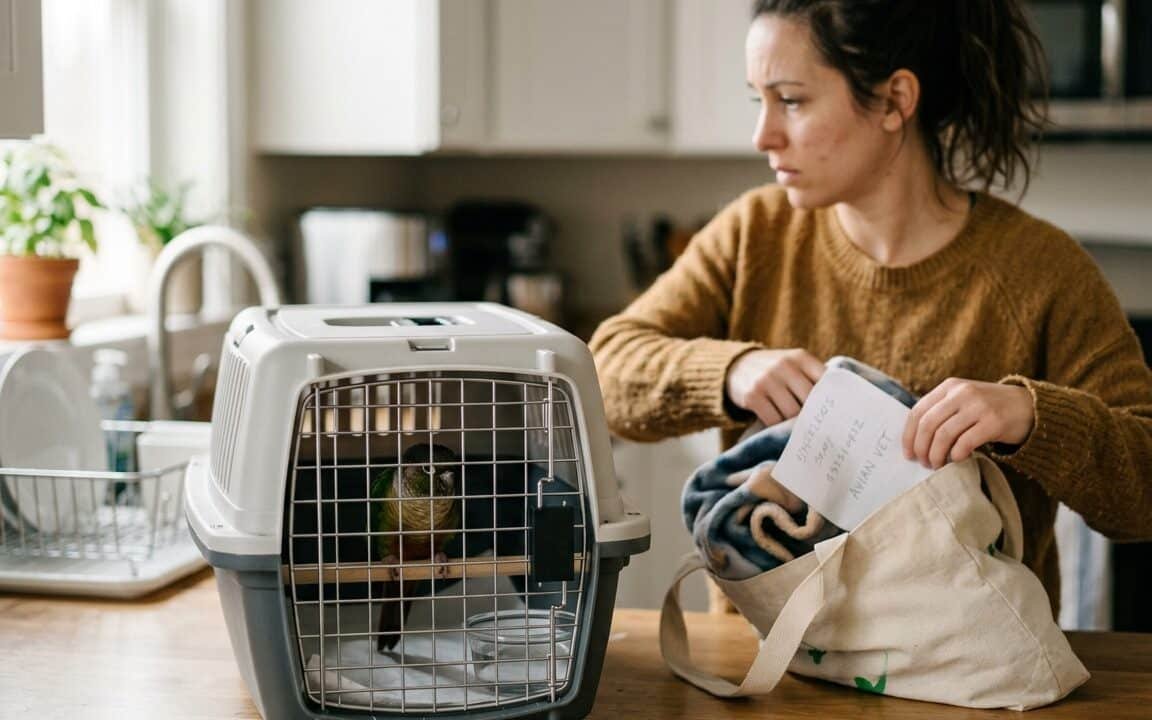
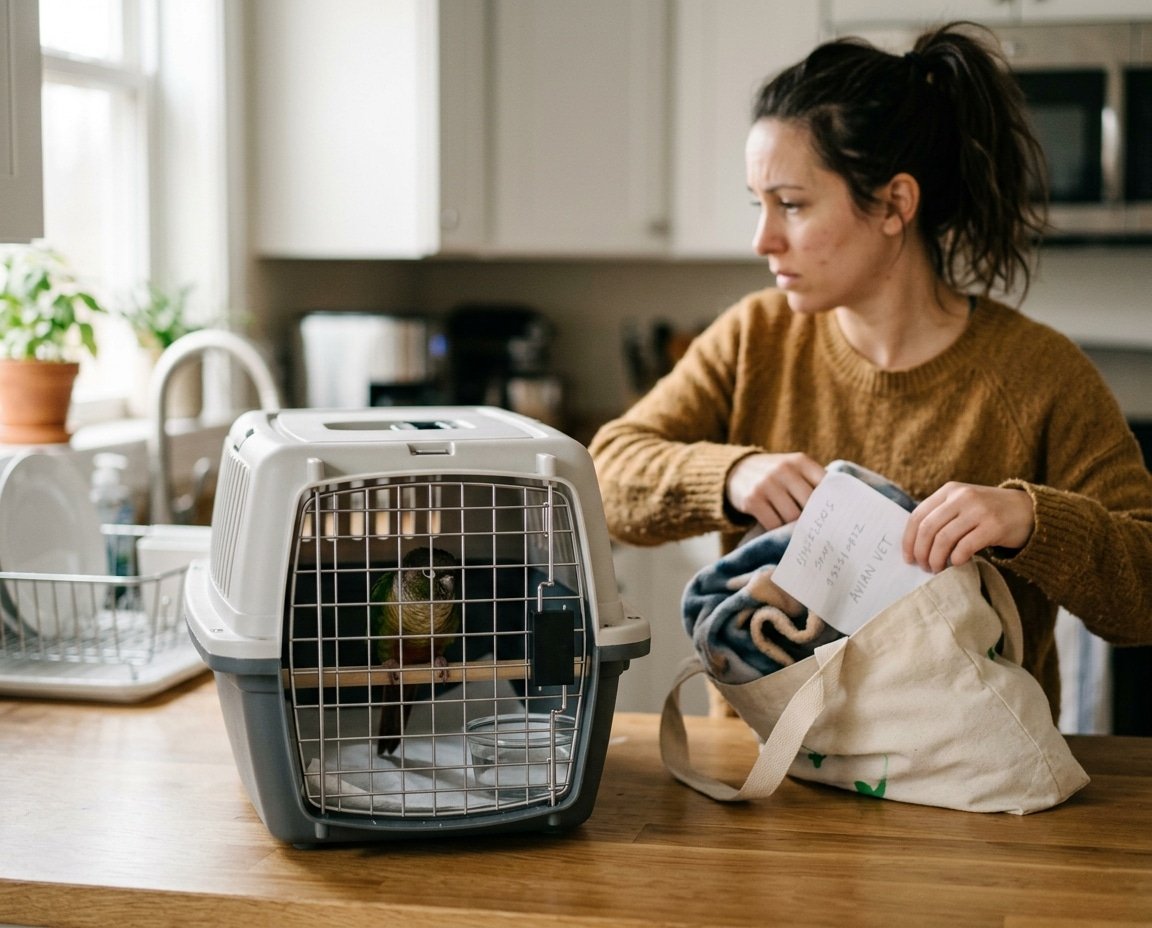
Birds are masters at hiding illness. That makes the question “Can this wait until tomorrow?” harder than it is with many other pets. A bird that finally looks dramatically unwell may already be in serious trouble.
VCA warns that pet birds can conceal illness for days or weeks before obvious signs appear. The Association of Avian Veterinarians makes the same point in its companion-bird illness guidance. For owners, that means a lower threshold for calling an avian or exotics veterinarian when a bird changes suddenly.
Breathing difficulty is an emergency
Open-mouth breathing, marked tail bobbing, obvious effort, wheezing, wet breathing or a bird that cannot breathe comfortably at rest needs prompt veterinary attention. Breathing should not look like hard work.
Do not repeatedly catch a bird that is struggling to breathe. Stress and restraint can increase oxygen demand.
Collapse or inability to perch
A bird sitting on the cage floor because it cannot stay on a perch may be weak, injured or critically ill. Some birds rest low briefly, but a sudden inability to perch is different.
Move perches lower only to reduce fall risk while you arrange care. Do not interpret the adjustment as treatment.
Seizures, falling or severe neurological signs
Loss of balance, repeated falling, seizures, unconsciousness, paralysis, head tilt or circling can indicate serious neurological, toxic or metabolic disease. These signs warrant urgent assessment.
If there may have been toxin exposure, note the product or material involved and bring that information with you.
Active bleeding
Small birds have limited blood volume. Persistent bleeding from trauma, a broken blood feather, the mouth or another site needs urgent attention if gentle pressure does not control it quickly.
Do not repeatedly remove clots to “check” the wound. If bleeding continues, transport the bird for veterinary care.
Major trauma needs more caution than the outside appearance suggests
A collision with a window, animal attack, crush injury or fall can cause internal injury even when the bird initially looks alert. Cat bites are especially serious because punctures can be tiny but still introduce dangerous bacteria.
Any bird attacked by a cat should be discussed with a veterinarian promptly even if the wound seems small.
Repeated vomiting is not the same as regurgitation
Some birds regurgitate during courtship or social behaviour. True vomiting may be more forceful and can scatter material around the head and cage. Vomiting paired with weakness, poor appetite or abnormal droppings needs veterinary attention.
Egg-binding signs
A female bird that strains, sits low, has a swollen abdomen, appears weak or repeatedly pushes without producing an egg may be egg-bound. Our egg-binding guide explains why this can become life-threatening.
Do not attempt to squeeze the abdomen or manually remove an egg at home.
Sudden toxin exposure
Overheated non-stick fumes, smoke, heavy metals and other toxins can cause rapid decline. If PTFE exposure is possible, see our PTFE toxicity guide and contact an avian veterinarian immediately.
Move the bird to clean air only if you can do so safely. Do not return the bird to the exposure area to see whether symptoms recur.
Not eating plus lethargy
VCA considers anorexia and lethargy in birds potentially serious signs that need immediate medical attention. Small birds do not have large energy reserves.
Food left in the bowl can be misleading if the bird is only shelling seeds, dropping food or pretending to eat. Look at actual intake and droppings.
Rapid unexplained weight loss
Because feathers hide body condition, weight can fall before appearance changes. A gram scale can show the trend earlier.
Our bird weight-loss guide explains how to record change and why a downward trend matters.
Breathing trouble after a household fume event
If symptoms follow smoke, aerosol, overheated cookware, cleaning products or another airborne exposure, treat the timing as important information. Birds are especially sensitive to respiratory toxins.
Tell the veterinary team what product or appliance was involved and when the exposure happened.
Severe weakness can look deceptively quiet
A critically ill bird may stop trying to escape handling and become unusually easy to pick up. That is not necessarily improvement. A normally active bird that becomes limp, sleepy or minimally responsive needs urgent assessment.
When droppings point to an emergency
One unusual dropping can happen after diet changes. But persistent black, bloody, very watery or dramatically reduced droppings combined with illness signs can be significant.
Take a clear photo or bring fresh paper from the cage if the clinic asks for it. Our bird droppings guide explains what changes are worth recording.
Broken wings or legs
Do not attempt a home splint unless a veterinarian has specifically instructed you. Incorrect positioning can worsen injury, compromise circulation or create pressure wounds.
Use a small carrier, reduce climbing and let the vet assess the injury.
What to do while arranging care
Keep the bird quiet and minimise handling. A mildly warm, stable environment is often helpful for a sick bird, but overheating is also dangerous, so do not place the carrier directly on a hot pad without guidance.
Use a secure carrier with a low perch or padded floor if the bird is weak. Do not force food or water into a bird that is vomiting, severely weak or struggling to breathe.
Prepare the carrier before catching the bird
Getting everything ready first shortens handling time. Line the carrier, remove high accessories, make sure ventilation is clear and keep the interior simple enough that the bird cannot fall far.
Our bird first-aid guide covers practical steps before transport.
Call ahead
Not every emergency hospital treats birds. Call the clinic before leaving if possible and tell them the species, the main signs and whether trauma or toxin exposure is involved.
That gives the team a chance to confirm they can see the bird and prepare for arrival.
Know your emergency clinic before you need it
Save the phone number, address and route for an avian or exotics service in advance. Check after-hours coverage, because your usual clinic may not provide overnight emergency care.
This small preparation can save time when a bird is deteriorating.
What information helps the veterinarian
Bring a list of current medications and supplements, recent weight records, diet details and any known exposure history. Note when the bird last ate normally and when the first change appeared.
If possible, bring photos or video of abnormal breathing, droppings or behaviour—but do not delay leaving just to collect perfect evidence.
What not to do
- Do not give human medications without veterinary direction.
- Do not force-feed a weak or breathing-impaired bird.
- Do not repeatedly handle the bird to check whether it has improved.
- Do not put a severely weak bird back on a high perch.
- Do not wait for “one more sign” when the bird is already struggling to breathe, collapsing or bleeding.
When can you monitor rather than rush?
A single mild change in an otherwise bright, eating, normally breathing bird may justify a phone call and close observation rather than an emergency trip. The key is that the bird remains stable and the sign is not one of the major red flags above.
If you are uncertain, call an avian clinic and describe exactly what you see. Triage advice is safer than guessing.
The practical takeaway
With birds, early action is usually safer than waiting for unmistakable illness. Breathing difficulty, collapse, active bleeding, severe weakness, seizures, major trauma, toxin exposure and inability to perch are reasons to seek urgent veterinary care.
Prepare a carrier, minimise handling, call an avian-capable clinic and bring useful history. The goal is not to diagnose the emergency at home. It is to recognise when waiting has become the greater risk.
0 comments