
Cat Grooming Techniques: Brushing, Mats, Claws and Coat Care
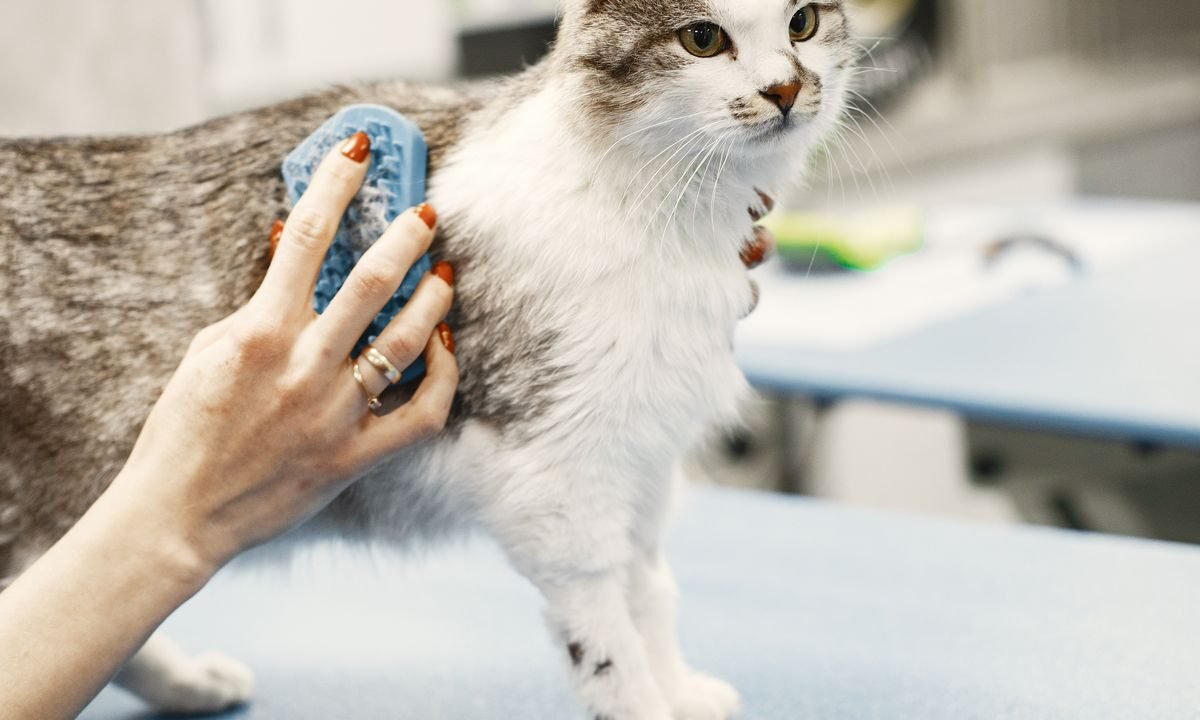
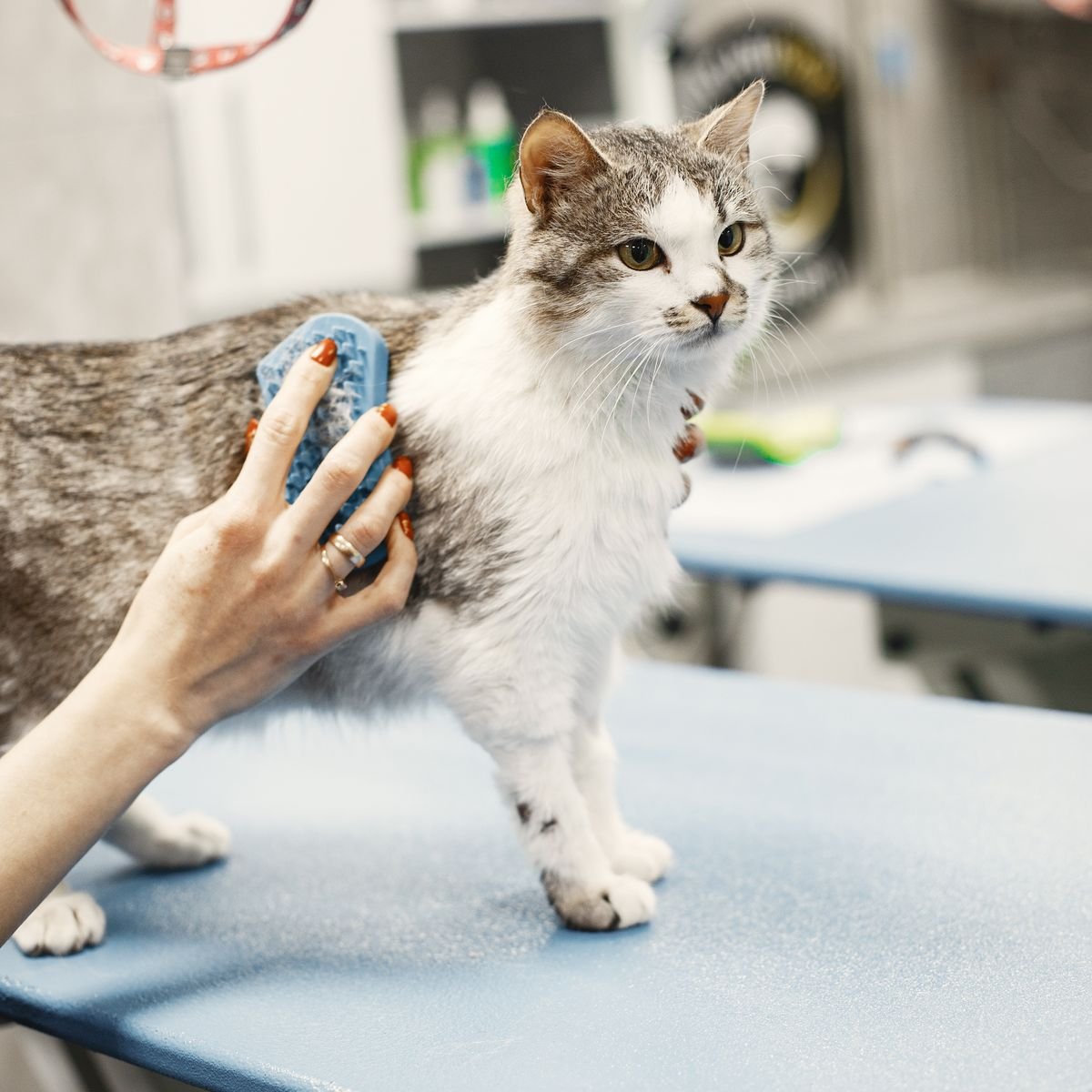
Cats groom themselves, but that does not mean every cat can manage coat care without help. Long-haired cats, older cats, overweight cats and cats with mobility problems may need regular brushing or other support. The best grooming routine is gentle, predictable and matched to the cat’s coat rather than based on one rigid schedule.
Choose tools by coat type
A short-haired cat may do well with a soft brush or grooming mitt, while a long-haired cat may need a comb that reaches through the coat. The Cats Protection grooming guide notes that tool choice depends on fur length and individual preference.
Start with short sessions
Brush for a minute or two, stop while the cat is still comfortable and reward calm behavior. Gradually lengthen sessions if needed. A cat that learns grooming always ends before frustration is more likely to cooperate next time.
Brush in the direction the coat lies
Gentle strokes with the hair are usually more comfortable. Areas behind the ears, under the front legs, around the trousers and along the belly can tangle more easily in long-haired cats.
Use your fingers before pulling at a tangle
A small loose tangle may separate with fingers or a comb. Hold the hair close to the skin so you are not tugging the entire coat. Stop if the cat becomes painful or the mat is tight against the skin.
Do not cut tight mats with household scissors
Cat skin is thin and can be pulled upward into a mat, making accidental cuts surprisingly easy. Tight or extensive matting is safer for a veterinarian or experienced groomer to remove with appropriate clippers.
Check the skin while you groom
Look for redness, scabs, fleas, dandruff, bald areas, lumps or sore patches. Grooming gives you a regular chance to notice changes that may otherwise stay hidden under fur.
Claw care is part of grooming
Indoor and older cats may not wear claws down effectively. Check whether claws are becoming hooked, catching on fabric or approaching the paw pad. Trim only the clear tip if you know where the quick is and your cat tolerates handling.
Do not force a grooming fight
If brushing always ends in biting, growling or panic, shorten the session and change the approach. A grooming mitt, different brush or professional help may be easier than escalating restraint.
Older cats may need more frequent help
Arthritis can make it difficult to reach the back, hips and hindquarters. Our cat arthritis guide explains subtle mobility changes that can affect grooming and everyday movement.
Overgrooming is different from good grooming
Bald areas, broken hairs, skin damage or repeated licking of one spot can point to fleas, allergy, pain or stress. If grooming behavior itself has changed, investigate the cause rather than simply brushing more often.
Regular brushing can help with loose hair
Removing loose fur before it is swallowed may reduce the amount of hair ingested during self-grooming. Our cat hairball guide explains what is normal and when vomiting hairballs deserves more attention.
Most cats do not need frequent baths
Brushing is usually the main grooming task for a healthy cat. Baths are more appropriate when the coat is contaminated, a veterinarian recommends a medicated wash or the cat cannot keep clean for a specific reason.
Use grooming to spot gradual change
Because you handle the coat regularly, grooming is a useful time to notice weight loss, new lumps, sore joints, skin irritation or changes in how the cat reacts to touch. Record anything new rather than assuming it is just part of aging.
Long-haired cats need prevention more than rescue
A few minutes of regular combing around friction-prone areas is much easier on the cat than removing large mats later. If your cat dislikes one tool, try a different comb or shorter session instead of waiting until the coat becomes difficult to manage.
Keep grooming equipment clean
Remove hair from brushes and combs and wash tools when needed, especially if more than one pet uses them. If a cat has a contagious skin problem, follow your veterinarian’s cleaning advice and avoid sharing grooming tools between animals.
Gentle, regular grooming beats a stressful marathon
Good cat grooming is gentle maintenance, not forced restraint. Use the right brush, prevent mats before they tighten, check skin and claws and adjust the routine as your cat ages or mobility changes.
0 comments