
First-Time Bird Owner Guide: Species Choice, Housing, Diet and Vet Care

Choosing a pet bird should begin with the species, not the cage. A budgie, cockatiel and cockatoo differ enormously in noise, lifespan, destructive ability, social needs and cost.
1. Research lifespan before adoption
Some parrots can outlive major life stages of their owners. Make a realistic plan for housing, travel, care costs and long-term guardianship.
2. Listen to the species at full volume
Bird videos often feature talking or cute behavior, not repetitive morning calls. Visit responsible rescues, breeders or bird-care settings and hear the real noise level before deciding.
3. Find an avian veterinarian first
The Association of Avian Veterinarians bird-owner resources can help owners understand preventive care and why bird-specific veterinary expertise matters.
4. Buy the enclosure for movement
Choose the largest secure enclosure practical for the species, with safe bar spacing, multiple perches and room for toys without blocking movement. Our bird perches guide explains safer materials, diameters, placement and foot-health considerations.
5. Avoid seed-only feeding
Use a balanced species-appropriate diet. Dietary transition should be gradual when needed, especially in a bird already accustomed to an unbalanced food.
6. Plan daily enrichment
Foraging, chewing, climbing, training and supervised movement are normal needs. A cage full of static plastic toys is not enough by itself.
7. Bird-proof the room
Ceiling fans, windows, mirrors, open water, electrical cords, toxic plants and other pets can all create hazards.
8. Protect air quality
Smoke, aerosol sprays and fumes from overheated non-stick cookware can be dangerous to birds. Good ventilation and kitchen separation are important. Our bird-safe home guide covers PTFE, smoke, aerosols and common kitchen hazards in more detail.
9. Learn body language
Birds can bite when frightened, over-aroused or defending space. Learn species-appropriate signals and use positive reinforcement rather than punishment.
10. Prepare for mess
Feathers, food debris and droppings are part of bird ownership. Choose washable surfaces and a cleaning routine before the bird arrives.
11. Quarantine new birds when appropriate
Multi-bird households should discuss disease-screening and quarantine protocols with an avian veterinarian before direct introductions.
12. Do not buy impulsively
A bird chosen because it talks, looks colorful or is inexpensive as a juvenile can become a long-term welfare problem if the household is not prepared.
13. Choose species by household fit
Noise, lifespan, social intensity, dust, body size and destructive chewing vary dramatically. A bird that is easy for one household can be unmanageable in another.
14. Ask how much uninterrupted sleep the bird will get
A cage in a busy living room may look convenient but can make consistent quiet nights difficult. Plan sleep before choosing the cage location.
15. Learn the difference between cage space and usable space
A large cage filled with oversized toys and poorly placed perches may offer less movement than a simpler layout. The bird should be able to stretch, move and reach essentials safely.
16. Perch variety is part of foot care
Use several safe diameters and textures rather than identical smooth dowels. Position perches so droppings do not fall into food and water.
17. Food quality matters more than colorful seed mixes
Merck recommends nutritionally complete formulated food with appropriate fresh produce. A bird picking favorite seeds from a mixture may eat plenty of calories while missing essential nutrients.
18. Convert poor diets gradually
Do not remove a familiar seed diet abruptly from a bird that does not yet recognize healthier food. Work with an avian veterinarian on a safe transition and monitor weight closely.
19. Use part of the regular diet for training
Target training, step-up and carrier entry do not need large quantities of nuts or fruit. Tiny rewards or pieces of the normal ration can work well.
20. Teach carrier entry before you need it
A carrier should not appear only during emergencies. Practice calm voluntary entry so veterinary travel is easier later.
21. Weigh the bird at home
A gram scale provides one of the most useful home health trends. Record readings under similar conditions and contact your avian veterinarian if weight changes consistently.
22. Find an avian veterinarian before adoption if possible
Bird medicine is specialized. Knowing where to go saves time when breathing difficulty, trauma or sudden appetite loss occurs. Keep our bird emergency warning-signs guide handy for the changes that should trigger urgent avian veterinary care.
23. Understand that birds hide illness
Subtle changes in appetite, droppings, voice, posture and activity can matter. Waiting for a bird to look dramatically sick can mean the disease is already advanced.
24. Protect the bird from airborne hazards
Smoke, aerosols, scented sprays, overheated non-stick cookware and some household fumes can be dangerous. Good air quality is not an optional extra.
25. Build foraging into daily life
AAV enrichment guidance encourages nutritional and behavioral enrichment. Hide part of the normal ration, rotate safe shredding materials and give the bird problems it can solve.
26. Do not expect silence
All companion birds vocalize. Ask about the natural noise level of the species and whether your household, landlord or neighbors can tolerate it.
27. Mess is part of normal bird behavior
Seed hulls, vegetable pieces, feathers and droppings spread beyond the cage. Use washable surfaces and realistic daily cleaning routines.
28. Social needs do not mean constant handling
Good social care includes interaction and choice, but birds also need to learn independent play and rest. Constant attention can create an unsustainable routine.
29. Children need adult supervision
Birds are physically fragile despite strong beaks. An adult should remain responsible for welfare, safe handling, cleaning and veterinary care.
30. Long-term commitment should be written down
Consider future housing, travel, caregivers and finances. For long-lived parrots, guardianship planning is a welfare responsibility, not an optional extra.
31. Budget beyond the purchase price
Quality housing, replacement toys, food, avian veterinary care, travel equipment and emergency treatment can exceed the original cost of the bird.
32. Ask what the bird already eats before bringing it home
A sudden diet change during relocation adds unnecessary stress. Learn the current diet first, then make any improvement gradually with veterinary guidance.
33. Learn to recognize normal droppings for that bird
Color and moisture vary with diet, but persistent changes can be an early health clue. Plain cage paper can make monitoring easier.
34. Plan for holidays and emergencies
Bird care cannot always be handed to a generic pet sitter. Identify a competent caregiver who understands diet, air-quality hazards, escape prevention and emergency transport.
35. Do not assume hand-fed means well-socialized
History matters, but current behavior, health and handling tolerance are more important than marketing labels. Meet the individual bird and ask specific questions about routine, diet and veterinary records.
36. Know what you will do if the bird cannot stay with you
Long-lived birds can outlast housing, employment, relationships and health changes. Identify a realistic backup caregiver and keep veterinary and diet records organized so care can transfer safely if necessary.
37. Do not rely on pet-store labels as the care plan
Starter cages, seed mixes and generic toy bundles may be convenient but can fall short of species needs. Verify housing, diet and enrichment independently before buying the setup.
A first-time owner checklist
- species chosen for fit, not appearance;
- appropriately sized secure cage;
- safe perch variety;
- balanced diet plan;
- sleep location protected;
- bird-proofed out-of-cage area;
- carrier training started;
- gram scale available;
- avian veterinarian identified;
- emergency plan written down.
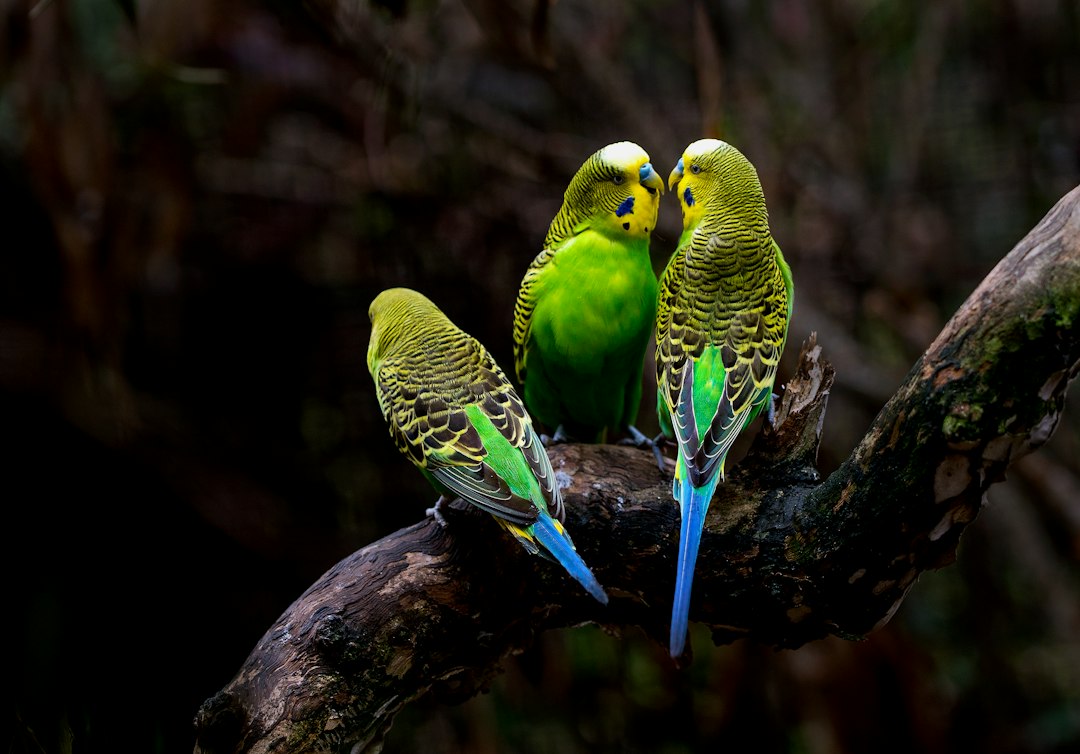
For a smaller companion species, see our budgie care guide. For the much more demanding cockatoo, see our cockatoo care guide.
0 comments