
Bird Body Language: Stress, Fear, Relaxation and Warning Signs
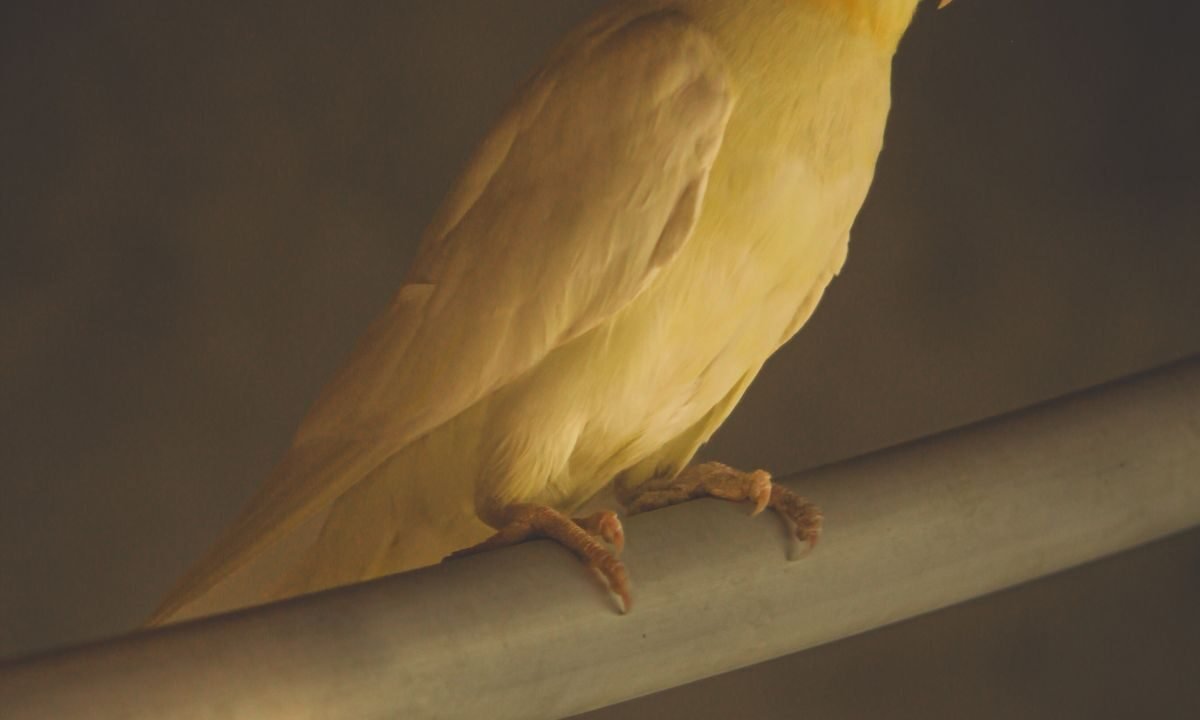
Bird body language is easy to misread when one signal is taken out of context. A raised crest, pinned eyes, fluffed feathers or an open beak can mean different things depending on the species, the situation and what the rest of the body is doing.
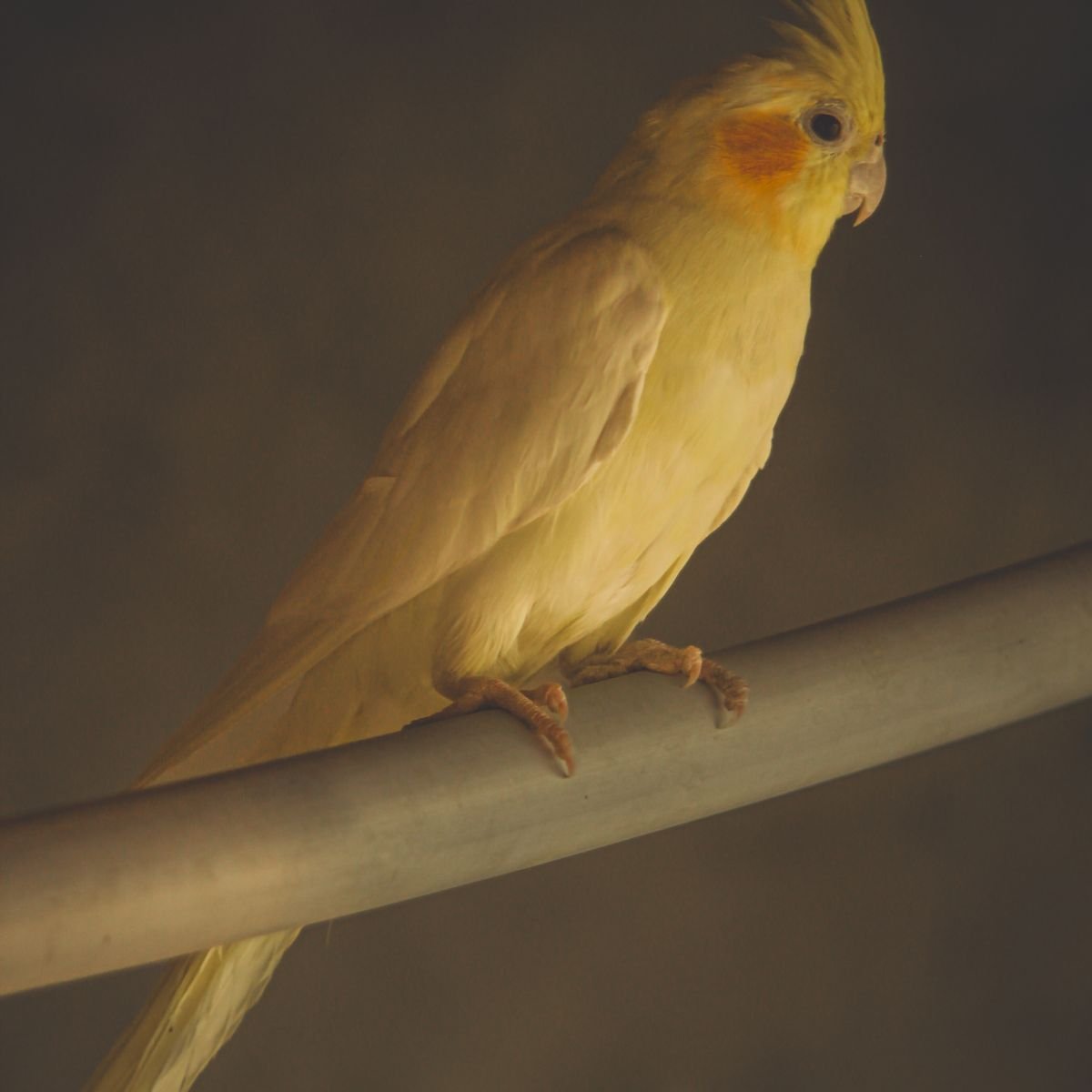
Context matters more than one signal
Fluffed feathers can mean relaxed resting, temperature regulation or illness depending on duration and context. A raised crest can signal curiosity, excitement or alarm. Interpret clusters of behavior rather than assigning one fixed meaning to a single feather position.
Respect distance-increasing signals
Leaning away, moving to the far side of a perch, freezing, opening the beak, lunging or attempting to flee can indicate that interaction is too intense. Backing off early prevents the bird from learning that biting is the only effective way to create space.
Relaxed behavior varies by species and individual
Comfort may look like soft feathers, normal preening, quiet beak grinding in some parrots, balanced posture, one-foot resting or voluntary approach. Learn the baseline for your own bird before comparing with internet charts.
Training should follow consent and attention
Use short reward-based sessions and stop while the bird remains engaged. Target training and stationing can create predictable cooperation for weighing, carrier entry and routine care without grabbing.
Hormonal or territorial behavior needs management
Nest-like spaces, guarding a cage area, regurgitation or intense pair-bond behavior can change how a bird responds to touch. Avoid reinforcing reproductive triggers and seek species-specific guidance if behavior becomes difficult.
Illness can change body language
Persistent fluffing, closed eyes while normally active, weakness, low posture, reduced vocalization, tail bobbing with breathing or inability to perch are not training problems. They require health assessment.
When to contact an avian veterinarian
Contact an avian veterinarian promptly when a behavior change is sudden, sustained or paired with reduced appetite, weight loss, abnormal droppings, breathing changes, weakness or balance problems.
Start with your bird’s normal baseline
Merck advises bird owners to notice changes in normal behavior because birds often hide illness. A posture that is ordinary for one bird may be concerning when it appears suddenly in another.
Relaxed posture is usually flexible, not frozen
A comfortable bird shifts weight, preens normally, eats, looks around and changes posture with the environment. A bird that remains fluffed and motionless for a long time during its normal active period is different.
Leaning away is an early “no”
Do not wait for a bite. A bird that leans away from a hand, raises feathers tensely, freezes or moves to the far side of the perch is already asking for more distance.
Beak position needs context
An open beak can signal threat, heat, exertion or respiratory trouble depending on the situation. If open-mouth breathing occurs at rest, treat it as a health concern rather than assuming aggression.
Eye pinning is not a standalone mood meter
Rapid pupil changes can occur with excitement, interest, arousal or agitation. Pair eye changes with body posture, feather position, movement and the immediate trigger.
Feather fluffing has several meanings
Brief fluffing during grooming or settling can be normal. Persistent puffing with closed eyes, reduced activity or poor appetite can indicate illness.
One-foot resting can be normal
Many relaxed birds rest on one foot. Repeatedly holding up the same foot while awake, avoiding a perch or showing redness or swelling may indicate pain.
Tail movements need to be separated from breathing effort
Normal balancing movements are different from rhythmic tail bobbing synchronized with each breath. Our bird breathing guide explains why persistent respiratory tail bobbing is urgent.
Quiet birds can still be stressed
Freezing and silence are not always calm behavior. A frightened bird may become very still rather than flee or bite.
Biting is usually late-stage communication
Repeatedly ignoring leaning away, freezing and warning postures can teach the bird that biting is the only signal people respect. Respond earlier to lower-intensity cues.
Training should be voluntary
Reward stepping up, target touch, stationing and carrier entry rather than forcing the bird physically. Voluntary participation makes daily care easier and gives the bird more control.
Hormonal context can change familiar behavior
Guarding dark spaces, shredding nesting material, regurgitation or intense pair-bond behavior can make a bird more territorial. Adjust reproductive triggers and seek avian guidance if aggression or repeated egg laying becomes a concern.
Environment affects behavior
Poor sleep, constant noise, lack of hiding or foraging, smoke and household stress can change posture and reactivity. Our bird-safe home guide covers several environmental factors worth checking when behavior changes.
Video can help with intermittent behavior
If the bird acts differently only at certain times, record a short clip from a distance. This can help an avian veterinarian distinguish breathing effort, weakness, repetitive behavior or ordinary activity.
Context changes the meaning of the same posture
A bird leaning forward during target training may be curious; the same posture with rigid feathers and an open beak near a guarded cage door may be a warning. Read what happened before and what the bird does next.
Approach speed matters
A bird may tolerate a hand moving slowly but react to the same hand arriving quickly from above. If the bird repeatedly retreats, change your approach rather than labeling it “nervous.”
Watch recovery after a startle
Healthy birds can be startled by ordinary events. The useful information is how quickly the bird returns to normal eating, preening, exploring or vocalizing afterward.
Repeated freezing is not cooperative training
A motionless bird may be overwhelmed rather than calm. If the bird consistently freezes during step-up or grooming practice, reduce the difficulty and give more control over distance.
Feather position can show arousal, but not one emotion
Raised head or neck feathers may appear during excitement, curiosity or aggression. Combine feather position with stance, eyes, beak, movement and the trigger.
Wing position can signal heat, exertion or discomfort
Slightly held-out wings after activity may be normal, while persistent wing droop, asymmetry or inability to fold one wing normally can indicate injury or illness.
Head lowering can mean different things
Some parrots lower the head to request scratches; others crouch when uncertain or fearful. Learn the individual’s pattern and stop if the body becomes tense or the bird withdraws.
Use body language to improve household interactions
Teach family members to recognize early avoidance signals so the bird does not have to escalate to lunging or biting. Consistent respect for those signals usually makes interactions safer.
Do not use internet “mood charts” as diagnosis
Charts can be a starting point, but species, personality, context and health all matter. A sudden change from the bird’s own baseline is more important than matching one picture online.
Use distance as a reward too
Not every successful interaction needs food. If a bird leans away and you pause or move back, the bird learns that subtle signals work. That can reduce the need to escalate to biting.
Household visitors should follow the same rules
A bird that trusts one person may still fear unfamiliar hands. Ask visitors to let the bird approach voluntarily instead of reaching straight into the cage.
For the broader ownership foundation that connects behavior with species choice, housing, diet and veterinary care, start with the First-Time Bird Owner Guide.
Bottom line
Body language is most useful as a conversation, not a dictionary. Watch patterns, respect avoidance, reward voluntary participation and treat unexplained behavior changes as possible health information.
0 comments