
Cockatiel Care Guide: Cage, Diet, Social Needs and Health
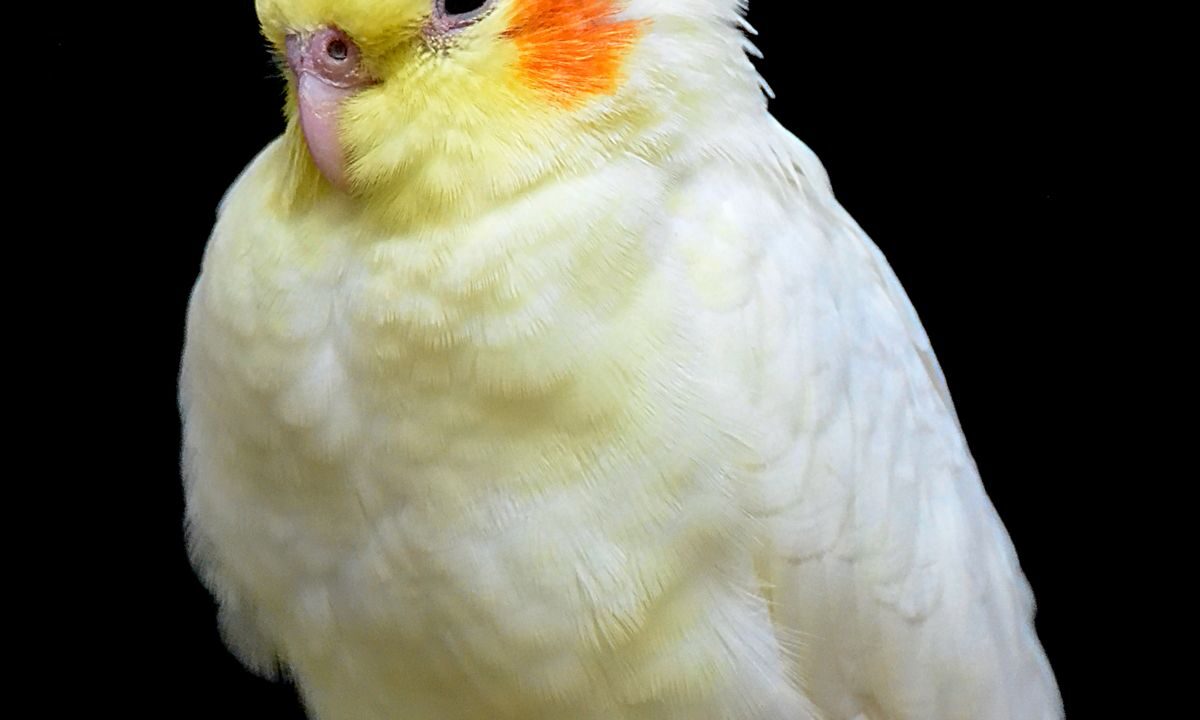
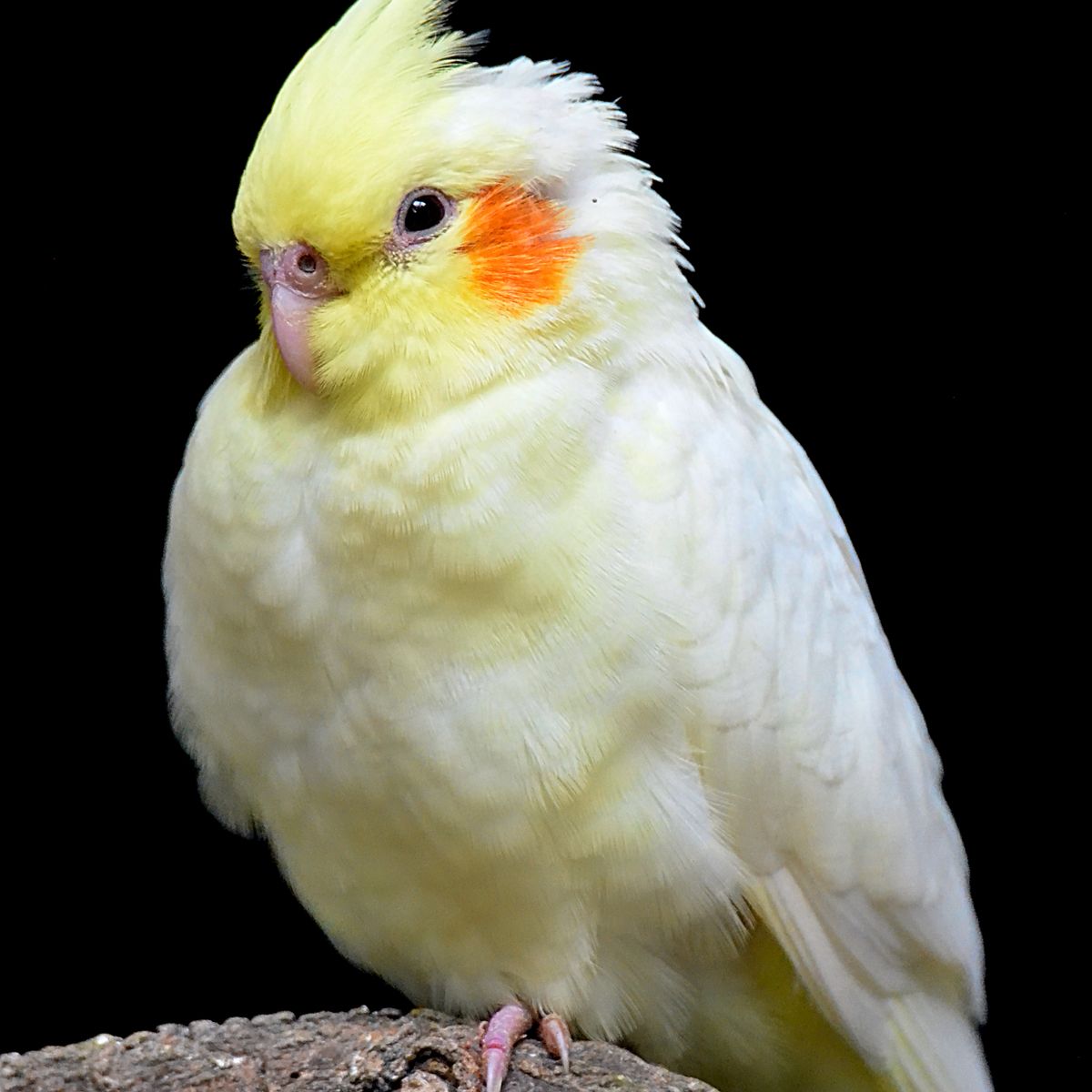
Cockatiels (Nymphicus hollandicus) are small Australian parrots known for their crest, whistling and social nature. Their manageable size can make them seem easy, but they still need daily interaction, flight or exercise opportunities, balanced nutrition and preventive avian veterinary care.
Choose a cage for movement, not decoration
The bird should be able to fully spread the wings and move between perches without hitting toys or bars. Wider rectangular cages generally provide more usable movement space than narrow decorative shapes.
The Association of Avian Veterinarians publishes species-specific care resources for cockatiels as part of its Pet Bird Care series.
Use varied natural-style perches
Offer different safe diameters and textures rather than relying on identical smooth dowels. Keep perches positioned so droppings do not contaminate food and water.
Do not feed seed alone
A seed-only diet is nutritionally incomplete. A balanced formulated diet should form the foundation, supported by suitable vegetables and smaller amounts of other foods as recommended by an avian veterinarian.
Fresh water and clean dishes
Replace water daily and clean food and water containers thoroughly. Fresh produce should be removed before it spoils.
Social needs
Cockatiels are flock-oriented birds. A single cockatiel needs meaningful daily interaction; a bird with another cockatiel still needs appropriate handling, training and environmental enrichment.
Foraging and chewing
Offer bird-safe paper, cardboard, untreated wood and food-search activities. The aim is to give the bird decisions and work, not just fill the cage with hanging objects.
Out-of-cage exercise
Provide supervised time in a bird-safe room. Close windows and doors, switch off ceiling fans and remove access to open water, hot surfaces and other pets.
Watch for subtle illness
Birds can hide disease. A fluffed bird that is unusually quiet, sitting low in the cage, breathing differently or eating less should be evaluated promptly by an avian veterinarian.
Sleep matters
Provide a predictable dark, quiet sleep period. Constant late-night household activity can disrupt rest and may influence reproductive behavior in some birds.
For general household setup, see our bird-safe home guide. If this is your first companion bird, use our first-time bird owner guide.
Cockatiel body language is part of care
A high alert crest, flattened body posture, open beak or repeated retreat can signal arousal or discomfort. Learn the individual bird’s signals and pause interaction before biting becomes the only effective way to create distance.
Hands should predict choice, not capture
Teach step-up gradually with rewards and allow the bird to step away. Reaching into the cage to chase a reluctant cockatiel can make hands more threatening.
Bathing preferences vary
Some cockatiels enjoy a shallow dish, gentle mist or shower perch. Offer options and let the bird choose. Bathing should never involve soap or forced soaking.
Watch body weight, not only appetite
Small birds can lose a meaningful percentage of body mass before owners notice visually. Ask an avian veterinarian how to use a gram scale safely and what weight range is expected for your individual bird.
Egg laying can become a health issue
Female cockatiels may lay eggs even without a male. Repeated laying can affect calcium balance and increase reproductive risk. Discuss persistent laying with an avian veterinarian rather than relying on supplements alone.
Noise is normal communication
Whistling, contact calls and periods of louder vocalization are normal. A household that requires near silence may not be a good match even for a relatively small parrot.
Plan for emergencies
Keep the carrier, avian-vet contact information and a safe transport plan ready. Birds that are weak or breathing abnormally can deteriorate quickly, making last-minute planning risky.
Cage size should support more than perch-to-perch hopping
A cockatiel benefits from enough usable width to stretch wings, move between resources and exercise safely. Bar spacing must prevent the head from becoming trapped while still allowing climbing.
Use several perch shapes and diameters
Natural bird-safe branches, stable rope where appropriate and other safe textures help vary foot pressure. Avoid making one smooth dowel the only place the bird can stand.
Keep the sleeping perch clean and stable
Cockatiels may spend many uninterrupted hours on the preferred nighttime perch. Position it where droppings from another perch do not fall onto the bird, food or water.
Diet should not be seed-only
Merck recommends nutritionally complete formulated foods supported by appropriate fresh produce. Seed-heavy diets can be calorie-dense while still deficient in important nutrients.
Fresh food should not sit all day
Vegetables and fruit spoil faster than dry food. Offer manageable portions and remove uneaten fresh foods before they become contaminated.
Foraging makes the normal diet more useful
Hide part of the regular ration in easy paper folds or food-safe forage toys. This encourages searching behavior without requiring extra treats.
Noise needs to be considered before adoption
Cockatiels are often quieter than large cockatoos, but they are not silent. Contact calls, whistles and morning or evening vocal periods can still be disruptive in noise-sensitive housing.
Dust management matters
Cockatiels produce powder down. Frequent cleaning and sensible filtration can help, but avoid ozone-producing devices and keep ventilation safe.
Night frights deserve a prevention plan
Some cockatiels startle suddenly in the dark and flap violently. Keep the sleep area secure, avoid unstable hanging toys near the sleeping perch and discuss a dim night light with your avian veterinarian if episodes recur.
Teach carrier entry before the first emergency
Place the carrier in a neutral context, reward calm approach and practice brief voluntary entries. A bird that only sees the carrier before a stressful trip may learn to fear it.
Use a gram scale
Because feathers hide body condition, regular weight records can reveal change earlier than visual inspection. Ask your avian veterinarian what weight pattern is normal for the individual bird.
Female reproductive health needs monitoring
Repeated egg laying can deplete calcium and increase risk of egg binding or other complications. Do not respond with random calcium supplementation; review diet, reproductive triggers and medical risk with an avian veterinarian.
Household hazards are often more dangerous than cage toys
Ceiling fans, open windows, hot pans, non-stick fumes, candles, aerosols, toxic plants, open water and other pets all require active management during out-of-cage time.
Independent activity should be taught
A cockatiel that can forage and play calmly alone is better equipped to cope when people are busy. Reward that independence rather than making human attention available only after loud calling.
When to seek veterinary help quickly
Open-mouth breathing, persistent tail bobbing, sitting on the cage floor, sudden major weight loss, repeated vomiting, marked weakness, active bleeding or complete appetite loss should not be watched at home for days. When in doubt, call the avian clinic and describe the resting breathing pattern, appetite, weight trend and droppings rather than waiting for the bird to become obviously weaker.
Use weekly routines to catch small changes
Check body weight, feet, beak, droppings, appetite and normal activity on a regular schedule. Small consistent observations are more useful than relying on memory after the bird already looks sick.
Keep a simple emergency kit ready
A secure carrier, clean towel, recent weight record and the avian clinic’s phone number are more useful than a drawer of unapproved medications. Do not self-medicate a cockatiel with human products.
0 comments