
Why Is My Bird Screaming? Noise, Attention, Fear and Enrichment
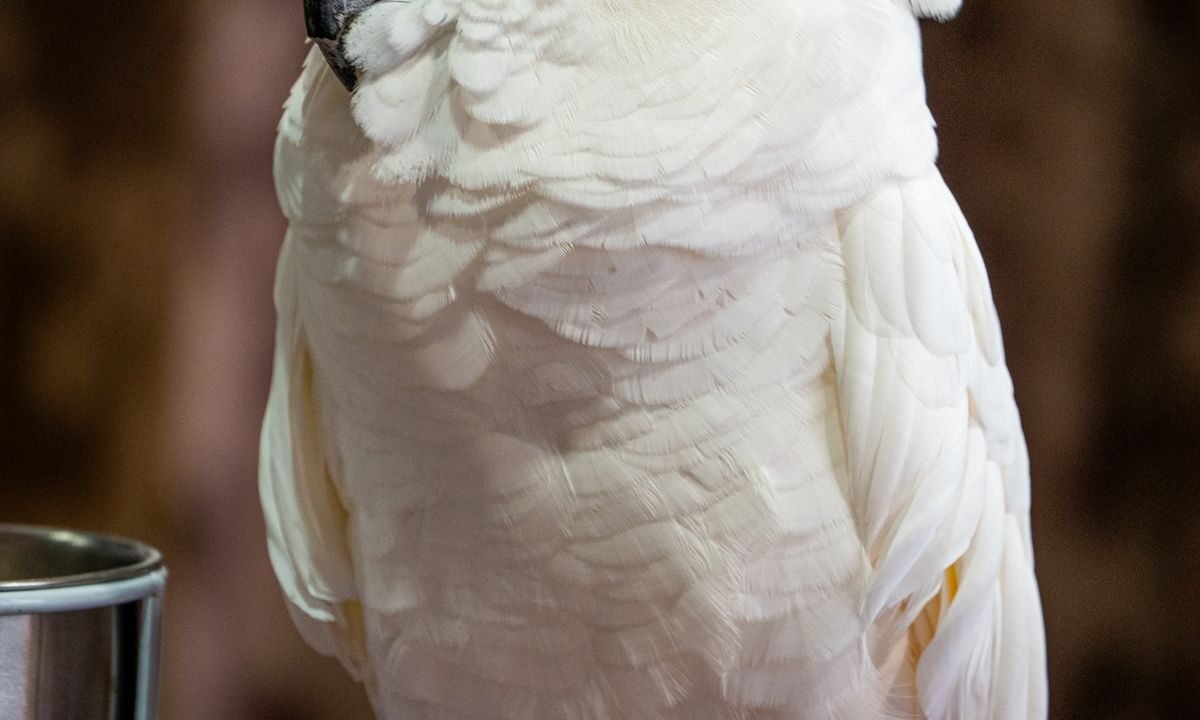
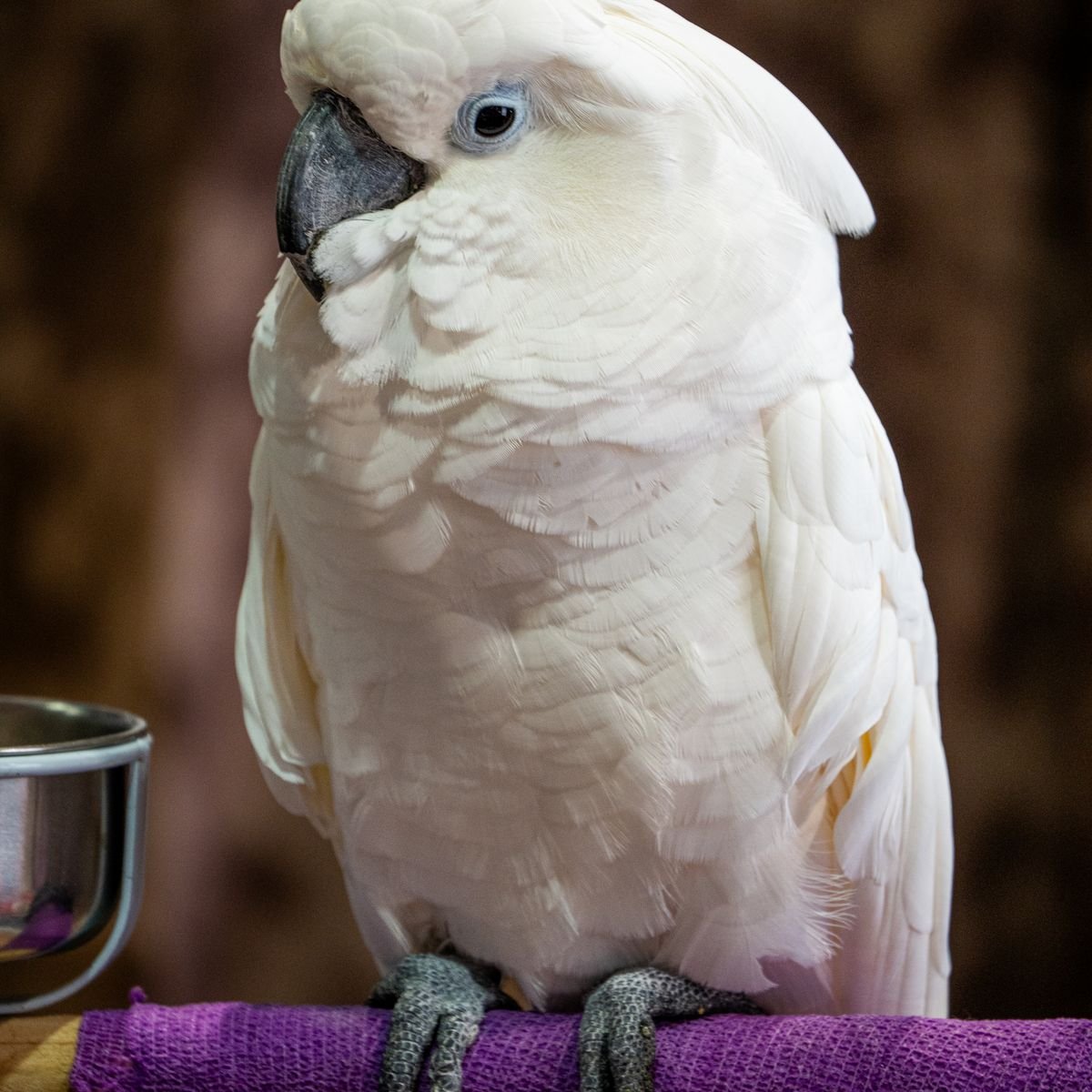
Parrots and many other pet birds are naturally noisy. Morning and evening calls, contact calls, alarm sounds, and excited vocalizations can all be normal. The question is not how to make a bird silent; it is why screaming has become excessive, disruptive, or different from that bird’s normal pattern.
Rule out illness when the sound changes
A sudden increase or change in vocalization can occur with pain, illness, fear, or environmental stress. If screaming begins abruptly alongside appetite, droppings, activity, or breathing changes, arrange an avian veterinary check.
Attention can reinforce screaming
If every loud scream immediately brings a person into the room, yelling back, talking, or opening the cage, the bird may learn that screaming works. Even negative attention can be reinforcing.
Reward calm and quieter behavior
VCA recommends positive reinforcement for calm behavior rather than punishment. Praise, treats, attention, or a favorite activity can be delivered when the bird is quiet or using a more acceptable vocalization. See VCA’s screaming guidance.
Fear and alarm calls need a different response
A bird screaming at a new object, unfamiliar person, predator outside the window, or sudden noise may be frightened rather than seeking attention. Increase distance from the trigger and allow the bird to recover.
Check sleep and routine
Poor sleep can contribute to irritability and behavior changes. Our bird cage placement and sleep guide covers light, quiet, and household routine.
Enrichment can reduce frustration
Foraging, shredding, climbing, training, bathing, and safe social interaction give a bird more appropriate ways to spend time. Rotate activities rather than leaving the same toys untouched for months.
Do not punish normal bird noise
Covering the cage as punishment, shouting, spraying water, or hitting the cage can increase fear and damage trust. Some vocalization is part of living with a bird.
Track the pattern
Write down time of day, what happened immediately before the screaming, how people responded, and what happened next. Patterns often reveal whether attention, fear, routine, or environmental triggers are involved.
Separate contact calls from problem screaming
Many parrots call when a favored person leaves the room. You can answer with a consistent word or whistle without immediately returning every time. The aim is to teach a calmer way to maintain contact rather than eliminating normal flock communication.
Meet predictable needs before behavior training
A bird that is hungry, underslept, frightened, isolated, or bored is less likely to succeed with a quiet-behavior plan. Check diet, sleep, cage placement, social time, exercise, and enrichment before treating screaming as a simple training problem.
Avoid accidentally rewarding the loudest moment
If you need to approach the cage, wait for even a brief pause when it is safe to do so, then provide attention. This helps shift reinforcement toward quieter behavior instead of making the peak scream the most reliable way to summon people.
Know when professional help is useful
If screaming is paired with biting, feather damage, severe fear, or major household disruption, an avian veterinarian can rule out health problems and may refer you to a qualified bird behavior professional.
Morning and evening noise can be normal
Many parrots are naturally more vocal around dawn and dusk. Trying to eliminate these predictable flock calls completely can create frustration for both bird and owner. Management works better when households plan around normal species behavior.
Teach an alternative contact sound
Choose a whistle, short word, or soft call you are happy to answer. Respond consistently when the bird uses it, and avoid turning every loud scream into the fastest route to attention. Over time, some birds learn that the quieter sound works better.
Check whether the cage location is creating repeated alarms
A cage beside a window may expose the bird to cats, hawks, delivery workers, traffic, or reflections all day. Moving the cage slightly, adding a safe visual barrier, or giving the bird a retreat area can reduce repeated fear-based calls.
Do not remove all social contact
Ignoring every sound for hours can create welfare problems in a social bird. The goal is selective reinforcement: meet normal social needs, provide predictable interaction, and reward quieter behavior without making screaming the only successful communication method.
Set realistic expectations before choosing a species
Cockatoos, conures, Amazons, macaws, and other parrots can be naturally loud. Training can improve patterns, but it cannot turn a vocal species into a silent pet. Noise tolerance should be part of the ownership decision.
The bottom line
The goal is not silence. It is to identify abnormal or reinforced screaming, meet the bird’s physical and behavioral needs, reward calmer alternatives, and investigate sudden changes that may reflect illness or fear.
0 comments